Who is Golshifteh Farahani? Iranian actress who starred alongside Di Caprio at centre of Macron ‘slap’ row
Emmanuel Macron touched down in Hanoi one Sunday evening last May to kick off a tour of Southeast Asia in a bid to present France as a reliable alternative to China and the United States.
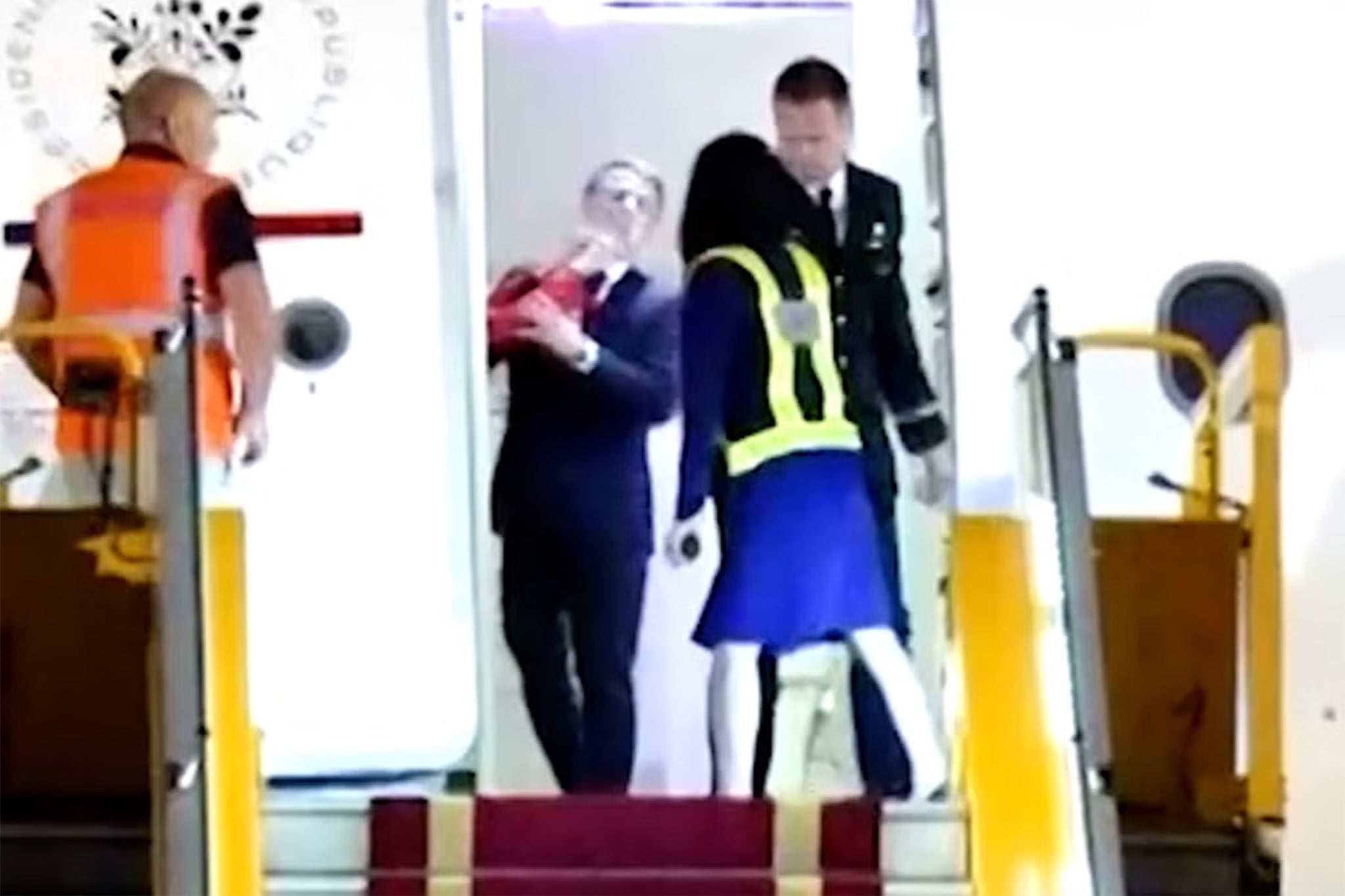
But before he had even stepped off the plane, the trip was derailed by images of his wife appearing to slap him across the face.
The couple played down the scandal that followed, saying they were only joking around. But again the crisis has flared up in recent days with claims the first lady was provoked by her husband talking to another woman.
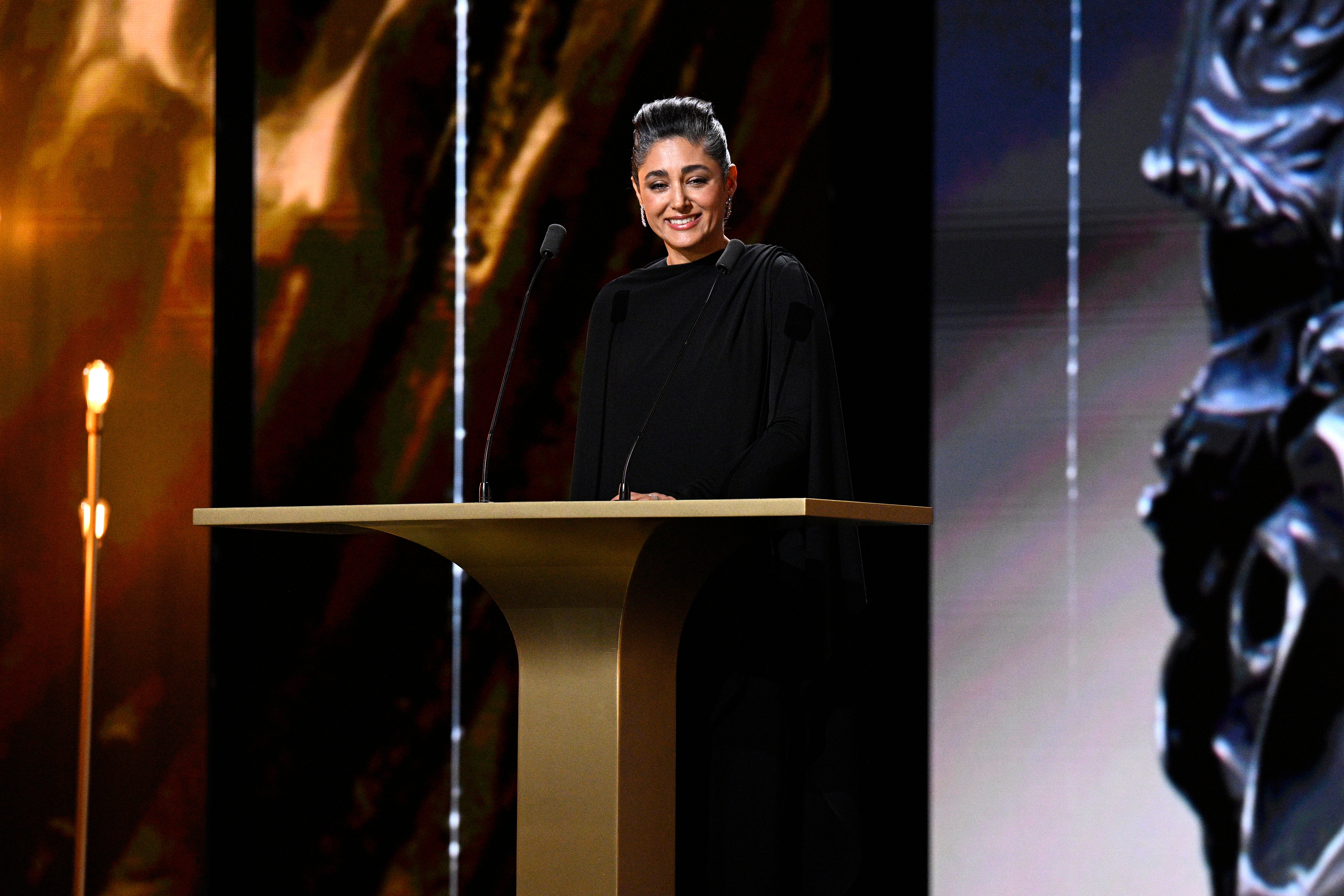
French journalist Florian Tardif claims in his new book that Mr Macron had maintained a “platonic relationship” with the exiled Iranian actor Golshifteh Farahani which, he claimed, veered into flirty texts and “led to tensions with the couple, which resulted in this private scene becoming public”.
 open image in gallery
The rumours are said to trace back to Iranian social media accounts targeting the actor, who has faced the wrath of the Iranian regime and media for her roles over the years. Ms Farahani addressed the comments last year saying “rumours should be ignored”.
Ms Macron - who has been subjected to a string of attacks and rumours as first lady - has “categorically denied” the account.
Who is Golshifteh Farahani?
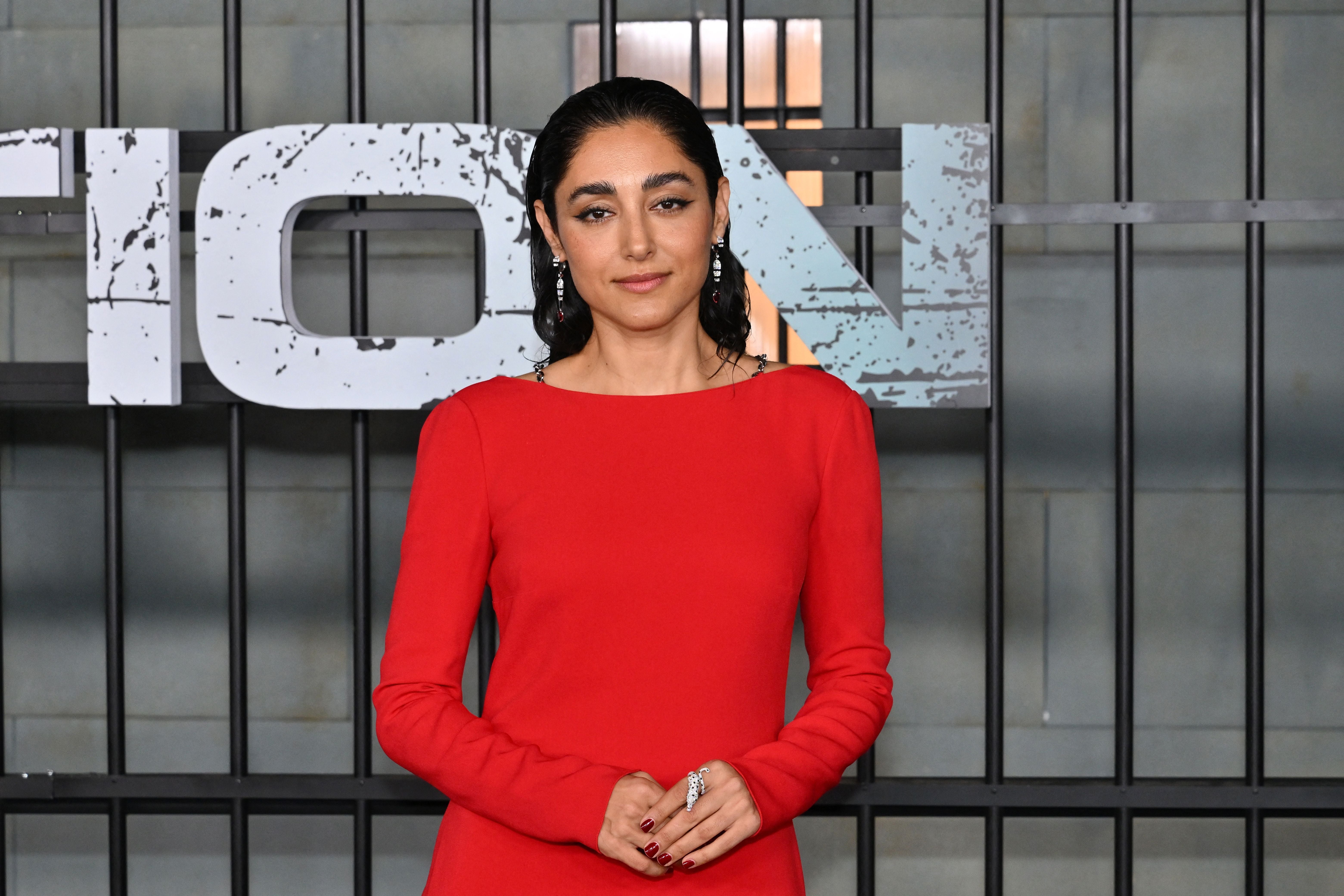
Golshifteh Farahani, 42, is a French-Iranian actor with a varied career sprawling some three decades.
She was born in Tehran in 1983, four years after the Islamic Revolution swept Iran and during the Iran-Iraq War. In an op-ed for Le Monde she said her childhood was “filled with fear”, recounting how friends of her father were executed by the regime before she was able to escape into exile.
Finding refuge in France, Ms Farahani went on to build a career between the Hollywood blockbusters and more artsy European cinema. With popularity came renewed attention from the regime, and she soon found herself banned from working in Iran for not wearing a headscarf at the New York premiere of Ridley Scott’s CIA thriller Body of Lies (2008).
 open image in gallery
Four years later, Ms Farahani was banished from Iran altogether over her decision to show her right breast in a black-and-white short promoting the Césars. Within days, her father in Tehran received threats that his daughter would be punished and mutilated for exposing herself, according to the Guardian.
“I hate politics,” she told the newspaper at the time. “It is not my job. As always, something you do for nothing becomes political. I knew it would be difficult. But I am living in France now, I have to work here, and either I am living here or I am not.”
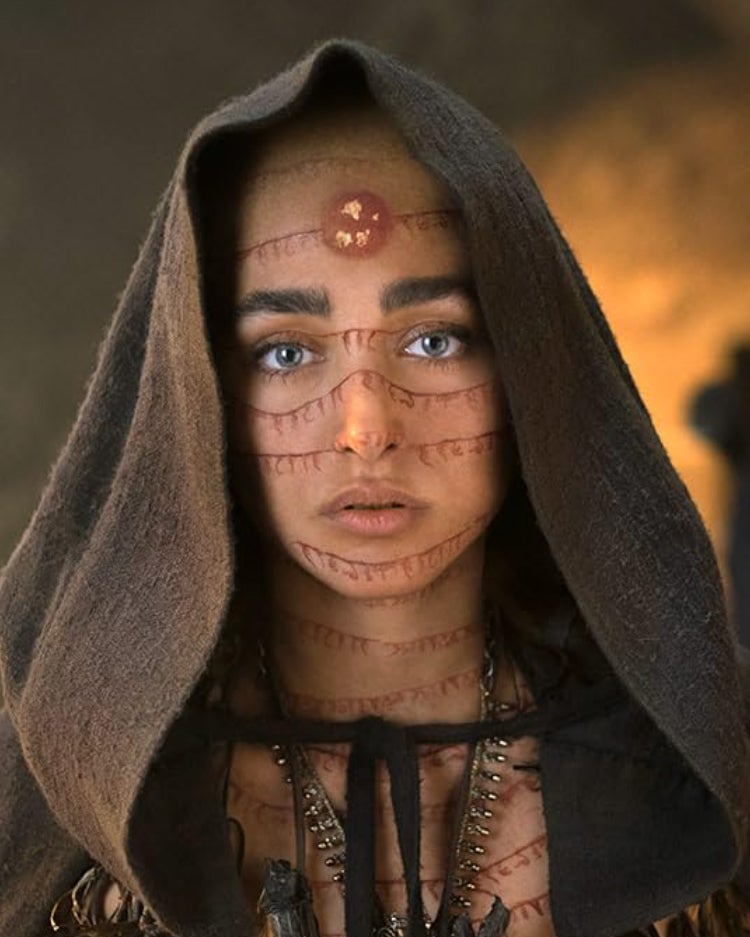
Unable to go home, Ms Farahani would continue her career in the West. In 2017, she played Shansa, the sea witch in Pirates of the Caribbean: Dead Men Tell No Tales, and in 2020 she portrayed Nik Khan opposite Chris Hemsworth in Extraction, reprising the role for the 2023 sequel.
She also starred alongside Leonardo DiCaprio in Ridley Scott’s 2008 film Body of Lies.
Ms Farahani was also the mother of Alpha in the 2025 film of the same name, a body horror drama cast as an allegory for the HIV/AIDS epidemic that received a nomination for the Palme d’Or at Cannes.
 open image in gallery
What are the latest claims - and what has she said?
Florian Tardif, a journalist at Paris Match, claimed in his new book that Ms Farahani maintained a “platonic” relationship with the president of France that at some point veered into Mr Macron texting her messages that “went quite far ... such as ‘I find you very pretty’”.
His book, released on Wednesday, claims that a text message from Ms Farahani to the president provoked Ms Macron, which led to what appeared to be a slap as they prepared to get off the plane in Vietnam.
A source close to the couple told the author that Ms Macron had read a “message that she was never meant to read”, which then prompted a “dispute [that was] longer and harsher than usual”.
 open image in gallery
The Elysée Palace at the time dismissed the incident as “horseplay” and has not given an official response to Mr Tardif’s claims.
Speaking to Gala magazine last August, Ms Farahani quietly dismissed speculation about her purported connection to Mr Macron.
“It comes in waves, it appears, disappears... I watch, I observe: what can I do? It doesn't even bother me,” she told the French magazine.
She added: “The question is why people are interested in this kind of story. I think there's a lack of love in some people, and they need to create such romances to fill that void.”
According to Gala, the rumour dates back to the summer of 2024, and was spread by Iranian accounts on Twitter/X.
Asked in March 2025 about the rumours “alleging a relationship between you and a politician”, she told Le Point: “Rumors should be ignored. True or false, they're still just rumors. They're like waves that come and go. I've experienced that so many times in my life.”
Join our commenting forum
Join thought-provoking conversations, follow other Independent readers and see their replies
Comments