Today I learned the real reason why Geralt calls all of his horses Roach
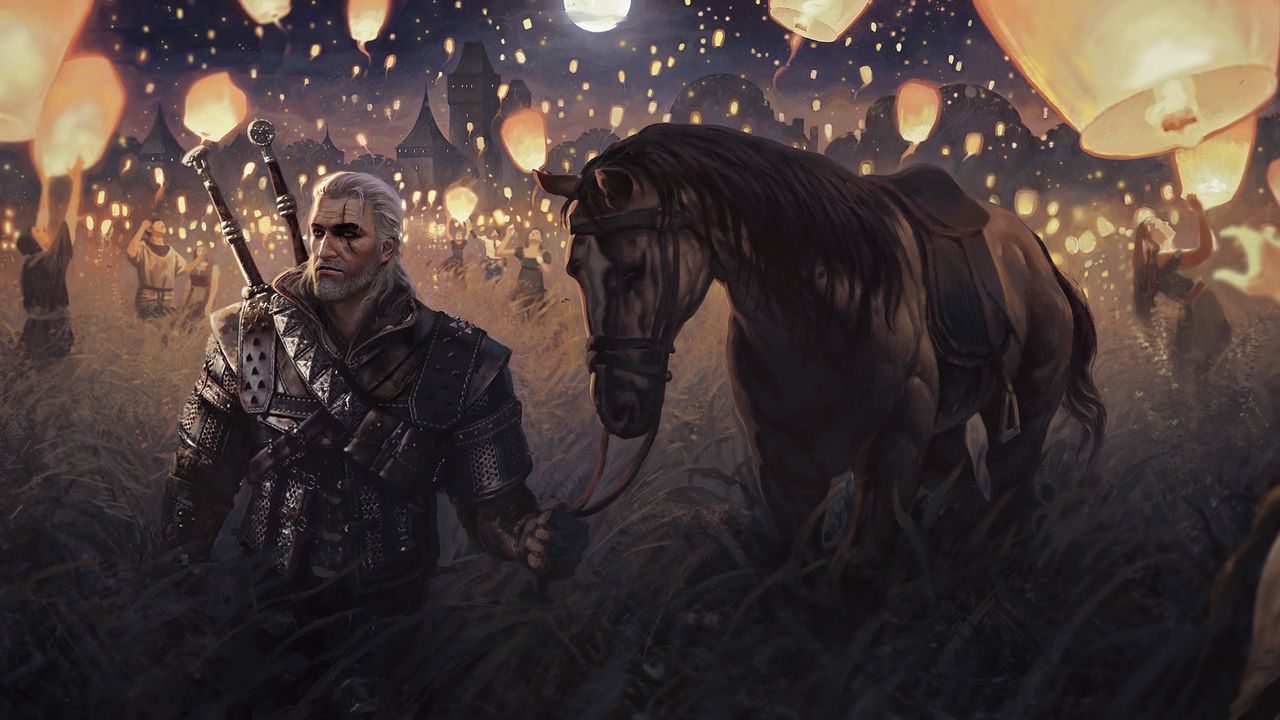
Witcher fans have long speculated as to why our beloved Geralt decides to name every single one of his horses Roach—it's not exactly a term of endearment after all. Every mare Geralt rides on the path has borne this mysterious moniker, and until late last year, all us English-speaking folks could do was speculate as to why.
Well, turns out the answer lies in the most recent novel of The Witcher series, Crossroads of Ravens. Originally released in Polish in 2024, the novel was translated into English late last year, and reviewed for PC Gamer by our very own Jody Macgregor. Being a big fan of The Witcher who's played all the games and read all the other books, I finally found time to sit down with it, too.
Despite being the latest instalment, Crossroads of Ravens is actually the earliest chronologically, recounting a bright-eyed and bushy-tailed Geralt first setting out on the path from Kaer Morhen. The novel follows his monster-slaying adventures in the Kingdom of Kaedwen, but also has him wrangling with what it means to a Witcher, both in terms of the prejudice society harbors for them, and what their mutations mean for them as humans.
Personally, I really enjoyed it. Sure, it's a bit of a non-ish book in terms of significant events, but there are lots of fun encounters and bits of backstory that any Witcher fan will appreciate, perhaps the most notable being: the origin of Roach's name. Obviously, this will contain very minor spoilers for events in the novel, so if you plan to read it yourself, it's worth leaving.
A brief summary of events: Geralt is hanging out by a river striking up a conversation with a restaurant owner about crayfish, when a mamutak (a giant ostrich-like bird monster) attacks said crayfish-fishermen. Geralt decapitates the beast, but in the tumult, someone nicks his horse.
After agreeing to sell the bird monster's corpse to the gastronome, he sets off to meet the town's burgomeister. Of course, he refuses to pay Geralt for the kill, but he does point him in the direction of his kinsman, who breeds horses, so Geralt can find a new mare. However, the horse trader has different ideas about what makes an appropriate mount for a Witcher:
"But what is this, a witcher on a mare, not a stallion? It’s somehow dishonourable. What do you say? That’s your least concern? Ha, the customer is always right, he wants a mare, he gets a mare. But with horses, ha, ha, m’lord witcher, it’s like it is with fish. I’m offering these jennets like lusty pike, and you’ve chosen a little roach. What are you laughing about? Did I say something comical?"
So, there you have it. Geralt loved the horse breeder calling his chosen mare "Roach" so much he's named every one of his horses that since, after the fish of the same name. I find it funny that even though the games have come to dominate The Witcher as a franchise, Andrzej Sapkowski can still drop lore bombs like this that impact pretty much everything that came after.
That's why I thought I'd share this fun tidbit for fans of the games who have no interest in reading the books—although you should, because they're really great. They can be a lot to take in, so lucky for you we've got a reading guide to help you get started.
The Witcher 4: What we know about Ciri's story
Witcher 3 mods: Good hunting
The Witcher books: Where to start
Witcher 3 console commands: Cheat death
The Witcher season 4: Hemsworth's debut
Схожі новини
Steam stats for Slay the Spire 2's engine Godot show "strong signs of exponential growth"
Lords Of The Fallen 2 Studio Paid A Gaming YouTuber To Promote Its Boring Bikini Armor
Marvel's upcoming Punisher special takes place "before and during" the events of Daredevil: Born Again season 2, says showrunner