14 Killed in Israeli Airstrikes on Lebanon as Fragile Ceasefire Continues to Unravel
Israeli military operations in southern Lebanon on Sunday resulted in at least 14 deaths, according to the Lebanese Ministry of Health, as tensions persist under an increasingly strained ceasefire agreement between the two nations.
The casualty toll, which includes two children and two women, also saw 37 people wounded in the strikes. Prior to the attacks, the Israeli Defense Forces issued mandatory evacuation orders for multiple villages in the southern region, warning residents that remaining in their homes would put their lives at serious risk.
Military Operations and Casualties
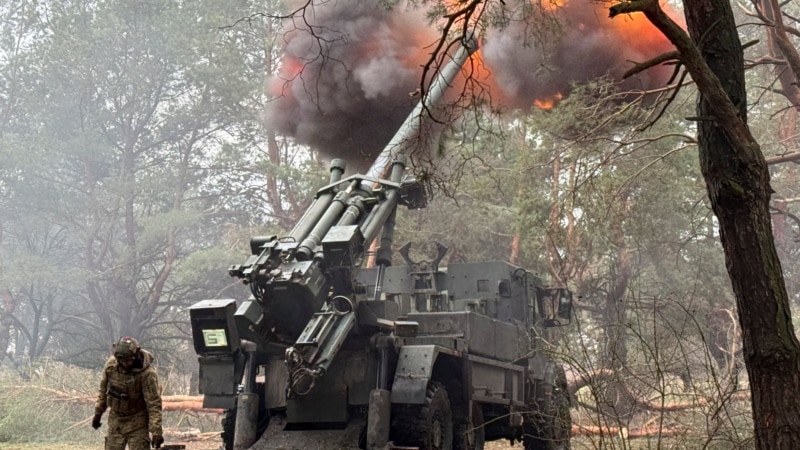
The IDF confirmed it executed "artillery and aerial strikes" targeting what it characterized as Hezbollah operational positions and facilities in southern Lebanon. Military officials asserted these sites were being used "to advance attacks against IDF soldiers."
During the same period, the Israeli military reported that a 19-year-old soldier was killed and six others sustained injuries from a Hezbollah drone assault. Separately, Hezbollah fired three unmanned aerial vehicles toward Israeli territory, all of which were successfully intercepted by Israel's air defense systems before crossing the border.
The Ceasefire Framework
Both nations remain bound by a ceasefire agreement that came into effect on 16 April and was recently renewed for an additional three weeks as of Thursday. The arrangement grants Israel explicit authority to pursue "all necessary measures in self-defence, at any time, against planned, imminent, or ongoing attacks."
However, both sides have accused each other of systematic violations since the agreement's implementation, with mounting incidents of cross-border attacks.
Netanyahu's Statement on Military Operations
At a government session, Prime Minister Benjamin Netanyahu defended the military's aggressive posture, stating that the IDF remains "active, and it is acting with force" in Lebanon. He characterized Hezbollah's actions as fundamentally "disintegrating the ceasefire."
"We are acting vigorously according to the rules we agreed upon with the United States, and incidentally, with Lebanon as well. This means freedom of action, not only to respond to attacks, which is obvious, but to thwart immediate threats and also to neutralise emerging threats," Netanyahu declared.
On Saturday, Netanyahu had issued direct orders to military commanders to "vigorously attack Hezbollah targets" in Lebanon, leading to strikes that killed at least six people in the southern region.
Broader Regional Developments
Meanwhile, Iran's Foreign Minister Abbas Araghchi arrived in Pakistan on Sunday to present Tehran's diplomatic framework for resuming negotiations with the United States. This visit follows Washington's decision to extend an Iran-US ceasefire that had been scheduled to expire on 22 April, enabling continued diplomatic engagement.
Araghchi was previously in Islamabad on Saturday, where he engaged in talks with Pakistani mediators as part of his regional tour. Shortly after his departure for Oman, the Trump administration cancelled a planned visit by special envoy Steve Witkoff and Jared Kushner to Islamabad. While the White House indicated that Iran had requested dialogue, Tehran contested this characterization, asserting that no direct negotiations with the US had been formally scheduled.
The Iranian minister previously expressed skepticism about Washington's diplomatic intentions, stating that Tehran had "yet to see" if the United States was genuinely committed to peace talks. Araghchi is scheduled to meet Russian President Vladimir Putin in Moscow on Monday.
Схожі новини
Tsunami survivor battles wildfire to protect hometown in Iwate Prefecture

Масована атака на Одесу: дронами пошкоджені житлові квартали та готель, десятки постраждалих
Merz Ignites Heated Debate Over Germany's Pension System Future