Iran Executes Man Accused of Links to Banned Opposition Movement
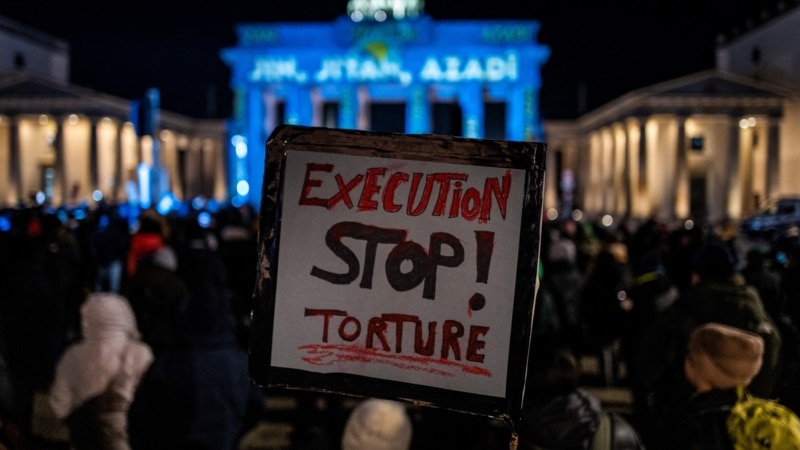
Iranian judicial authorities announced on April 23 the execution of a man convicted of membership in the Mujahedin-e Khalq (MEK), a prohibited opposition organization, and alleged collaboration with Israeli security forces.
Soltanali Shirzadi Fahr was hanged at dawn, according to Mizan Online, the official website of Iran's judiciary. The execution marks another instance in Tehran's intensifying use of capital punishment against political opponents.
Details of the Case
According to Mizan Online, Fahr was described as a "longtime member" of the MEK who had maintained "extensive cooperation in various sectors" with the organization over many years. He allegedly confessed to participating in two official MEK operations against the Islamic Republic. The circumstances surrounding his arrest remain undisclosed.
Broader Pattern of Executions
The execution follows a recent surge in capital punishment in Iran. Last week, authorities hanged several political prisoners linked to the MEK, including Mohammad Tagavi Sangdeh, Akbar Daneshvakar, Babak Alipour, and Pouya Gobadi.
Since January, when Iran suppressed mass nationwide protests, the country has significantly increased executions. Recent capital sentences have targeted individuals accused of participation in demonstrations and alleged cooperation with Israel.
Iran maintains one of the world's highest execution rates. Human rights organizations contend that the Islamic Republic employs capital punishment as a tool to instill fear within society.
International Response
On April 22, U.S. President Donald Trump stated that Iran had halted plans to execute eight women arrested during pre-war anti-government protests, following his calls for their release. However, Iran's judiciary dismissed Trump's statement as "false," insisting that the women never faced execution threats.
Схожі новини
Literary Escape: Scottish Coastal Town Transforms Bookshop into Dream Holiday Destination
Data Centers' Energy Hunger Threatens Climate Goals as US Turns Back to Fossil Fuels
Moscow Moves to Cut Kazakhstan Oil Supplies to Berlin's Critical Refinery Starting May 2026