‘I miss our land. Chernobyl broke us’: The families who lost their homes after world’s worst nuclear accident
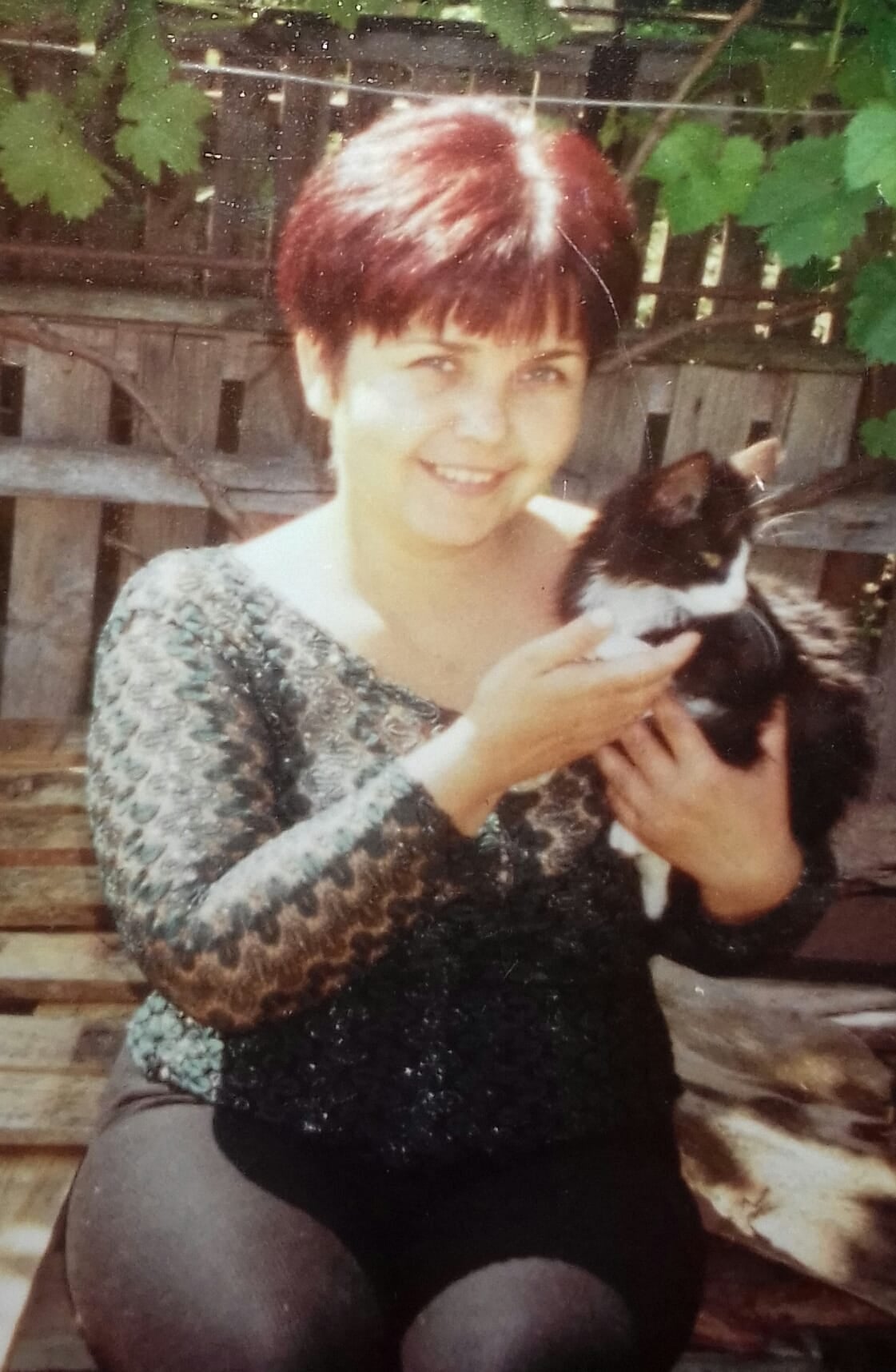
Olena Maruzhenko remembers her mother sobbing when Soviet police told them to evacuate their home in the village of Korogod in northern Ukraine.
Just 12km away, a reactor at the Chernobyl Nuclear Power Plant had exploded, sending a shaft of blue light into the night sky and throwing clouds of radioactive material into the surrounding area.
Local authorities told Olena and their mother that they would only need to leave their home for three days. They had no idea that the worst nuclear disaster in history had unfolded.
“We believed we would definitely return,” Olena recalls to The Independent as the world marks the 40th anniversary of the Chernobyl disaster.
“The 26 April, 1986, is a date that is forever etched in my memory with black sadness. We could not imagine leaving our homes without knowing where to go.”
Olena and her mother were among 350,000 people who were evacuated from the Chernobyl exclusion zone. Hundreds of buses were sent to ferry workers from Pripyat, an industrial city created to house workers from the nearby plant located around 100km north of Kyiv.
 open image in gallery
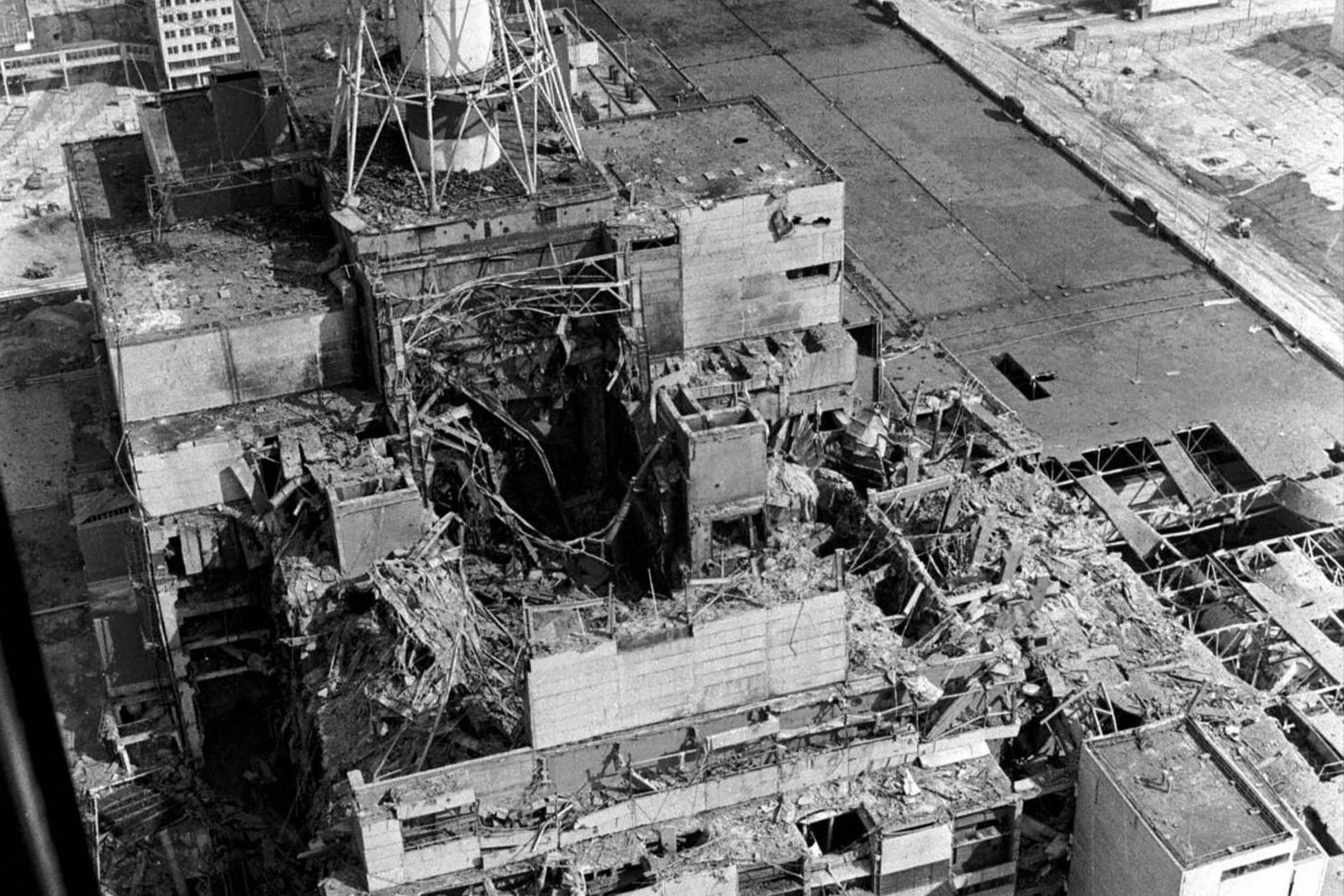
The disaster began when reactor number 4 at the power plant exploded at 1.23am, after a test went catastrophically wrong.
In the days that followed, a massive and uncontainable release of radioactive material spread across Europe. Firefighters and workers were exposed to lethal radiation as they attempted to contain the blaze. Thousands of animals were mercifully slaughtered as residents were evacuated from nearby towns.
The Soviet government sought to downplay the scale of the accident.
In the forty years since Chernobyl, thousands of people have suffered devastating health consequences due to high radiation exposure, including thyroid cancer.
Vast areas were contaminated by the radiation, devastating the region’s environment. Luscious green forests turned a reddish brown, while vital soil for agriculture was polluted for decades.
 open image in gallery
Korogod was once a town surrounded by forests, rivers and lakes that provided rich sources of mushrooms, berries, fish and herbs sold in bustling local markets. After the disaster, it became a grey and decrepit ghost town in the Chernobyl Exclusion Zone, a 30km area restricted to human habitation.
The official Soviet death toll, given in 1987, was 31. But after including those who suffered lasting health effects, the toll is significantly higher.
The husband of Natalia Dykun, another resident of Korogod, was one such person. He was diagnosed with cancer after the disaster and eventually died from the disease.
“We became hostages of the Chernobyl disaster,” she says. “The treatment did not help and he died very young. In almost every house near us, someone from the family began to get sick, and later almost every family lost a relative to cancer.”
 open image in gallery
Natalia was 28 at the time of the explosion. She recalls the silence from the Soviet authorities causing “great harm”, with residents “completely unprotected, both morally and physically”.
Most residents from the towns near Chernobyl only truly understood the scale of what had happened when they discovered new towns were being built to house them.
Natalia says she was “devastated” to see a new village being built in an open field with “no forest or water nearby”. Her home used to be surrounded by nature.
 open image in gallery
Olga Mikhalova was only 15 when she learned she would never be returning home. “The accident and evacuation changed us forever,” she says.
“Family ties were broken, neighbourly ties. We would not wish this on anyone.”
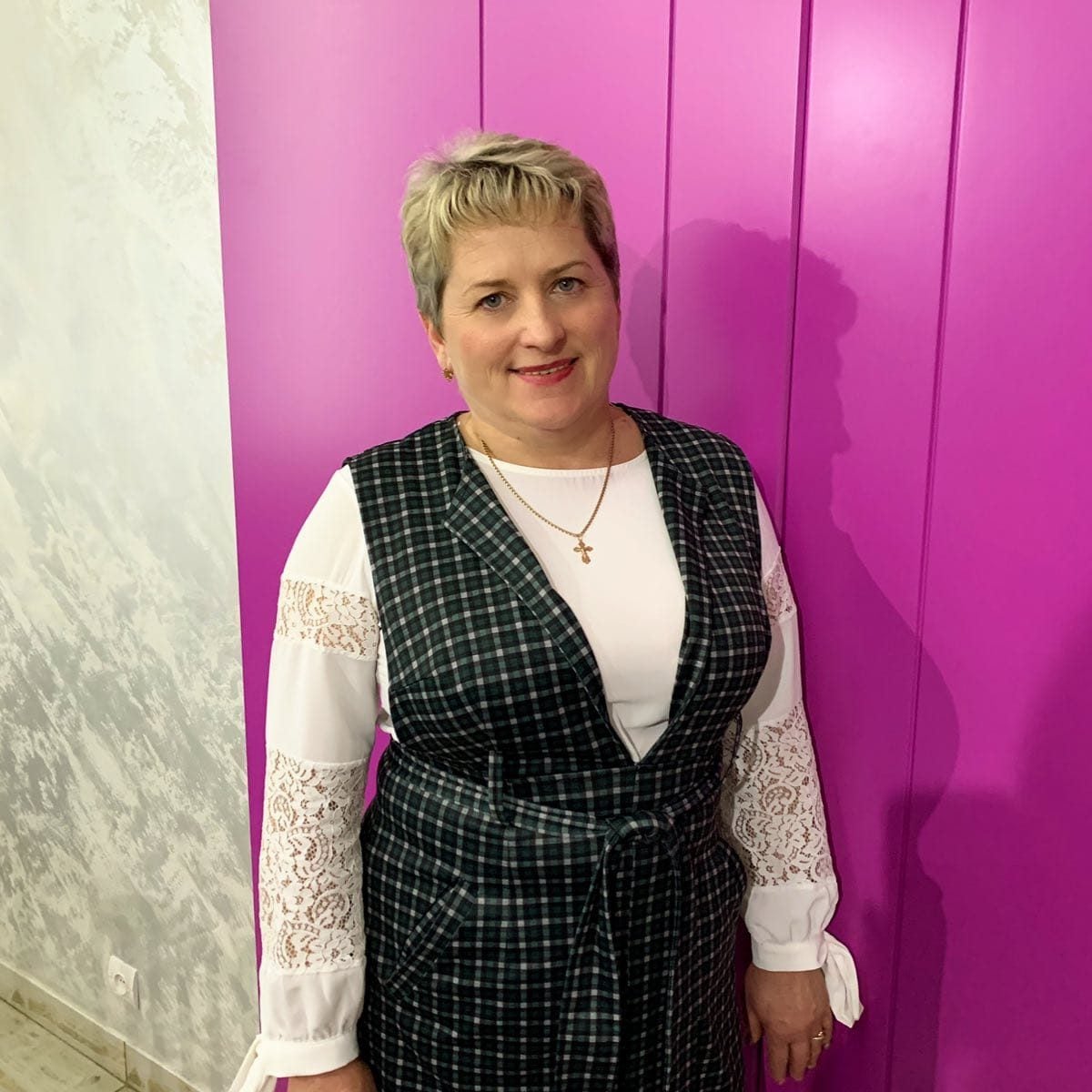
Olena, who was living with strangers in the aftermath of the tragedy, watched the news in tears when she found out new homes were being built. “I still dream of my village, my native house. I miss our land. The Chernobyl accident broke us.”
 open image in gallery
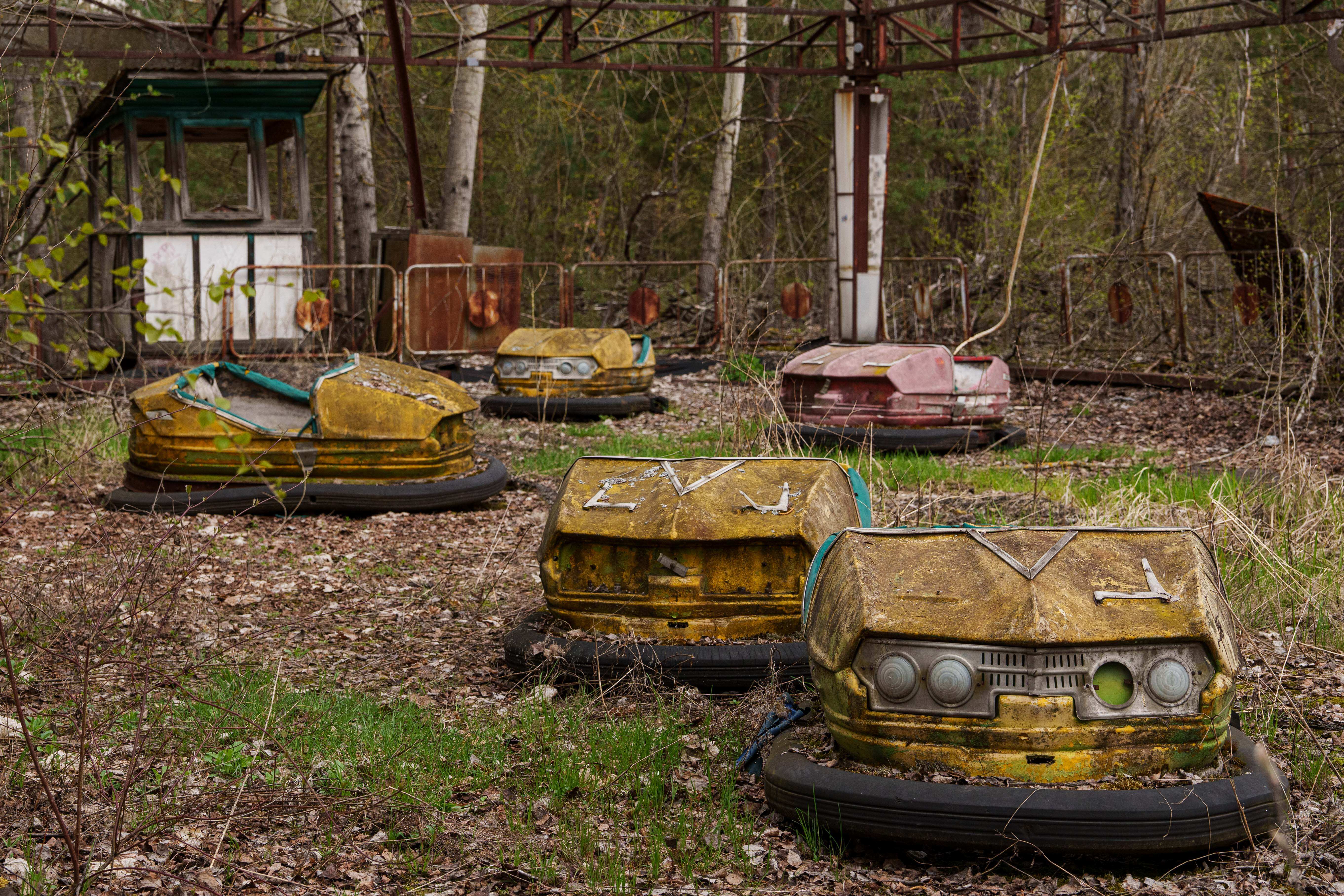
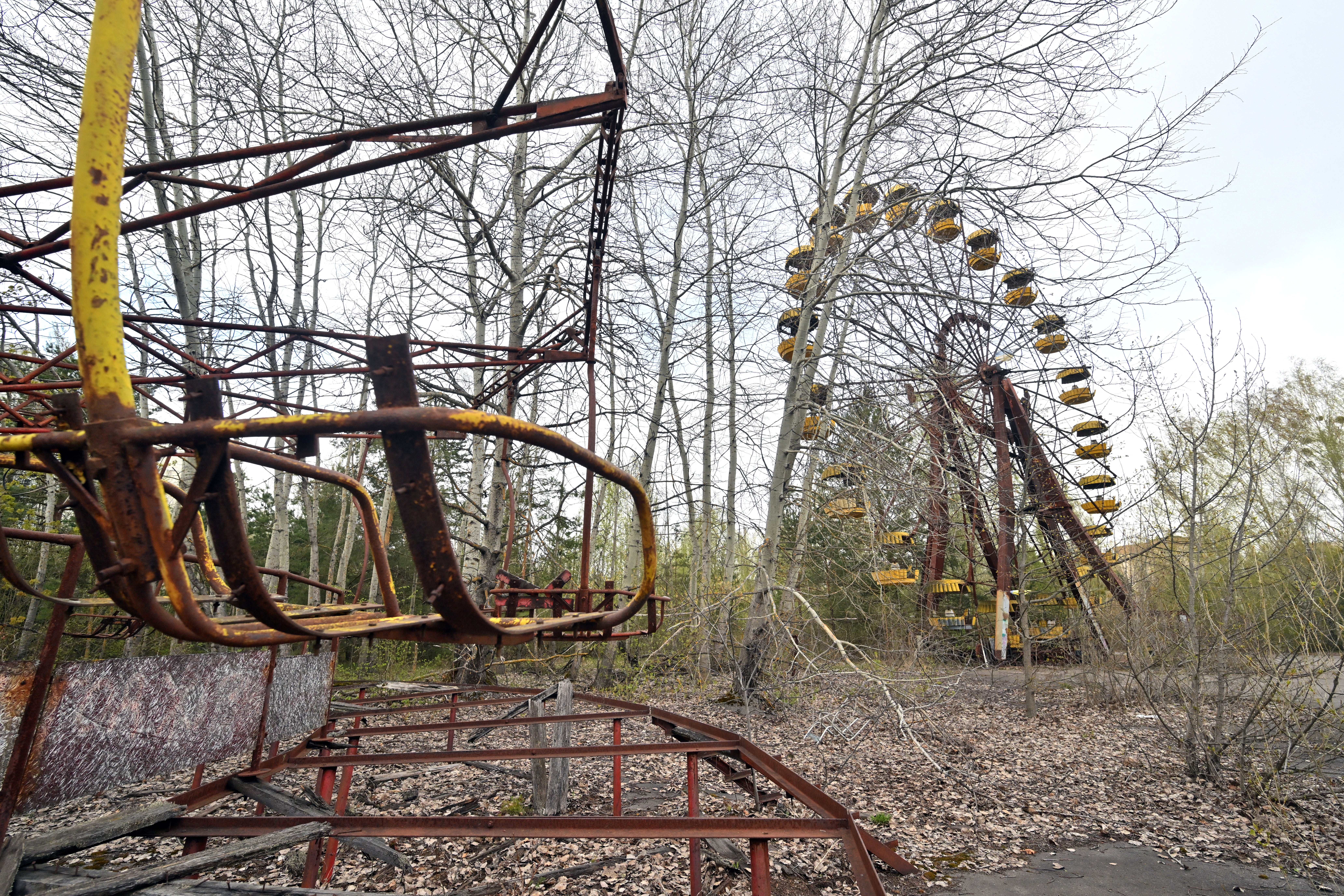
Slavutych, a planned city on the western bank of the Dnieper River, still houses around 20,000 people. It was built for those evacuated from the abandoned city of Pripyat, perhaps the most famous of those evacuated after the explosion. Chilling images of Pripyat, including its haunting abandoned fairground, are an enduring symbol of the lives and communities lost in just a matter of hours.
“When we realised that we would not return home, it was very difficult for us, the young, to come to terms with this, and it was even more difficult for the older generation,” says Olga. “This is a tragedy for many generations.”
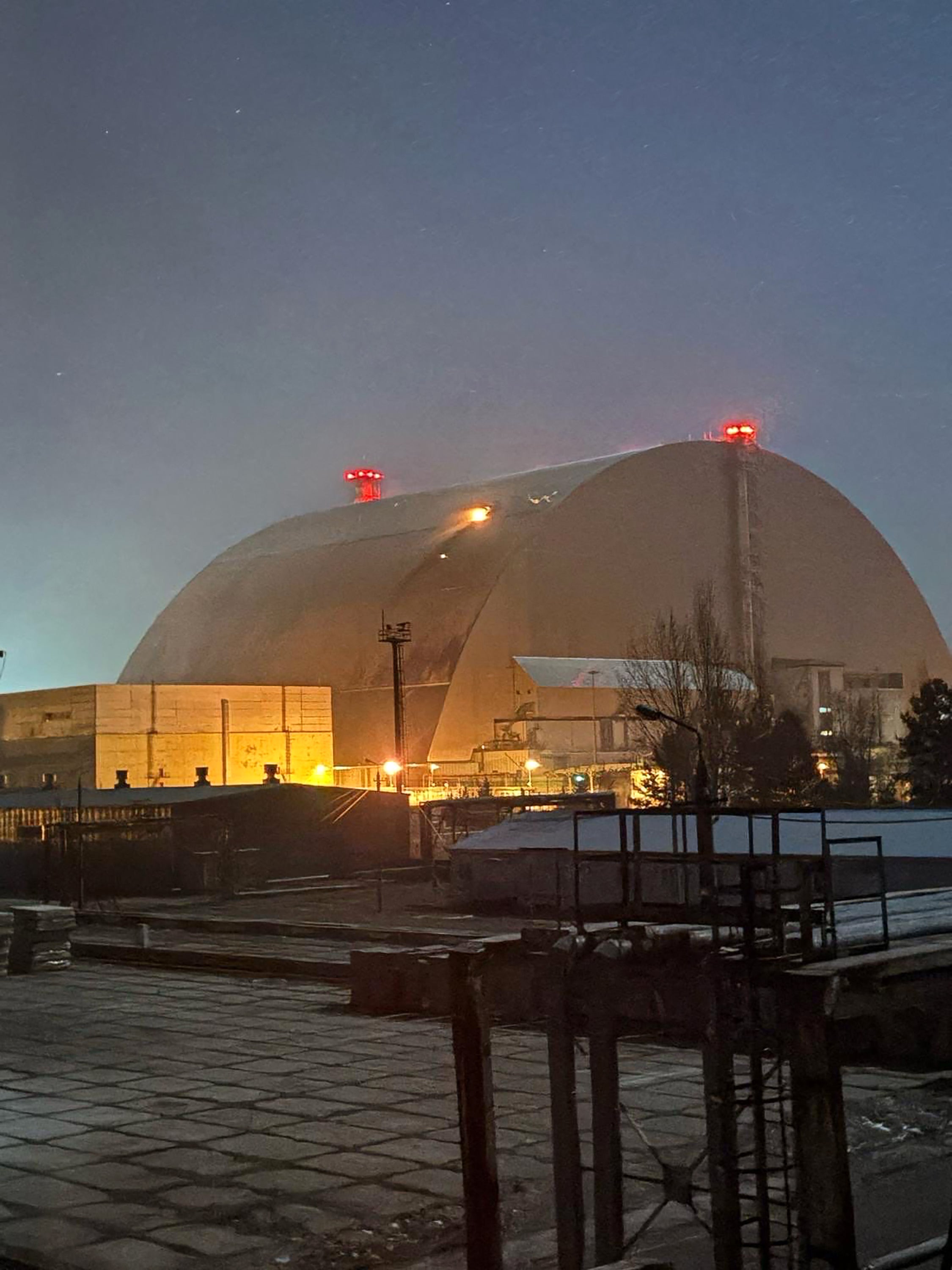
As war rages in Ukraine, with Russian forces playing fast and loose around Chernobyl and the southern Zaporizhzhia Nuclear Power Plant, experts have told The Independent that we are closer than ever to another nuclear disaster.
 open image in gallery
For those who have suffered the most catastrophic effects of a nuclear accident, this is unthinkable.
“As a person who survived the evacuation, I feel especially acute anxiety when war touches nuclear facilities,” Olena says. “This causes fear and incomprehension, why humanity, having had such an experience, is taking risks again.”
Natalie fears for the future generations. “This irresponsibility of the enemy and the risks for the surrounding world of a repeat of the disaster are very frightening and we are in constant stress and fear. We are no longer afraid for ourselves, but for our children and grandchildren.
“Irresponsibility and insecurity in relation to nuclear energy and infrastructure is a crime before the whole world.”
Join our commenting forum
Join thought-provoking conversations, follow other Independent readers and see their replies
CommentsСхожі новини
