Cruise ship outbreak latest: British crew member needs ‘urgent’ care after suspected hantavirus leaves three dead
A British crew member is in need of “urgent” medical care while another Briton is undergoing treatment in intensive care following a suspected hantavirus outbreak on a polar expedition cruise ship in the Atlantic.
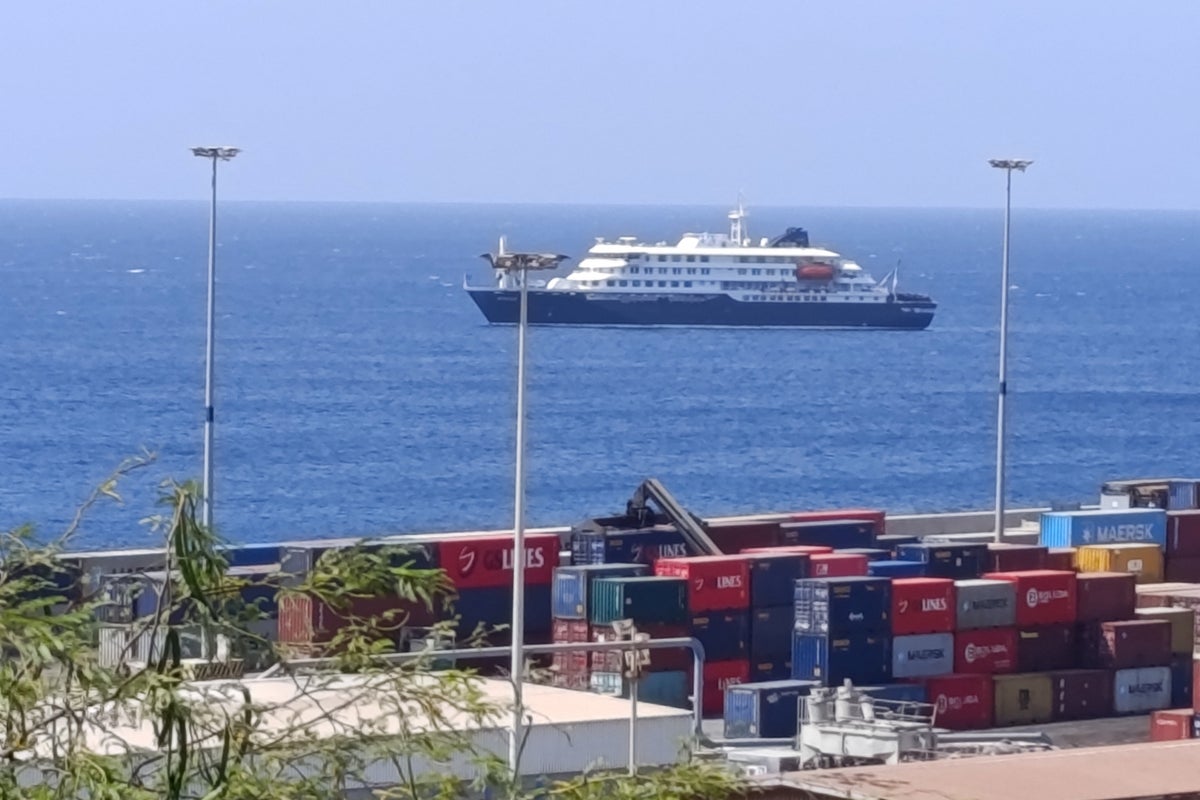
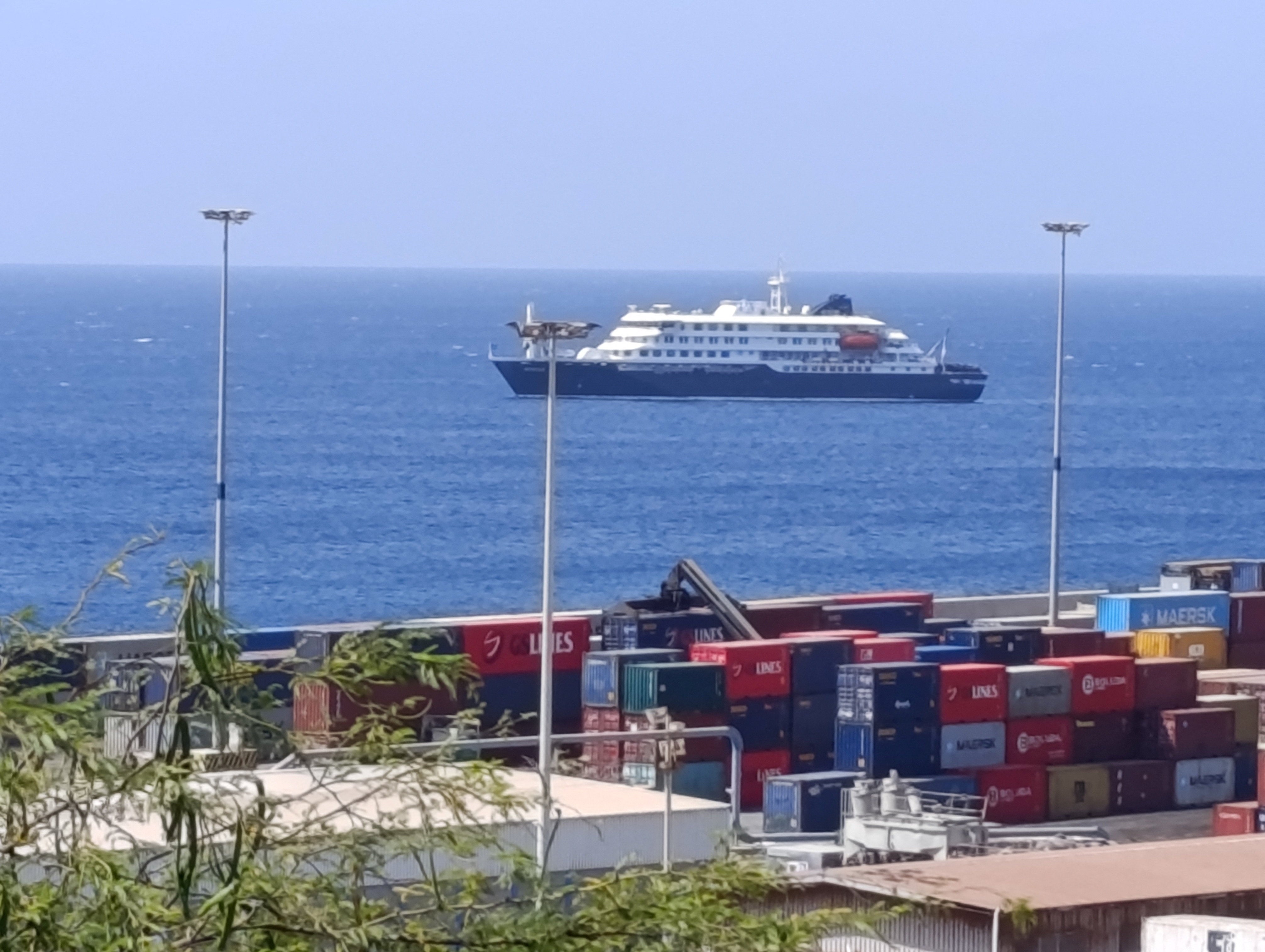
The outbreak on the Dutch-flagged vessel MV Hondius, which began a remote expedition voyage from Argentina to Cape Verde on 1 April, has left at least three people dead.
The operator, Oceanwide Expeditions, said a Dutch husband and wife as well as a German national had died.
The confirmed cases include a British passenger receiving care in South Africa and a Dutch woman who died on 27 April after disembarking.
The British passenger remains in a “critical but stable” condition after being medically evacuated to South Africa, where they are being treated in intensive care.
The operator said two crew members – one British and one Dutch – were continuing to show “acute respiratory symptoms”, one mild and one severe.
The WHO said a total of seven hantavirus cases – two confirmed and five suspected – had been identified on the cruise ship so far.
Recommended What to know about hantavirus as illness linked with three deaths on Atlantic cruise ship
 More than 20 Britons trapped on cruise ship amid suspected hantavirus outbreak as Cape Verde blocks it from docking
- U.S. travel blogger posts tearful Instagram video from hantavirus-struck cruise ship
What are the symptoms of hantavirus?
Hantavirus are a family of viruses which can cause serious illnesses and death.
Mainly spread by rodents, the viruses can cause diseases like hantavirus pulmonary syndrome (HPS) and hemorrhagic fever with renal syndrome (HFRS).
The main symptoms in early stages of HPS infection are:
• fatigue
• fever
• muscle aches
Four to 10 days later, late symptoms appear. These include coughing and shortness of breath.
The main symptoms in early stages of HFRS infection are:
• intense headaches
• back and abdominal pain
• fever/chills
• nausea
• blurred vision
Later symptoms can also include:
• low blood pressure
• lack of blood flow
• internal bleeding
• acute kidney failure, which can cause severe fluid overload
Nicole Wootton-Cane5 May 2026 09:35What to know about hantavirus as illness linked with three deaths on Atlantic cruise ship
Three passengers are dead and an investigation is underway after a suspected outbreak of hantavirus ripped through an Atlantic Ocean cruise ship.
While only one hantavirus infection has been confirmed through testing, five others have also fallen ill on the MV Hondius, which was traveling from Argentina to Cape Verde.
The deceased passengers include a senior Dutch couple and a German national, according to Dutch shipowner Oceanwide Expeditions.
Read more here:
What to know about hantavirus as illness linked with three deaths on cruise ship
Hantavirus exposure can cause a lung disease that is fatal in nearly 4 out of 10 who are infectedRebecca Whittaker5 May 2026 09:20What’s the relevance of this being on a cruise ship?
Scientists do not yet know how the cruise ship passengers became infected with Hantavirus, but said outbreaks on cruise ships are not uncommon.
Experts have also reassured it is unlikely to spread to the UK.
Dr Benjamin Brennan at the University of Glasgow said: “Infectious disease outbreaks on cruise liners are not uncommon (e.g. norovirus). We don’t yet know whether it’s relevant that this current situation has happened on a cruise ship.”
Prof Jon Cohen, Emeritus Professor of Infectious Diseases, Brighton and Sussex Medical School said there is “not a particular reason for these infections to occur on cruise ships,” and added that the source of the infection is still unknown.
“It is too early to speculate on how the affected people became infected.But it is very unlikely that this outbreak would lead to an increased risk in the UK or elsewhere in Europe,” Prof Paul Hunter, Professor in Medicine, UEA, added.
Rebecca Whittaker5 May 2026 09:01Passengers face 900-mile voyage to Canary Islands before they are allowed off the ship
Simon Calder the Independent’s Travel Correspondent reports:
Passengers will not be allowed off the MV Hondius, location for an outbreak of hantavirus, until she reaches the Canary Islands – 900 miles northeast of her present location, Cape Verde.
The voyage is expected to take three days.Three people who were on the voyage from Argentina to Cape Verde have died and a British man is in hospital in South Africa.
The health authorities in Cape Verde have refused to allow the non-symptomatic passengers and crew to disembark.
Dr Maria van Kerkhove, director for Epidemic and Pandemic Preparedness and Prevention at the World Health Organisation (WHO), has been explaining the latest thinking on BBC Breakfast about the outbreak of hantavirus aboard the MV Hondius.
“Our working hypothesis is that there's probably a couple of different types of transmission that might be happening: maybe some infection – exposure to rodents or their faeces or their saliva before passengers embarked – and potentially some limited human to human transmission among the contacts.
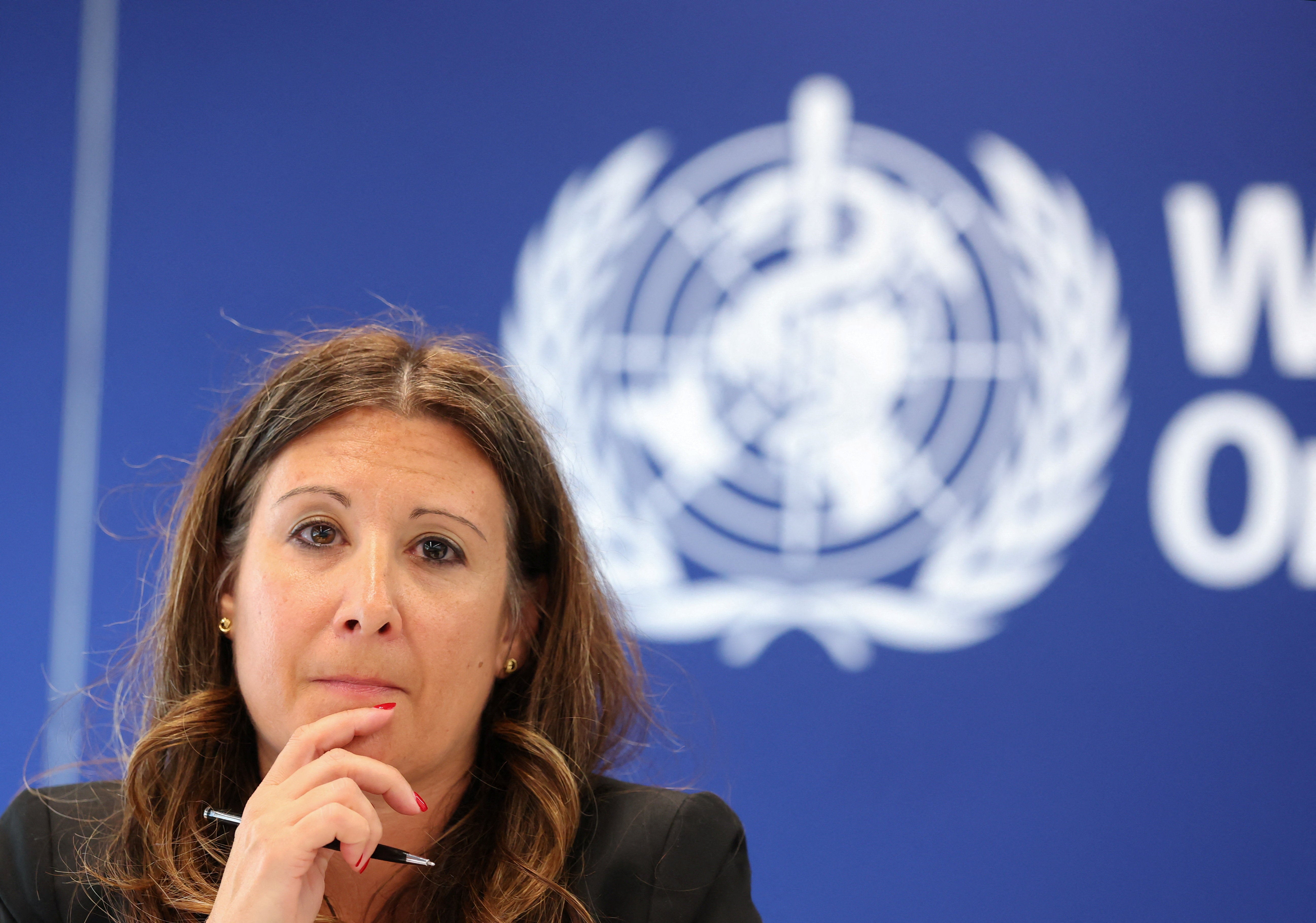
"We're working with the ship's operators, we're working with the nations from where they are from, to make sure that we have a plan for where the boat goes next, which will be the Canary Islands, and to make sure that there's a proper assessment that is done, that information is shared with them, that they receive food, they receive water, and of course that they're medically evaluated over the course of several weeks.
“We want to ensure that they are safe, we want to ensure that even if they are infected – and like we said, we have no other symptomatic people on board – to make sure that they will receive medical care.
“We do know that one of the viruses can transmit between people, but in previous outbreaks it's been quite limited – and when I say limited, I mean among close contacts or with prolonged contact.
“We have a working hypothesis that there's probably a mixture of different types of transmission.
“This is also a boat that went to many different islands. They were looking at wildlife, they were looking at birds, and on some of these islands there's rodents as well.
“So there could be a mixture of exposure to rodents in different places, but because some of the cases are close contacts, sharing cabins together, our assumption is that there's a bit of a mix.”
Hantavirus has an incubation period of up to eight weeks. Dr van Kerkhove said: “We're working with Spanish officials to actually develop that plan to make sure that there is a plan in place for an assessment on board once the ship docks in the Canary Islands to do a proper risk assessment.”
“It's not about docking and letting everybody go without any follow-up or any support.”
Rebecca Whittaker5 May 2026 08:45US travel blogger one of 17 Americans onboard
American travel blogger Jake Rosmarin, who has over 44,000 followers on Instagram, was aboard the ship when the suspected outbreak.
While onboard the ship, along with 149 passengers including 17 Americans, he shared a teary social media update.
“I am currently on board the MV Hondius, and what’s happening right now is very real for all of us here,” Rosmarin said in a video shared Monday on Instagram.

“We’re not just a story, we’re not just headlines. We’re people. People with families, with lives, with people waiting for us at home.”
“There’s a lot of uncertainty, and that’s the hardest part,” Rosmarin added.
“All we want right now is to feel safe. To have clarity, and to get home,” the blogger continued.
“If you’re seeing coverage of this, just remember that there are real people behind it and that this isn’t something happening somewhere far away…It’s happening to us right now,” he concluded the video.
Rebecca Whittaker5 May 2026 08:39South African officials start contact tracing
South Africa’s National Institute for Communicable Diseases was conducting contact tracing to identify whether people were exposed to infected cruise ship passengers.
The 69-year-old Dutch woman who died was trying to catch a flight home to the Netherlands at Johannesburg’s main international airport, one of Africa's busiest, when she collapsed.
Her blood later tested positive for the virus, making two confirmed cases, South Africa's health minister said.
But the health department urged people not to panic, saying WHO was “coordinating a multi-country response with all affected islands and countries to contain further spread of the disease".
There was no information yet from authorities on a possible source of the suspected outbreak.
Shweta Sharma5 May 2026 08:30Watch: British crew member needs urgent care as suspected hantavirus outbreak hits Atlantic cruise
What are the symptoms of hantavirus?
The symptoms of hantavirus can vary depending on its cause, but can be severe in all cases.
HPS, which affects the lungs, typically begins one to eight weeks after exposure. Early symptoms include fatigue, fever and muscle aches — particularly in the thighs, hips, back and shoulders. The symptoms can progress quickly and cause breathing problems as the lungs fill with fluid.
HFRS, which affects the kidneys, typically develops within one to two weeks of exposure, though in some rare cases it can take up to eight weeks. Early symptoms set in suddenly and can include intense headaches, back and abdominal pain, fever, chills, nausea and blurred vision.
The WHO has said the virus requires "careful patient monitoring, support and response."
Graig Graziosi5 May 2026 08:00WHO says there is 'no need for panic' as risk to public remains low
Three people have died and two cases of Hanravirus have been confirmed.
The virus is usually spread by infected rodents’ urine or faeces, but can spread between people and can lead to severe respiratory illness which can sometimes be fatal.
However, the World Health Organization has said the risk to the wider public remains low.
Hans Henri P Kluge, the WHO regional director for Europe said there is “no need for panic or travel restrictions”.
There is no specific treatment or cure, but patients have a better chance of survival if they receive medical attention early.
“Strict precautionary measures” are in place on board, including isolation measures, hygiene protocols and medical monitoring.
Passengers on the ship instructed to remain inside their cabins
Passengers aboard the Dutch-flagged expedition vessel MV Hondius have been instructed to remain inside their cabins, as operators race to contain a suspected hantavirus outbreak.
A spokesperson for Netherlands-based Oceanwide Expeditions said the precautionary confinement was aimed at limiting any potential spread of the virus.
While human-to-human transmission of hantavirus is considered rare, concerns persist due to its long incubation period – which can stretch over several weeks, allowing infections to go undetected in the early stages.
Oceanwide Expeditions was trying to arrange the repatriation of two crew members with symptoms of the disease, one British and one Dutch, along with the body of the German national and a "guest closely associated with the deceased" who does not have symptoms.
The company said it was looking into whether passengers could be screened and disembarked on the islands of Las Palmas and Tenerife.
Spanish authorities said they had not yet received a request for the ship to dock and disembark passengers there.
The Dutch Foreign Affairs Ministry, which Oceanwide Expeditions said would be the one making the request, did not immediately respond to a request for comment.
Shweta Sharma5 May 2026 07:30NewerOlderJoin our commenting forum
Join thought-provoking conversations, follow other Independent readers and see their replies
CommentsСхожі новини

Unsung heroes: Amish volunteers rebuild dozens of homes and bridges for free after Hurricane Helene in North Carolina

Подекуди бензин і дизель подорожчали одразу на гривню: скільки коштує пальне 5 травня
Українці збільшили попит на бензинові та гібридні авто: які моделі обирають
