As power flows through submarine cables, law of the sea must evolve
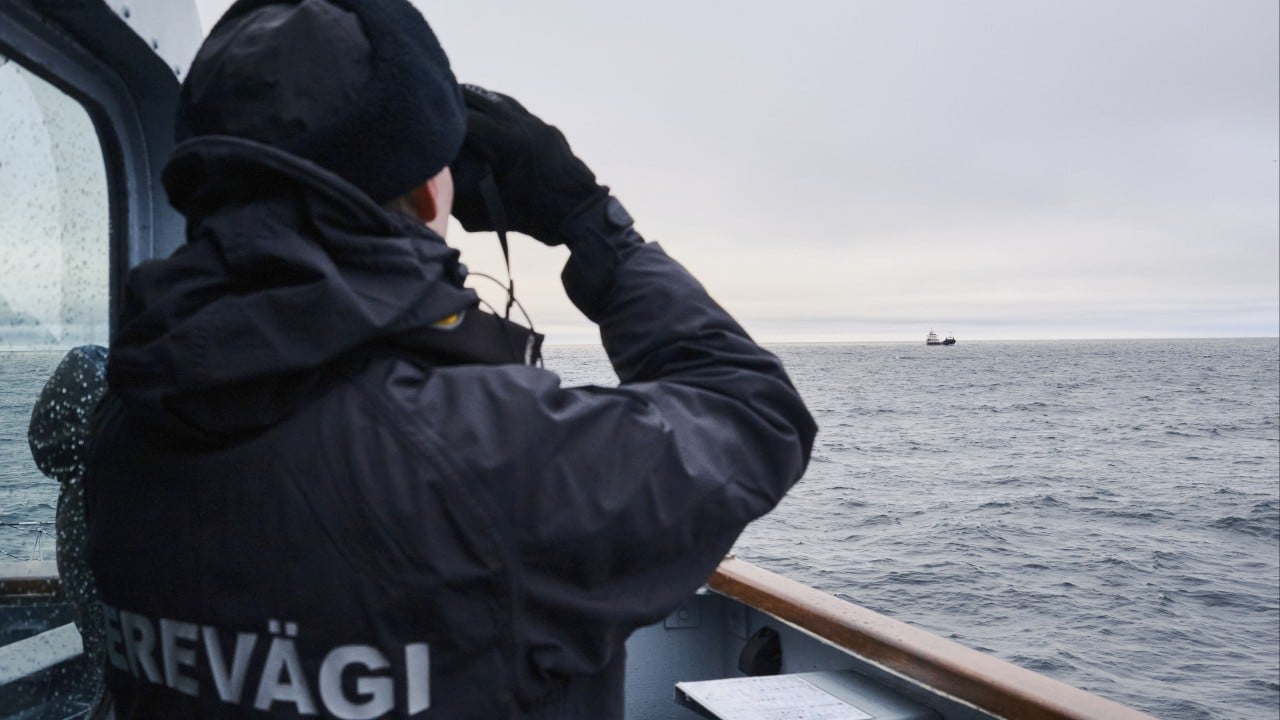

The global commons of the seabed is in effect being governed by private actors with the capital and tech to build and maintain cable systems
3-MIN READ3-MIN Listen
Beneath the surface of the world’s oceans lies an infrastructure so essential, modern life would stall without it – yet so invisible it rarely enters public debate. Submarine cables, slender fibre-optic systems laid across the seabed, carry over 95 per cent of global internet traffic, transmitting the data that underpins financial markets, diplomatic exchanges and everyday communication.
What appears to be neutral infrastructure is, in fact, a deeply political system – one that exposes a structural blind spot in the United Nations Convention on the Law of the Sea.Unclos was negotiated in a pre-digital era, when the ocean was primarily understood through the lenses of territory, navigation and resource extraction. It enshrines the freedom to lay submarine cables across the seabed, including areas beyond national jurisdiction. It did not anticipate a world in which these cables would evolve into dense, privately owned digital arteries.
AdvertisementToday, they are increasingly controlled not by states, but by powerful corporations whose infrastructural reach rivals sovereign authority. The result is a paradox: the seabed, legally open as a global commons, is functionally governed by those with the capital and technological capacity to build and maintain cable systems.
Submarine cables are often described as the backbone of the internet but this understates their geopolitical weight. Beyond conduits of information, they are strategic infrastructure that structures global power itself. Financial systems, military operations and diplomatic communications rely on their uninterrupted function. In an era of real-time data dependency, even temporary disruptions can produce cascading systemic risks across markets and governments.AdvertisementRecent incidents in the Asia-Pacific highlight the growing vulnerability of submarine cable infrastructure. Unexplained disruptions have resulted in widespread connectivity outages, affecting multiple economies at once. While official accounts often attribute these incidents to accidental damage or natural causes, their frequency and timing have prompted policymakers to consider the possibility of more complex risks, including hybrid threats to critical infrastructure.
01:29
Taiwan coastguard detains mainland Chinese crew after undersea cable damaged
Taiwan coastguard detains mainland Chinese crew after undersea cable damagedAdvertisementSelect VoiceSelect Speed0.8x0.9x1.0x1.1x1.2x1.5x1.75x00:0000:001.00xСхожі новини

У Сумській громаді 7 травня оголосили днем жалоби

Трамп назвав умови, які мають бути виконані Іраном для укладення угоди по завершенню війни

Чай чи кава: вчені дізналися, який напій може знизити ризик переломів у жінок 50+