You’re right to feel suspicious: Wordle is the TV spinoff the world does not need
The game already feels like a relic – so I suspect the TV gameshow will be very annoying indeed. But perhaps this is what newspapers need to stay afloat
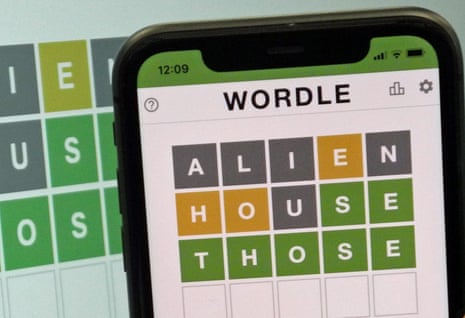
Anyone who has watched television knows that late-night talkshow hosts have a habit of pulling entertainment formats from the barest of inspirations. James Corden got Carpool Karaoke from the act of singing songs in the car. Jimmy Fallon got Lip Sync Battle from the act of mouthing along to songs in the mirror. And now Fallon has struck again. He’s making a Wordle gameshow. It’s based on Wordle, that puzzle you used to do while sitting on the toilet.
Fallon’s production company, Electric Hot Dog, has acquired the rights to Wordle and will turn it into a show where teams compete to solve puzzles for cash. The show will film in Manchester, England, this summer and debut on NBC next year.
On one hand, this makes a lot of sense. Wordle is a brand with global recognition, which means the TV adaptation won’t have to go through the messy business of explaining the rules to viewers every episode. Wordle’s success is down to its intuitiveness. Unless you happen to be red-green colour-blind, Wordle is easy enough that even children can pick it up in a couple of seconds.
There is also the fact that Wordle isn’t truly original. It’s a game where you have to pick letters to fill a word, so in that sense there’s not much separating it from Wheel of Fortune (on TV for 51 years and counting), which was in turn based on Hangman (first mentioned in print 124 years ago). Both of those have proved to have exceptional longevity; perhaps Wordle will, too.

However, you’d be right to feel suspicious about this new avenue. The description of the show describes teams of players taking part, but Wordle is by nature a solitary pursuit. It’s a game that relies upon the connection of one person and their phone, plus the bespoke tactics that person has honed. There are players who like to start each game with a new starter word; there are those with high-yield starters such as “Slate” or “Video” who refuse to deviate from them.
There are players who find value in flukeing their way to an early victory and others who enjoy grinding out a solution using the maximum six guesses. A TV gameshow has to set rules like this in stone; ignoring one approach will only alienate viewers. As a colour-blind video-loving grinder, I suspect I may find much to be annoyed by.
What’s weird about this announcement is that Wordle already feels like a relic. It is approaching its fifth birthday, but in that time it has gone from being a scrappy upstart that people shared on Twitter to a million-dollar acquisition that nobody shares on X because using social media in 2026 feels like cleaning a sewer with your bare hands.
Perhaps that is why the game has made it to TV. Forbes has framed the move as a necessary diversification tactic by a medium caught in a permanent death spiral. It is now a New York Times property, and newspapers need to keep money coming in. If the only way to keep funding investigative journalism is to take a diverting game and sell it to Fallon, then so be it.
In fact, don’t be surprised if more publications start doing the same. The Guardian has Wordiply, for example; maybe we could further bolster our financial future by shopping it around to TV companies. Or perhaps we could start adapting our other non-news features into entertainment formats. Maybe we could pitch a Dining across the divide show, or a Jeremy-Kyle-style You be the judge series. What about a show called Liveblog This, where players have to run a commentary on something they’ve never seen before, while typing as fast as they can as their children pester them for snacks? If this is the future of newspapers, at least we have plenty of options.
Explore more on these topicsShareReuse this contentСхожі новини

Трамп "серйозно розглядає" можливість зробити Венесуелу 51-м штатом США, – медіа

Crimson Desert виконує одне з найбільших прохань гравців у свіжому оновленні

Забудьте про мінімалізм: як відтворити головний тренд у дизайні інтер'єрів