Workers' health isn't the only thing at risk of job strain — the economy is too, study finds

 Facebook
 Twitter
 Flipboard
 Send
Send
 Reddit
 Linkedin
 Messenger
 Telegram
 VK
VK
 Bluesky
 Threads
 Whatsapp
Copy/paste the article video embed link below:
Whatsapp
Copy/paste the article video embed link below:
 Copied
As Europe marks Labour Day, work strain is taking a deadly toll on employees worldwide. From burnout to anxiety, many Europeans say they dare not speak out about their concerns for fear of negative consequences.
More than 840,000 people die each year from health conditions linked to job strain, such as long working hours, job insecurity and workplace harassment, according to a new International Labour Organization (ILO) study.
 ADVERTISEMENT
ADVERTISEMENT
ADVERTISEMENT
These psychosocial risks can cause depression, burnout and cancer among workers, while companies are in turn hit with lower staff retention, suffering work performance and absenteeism.
While cardiovascular diseases cause most of the attributable deaths, mental disorders are most likely to cause workers to lose healthy life years, reflecting their chronic and disabling nature.
This results in an estimated loss of 1.37% of global GDP and of 1.43% in Europe and Central Asia, the second-highest region worldwide.
In Europe, nearly one in three workers reports job-related stress, depression or anxiety, with women reporting these problems more frequently than men.
Stigma around mental health remains a major global barrier to prevention and support at work, according to the ILO report.
In the EU, the annual costs of work-related depression are estimated to exceed €100 billion, with employers bearing more than 80% of the burden.
More than six in 10 workers in Greece, Cyprus, France and Italy fear negative consequences if they discuss mental health with their manager, according to a 2025 survey by the European Agency for Safety and Health at Work.
In contrast, in the Nordic countries, around eight in 10 workers feel comfortable doing so.
RelatedAutonomy in the workplace
Other research sheds light on how in control of their working lives Europeans feel.
In Europe, half of men report having some control over their working hours, compared with 43% of women, according to a 2025 Eurofound study.
Meanwhile, 17% of workers in the EU report a lack of autonomy or influence over work pace and processes.
Europeans are also split on whether they believe technology to be a help or a hindrance in the workplace.
Some 48% say that it sets the work pace, while 19% say it reduces opportunities to use their knowledge and skills, and 16% say it limits decision‑making, according to the European Agency for Safety and Health at Work.
Across Europe, the share of workers reporting monotonous work tasks increased from 39% in 1995 to 48% in 2024.
Sectoral results at the EU level indicate particularly high exposure in agriculture (60%), transport (56%) and commerce and hospitality (53%).
Go to accessibility shortcuts Share CommentsRead more
Which European countries have the best salaries after taxes?
Renewable energy: While Trump opposes wind energy, how many jobs is clean energy providing the EU?
Working while studying: Which EU countries have the highest rates and why?
Схожі новини

Rozetka отримає 25 млн євро кредиту від ЄБРР на розвиток в Україні та Польщі
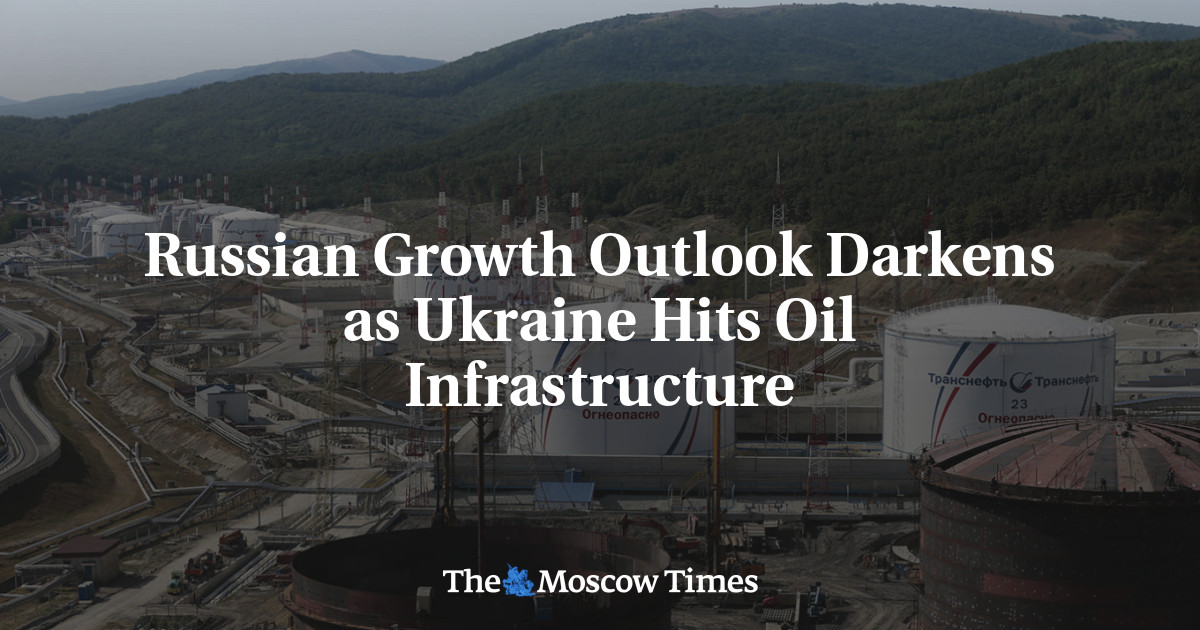
Russian Growth Outlook Darkens as Ukraine Hits Oil Infrastructure
