Why US may regret pushing allies towards greater defence autonomy
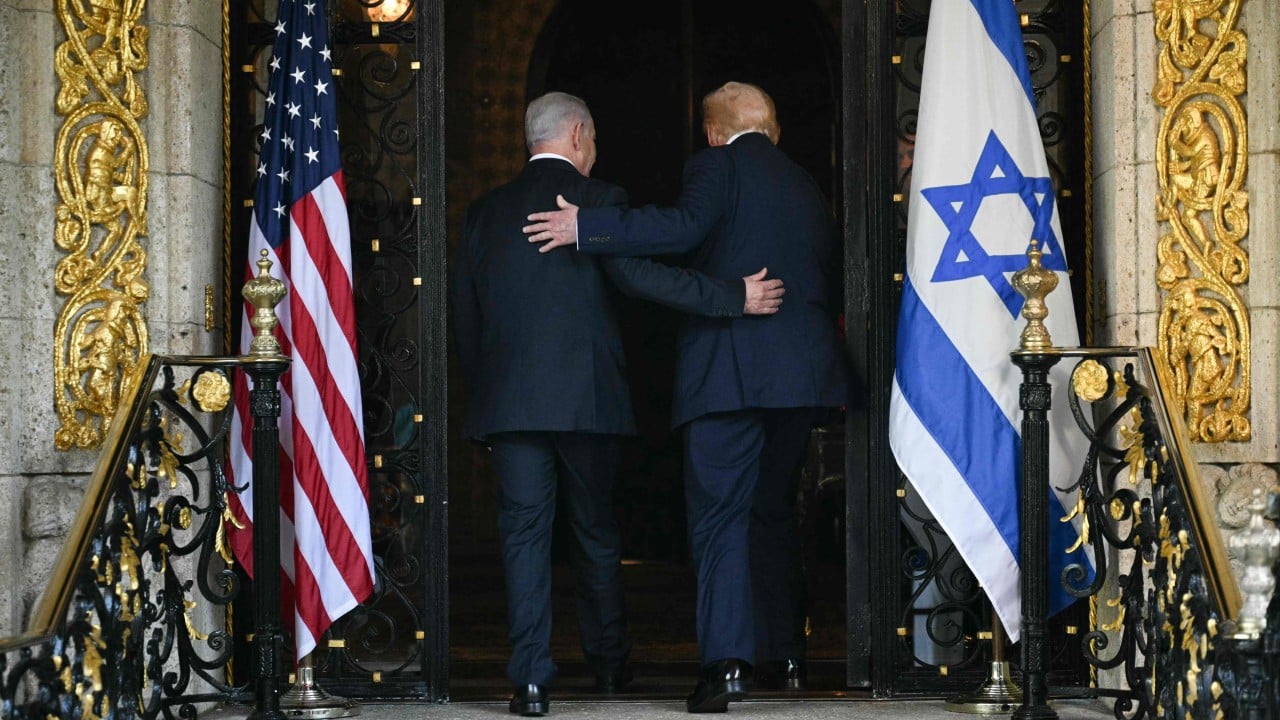

The challenge for US policymakers in the aftermath of Trump’s presidency may be to restore US importance among like-minded countries
3-MIN READ3-MIN Listen
The need for the United States to start offloading some of its global responsibilities did not begin with Donald Trump.
More than a decade ago, when working as a journalist and graduate student, I heard from political scientists and other observers of US foreign relations that allies would, at some point, need to rely less on Washington and start boosting their own defence budgets; this was particularly true of America’s European and East Asian allies, facing US adversaries in Russia and China.
Trump was, however, the first major post-Cold War presidential candidate to reject key planks of the US’ unipolar moment – campaigning on a promise that more of the country’s bilateral dealings would serve American interests directly, and accusing partners of taking advantage of US support.AdvertisementIn terms of what the alternative would look like, US Defence Undersecretary of Elbridge Colby has probably offered the clearest explanation, singling out two “model allies” seeking to bolster their warfighting capacity, and not expecting the US to fight their battles for them. One country he singled out for praise was South Korea, which has recently boosted its defence spending in line with US objectives. The other? Israel.One could say this declaration has not aged well. Whether to offload responsibility or show the deep and abiding nature of their cooperation, officials such as US Secretary of State Marco Rubio have noted the influence of Israel’s government in convincing Trump that an attack on Iran would not only lead to Tehran’s downfall but that another, more cooperative Iranian leadership, could replace it.
AdvertisementTrump embraced these talking points, as eagerly as he embraced talk of Israeli Prime Minister Benjamin Netanyahu’s innocence of assorted corruption charges he has avoided facing, arguably due to electoral success.AdvertisementSelect VoiceSelect Speed0.8x0.9x1.0x1.1x1.2x1.5x1.75x00:0000:001.00xСхожі новини