Why Saudi Arabia is withdrawing from sport
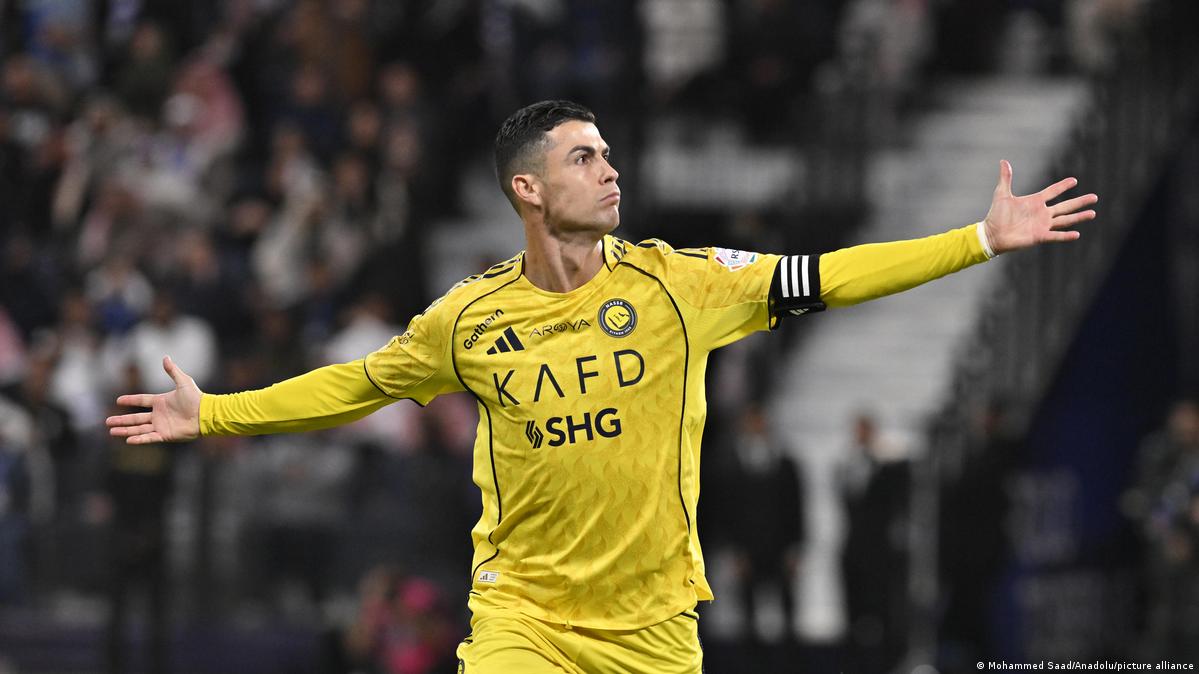
Saudi Arabia's enormous investment in everything from football to snowboarding has been one of sport's major themes in the last decade.
The oil-rich Gulf state offered astronomical wages to footballers in the twilight of their careers, won the right to host football's World Cup after developing strong ties with FIFA, bought a Premier League club, split the golf world and sought to host all manner of events, from snooker, through women's tennis to wrestling.
The splurge was tied to the country's recently adjusted Vision 2030, a strategy to diversify its interests away from oil, and is widely considered to be a form of sportswashing, by which a country uses sports to distract from allegations of human rights abuses.
Which sports has Saudi Arabia withdrawn from?
The most high-profile withdrawal came in golf last week. LIV Golf, operated by the Saudi Public Investment Fund (PIF), an arm of the state, was canned, with PIF noting that the "substantial investment" required by the event over a longer term is "no longer consistent with the current phase of PIF's investment strategy." Founded in 2021, LIV split away from the established PGA Tour and tempted away some of its top players with huge pay packets. With LIV folding, the passage of those players back to the PGA Tour is a point of some contention.
In football, the PIF sold a 70% stake in Saudi Pro League side Al Hilal in April, framing it as a "strategy to maximize returns and redeploy capital within the domestic economy." The PIF has made no move to sell English club Newcastle United and appears to want to keep up some investment in football ahead of hosting the 2034 World Cup. Other popular sports, such as MMA, appear on safer ground for now too.
But several events originally scheduled for the kingdom will no longer be held there. Snooker's Saudi Arabia Masters was canceled last week, two years into a 10-year deal; the women's tennis association (WTA) has had funding pulled and a season-ending event struck off; and Saudi Arabia has abandoned plans to host the 2035 Rugby World Cup and the Asian Winter Games in 2029.
Why is Saudi Arabia stopping investment in sports?
The reasons appear to be both economic and political. Last week, PIF Governor Yasir al-Rumayyan said it was "reviewing its investments and deals" and "reassessing its priorities" as a result of the fallout of the US-Israel war on Iran in the Midde East as well as minimal returns on sporting investment.
"The 2026-30 strategy marks a natural evolution as PIF moves from a period of rapid growth and acceleration to a new phase of sustained value creation, with a strengthened focus on maximising impact, raising the efficiency of investments, and applying the highest standards of governance, transparency and institutional excellence," the PIF said in a press release.
As is the Saudi style, al-Rumayyan is also the chair of Newcastle, Saudi Arabia's state oil company Aramco and its largest mining company, Ma'aden. He is a close ally of Saudi ruler Crown Prince Mohammed bin Salman. These sorts of intertwined jobs and relaltionships help the government keep control of their sporting assets, while Aramco are also a sponsor of multiple high-profile sporting events. Such widespread and diverse investment makes unpicking Saudi Arabia's relationship with sport tricky.
Why has Saudi Arabia's investment in sports been controversial?
Human Rights Watch (HRW), in line with most other rights organizations, sees it as a clear case of sportswashing.
"PIF investments in high-profile sports and entertainment events domestically and internationally are used to whitewash the country's abysmal human rights record," according to HRW.
While there has been some dissent across the sporting world, Saudi money has been able to move quite freely in most sports. In football, Saudi Arabia has had to develop a close relationship with global governing body FIFA, but other more cash-strapped sports have found it impossible to resist the financial lure. Critics have sometimes argued this leaves many sports in a precarious position should the Saudi cash tap be turned off, as is happening now.
What other sports could be in danger of losing Saudi funding?
Formula One may be looking over its shoulder, with the Saudi Arabia Grand Prix canceled in April as a result of the war in Iran. As well as the race, the PIF has a stake in two teams and Aramco is a major F1 sponsor. Horse racing, chess, handball and many other sports are also reliant to some degree on a sporting relationship with Saudi Arabia.
From the noises made by the PIF it seems that these, and other sports running on Saudi investment will need to show a profitability that they haven't before if they are to escape becoming the next LIV Golf.
Edited by: Chuck Penfold
AdvertisementСхожі новини
Cooler, Variable Week Ahead: Met Office says northerly winds will cut UK warmth; frosts and showers follow
Russia offers Ukraine May 8-9 ceasefire amid WWII anniversary, but threatens major reprisals in same breath

'Can a neighbor hear a gunshot?': Chilling forensic details emerge in murders of two Bangladeshi students in US