Why more Singapore graduates are choosing jobs below their qualifications: ‘it’s meaningful’
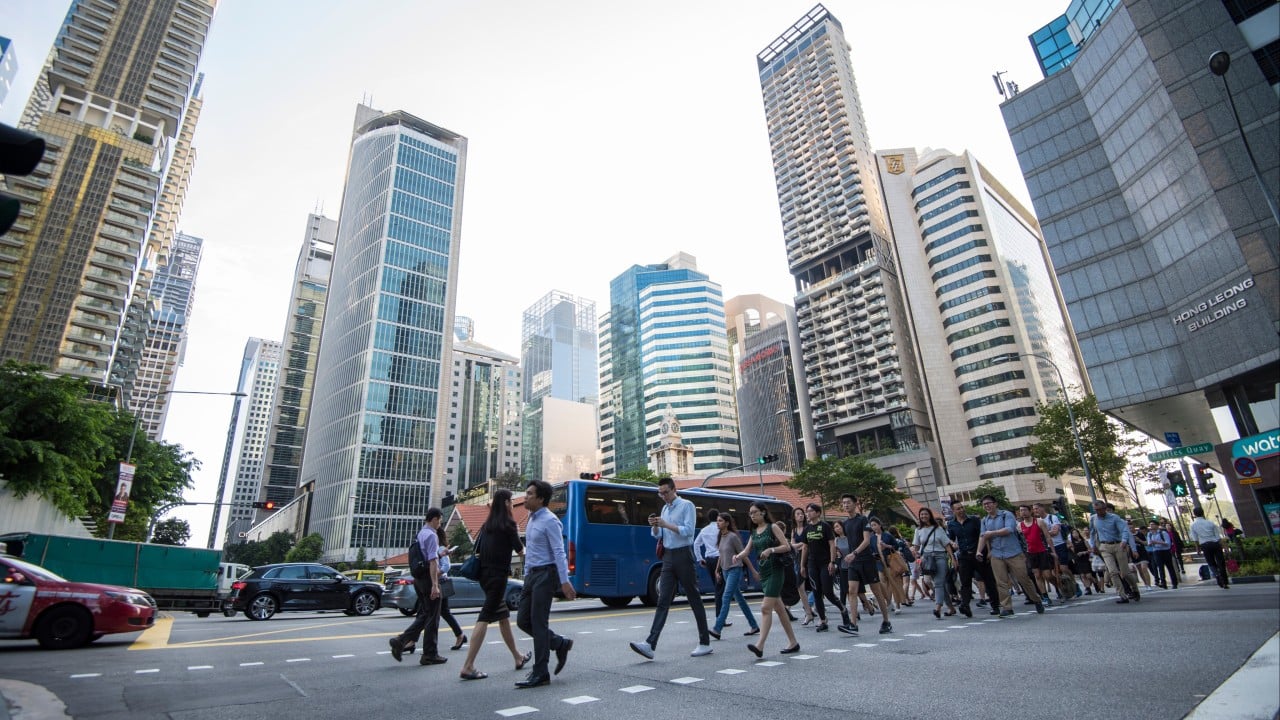
A new survey shows 19.4 per cent of Singapore’s resident workforce had academic qualifications beyond what was required for their job in 2025
4-MIN READ4-MIN Listen
Instead, he became a full-time barista.
“I considered going into human resources, since that was what I specialised in at university, but I discovered my interest in making coffee during my part-time job,” said Neo, 29, who majored in business at Singapore’s Nanyang Technological University.
Advertisement“I gave myself a chance to pursue being a barista full-time, and told myself if it didn’t work out I’d go back to finding a corporate job.”
Neo is among a growing group of workers in Singapore whose academic qualifications exceed what is formally required for their jobs – a trend analysts say should not be read simply as labour-market mismatch but as a sign of shifting worker priorities, uneven returns on degrees and the limits of measuring job fit by education alone.
AdvertisementAccording to a survey by the manpower ministry released earlier this month, 19.4 per cent of Singapore’s resident workforce had academic qualifications beyond what was required for their job in 2025, an increase from 16.3 per cent in 2015.
Survey findings, which collated responses from about 33,000 households, showed that about nine in 10 overqualified workers were voluntarily overqualified, with top reasons cited being job stability, the ability to use their skills and interesting work.
AdvertisementSelect VoiceSelect Speed0.8x0.9x1.0x1.1x1.2x1.5x1.75x00:0000:001.00xСхожі новини
U.S. orders chip equipment companies to halt some shipments to China's Hua Hong
China races to build record biobank to rival U.S. drugs research
AI tool that reads your face could help doctors predict cancer survival, study finds
