Rather than encourage energy consumption amid the effects of the Iran war, the city should also speed up the move to greener public transport
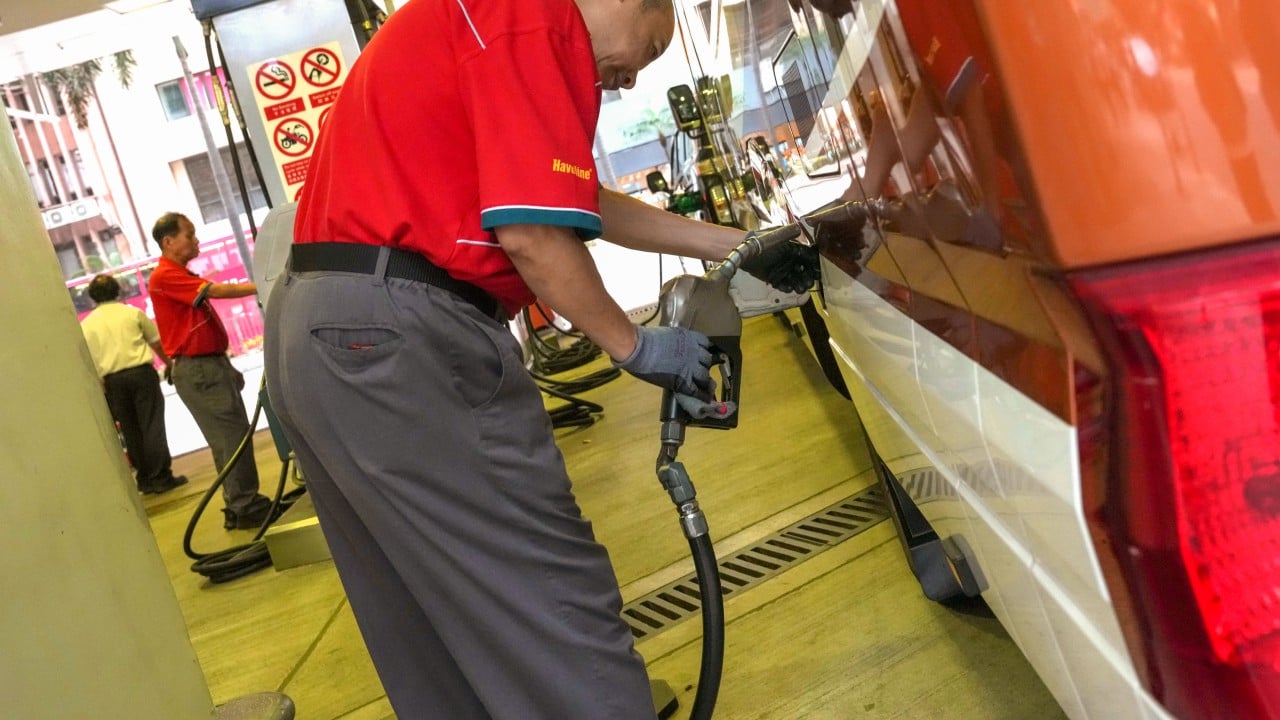
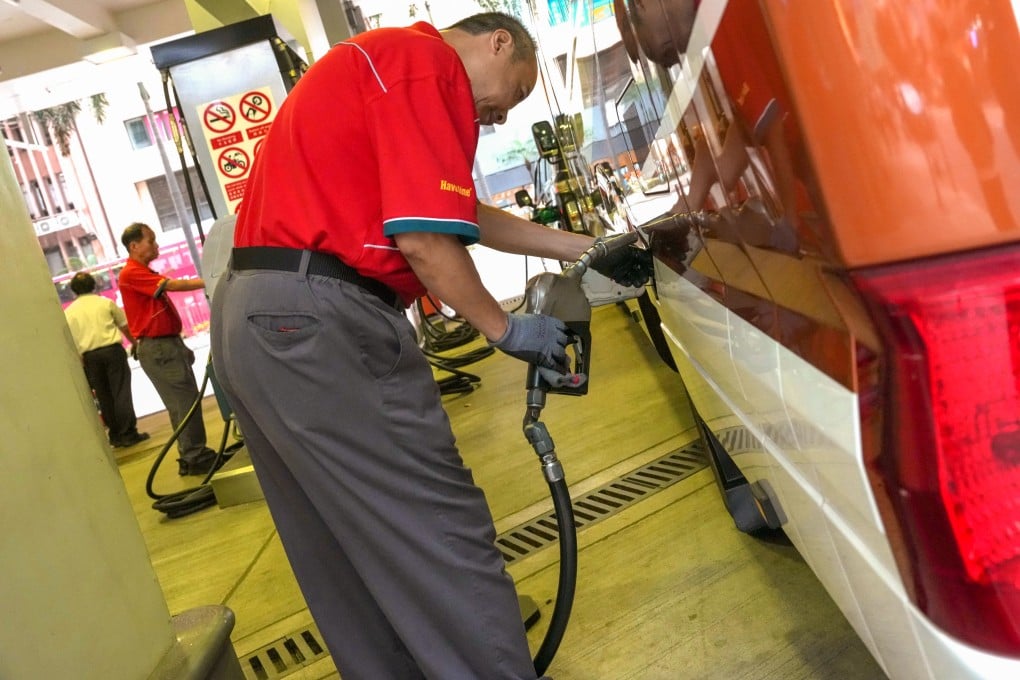
3-MIN READ3-MIN ListenMike RowseMike Rowse has lived in Hong Kong since 1972, and is a naturalised Chinese citizen. Published: 4:30pm, 3 May 2026Hong Kong should not renew the HK$3 per litre diesel subsidy when it expires at the end of June. Instead, it should use the funds to launch a crash programme to accelerate electrification of public transport, starting with the minibus fleet.The crisis in the Middle East has had a serious impact on fuel prices. In response, a government task force has recommended a package of measures to provide temporary relief, including the diesel subsidy to be paid directly to local fuel companies and a 50 per cent cut in tunnel tolls for commercial vehicles. There is no relief for petrol-driven vehicles or private cars. The diesel subsidy alone will cost HK$1.8 billion (US$229.7 million).While the measures are no doubt well intended and will be welcomed by the public in the short term, there are several fundamental problems with such subsidy schemes. This one in particular has weaknesses, not least that sooner or later – in this case, quite quickly – it will become fiscally unsustainable. There are other, more compelling areas where a degree of subsidy might become inevitable and which should have priority.AdvertisementThe problem all subsidy schemes have in principle is that they distort market forces. The increase in prices is telling us that it is more difficult to export oil and gas from the Gulf because of the war launched by the United States and Israel against Iran. Around a fifth of the world’s oil passes through the Strait of Hormuz but because it is now effectively closed, there is a global shortage which is pushing up prices. Softening the blow by limiting retail price increases is all very well, but it does nothing to shorten the war.This brings us to the next weakness: nobody knows when the war will end, not even the participants. The two sides are far apart in their negotiating positions, and even the task of getting talks going is proving difficult. The one round facilitated by Pakistan was conducted indirectly, with both sides conveying their stance to the intermediary and indirectly to each other via the media.AdvertisementThe only thing we do know for certain at this stage is that even when the fighting stops, it will take a long time – many months at least – for the infrastructure damaged by the hostilities to be repaired.AdvertisementSelect VoiceSelect Speed0.8x0.9x1.0x1.1x1.2x1.5x1.75x00:0000:001.00x
 Світ
Світ