Why Beijing wants provinces to find their own ‘productive forces’

Beijing wants provinces to compete, but not across identical wish lists. Whether that works will become visible over the next five years
3-MIN READ3-MIN Listen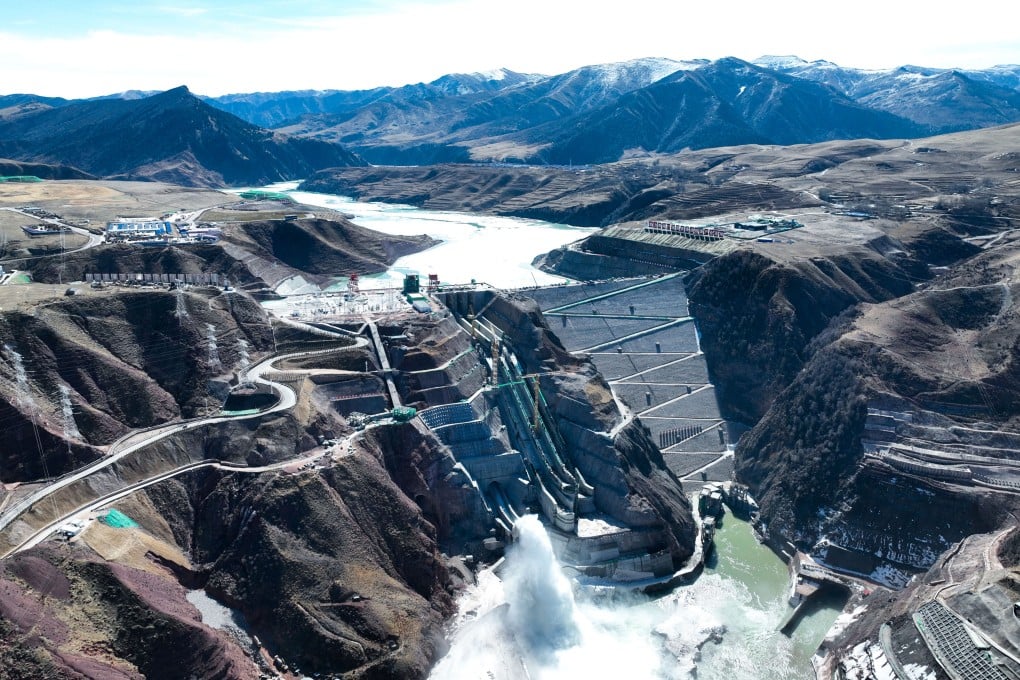
The central government wants provinces to find their rightful place in national development and act in accordance with their local conditions. In the official vocabulary, each locality should “leverage its strengths”, utilise its comparative advantage and contribute to the national economy from a differentiated position.
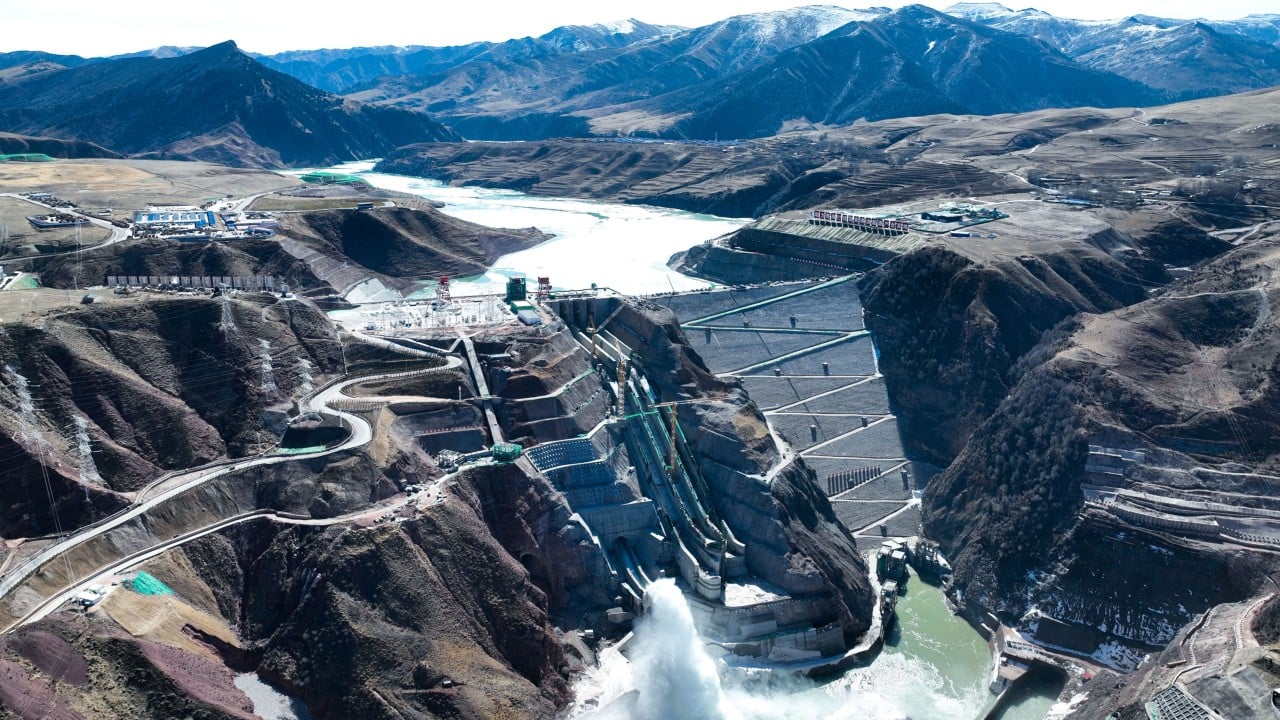
AdvertisementThe examples are carefully chosen. Qinghai province is not being told to become another manufacturing base. Rather, its ecological constraint is intended to be its competitive advantage. Its cold climate and high-altitude environment are reframed as assets for green computing.Ningxia Hui autonomous region’s renewable energy base could attract capital. Since installed renewable capacity already exceeds 60 per cent and is planned to exceed 65 per cent, Ningxia similarly offers a support system for green computing and the digital economy.
AdvertisementNanjing, capital of Jiangsu province, has been assigned a different role. Its task is not to provide cheap land but to build a system that moves scientific results from the laboratory to the production line. The city is praised for its pilot test platforms, technology services and an 8.4 billion yuan (US$1.2 billion) support system for biomedicine technology transfer. In other words, Nanjing cadres are presented as brokers between universities, firms, laboratories, hospitals and capital.
AdvertisementSelect VoiceSelect Speed0.8x0.9x1.0x1.1x1.2x1.5x1.75x00:0000:001.00xСхожі новини

Quote of the day by Plato: “We can easily forgive a child who is afraid of the dark; the real tragedy of life is when men are afraid of the light.”

B1/B2 visa update: US Consulate opens priority slots for parents aged 50 years and above

White House press secretary Karoline Leavitt announces birth of her daughter Viviana