AdvertisementTaiwanChinaPoliticsWhy Beijing now wants its spies executed in Taiwan back in the spotlight
Mainland China is seeing a surge in interest over ‘invisible martyrs’ such as Wu Shi, a KMT defector who was executed in Taipei in 1950
6-MIN READ6-MIN ListenXinlu Liangin FuzhouPublished: 6:00am, 2 May 2026Updated: 8:49am, 2 May 2026Fujian province, the closest mainland Chinese province toTaiwan, is an important site for Beijing’s messaging towards the island. In the first of a two-part series,Xinlu Liangexamines how Beijing is framing the executions ofCommunist Partyspies in Taiwan within a reunification narrative.
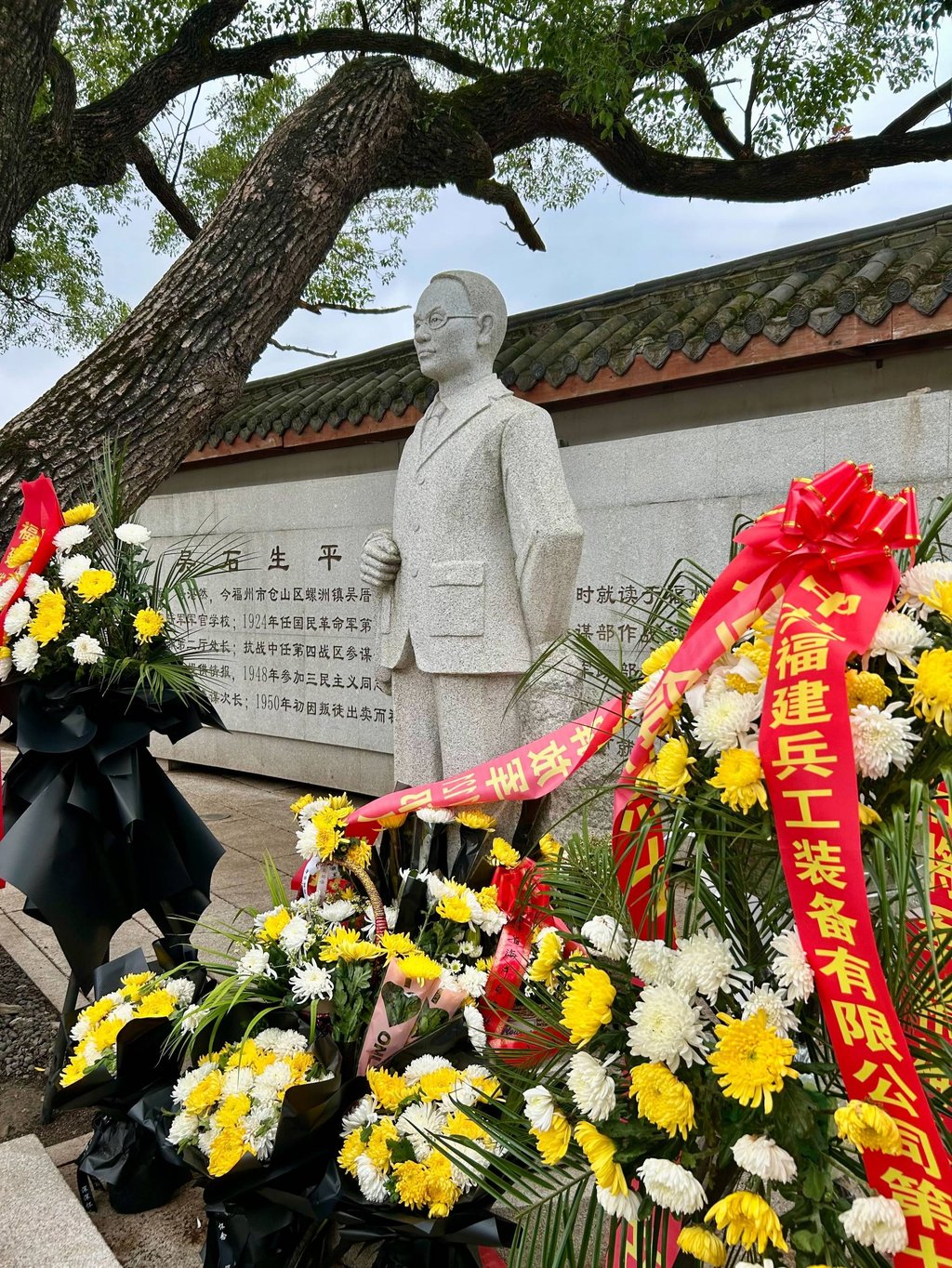
A courtyard house in an old quarter of Fuzhou, capital of the southeastern Chinese province of Fujian, has become the unlikeliest of national pilgrimage sites.
For decades, the residence at No 1 Jiangqiandeng in Luozhou town, Cangshan district, was a crumbling relic, housing nearly a dozen families who lived among peeling paint and rotting wood close to the tree-lined banks of the Min River.
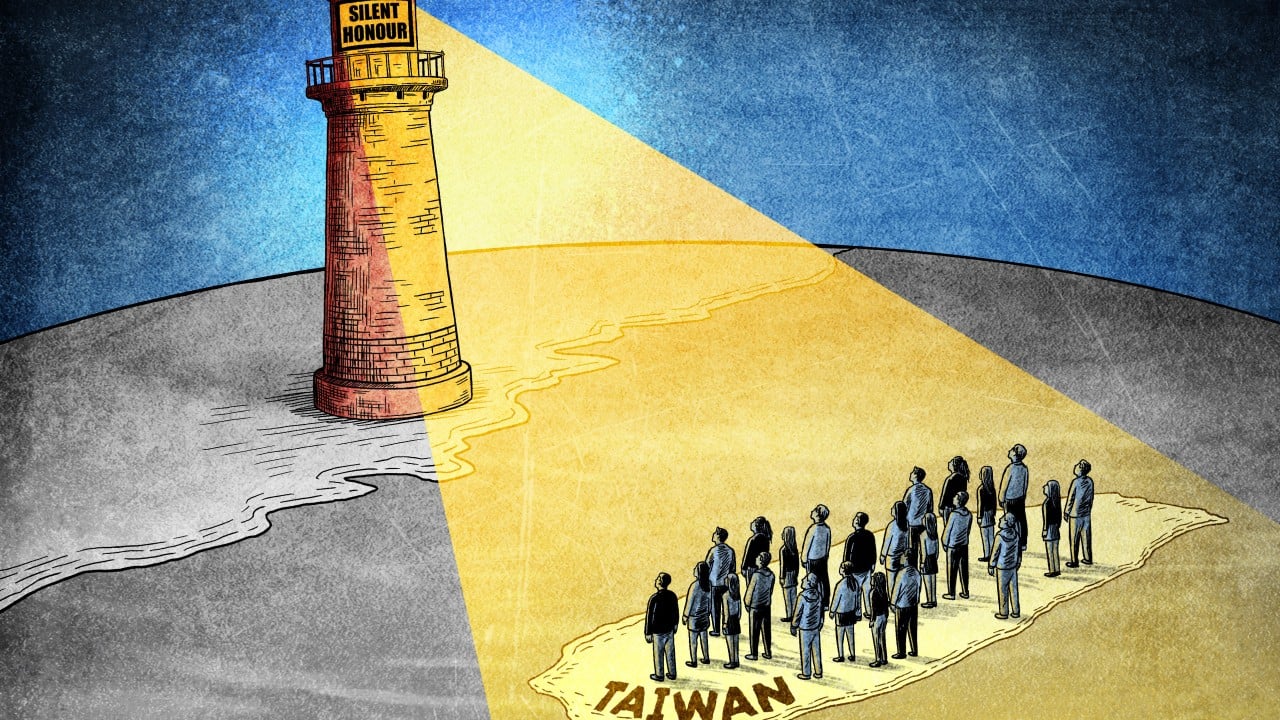
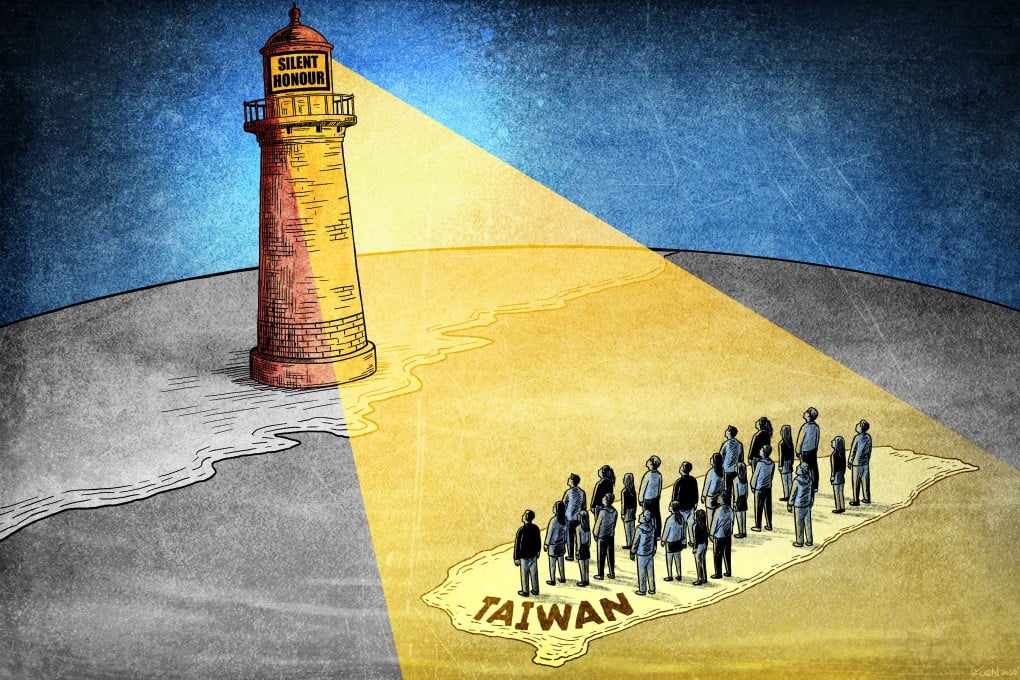
AdvertisementBut in October, everything changed thanks to a hit drama, Silent Honour, about Communist spies executed in Taiwan, one of whom, Wu Shi, used to live there.The following month, the families were moved out and in a frantic three-month burst of activity the property was renovated. It opened its doors in early February, just in time to greet the rush of visitors – up to 20,000 a day – over Chinese New Year.Advertisement
Since April, it has since been designated as one of the country’s 25 “National Security Education Bases” – sites used to promote national security awareness.
The former residence of Communist Party spy Wu Shi, who was executed in Taiwan in 1950, has become a popular tourist destination in Fuzhou, capital of the southeastern mainland Chinese province of Fujian. Photo: Xinlu LiangAdvertisementSelect VoiceSelect Speed0.8x0.9x1.0x1.1x1.2x1.5x1.75x00:0000:001.00x