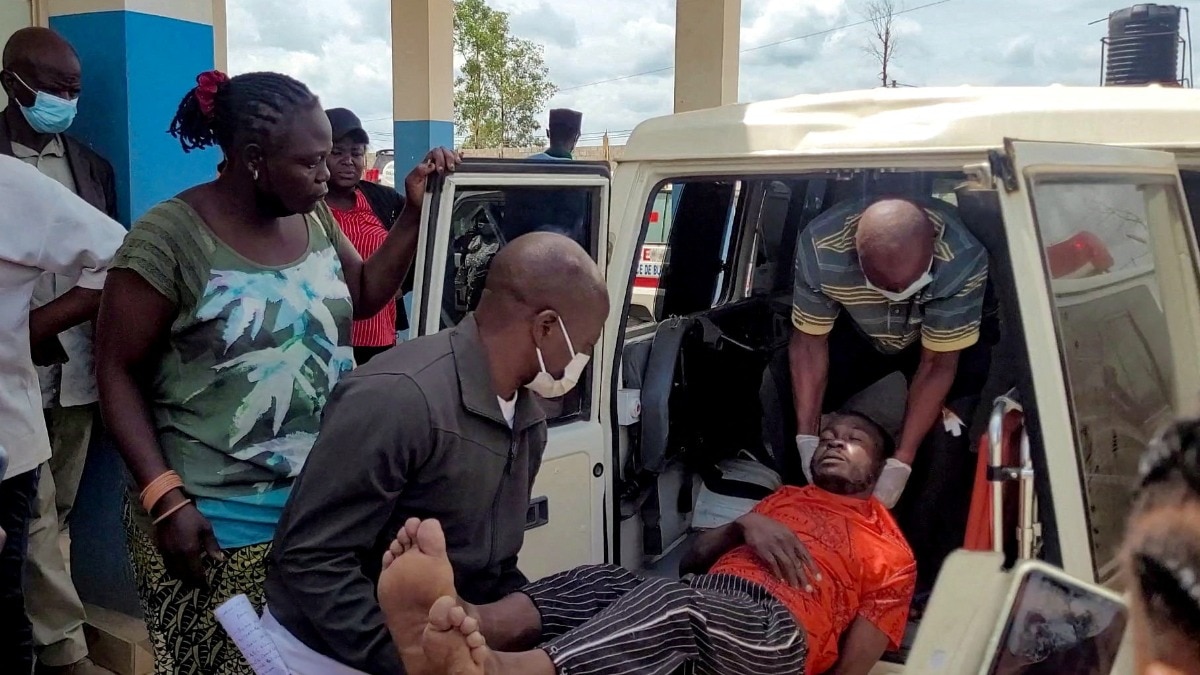
WHO declares international emergency over Ebola outbreak
The World Health Organization (WHO) on Sunday declared an Ebola outbreak in the Democratic Republic of Congo (DRC) and Uganda a "public health emergency of international concern."
The WHO said the outbreak does not meet the criteria of a pandemic emergency but warned countries sharing land borders with DRC are at high risk for further spread.
'Very high lethality rate'
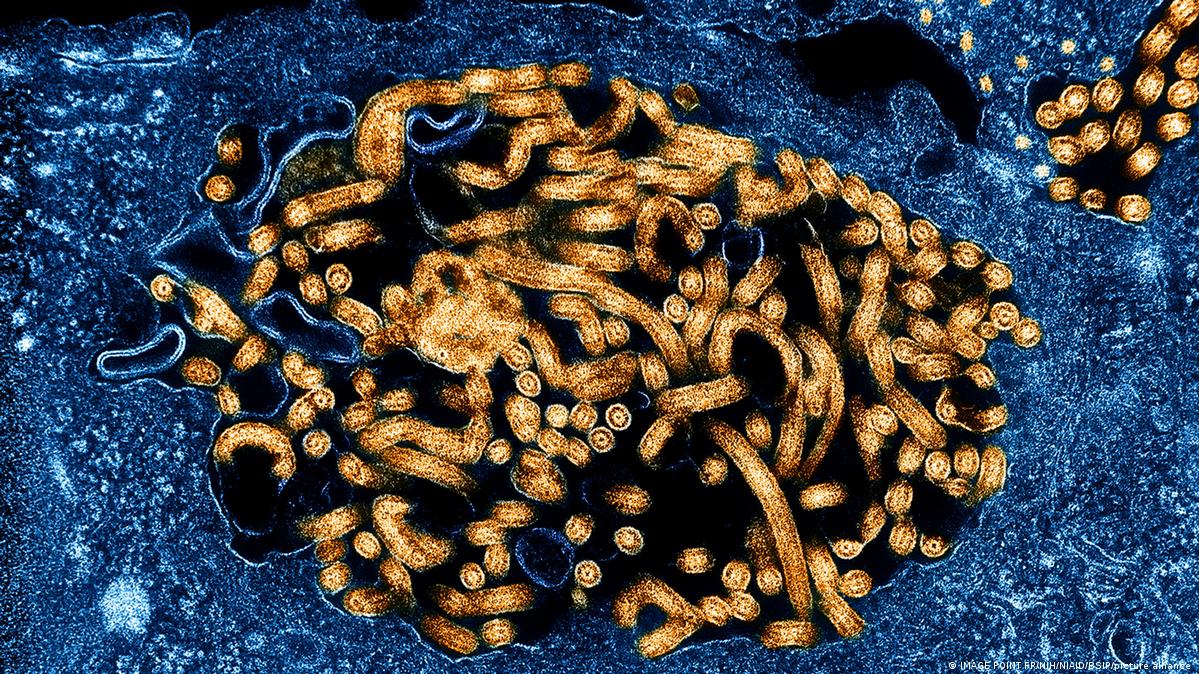
The flare-up, caused by the Bundibugyo virus, has killed dozens in the DRC, the UN health agency said in a statement.
There were 80 suspected deaths, eight laboratory-confirmed cases and 246 suspected cases as of Saturday in the DRC's Ituri province.
"The Bundibugyo strain has no vaccine, no specific treatment," DRC's Health Minister Samuel-Roger Kamba was quoted by the AFP news agency as saying. "This strain has a very high lethality rate, which can reach 50%."
Uganda's capital, Kampala, also recorded two laboratory-confirmed cases, including one death, on Friday and Saturday, of people traveling from the DRC, the WHO said.
One Health: Pandemic prevention research in Africa
To view this video please enable JavaScript, and consider upgrading to a web browser that supports HTML5 video
What to know about Ebola
Ebola, which is believed to have originated in bats, can cause severe bleeding and organ failure.
The virus spreads from person to person through bodily fluids or exposure to the blood of an infected person.
This is the 17th Ebola outbreak to hit the DRC.
The disease has killed around 15,000 people in Africa over the past 50 years.
Much larger outbreak?
The WHO said the outbreak could be much larger than what is currently being detected and reported.
It pointed to the high positivity rate of the initial samples and the increasing number of suspected cases being reported.
Medical aid group Doctors Without Borders (MSF) described the rapid spread of the outbreak as "extremely concerning." The NGO said it was preparing a "large-scale response" to deal with the crisis.
The WHO said the outbreak also poses a health risk to other countries.
It called on nations to activate their national disaster and emergency-management mechanisms and undertake cross-border screening.
At the same time, the global health body urged countries not to close their borders or restrict travel and trade out of fear. It said such measures could backfire and lead to people and goods making informal border crossings that are not monitored.
Edited by: Sean Sinico
AdvertisementСхожі новини

Thailand Open: Satwik and Chirag's title drought continues with final heartbreak

Chinmayi says Karuppu dubbing triggered memories of Vijay, Trisha's Leo controversy

Video: Murder-accused pulls out knife, attacks Punjab cop in escape bid, shot dead