What the China-US stability pact means for Southeast Asia
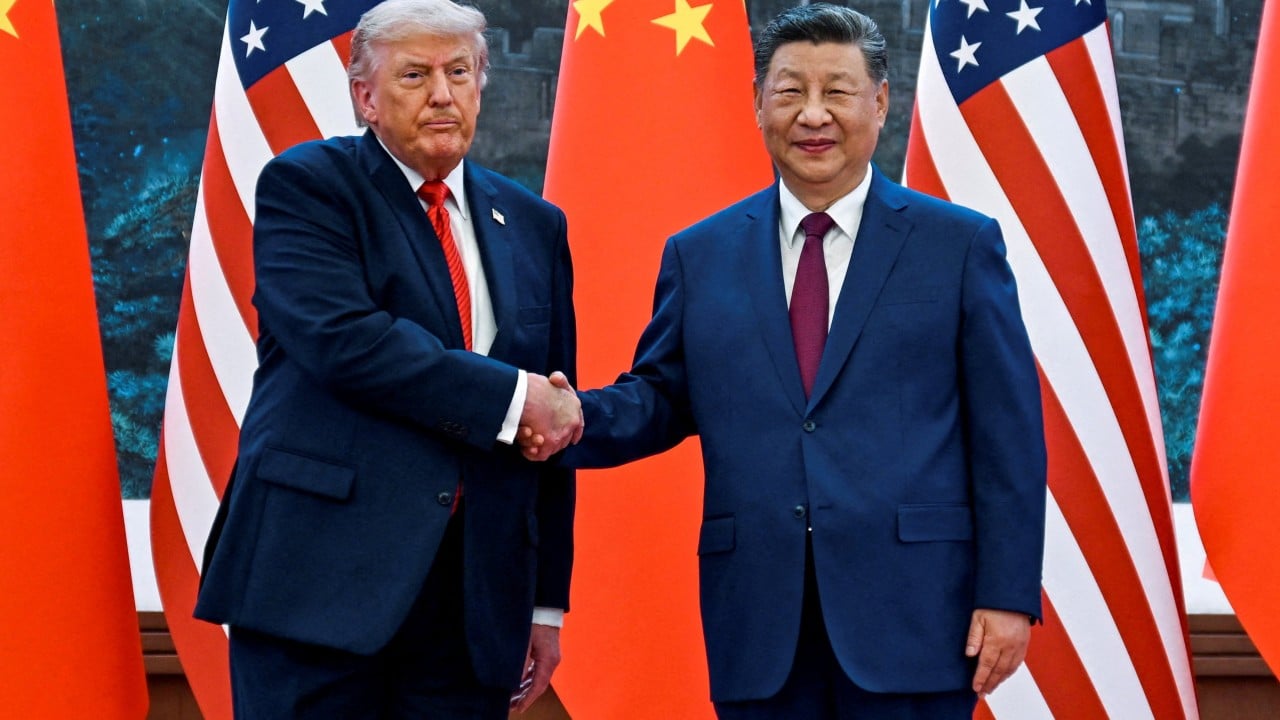
The real test of Beijing and Washington’s adoption of ‘constructive strategic stability’ will be how words translate into action
4-MIN READ4-MIN Listen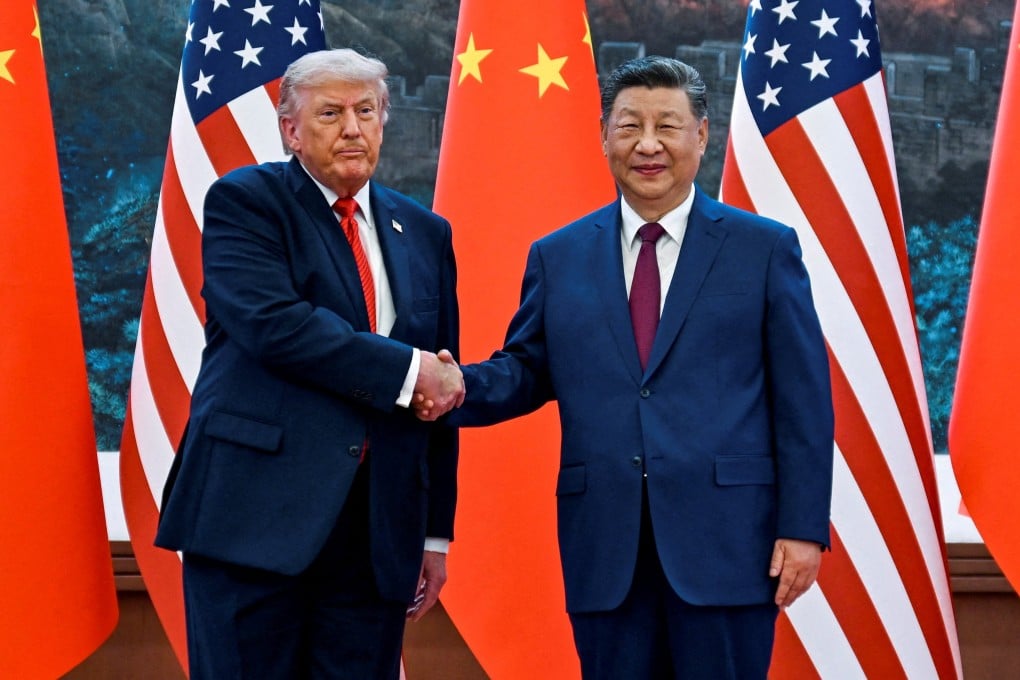
The framework reflects a long-held Chinese strategic aspiration. Beijing has sought for years to anchor its relationship with Washington within an overarching paradigm – one that would codify, at the highest level, a set of principles governing how the two powers relate to each other.
From Beijing’s perspective, it also reflects Washington’s implicit recognition of China as a near-peer – if not already a coequal
A decade later, the arithmetic has changed. Trump’s instinct for leader-to-leader deal making, his desire to reset relations after a bruising 2025 and China’s growing self-assurance as a peer competitor have together created the space for Beijing to update its proposal.
The resulting CSS framework carries significant symbolic and strategic weight for China. For the first time, observers say Beijing officially acknowledges “competition” as a feature of the bilateral relationship – a departure from its long-held preference for “win-win cooperation”. This signals a posture of confidence: a China no longer defensive about its standing as a rising power, now willing to compete with the status quo power on its own terms. From Beijing’s perspective, the framework also reflects Washington’s implicit recognition of China as a near-peer – if not already a coequal – in the global system.
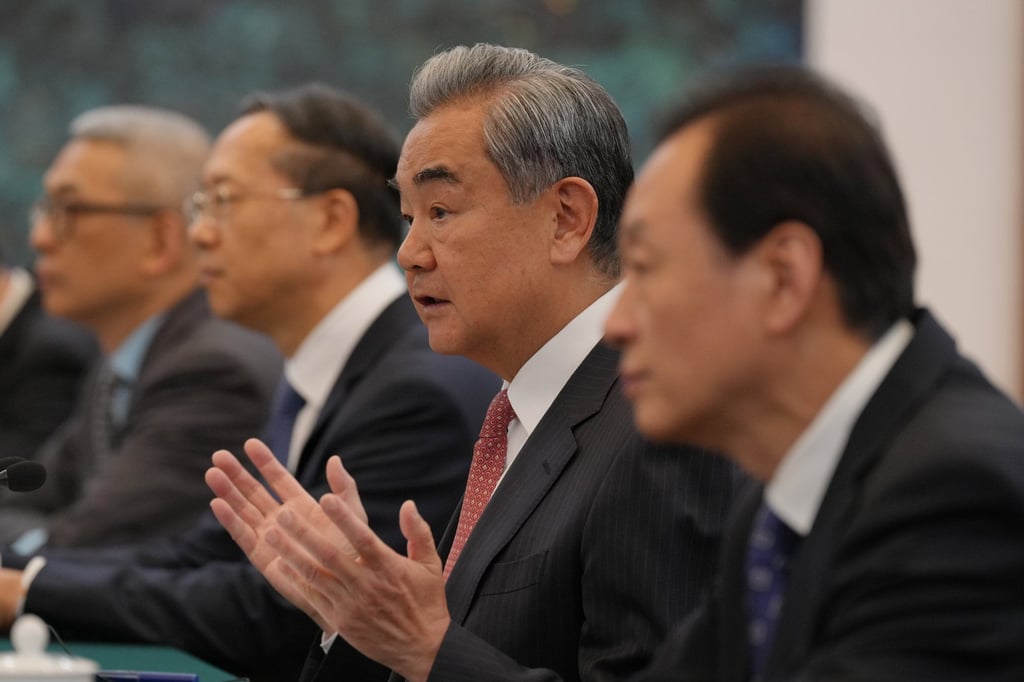
- Positive stability envisions cooperation as the mainstay of US-China relations.
-
Healthy stability frames competition as bounded and conducted on an equal footing – a “track-and-field contest” in which either side wins by outperforming the other rather than by tripping up its rival.
-
Constant stability refers to maintaining bilateral mechanisms and communication channels for managing differences, including through the US-China boards of trade and investment that are set to be established soon.
- Enduring stability signals that Taiwan remains Beijing’s “core of core interests” and the ultimate test of whether the framework can hold.
Схожі новини
Nordic noir meets Japanese occult in ‘Blood and Sweat’
U.S. soldier in Japan sent to prosecutors over sexual assault

Rubio discussed trade, security ties, invited PM Modi to the White House: US envoy