What really happened? Troops and intelligence reports suggest service member deaths in Iran were preventable
At least 13 U.S. service members have died during the war with Iran, including six people who were killed when two refueling jets collided above Iraq. An Iranian drone strike that hit a command post in Kuwait killed another six service members.
Donald Trump’s administration quickly sought to frame the deadly incidents as tragic accidents. In the case of the refueling tankers, officials said the accident took place over “friendly airspace” and wasn’t the result of hostile fire. And in Kuwait, Defense Secretary Pete Hegseth called the Iranian drone a “squirter” that managed to squeak through U.S. defenses.
But surviving service members and intelligence agencies reportedly warned U.S. military officials about potential vulnerabilities and the likelihood of enemy fire before the incidents, raising questions about Department of Defense narratives during the nearly three-month-long war.
A pair of recent reports from The Atlantic and CBS News suggest military officials downplayed potential threats and ignored requests for medical assistance, with one service member calling the Kuwait strike — the deadliest attack on American troops since 2021 — an outright “failure.”
The life of at least one service member could have been saved if more medical resources were onsite during the March 1 Kuwait attack, Major Stephen Ramsbottom told CBS News. He was expecting a “line of ambulances” coming to the rescue only to find that “we’re on our own,” he said.
 open image in gallery
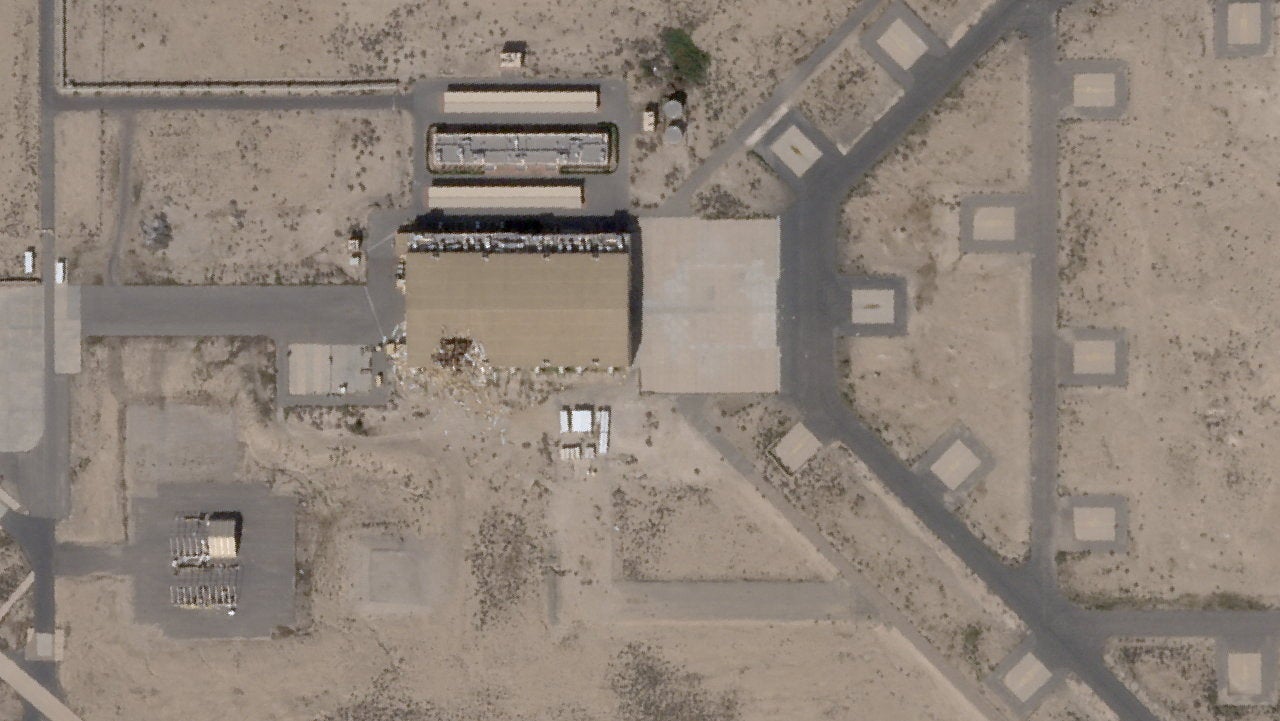
Service members killed in the Kuwait attack were part of a logistical support unit at the Shuaiba port, where a prefabricated, triple-wide trailer-style structure was protected against ground threats by concrete barriers, according to satellite imagery.
The facility allegedly did not have any hardened protection to deflect or minimize explosive force.
In a statement on social media, Pentagon spokesperson Sean Parnell refuted reports that the attack struck a “makeshift office space” at the facility and claimed “every possible measure has been taken to safeguard our troops — at every level.”
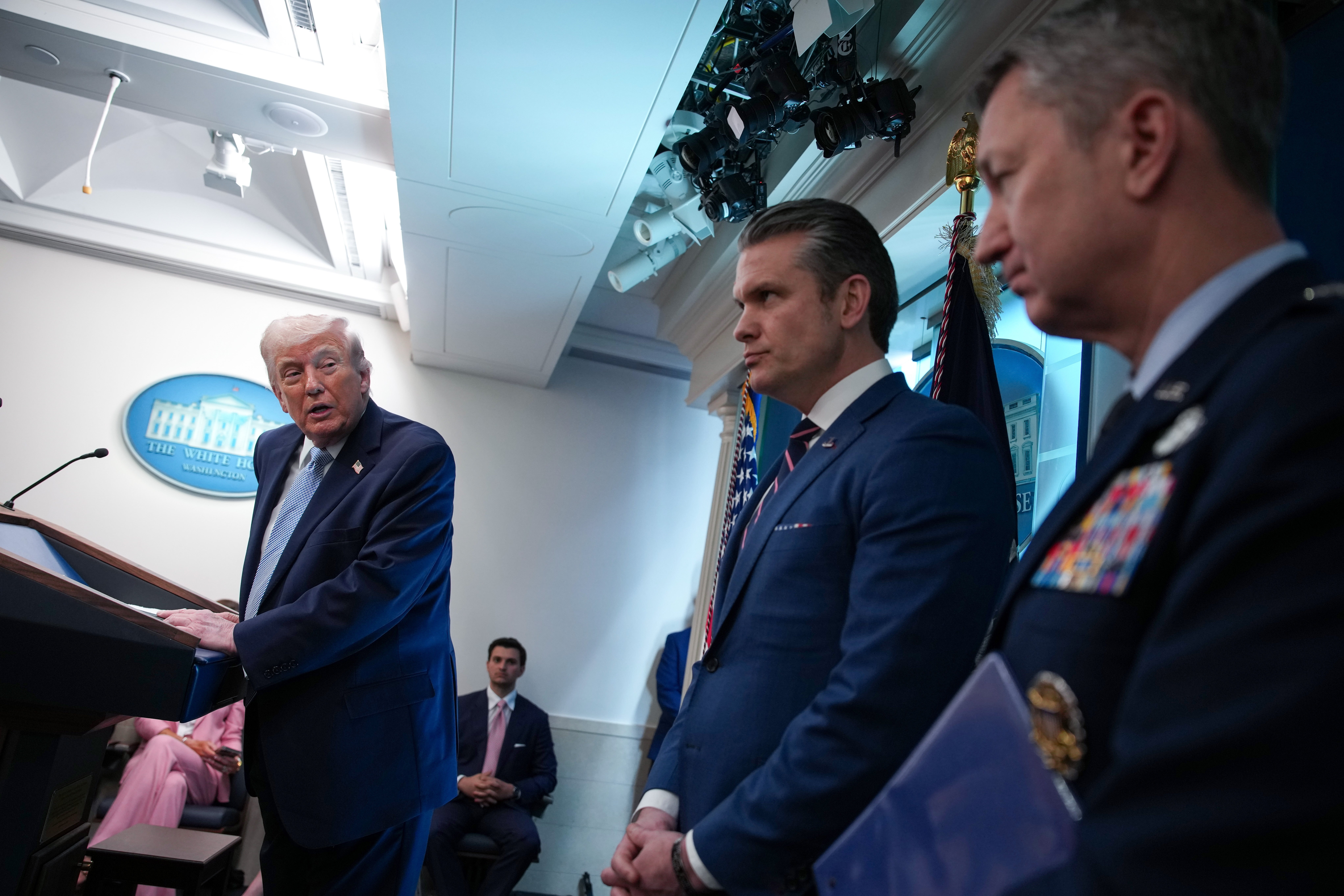
“You have air defenses, and a lot’s coming in, and you hit most of it,” Defense Secretary Pete Hegseth told reporters at the Pentagon in the days after the attack.
“Every once in a while, you might have one, unfortunately, we call it a squirter, that makes its way through,” he added. “And in that particular case, it happened to hit a tactical operations center that was fortified, but these are powerful weapons.”
 open image in gallery
Ramsbottom, who was deployed with the Army's 103rd Sustainment Command at the Kuwait base, is among eight soldiers from the reserve unit who have publicly disputed the Pentagon’s account of the incident in interviews with CBS News.
Service member injuries from the Kuwait base attack were reportedly more severe than initially reported, with reports of brain trauma, burns and potential amputation. They scrambled in the aftermath to commandeer civilian cars and send people to a local Kuwaiti hospital to treat the wounded.
Master Sergeant Ann Marie Carrier, who also survived the attack, said the Army had not prepared them for a mass casualty event.
“We didn't have any training,” Carrier told CBS News. “There was really nothing in place for something like that to happen.”
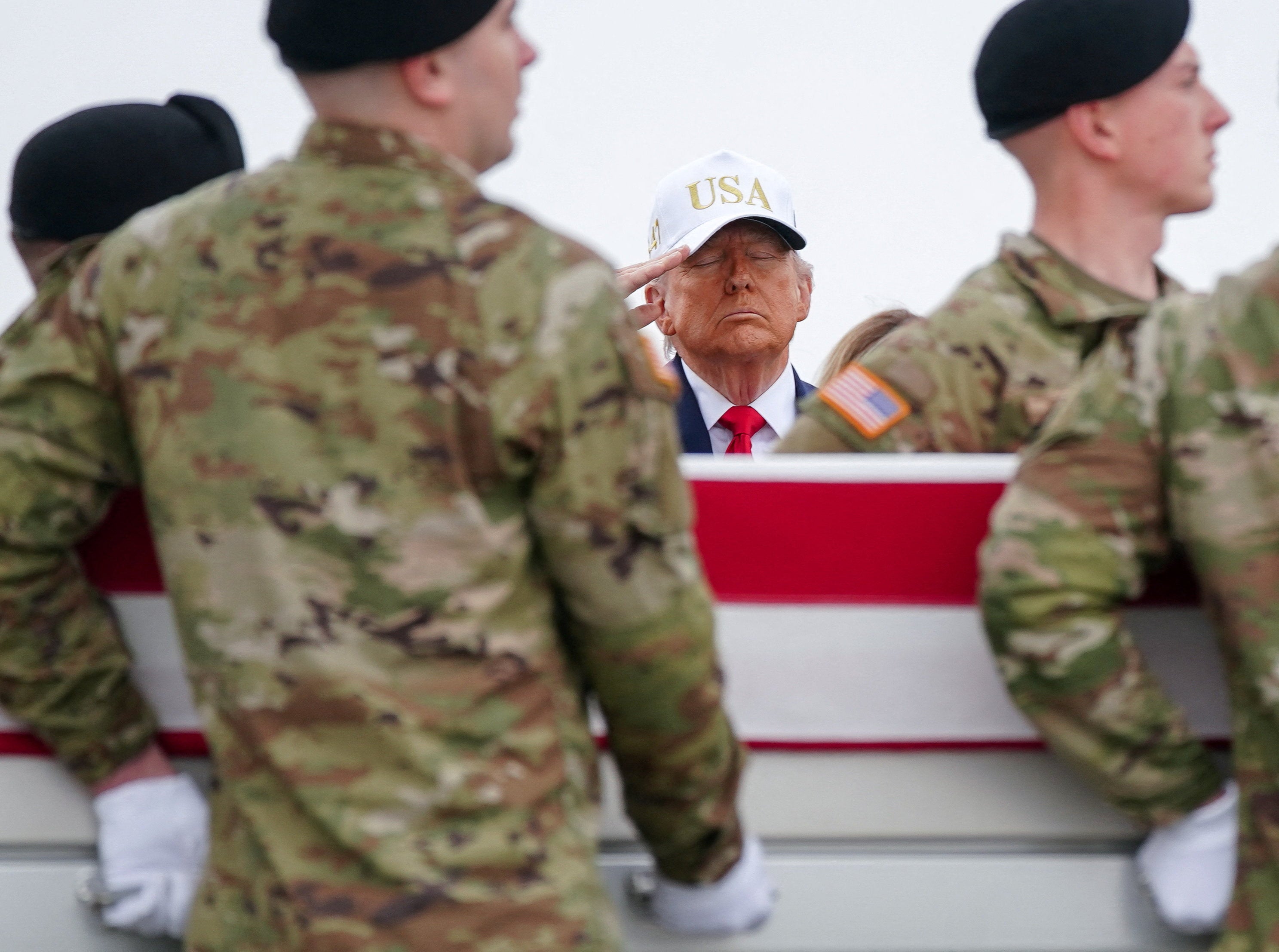
Two weeks later, two KC-135 refueling aircraft collided in what U.S. Central Command called “friendly airspace” above Iraq’s western Anbar province, according to a press release published that same day.
But initial intelligence reports indicated that the U.S. detected anti-aircraft fire from Iran-backed militias in the area, which potentially forced pilots to take evasive actions, The Atlantic found.
Central Command leaders, however, reportedly believed those reports were mistaken. An investigation from the Air Force is expected to conclude that the incident was an “avoidable mishap” due to congested airspace, officials told The Atlantic.
The Pentagon referred The Independent’s questions to Central Command.
“As we previously stated, the loss of the KC-135 was not due to hostile fire or friendly fire,” a spokesperson said.
Central Command did not respond to allegations in the reports.
Days before the crash, Hegseth touted “total air dominance” in the region.
 open image in gallery
The episode follows the Trump administration’s apparent pattern of omissions about critical details during the war, including efforts to downplay or deny outright reports of civilian casualties, Iranian military capabilities and threats from Iran-linked proxy groups.
Military officials have also denied or refused to investigate reports of U.S. attacks that killed Iranian civilians following news investigations and analysis from watchdog groups.
Central Command Admiral Brad Cooper told members of Congress last week that there is “no way” and “no indication” that the military can corroborate reports that detailed the alleged destruction of 22 Iranian schools and 17 healthcare facilities from U.S. bombs. Airwars, a nonprofit watchdog group that monitors conflict zones, has identified at least 300 incidents of civilian casualties.
Cooper’s statement also comes two months after a preliminary internal investigation linked American forces to a lethal strike on an Iranian girls’ school that killed 150 children, according to Iran’s ambassador to the United Nations. The future of that investigation remains unclear.
 open image in gallery
The Pentagon initially said a critical surveillance plane was heavily damaged after an attack on a Saudi Arabia air base in March, but subsequent assessments and congressional reports confirmed the aircraft was completely destroyed — along with more than 40 other military aircraft that have been lost or damaged during the Iran war.
Among the losses are F-15 fighter jets, an F-35 Lightning II aircraft, drones, and a HH-60W Jolly Green II combat search-and-rescue helicopter, according to a Congressional Research Service report published May 13.
The war is taking a mounting toll on American forces, with injuries growing to more than 500, as the U.S. faces dwindling munitions stockpiles and potential budget cuts without emergency funding from Congress.
Last month, the Pentagon officials told Congress that the U.S. had spent $25 billion on the war, which Democratic leaders believed the true cost was much higher. Weeks later, that figure had grown to $29 billion.
But administration officials, facing bipartisan concerns from members of Congress about growing costs of the war, have repeatedly declared victory while admonishing lawmakers and members of the press who have questioned or doubted American success in Iran.
“The biggest challenge, the biggest adversary we face at this point are the reckless, feckless and defeatist words of congressional Democrats and some Republicans,” Hegseth told a House appropriations subcommittee this month.
“How this gets resolved will be on our terms, on President Trump’s terms, and we have all the munitions and capabilities necessary to enable that,” he said.
Join our commenting forum
Join thought-provoking conversations, follow other Independent readers and see their replies
CommentsСхожі новини

Большую часть ущерба во время российской атаки нанесли ракеты, их было слишком много для наших ресурсов ПВО — Флеш
Путін нагадує Гітлера в термінальній стадії