What India’s ‘unsinkable aircraft carrier’ project near Malacca means for its China ties
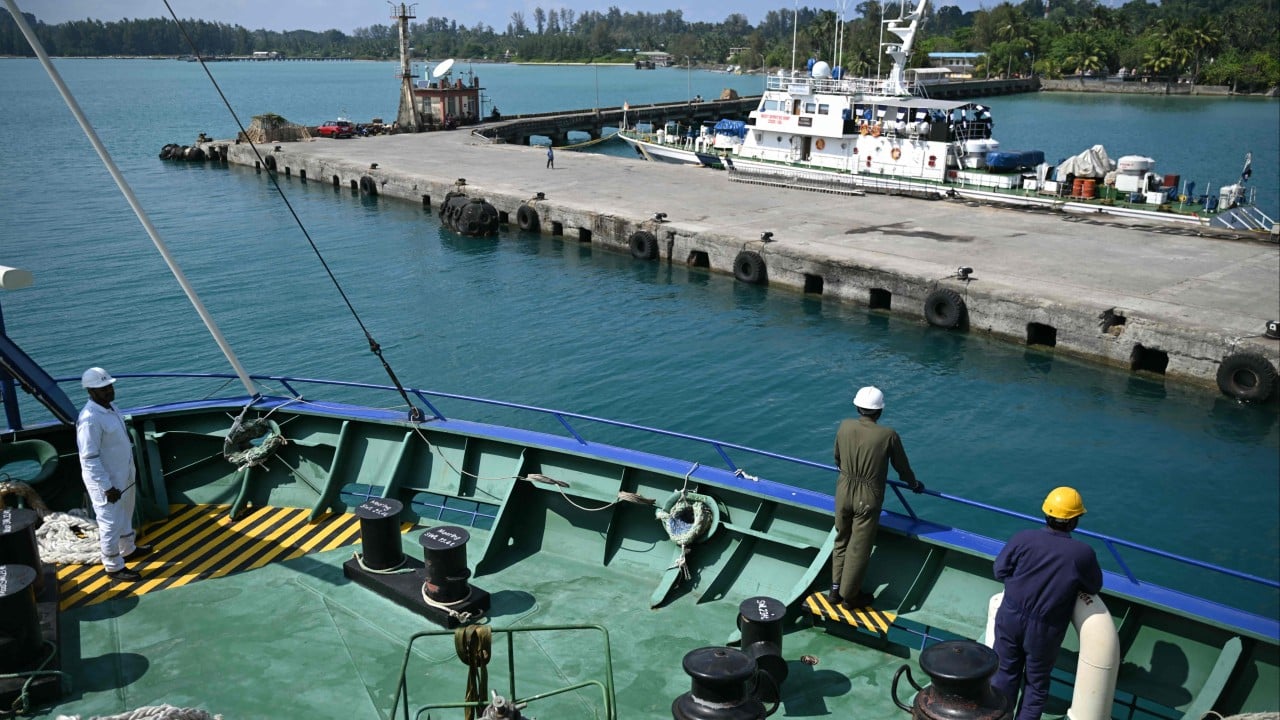
Uncertainty over Strait of Hormuz amid US-Iran conflict has New Delhi moving on US$10 billion plan to transform Great Nicobar Island
4-MIN READ4-MIN1 Listen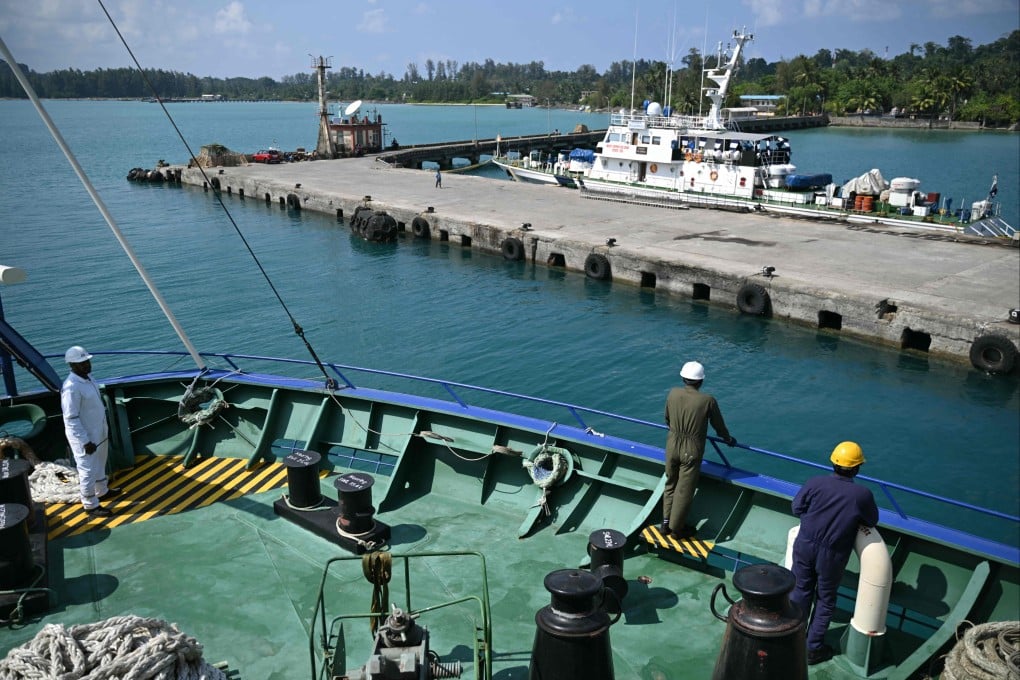
The global energy crisis stemming from the effective closure of the Strait of Hormuz has added complexity to already competitive China-India maritime relations.
The bottleneck in the Gulf has disrupted the provision of vital supplies of oil, gas and fertilisers to Asia, underscoring the fragility of global supply chains and the significance of trade chokepoints.
Amid uncertainty over the Strait of Hormuz’s reopening, India’s US$10 billion plan to transform remote Great Nicobar Island into a major defence and logistics hub near the strategically critical Strait of Malacca has gained momentum.
AdvertisementThe shipping routes from the Strait of Hormuz to the Strait of Malacca are instrumental in sustaining China’s economy, with any disruption to the maritime artery possibly dealing a serious blow to the world’s second-largest economy. 02:58How China’s energy structure cushions the blows of global oil crisisGreat Nicobar, a 921 sq km (356 square mile) island wrapped in dense prehistoric rainforest, sits at the southernmost edge of India in the Andaman and Nicobar island chain some 1,200km (746 miles) from the mainland but less than 150km from the Strait of Malacca’s western entrance.
AdvertisementAmid the Hormuz blockade, supporters of the Indian project, including some of the country’s military veterans, argue it would enable New Delhi to “control” or disrupt Chinese supply chains and worsen its “Malacca dilemma”.
AdvertisementSelect VoiceSelect Speed0.8x0.9x1.0x1.1x1.2x1.5x1.75x00:0000:001.00x