What are Trump’s options for Iran after ‘final blow’ briefing?
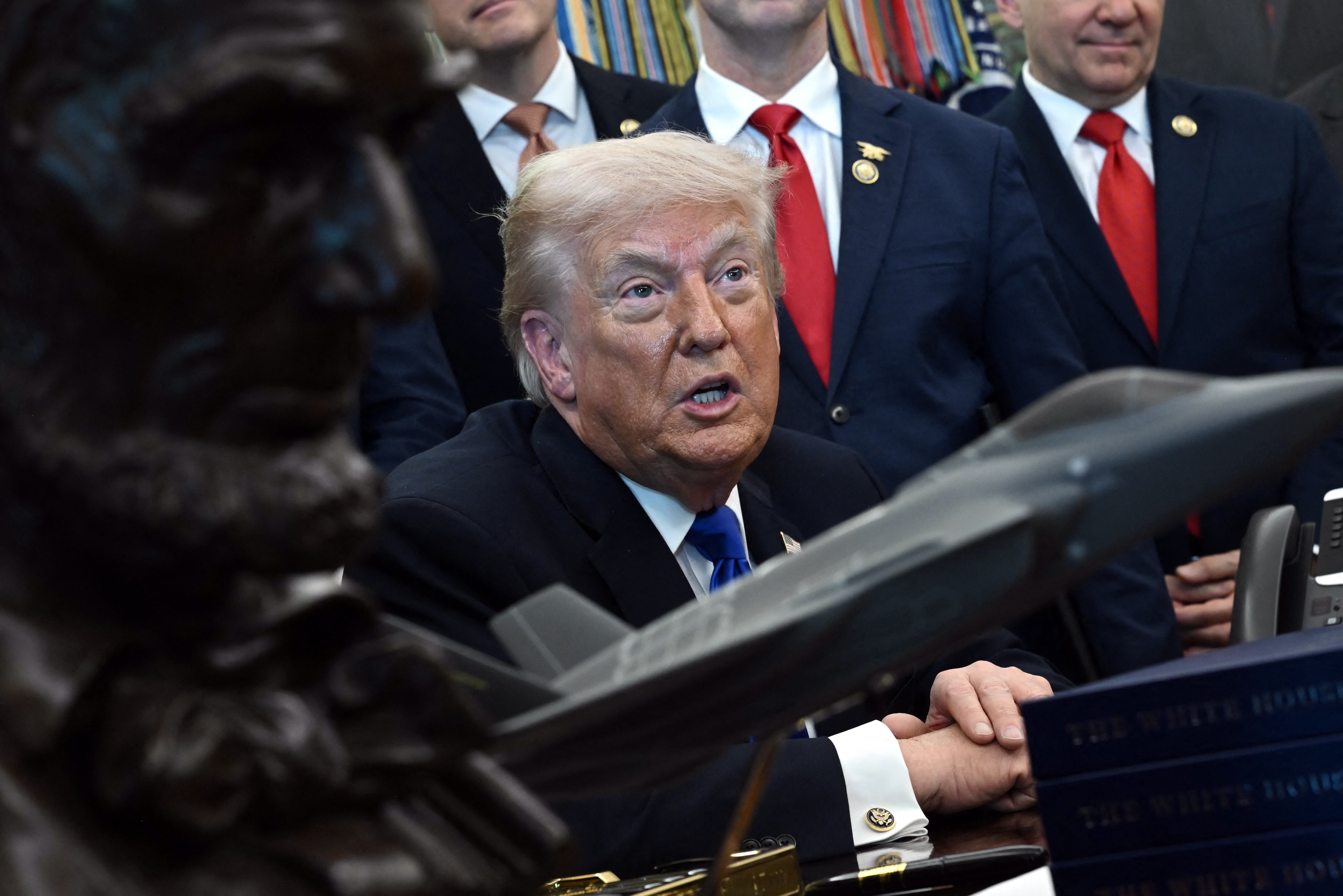
Donald Trump reportedly received a briefing from the military’s top commanders on Thursday on options to restart military operations against Iran in a bid to force the regime into making a deal to end the war.
As his administration insisted the fragile ceasefire arrangement had successfully “terminated” hostilities between the two sides, conversations behind closed doors turned back to bombing Iran, according to insiders.
Sources with knowledge of the discussions told Axios that US Central Command has drawn up a plan for a “short and powerful” wave of strikes on Iran, likely including infrastructure targets.
Other options reportedly under consideration were taking over part of the Strait of Hormuz in an operation that could see the deployment of ground forces.
Another plan said to be under consideration was a special forces operation to secure Iran's stockpile of highly enriched uranium.
 open image in gallery
The United States maintains a large naval presence and thousands of troops in the region. While Trump says he believes the ongoing US blockade on Iranian shipping seems more effective than strikes, inflated energy prices at home are putting immense pressure on the administration to break the deadlock and end the war.
As Iran threatens sharp retaliation for any further US military action, The Independent reviews Donald Trump’s options for pressuring Iran.
Military strikes
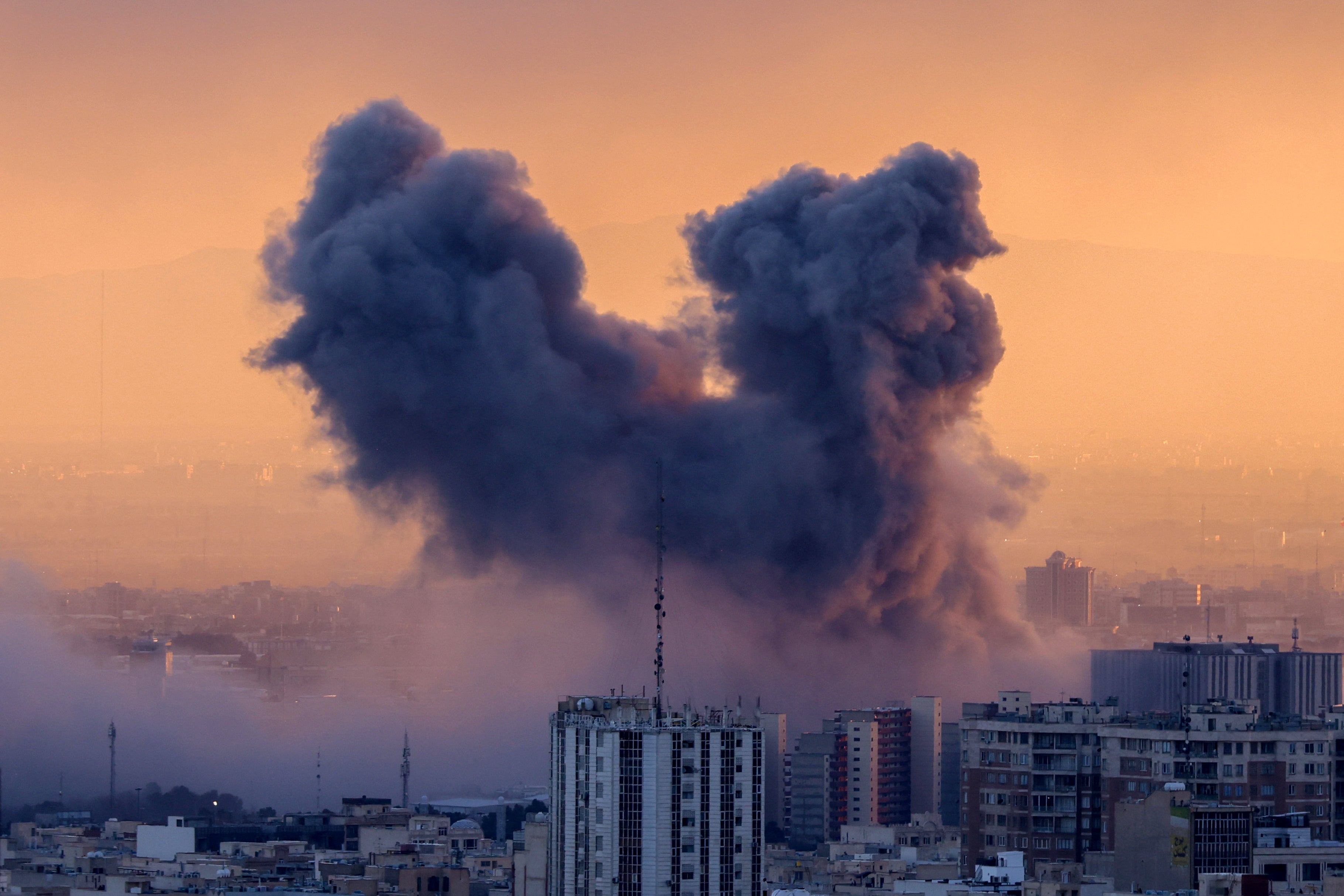
The United States maintains strategic bases across the Middle East and the ability to launch missiles from its fleet operating in the region.
Even as the USS Gerald R. Ford aircraft carrier prepares to withdraw, a large naval presence in the region means US ships and submarines can launch missiles on Iranian targets from hundreds of miles away.
The US also has significant stockpiles of land-based missile and rocket systems in the Middle East, and bombers capable of delivering huge payloads from across the region.
Iran’s retaliatory strikes during the five-week conflict exposed holes in air defences and destroyed US military equipment worth between $2.3bn and $2.8bn, according to the Washington-based Center for Strategic and International Studies.
 open image in gallery
But an analysis of seven key munitions published last month concluded that the US has enough missiles to continue fighting “under any plausible scenario”.
The CSIS estimates the US had an inventory of more than 3,000 Tomahawk land attack missiles - launched from the sea at ground targets - before the conflict and has used around a third. More are expected to be delivered this year and next.
Even so, the US maintains thousands of low-cost alternatives, including 140,000-180,000 JDAM kits that give “dumb” bombs the ability to precisely hit targets.
A senior official of Iran's Revolutionary Guards said any new US attack on Iran, even if limited, would usher in "long and painful strikes" on US regional positions.
Aerospace Force Commander Majid Mousavi was quoted by Iranian media as saying: "We've seen what happened to your regional bases, we will see the same thing happen to your warships."
Ground assault
The United States has raced thousands of troops to the region since the conflict erupted, joining some 40,000 service members already stationed in the Middle East.
While the prospect of putting boots on the ground remains unpopular with American voters, Trump has hinted that US forces could be used in a limited operation to seize small Iranian islands controlling access to the Strait of Hormuz.
During hostilities, Qeshm Island was reportedly briefed as a possible target of a ground offensive to break Iran’s grip, alongside key oil export hub Kharg Island. The island is a 558sq mile stretch off mainland Iran that has been fortified with an underground missile “city” and has been used to attack ships passing through the waterway.
According to Can Kasapoğlu, a defence analyst, satellite imagery suggests Iran has installed a “significant portion of its anti-ship missiles in underground launch positions on Qeshm”.
In late March, as the war raged, he wrote for the Hudson Institute, a conservative think tank based in Washington, that “any US campaign in the region would likely centre on two decisive islands: Kharg and Qeshm”.
Kharg island handled some 90 per cent of Iran’s oil exports - although the US military blockade has largely halted trade activity in and out of Iran.
Continued US blockade
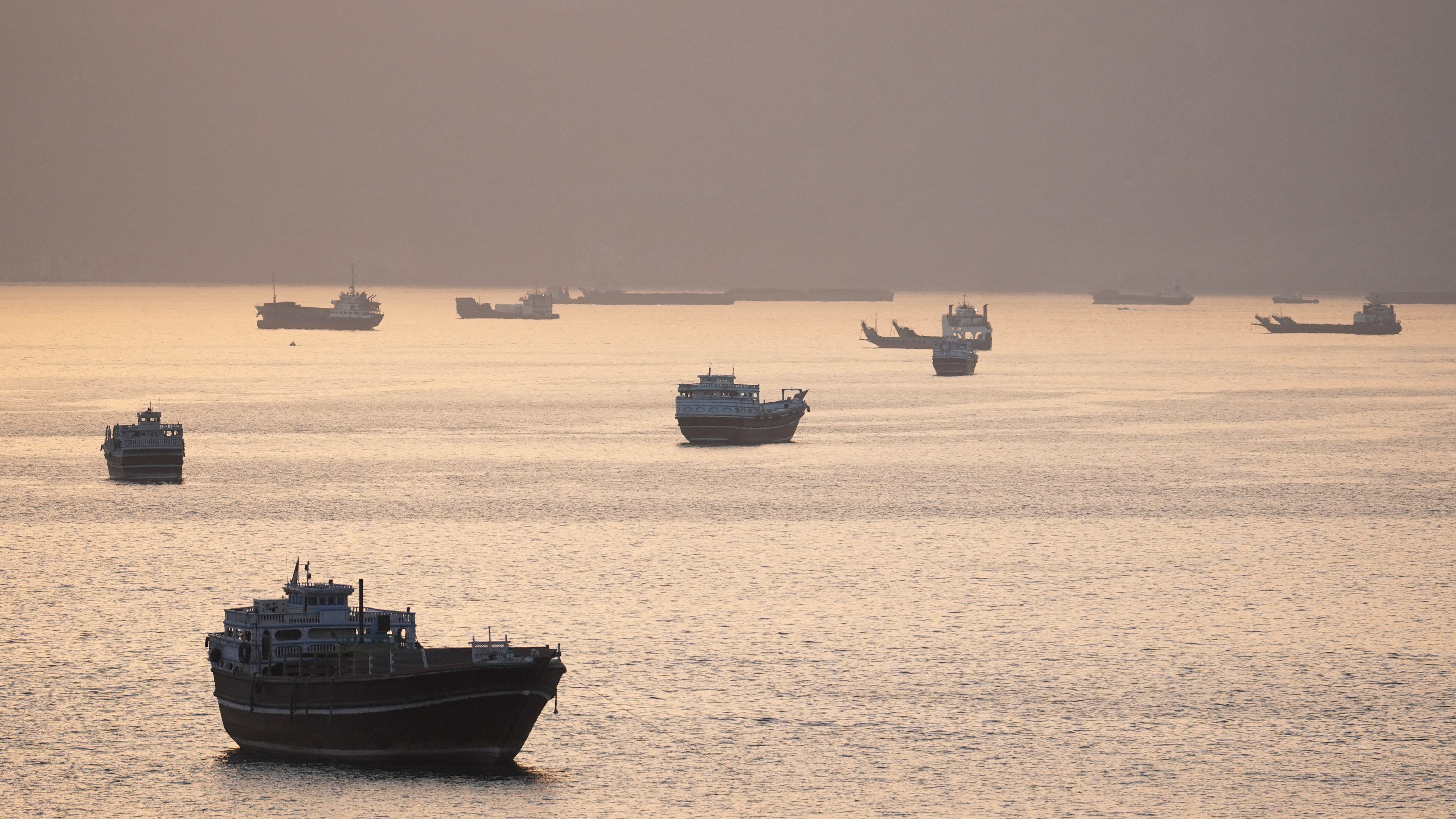
Donald Trump told Axios this week that he still sees the blockade as “somewhat more effective than the bombing”, a sign he may opt to maintain the status quo, which he says is costing the regime some $500m per day.
According to oil analytics firm Vortexa, the number of vessels containing Iranian crude leaving the Gulf of Oman between 13 and 25 April was down 80 per cent from a comparable period in March. Iran's currency, the rial, fell to a record low against the US dollar on Wednesday as the blockade hits its oil-reliant economy.
The inflated costs of oil and other essentials impacted by Iran’s adjacent blockade of the Strait of Hormuz pile economic and political pressure on the US, too.
 open image in gallery
Inflated petrol prices are costing Americans an additional $300-$450m each day, according to Patrick De Haan, head of petroleum analysis at GasBuddy, which provides real-time petrol price updates.
Dr Valentin Boboc, senior economist at the Institute of Economic Affairs think tank, told The Independent that the costs for the US would be “mainly political”, with domestic pump prices a “critical liability” ahead of the November Midterm elections.
Separately, Gulf allies may be growing restless over the lack of a long-term maritime security resolution, he said.
Ask European allies for help
Trump has repeatedly called out his Nato allies over their reluctance to get involved in his war.
The Pentagon recently floated punishing allies that it believes are not supporting US operations, including suspending Spain as a member and reviewing US recognition of the Falkland Islands as a UK possession.
That could change if Washington deems that it needs European support to reopen the Strait of Hormuz - as Iran hints it could try to keep control of the Strait once the war ends.
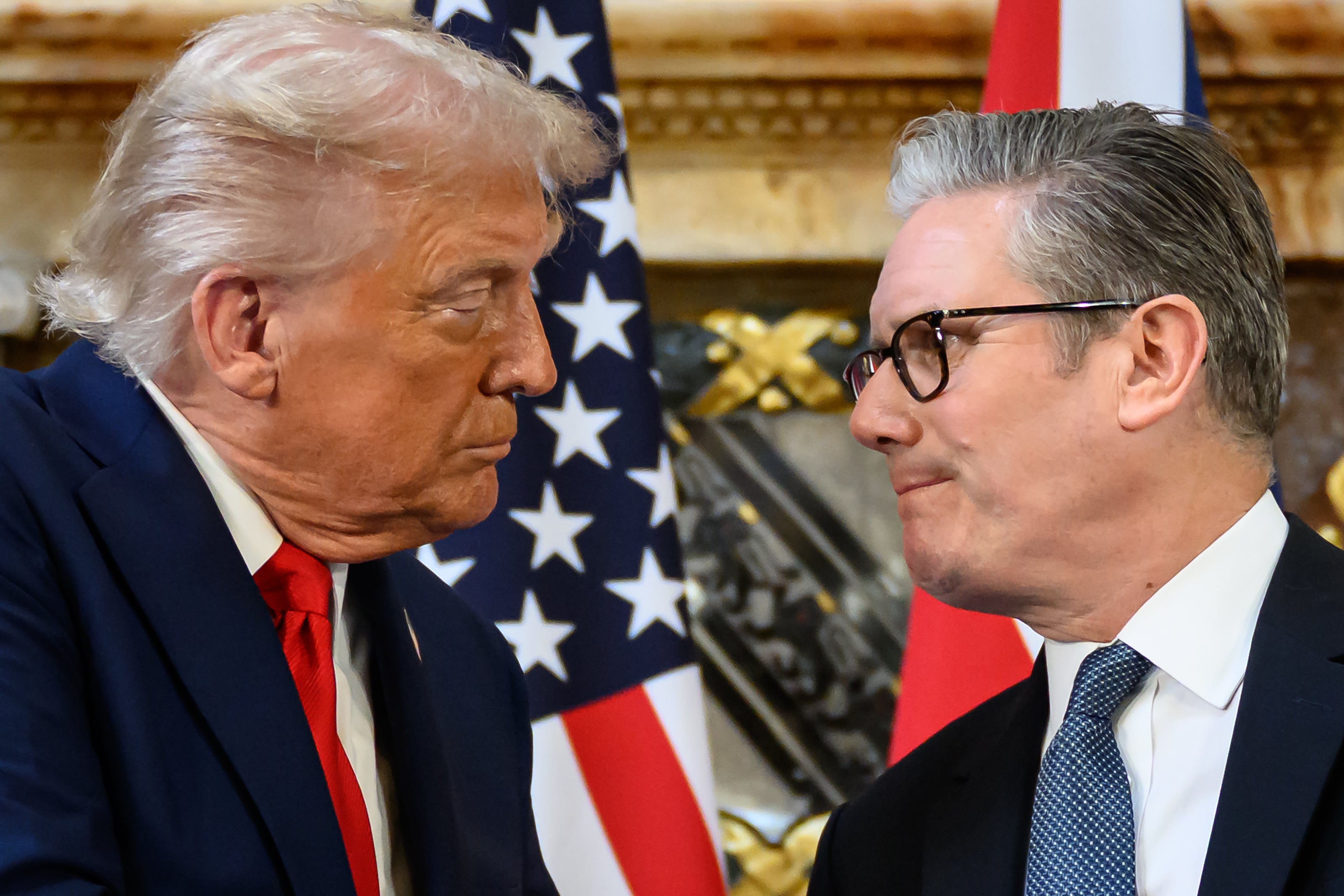
In recent weeks, Britain and France have drawn together dozens of countries for talks on contributing to a coalition to help ensure safe passage through the Strait of Hormuz - but only when the conflict ends.
According to the Wall Street Journal, the US is now seeking the backing of other countries to join such a coalition to contain Iranian influence after the war.
 open image in gallery
The proposed coalition, dubbed the ‘Maritime Freedom Construct’, would share information, coordinate diplomatically and help enforce sanctions, the Journal said, citing an internal State Department cable.
“The MFC constitutes a critical first step in the establishment of a post-conflict maritime security architecture for the Middle East. This framework is essential to ensuring long-term energy security, protecting critical maritime infrastructure, and maintaining navigational rights and freedoms in vital sea lanes,” the cable said.
Still, there is no sign American allies would be willing to join in attacking Iran in a bid to break the deadlock.
Join our commenting forum
Join thought-provoking conversations, follow other Independent readers and see their replies
CommentsСхожі новини

«Полтава» та «Кривбас» забили 6 м'ячів на старті 26-го туру УПЛ
Wu level with Allen after longest Crucible frame
'Embarrassment to snooker' - Wu and Allen play longest Crucible frame
