Want to know my secret for learning the night sky? Welcome to sidewalk stargazing
- What's happening and when to look
- How and when I do sidewalk stargazing
- Constellation of the week: Leo
- My latest stargazing obsession: Ursa Major's feet
Serious stargazing requires planning, right? A dark-sky site, a heavy telescope, a warm jacket. A long drive home. It really doesn't have to be this way. Sure, light pollution maps, Dark Sky Places and Dark Sky Discovery Sites are a stargazer's friend, but don't let a desire for ultimate darkness stop you from connecting with the night sky from anywhere you happen to be.
My favorite places to stargaze aren't necessarily my usual observing spots. If you only wait until you're under a truly dark sky to go stargazing, and you'll likely be hopelessly disoriented and unprepared. However, if you've been topping up your knowledge with micro-sessions — even if it's just the position of the brightest stars and constellations — you'll already recognize its structure. When you finally get a dark sky, you'll be ready to go deeper.
What's happening and when to look
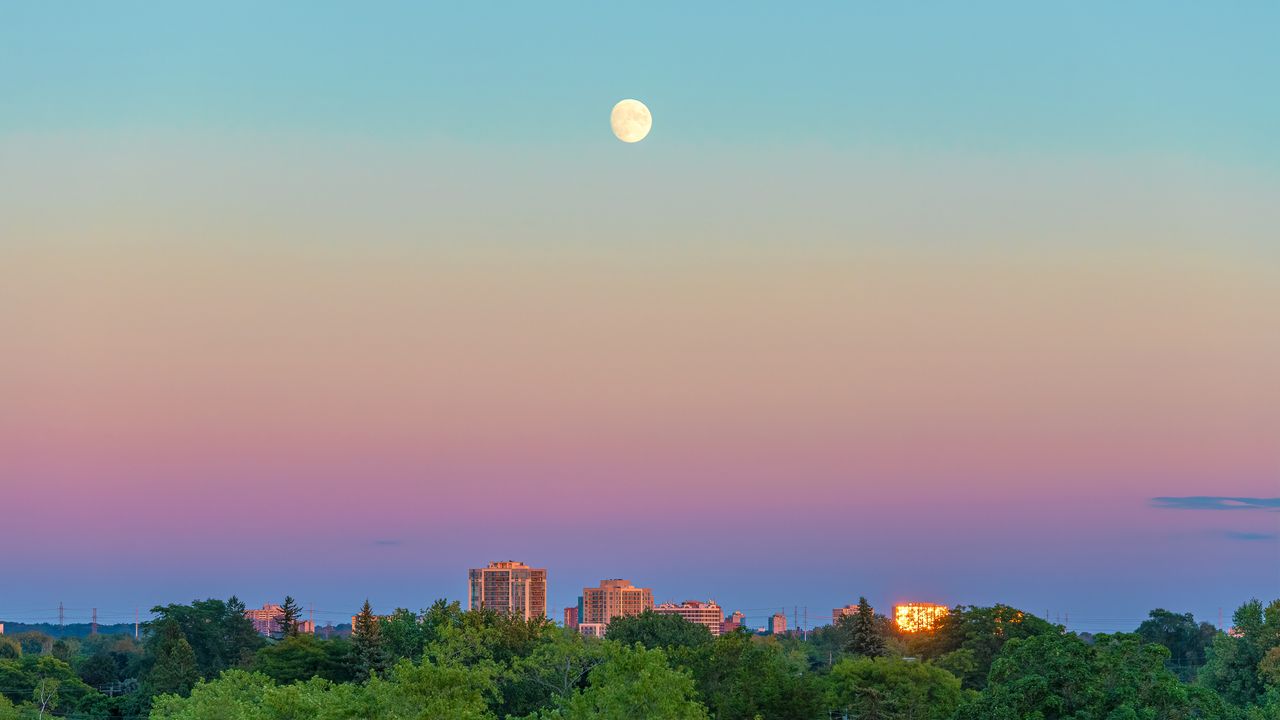
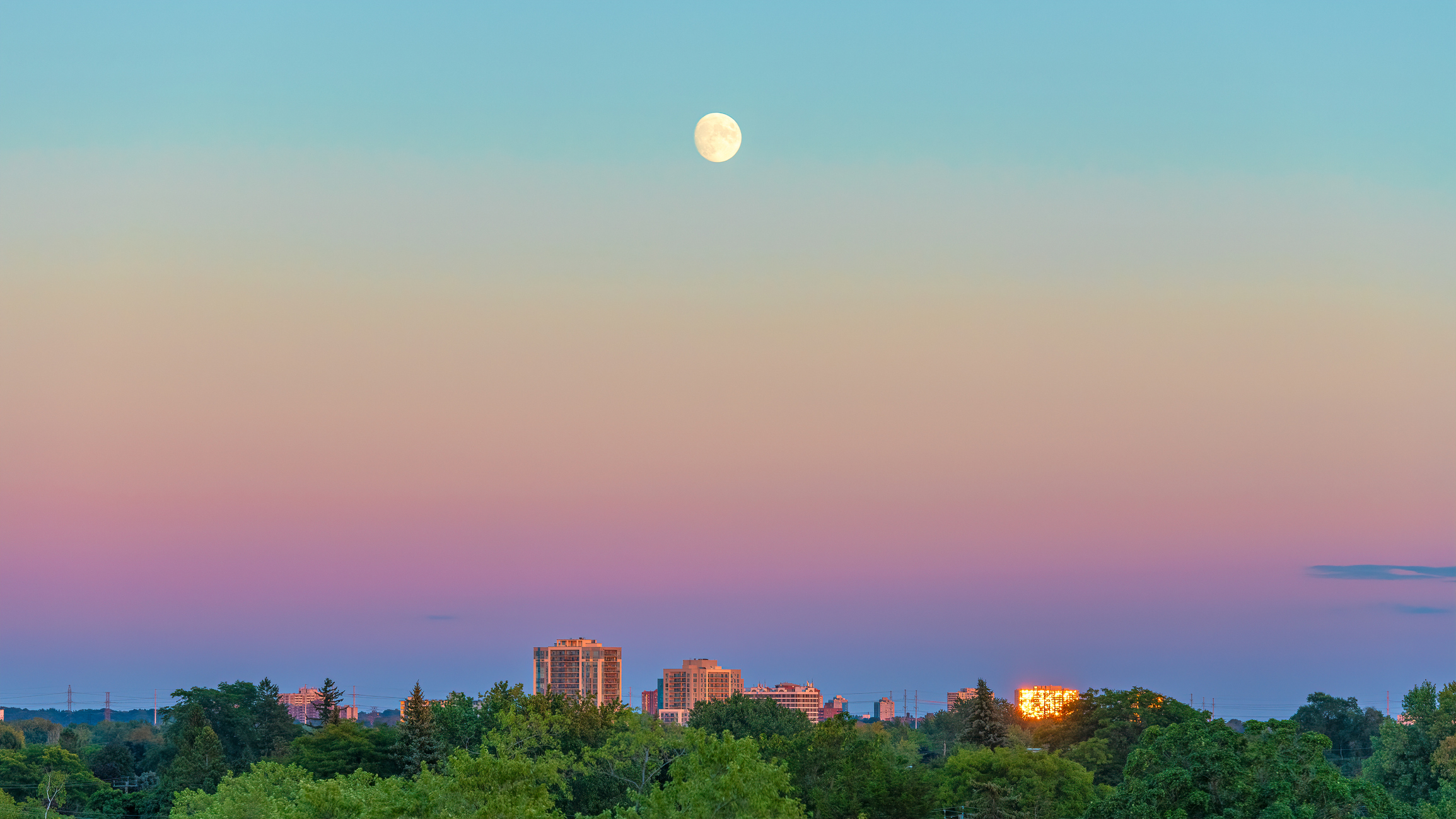
This week is ideal for a sidewalk stargazing session with the solar system. Any dusk this week — perhaps when you're on the way to or from a yoga class, a restaurant or out walking the dog — look west after sunset for a trio of easy sights.
The simplest is the moon, high in the south. In the west, Jupiter, and below it, slightly to the north, Venus. These three worlds will be hard to miss, even from a city (planets and the moon are practically light pollution-proof). What you're looking at is, of course, the ecliptic — an imaginary line in the sky from east to west that's the same as the path of the sun through the daytime sky. The planets follow the ecliptic, and so does the moon, more or less (when the moon crosses the ecliptic, it can cause an eclipse — hence the name). The ecliptic is the plane of the solar system; all planets orbit the sun along it. I always think of the solar system as a fried egg, with the sun as the yolk and the planets orbiting around it in the white.
Standing on a sidewalk looking at Venus, Jupiter, and the moon gives you something to work with; by joining the dots and heading east, you can draw the ecliptic through the sky.
How and when I do sidewalk stargazing
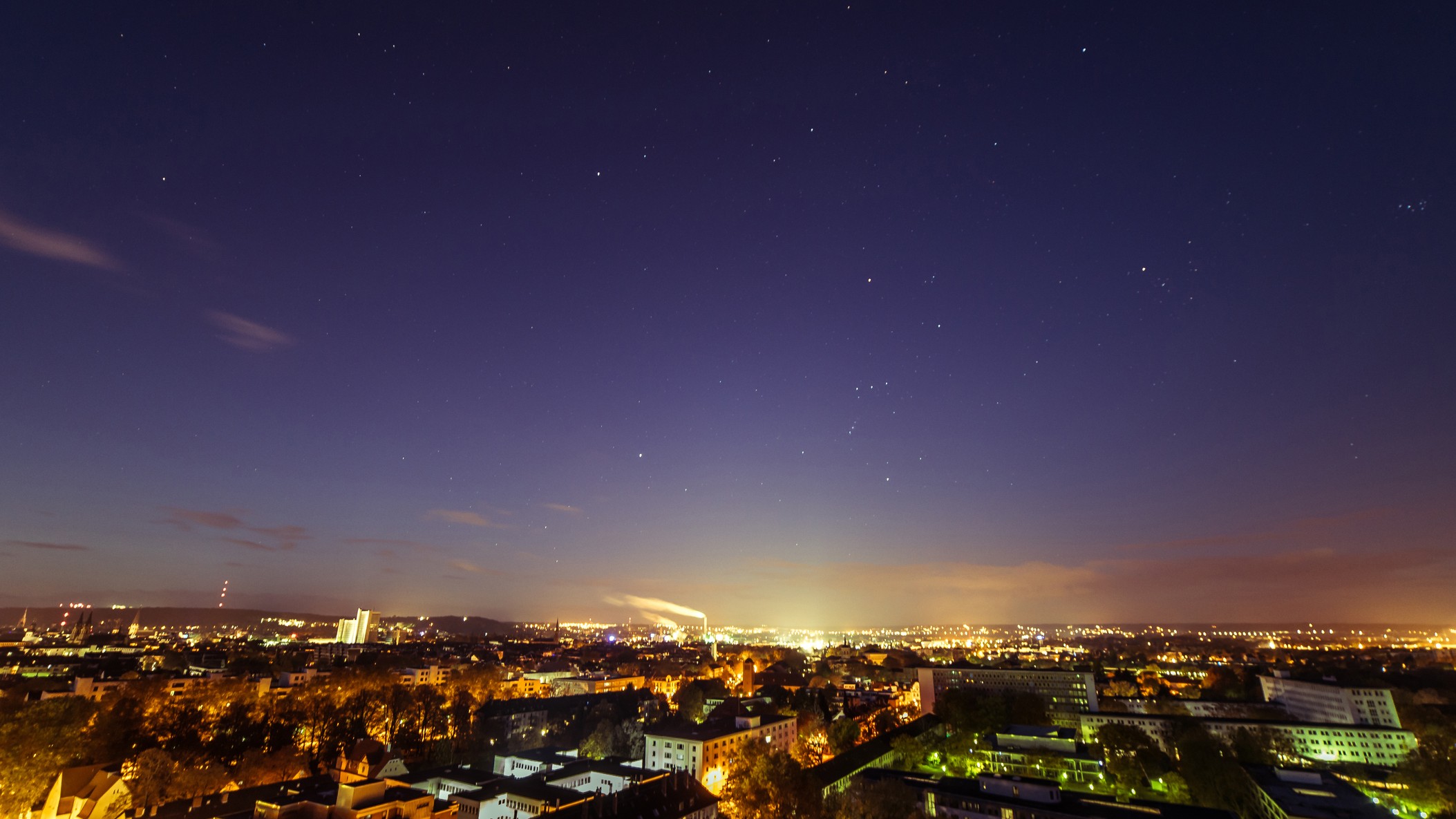
My own plan this week is deliberately modest. I'll step outside for ten minutes at roughly the same time each evening — around an hour after sunset — and do a quick scan. No equipment, no apps unless I get stuck. I'll start with the moon and note where it sits night by night. Then I'll find Leo in the southeast, using its bright star Regulus as an anchor. From Leo, I'll head to the Big Dipper/The Plow in the north. That's it. If clouds roll in, I'll stop. If I'm tired, I'll stop. The trick is regularity, not endurance.
The biggest misconception is that you need a perfectly dark sky. You don't. You need a consistent routine and a willingness to look up even when conditions are average. In fact, observing from different spots — a sidewalk, a car park, a dimly lit path — forces you to relearn the sky each time. Short, repeated looks at the night sky — even a light-polluted urban sky — reveal that better than any single long session.
Unless you live under Bortle 2 skies, sidewalk stargazing is probably the only way to get to know how the night sky changes from season to season. So next time you're walking home from a pub or restaurant, or taking the dog out before bed, take a minute to stand on the sidewalk and look up — it's a habit that takes you from beginner to recognizing every bright star you can see in an urban sky.
Stargazer's corner: April 24-30, 2026
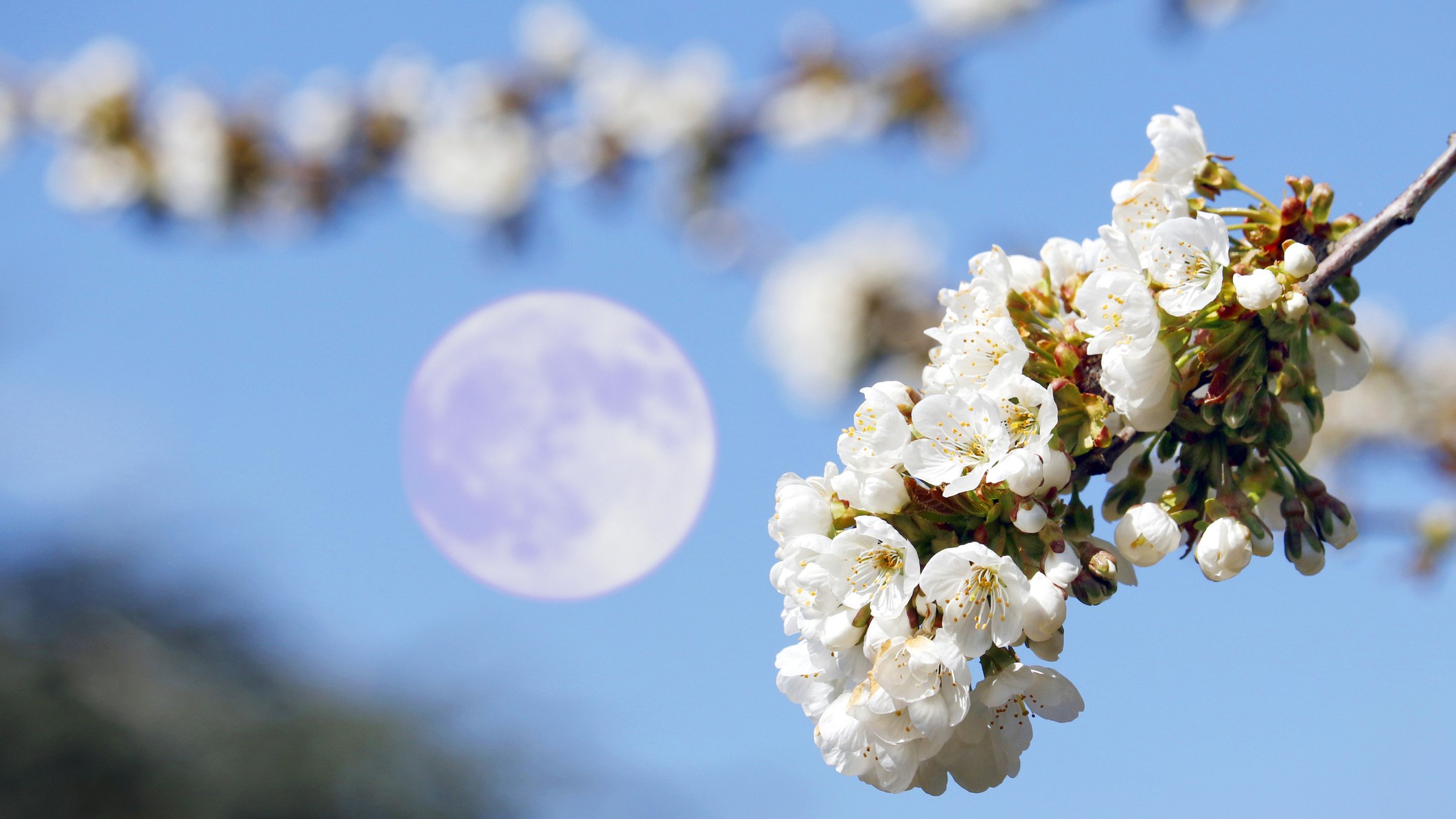
This week belongs to a bright moon, which reaches full on May 1 — the Flower Moon. Expect increasingly washed-out skies as the days go on, especially after April 27. Over the next few nights, watch the moon drift eastward, passing through the region of the Spring Triangle — Regulus, Spica and Arcturus. By April 29-30, the moon sits close to Spica in Virgo.
Constellation of the week: Leo
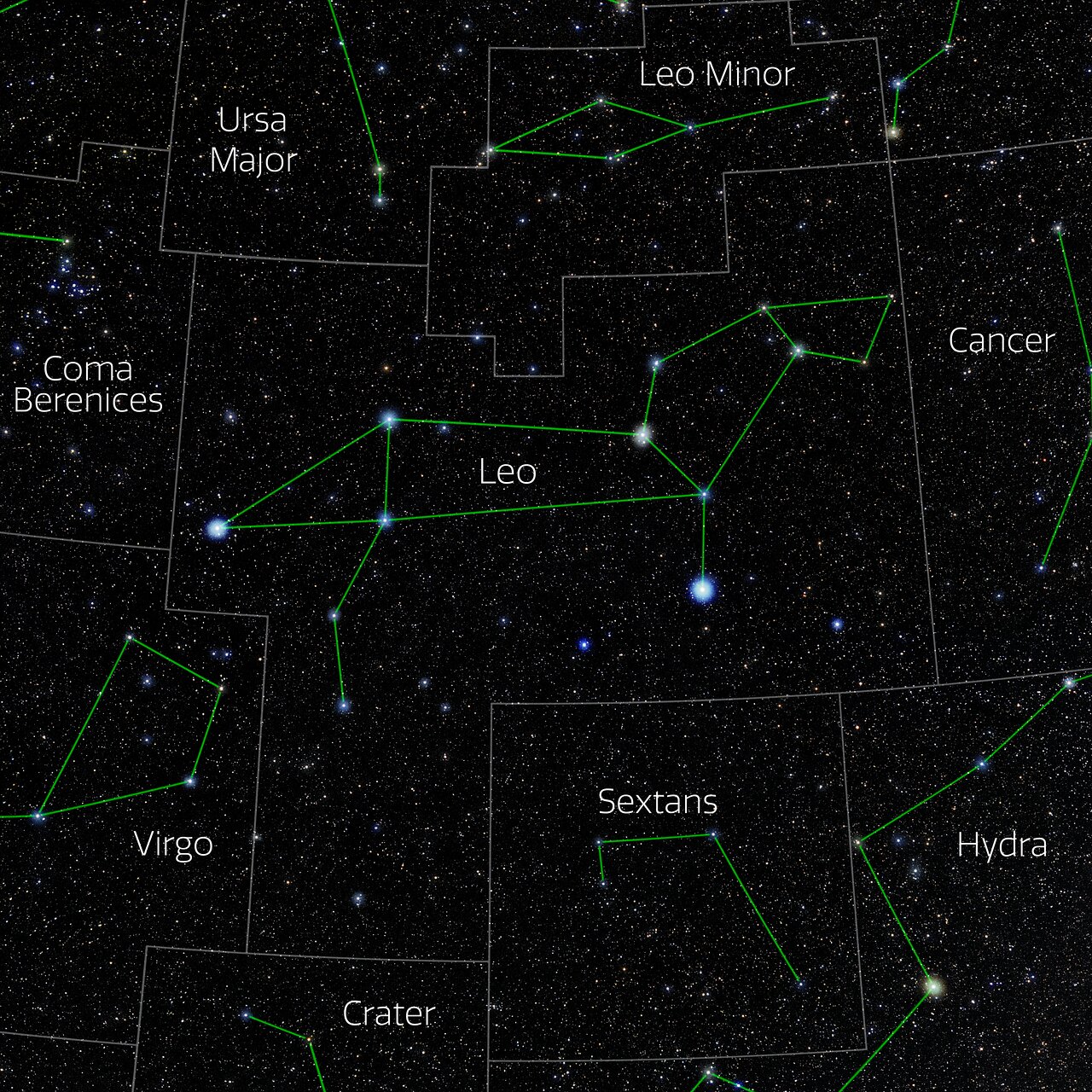
Leo is one of the few constellations that actually looks like something without much imagination. After dark, face south and look for a backward question mark of stars — this is the Lion's head, with Regulus at its base. It's also known as the Sickle of Leo. From there, a triangle stretches eastward to form the lion's hindquarters.
Leo is a seasonal marker. When it's high in the south after sunset, it's spring in the Northern Hemisphere. It also sits along the ecliptic, so it often welcomes the moon and planets. Practice finding Leo, and you'll have one of the anchors of the spring night sky as a powerful reference point forevermore.
My latest stargazing obsession: Ursa Major's feet
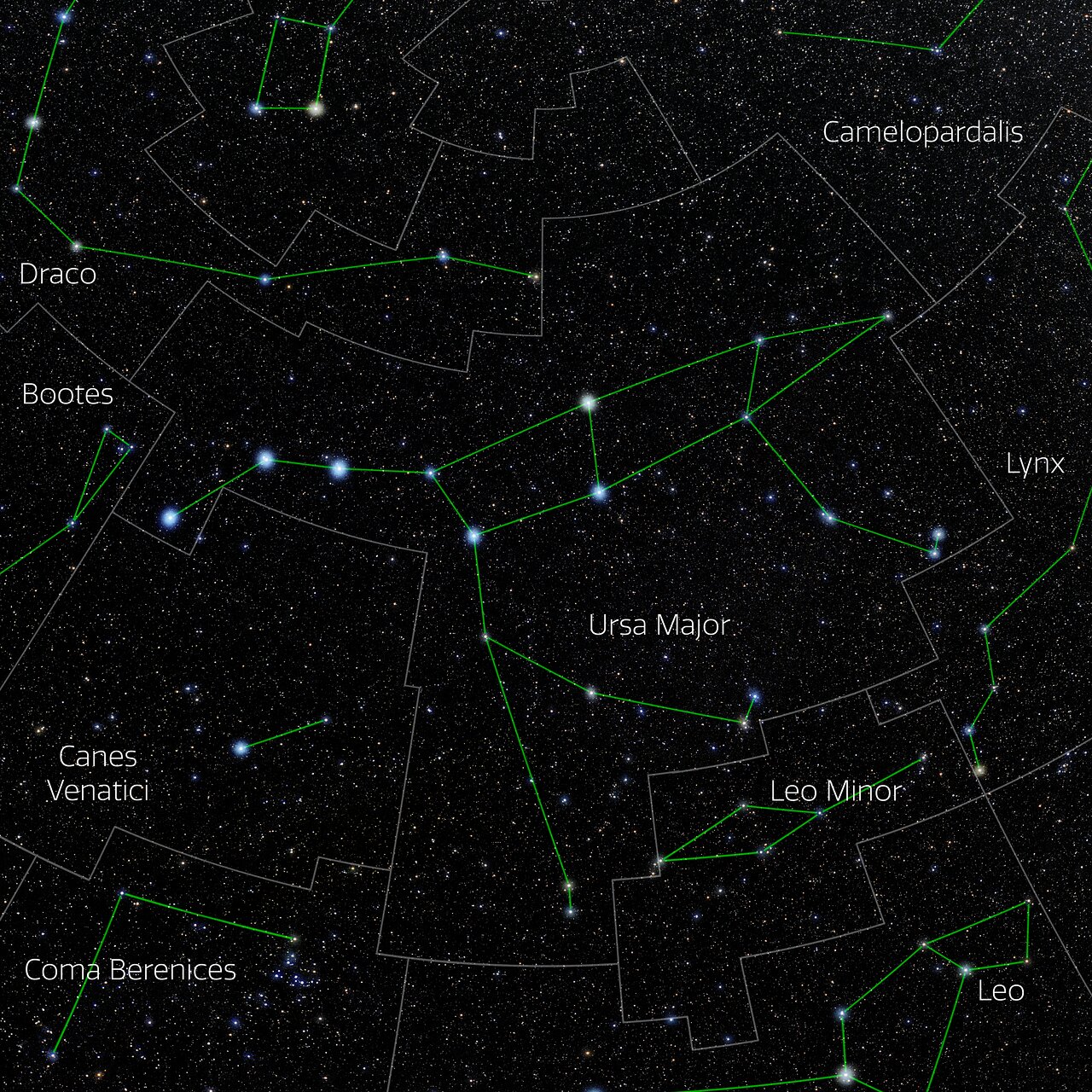
"Spring up, fall down" is how to remember where the most famous stars in the night sky are right now, as seen from the Northern Hemisphere. I'm talking, of course, about the Big Dipper, called the Plough in the U.K. On April nights, it hangs at the zenith, the point in the sky directly above an observer. The word comes from the Arabic for "path above the head." Its seven stars — Alkaid, Mizar, Alioth, Megrez, Phecda, Merak and Dubhe, all between 58 and 124 light-years away — form a ladle shape, though it's actually part of the constellation Ursa Major, "The Great Bear," which is a much more satisfying shape to find — particularly its three feet all marked by wide double stars (Talitha and Alkaphrah, Alula Borealis and Australis and Tania Borealis and Australis from front to back).
The tail (or handle) of four stars — Megrez, Alioth, Mizar and Alkaid — is home to a circular arc of ultraviolet emission that stretches 30 degrees across the northern sky. Astronomers now think that this Ursa Major Arc may be a shock wave from an explosion or a supernova that happened over 100,000 years ago.
View MoreYou must confirm your public display name before commenting
Please logout and then login again, you will then be prompted to enter your display name.
Logout
Jamie is an experienced science and travel journalist, stargazer and eclipse chaser who writes about exploring the night sky, solar and lunar eclipses, the Northern Lights, moon-gazing, astro-travel, astronomy and space exploration. He is the editor of WhenIsTheNextEclipse.com, author of A Stargazing Program For Beginners, co-author of The Eclipse Effect, and a senior contributor at Forbes.
Схожі новини
Telomere-to-Telomere Assembly Using HERRO-Corrected Simplex Nanopore Reads
Mitochondria can spawn new ‘organelles’ — hinting at how modern cells evolved