VW Group Risks $1.7 Billion Fine For Missing Emissions Target
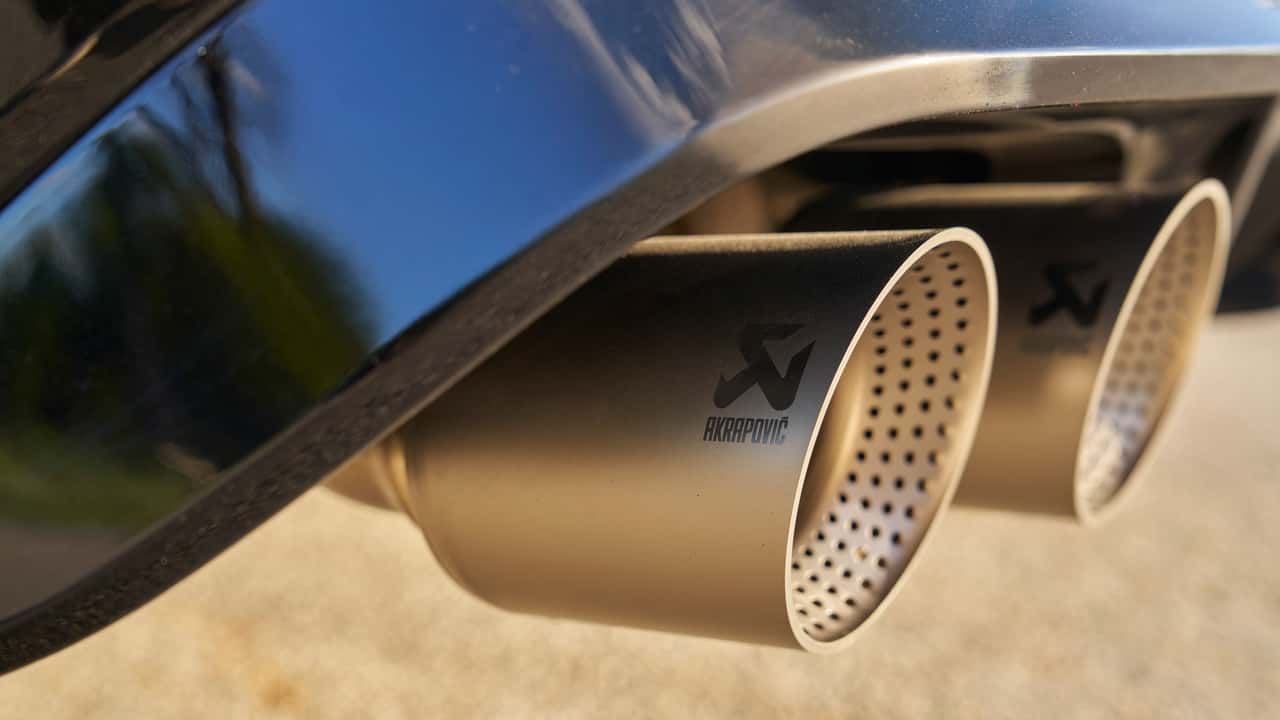
EU regulations are putting significant pressure on the company’s bottom line.
Photo by:
Volkswagen
Adrian Padeanu
 By:
Adrian Padeanu
May 5, at 4:26am ET
By:
Adrian Padeanu
May 5, at 4:26am ET

 Share
Comment
Share
Comment
THE BREAKDOWN
- VW Group projects it could pay CO2 fines of up to €500 million every year over the 2025-2027 interval.
- The total bill could reach €1.5 billion ($1.75 billion).
- An even stricter fleet-wide emissions target will come into effect in 2030.
Much like all traditional automakers, the Volkswagen Group is caught between a rock and a hard place. The European Union’s push toward electrification is forcing the German juggernaut to sell more EVs to offset the CO₂ emissions from its combustion-engine vehicles. Otherwise, it risks paying hefty fines for exceeding fleet targets.
However, it's a known fact that EV profit margins are still not at ICE levels, meaning the VW Group must juggle making money on more profitable gas cars while keeping CO₂ levels in check by selling electric cars to avoid fines. Until EVs become as profitable as ICE, it’s a lose-lose situation.
'We make a trade-off between money we lose due to the CO₂ fine and money we lose to the margin loss of the EVs [compared to combustion cars],' according to VW Group CFO & COO Arno Antlitz.
 Photo by: Volkswagen
Fines Are Inevitable
Meanwhile, fines are unavoidable. Antlitz mentioned during the first-quarter earnings call that the company risks paying up to €1.5 billion ($1.75 billion at current exchange rates) for exceeding emissions targets in the 2025–2027 period. Even with the ID. Polo arriving this year and a smaller, cheaper electric car due in 2027, the company projects it won’t be able to meet the EU’s fleet-wide emissions target.
Tell us what you think! View Comments'€300 million–€400 million, €400 million–€500 million CO₂ cost per year. Basically, almost €1.5 billion for the three-year period' declared Antlitz.
VW Group doesn’t expect electric vehicles to match the profitability of gas cars until the SSP platform launches late this decade. In the meantime, the company is working to narrow the gap between ICE and EV margins. The upcoming crossover version of the ID. Polo is estimated to achieve 70–80 percent of the T-Cross’ profit margin.
One In Five New Cars Sold This Year In Europe Is Electric
Data published by the European Automobile Manufacturers' Association (ACEA) shows that EVs reached a 20.6 percent share of new car registrations in the first three months of the year. But even with one in five cars being electric, the VW Group says it must sell “more electric cars than the natural demand in Europe is” to lower its fleet emissions and reduce CO₂ fines.
The VW Group has reasons to be optimistic, as demand for its EVs in Europe grew by 11.5 percent compared to Q1 2025, reaching 176,400 units. In Western Europe, about a fifth of the vehicles it sells don’t have a combustion engine. Still, EVs are not as profitable as similarly sized combustion-engine vehicles, models VW would otherwise prefer to sell more of if not for the EU’s draconian CO₂ targets.
2026 Volkswagen ID. Polo
53
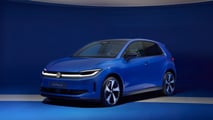
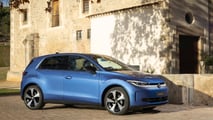
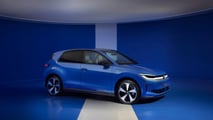
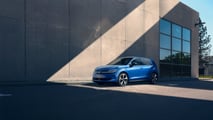
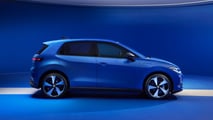
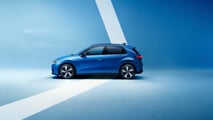 Source: Volkswagen
Motor1's Take: Automakers are struggling to meet the 2025–2027 fleet emissions targets, and the challenge will only intensify. Even stricter regulations will take effect in 2030, when car companies must cut CO₂ emissions by 55 percent compared to 2021 levels. From 2035, emissions will have to drop by 90 percent versus 2021 levels.
Consequently, most investments are now focused on hybrids and, especially, EVs. Although the outright ban on new combustion-engine cars from 2035 is no longer happening, we estimate there won’t be many new ICE-only models on sale in nine years. Most will be purely electric, while some will feature various hybrid powertrains.
Regulations Are Disrupting The Car Industry:
Regulations Have Killed Fun Cars In Europe Kia Blames Regulations for the Death of Gas Performance Cars Audi Explains Why Its Five-Cylinder Engine Is Dying Purists, Look Away: The Next Porsche 911 GT3 Could Go Turbo
We want your opinion!
What would you like to see on Motor1.com?
Take our 3 minute survey.- The Motor1.com Team
Share this Story GO TO COMMENTS ( ) Got a tip for us? Email: tips@motor1.com View all comments ( )RECOMMENDED FOR YOU
VW Sounds The Alarm: 'We Must Fundamentally Transform Our Business Model'
Bentley’s First EV Spied Looking Large And In Charge
Volkswagen Recalls 38,000 SUVs For Fuel Tank Issues
Man Goes To O’Reilly. Then A Worker Pulls Up All His Information: ‘Probably Got It From CarFax’
The New Volkswagen ID. Polo Is The People's Electric Car
Woman Buys A New Honda. Then She Realizes Her Car Loan Will Add $20,000 To Her Sticker Price: 'You're Paying $67,000'
RIP: These Dead EVs Won't Make It To 2027
Схожі новини
China's carmakers chase 'Yaris moment' to ignite overseas growth

Unsung heroes: Amish volunteers rebuild dozens of homes and bridges for free after Hurricane Helene in North Carolina

Подекуди бензин і дизель подорожчали одразу на гривню: скільки коштує пальне 5 травня