Voices: I’ve seen what aid can do. The world is making a grave mistake with cuts – and children are paying the price
Ten years ago, I watched a family, torn apart by war, be reunited. I keep asking myself whether, in 2026, that would still be possible.
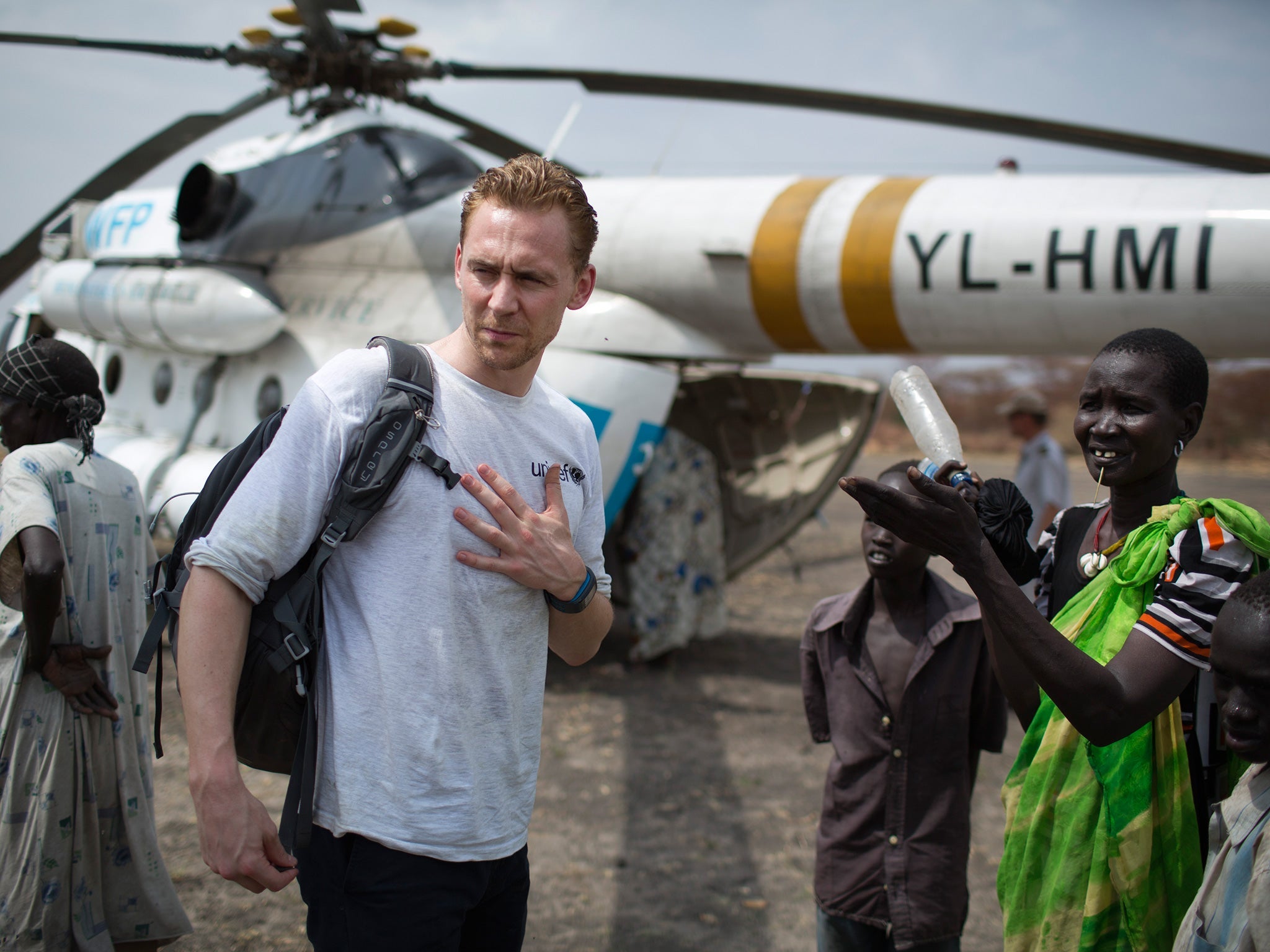
In November 2016, on my second trip to South Sudan, I met Nyalim*. She was twelve years old. She had been making a routine hospital visit with her mother and aunt when gunfire broke out. In the chaos, she ran in one direction, her mother and aunt in another.
Her family made it back to Bentiu; meanwhile, Nyalim ended up on a boat to Bor. Her parents believed she was dead. Three years later, Unicef’s tracing programme reconnected her with her parents. We flew her home to be reunited with them – the moment she saw her mother and father again is one I will remember for as long as I live.
 open image in gallery
On the same visit, I met Regina at an emergency feeding centre – a young mother who had fled the fighting carrying her 15-month-old daughter Emmanuela, who was severely malnourished, through miles of conflict. By the time I met them, Emmanuela was receiving treatment. After everything they had endured, there was finally reason to believe she would survive.
Nyalim was reunited with her parents because of the perseverance of local social workers and a family that refused to remain separated. Emmanuela survived because of the determination of her mother. International aid cannot claim credit for that courage, but it can ensure that when people like Regina arrive, there’s someone there to meet them.
Behind every feeding centre, every tracing programme, every health worker who was there when needed, lie years of investment – in nutrition, in health systems, in the infrastructure of an ordinary childhood. Governments, including that of the UK, helped build those systems. The question now is whether they intend to let them crumble.

South Sudan today is a country facing compounding crises. Since the start of 2026, renewed fighting has displaced 330,000 people, and the country is experiencing its largest ever recorded cholera outbreak – nearly 100,000 cases, with children among the hardest hit. More than 2 million children under five face acute malnutrition.
The withdrawal of the United States Agency for International Development (USAID) has deepened an already desperate situation – 186 nutrition sites have closed. As Unicef’s country representative Noala Skinner recently warned me, a malnourished child who receives no treatment is 12 times more likely to die.
In 2025, for the first time this century, deaths among children under five are expected to rise – a consequence of political decisions being made across the world. Aid budgets are being cut at the exact moment that conflicts, climate disasters and disease outbreaks are accelerating.
The UK’s direction of travel warrants a measure of scrutiny. Bilateral aid spending to African countries, where the majority of child deaths occur, has collapsed by 56 per cent. With the overall aid budget set to fall further still by 2027, to 0.3 per cent of gross national income, the human cost of these decisions is becoming visible. For context, in 2016, the percentage of UK gross national income apportioned for international aid was 0.7 per cent. Ten years ago, we gave more than double the proportion we give now.
 open image in gallery
Countries like Malawi, where more than 57,000 children are living with HIV, and Sierra Leone, which has one of the highest maternal and neonatal mortality rates in the world, are losing support entirely. The government says it is prioritising conflict-affected states like South Sudan, but that comes at a cost paid by children elsewhere.
This is what funding cuts mean in practice: ministers forcing themselves into impossible choices about which children deserve lifesaving treatment. Vulnerable children are being pitted against each other in a calculus no government should ever have to make, and no child should ever be subject to.
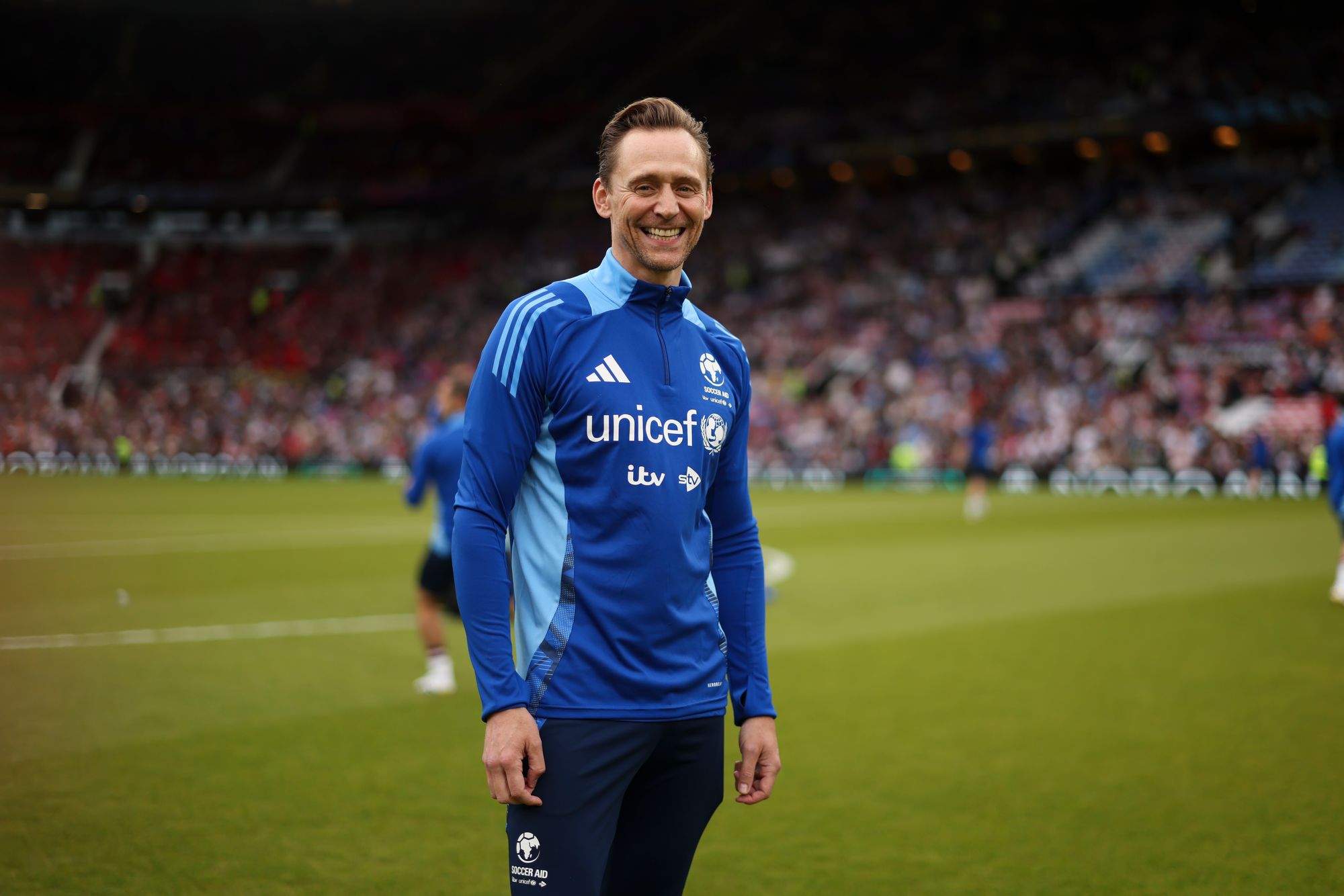
I am playing in Soccer Aid for Unicef on 31 May – the 20th anniversary of an event that has raised £121m for children since 2006. At a moment when governments are stepping back from their commitment to the world’s poorest children, that record is a powerful reminder of where the British public actually stand: 20 years of choosing to invest in the futures of children around the world. But public generosity, however extraordinary, cannot substitute for political will.
No child chooses where they are born. The children I met in South Sudan had ambitions as vivid as any child growing up in the UK. The lottery of birth should not determine whether they survive, whether they learn to read, whether they are given a genuine chance at a full and happy childhood. Unicef UK is asking the UK government to ensure that at least a quarter of its aid budget is spent on child-focused healthcare, nutrition and education programmes, so that those chances can be made real.
RecommendedEx CDC head warns Ebola outbreak will become a ‘very significant pandemic’
 ‘Punished for being from Sudan’: Students accuse UK of denying the right to education after study visas refused
 Trump is not just slashing maternity aid across the world – the US is also being hit hard
When I met Nyalim, she was about to see her parents again after years apart. When I met Emmanuela, her lifesaving treatment was working. Those outcomes were not inevitable. They happened because 10 years ago, the international community decided those children were worth investing in.
That commitment is now faltering – and children will pay the highest price. The UK government can choose to build on the success of its aid legacy, or it can look at the world’s most vulnerable children and decide it can no longer afford to help them.
*Names changed to protect identities
Tom Hiddleston is an ambassador for Unicef UK, and will be playing for England in Soccer Aid for Unicef on 31 May
This article has been produced as part of The Independent’s Rethinking Global Aid project
Join our commenting forum
Join thought-provoking conversations, follow other Independent readers and see their replies
CommentsСхожі новини
"Київстар" купив шість сонячних електростанцій за 3,6 мільярда
Танкер біля узбережжя Оману вибухнув – є витік пального
Ритейл, агро і фарма забрали верхівку рейтингу компаній за приростом доходу
