US weighs offensive space tactics as China satellite rivalry intensifies
Former Pentagon official says Washington is debating ways to deny Beijing use of space amid fears over military miscalculation
2-MIN READ2-MIN2 Listen
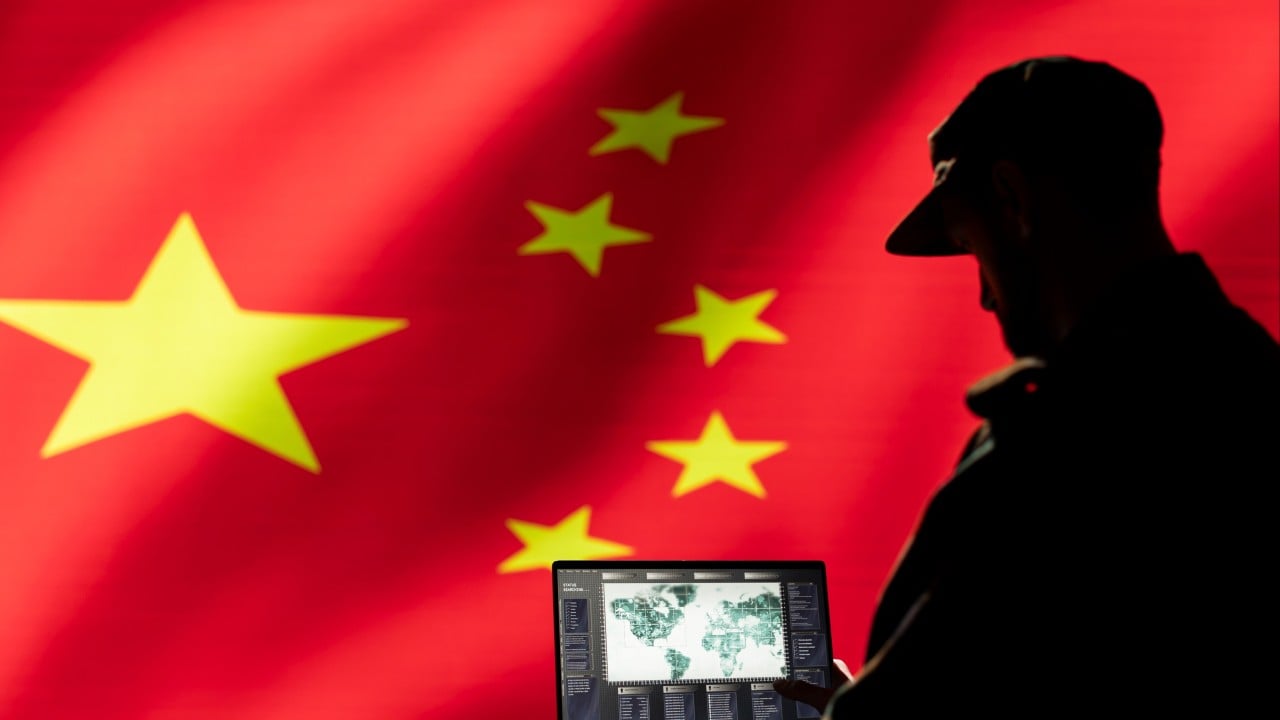
The US is preparing offensive weapons to blind China’s military satellites in any future conflict, even as the two sides lack reliable channels to manage risks in an increasingly crowded orbit, defence analysts said on Tuesday.
Kari Bingen, director of the Aerospace Security Project at the Centre for Strategic and International Studies (CSIS) and a former US deputy under secretary of defence for intelligence, said that Washington was openly debating how to “hold at risk” the satellites that underpin Chinese targeting of American forces in any Indo-Pacific conflict.
“We’re now having to think … how do we, the United States, hold those assets at risk, so that they can’t use space to target us on the ground,” Bingen told the CSIS event. “That is really starting to spur this much more public conversation on offence, or our ability to deny the other side the use of space.”
AdvertisementThe People’s Liberation Army (PLA) now operates more than 500 intelligence, surveillance and reconnaissance (ISR) satellites, Bingen said, and has been “practising out in the Gobi Desert, targeting our ports, our ships, our airfields” by pairing space sensors with battle networks to close “kill chains” against US forces.
Bingen also warned that Washington and Beijing lacked the basic safety dialogue that still exists between Washington and Moscow.
AdvertisementIf a US satellite was on a collision course with a Chinese one, “we send an email. We don’t know if it gets answered. The onus is on our side to take that evasive manoeuvre”, she said.
AdvertisementSelect VoiceSelect Speed0.8x0.9x1.0x1.1x1.2x1.5x1.75x00:0000:001.00xСхожі новини
Іран звинуватив США у порушенні режиму припинення вогню

Необхідне, але смертельне рішення: генерал армії сказав, чи зважиться Путін на повну мобілізацію