The US blockade is war by another name and must end. Two other things must change for the Iran ceasefire to become genuine diplomacy
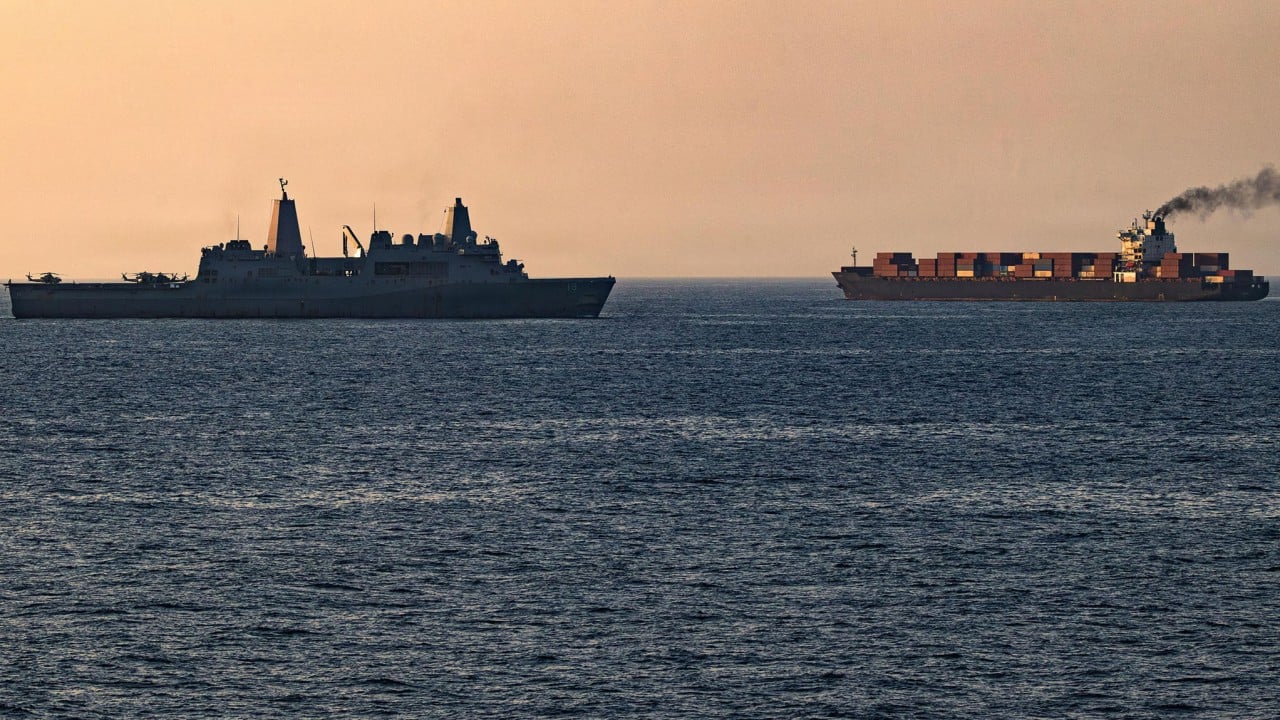
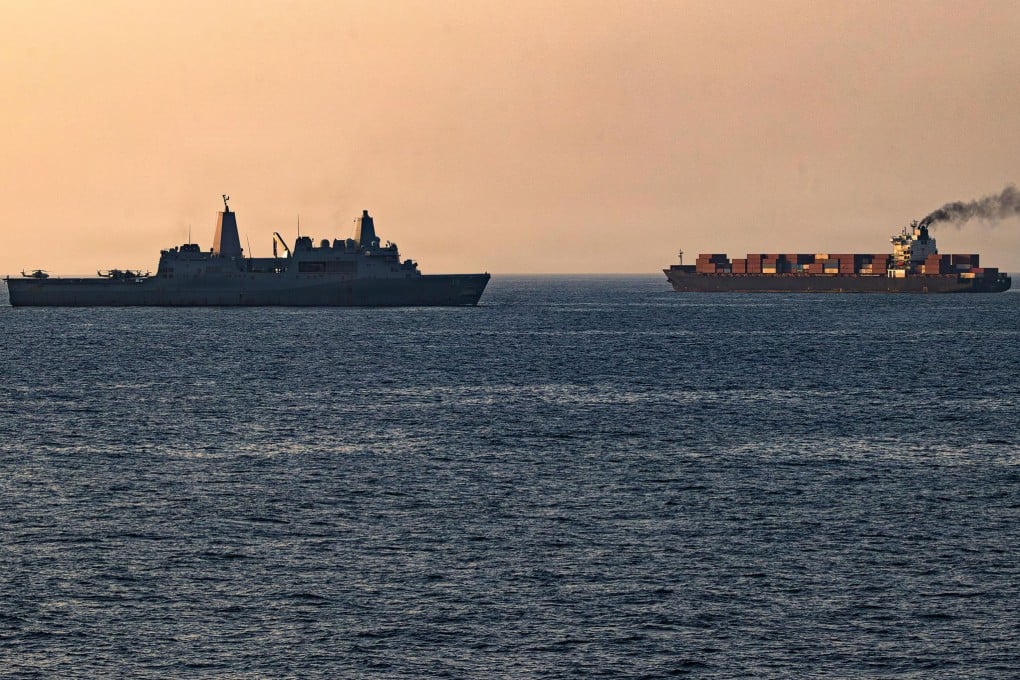
3-MIN READ3-MIN ListenRuqiya AnwarRuqiya Anwar is a PhD scholar of media and communication studies, researcher and socio-political analyst from Pakistan. Published: 5:30am, 29 Apr 2026While the United States and Iran exchange peace proposals in Islamabad, the Middle East remains trapped in a cycle of escalation. Ships burn in the Strait of Hormuz, Lebanon absorbs strikes by Israel and the nuclear gap remains unbridgeable. Calling this moment a ceasefire might be in line with diplomatic language, but on the ground it has the familiar look of war, just repackaged.While US President Donald Trump might have negotiated some sort of ceasefire agreement, the American naval blockade on Iranian ports persists, a move that Iran considers an act of war. The Iranians have made clear they will not open the Strait of Hormuz until the blockade is lifted.On April 21, Trump extended the ceasefire through Truth Social, attributing the lack of a common plan to the divided leadership in Iran. Within 24 hours, the Islamic Revolutionary Guard Corps seized two commercial vessels in the Strait of Hormuz, the MSC Francesca and the Epaminondas. In Tehran’s reading, this was not a ceasefire violation. It was enforcement of one.AdvertisementPakistan has offered its capital as neutral ground. Pakistan’s Prime Minister Shehbaz Sharif put his international reputation on the line trying to get both parties to agree to meet. Their first attempt at talks lasted for 21 hours. The two sides reached some general agreements, but not on two important topics: the Strait of Hormuz and uranium enrichment.A second round of talks was planned but is now in doubt after Trump told his envoys not to travel to Pakistan. Pakistani Information Minister Attaullah Tarar could only tweet: “Formal response from Iranian side about confirmation of delegation to attend Islamabad Peace Talks is still awaited.”AdvertisementPakistan cannot bridge this gap alone. It is being asked to mediate between a party demanding steep concessions and a party that refuses to negotiate under active military siege. That is not a gap any host country can close. It requires also the leaders themselves to move, and neither is moving.AdvertisementSelect VoiceSelect Speed0.8x0.9x1.0x1.1x1.2x1.5x1.75x00:0000:001.00x