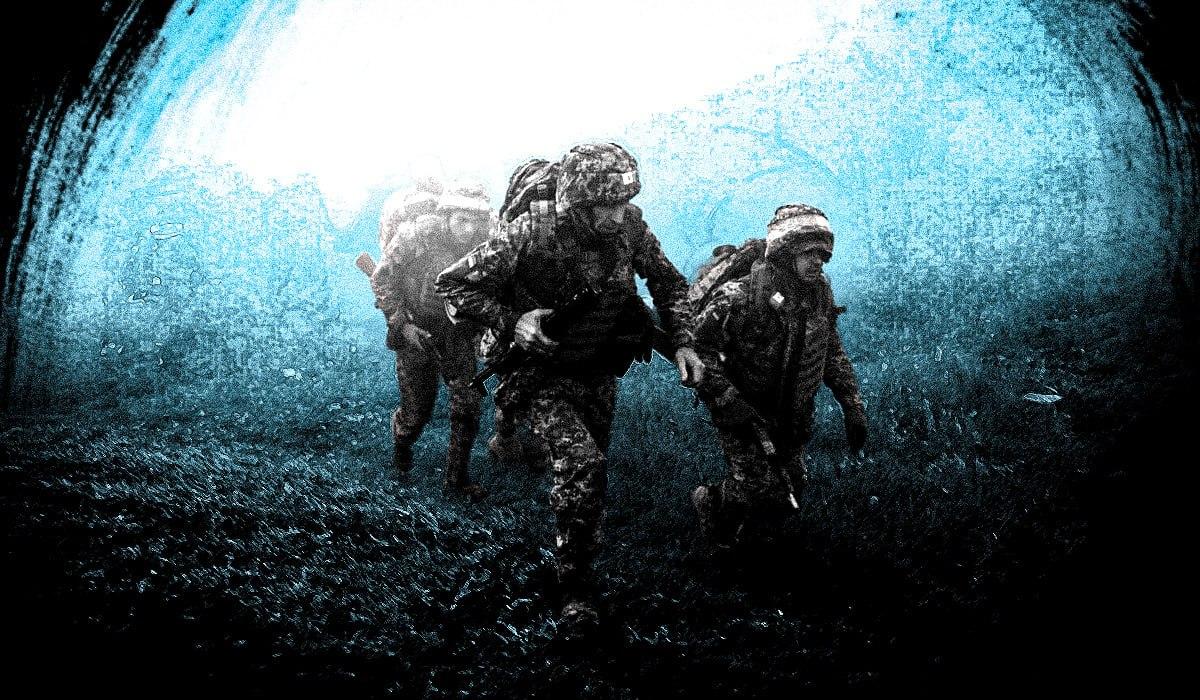
Ukraine war is at ‘turning point’ and Kyiv has six months to seize initiative, says senior commander
Ukraine faces a critical six-month window to seize the battlefield initiative from Russia and strengthen its position for potential peace negotiations, a senior commander has said, predicting an imminent "turning point" in the conflict now in its fifth year.
Russian forces have made incremental gains since their full-scale invasion in February 2022, but their advances have slowed this year. Ukrainian troops are now intensifying pressure on the frontline in an effort to push back the invaders.
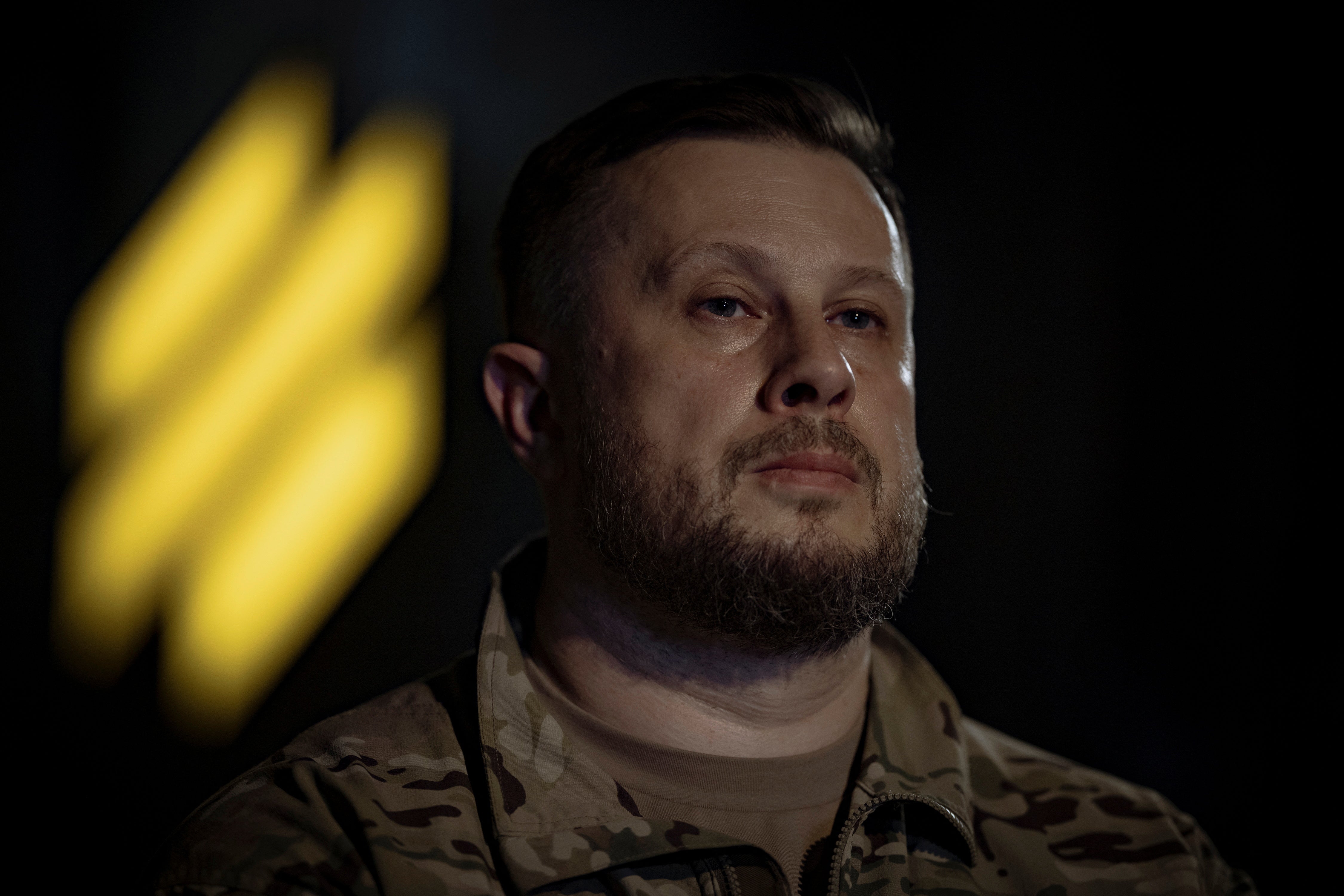
Brigadier General Andriy Biletsky, who commands Ukraine's Third Army Corps – one of the nation's most respected fighting formations – told Reuters in an interview that he believes Russia's military is exhausted and incapable of achieving significant breakthroughs.
Should Ukraine's military successfully build and sustain momentum over the coming months, it could gain the upper hand along the frontline, compelling Russia to abandon its ambitions for the last remaining part of the Donetsk region in eastern Ukraine that it does not yet occupy, he explained.
 open image in gallery
"I believe the next six to nine months are a turning point," General Biletsky stated from an undisclosed underground location in the northeastern Kharkiv region. "More precisely, I think the next six are the most critical."
The control of Donetsk has emerged as a significant obstacle in stalled US-backed peace talks, with Russia demanding the entire region and Ukraine refusing to withdraw from territory that Moscow's forces have been unable to conquer.
"We need to define those directions where we can improve our positions, take some strategic points, and then speak with the Russians from a position of strength - not weakness - about a truly stable truce," said General Biletsky, a right-wing political leader who founded the battle-hardened Azov Battalion and now commands tens of thousands of troops. "From a military point of view, this is realistic."
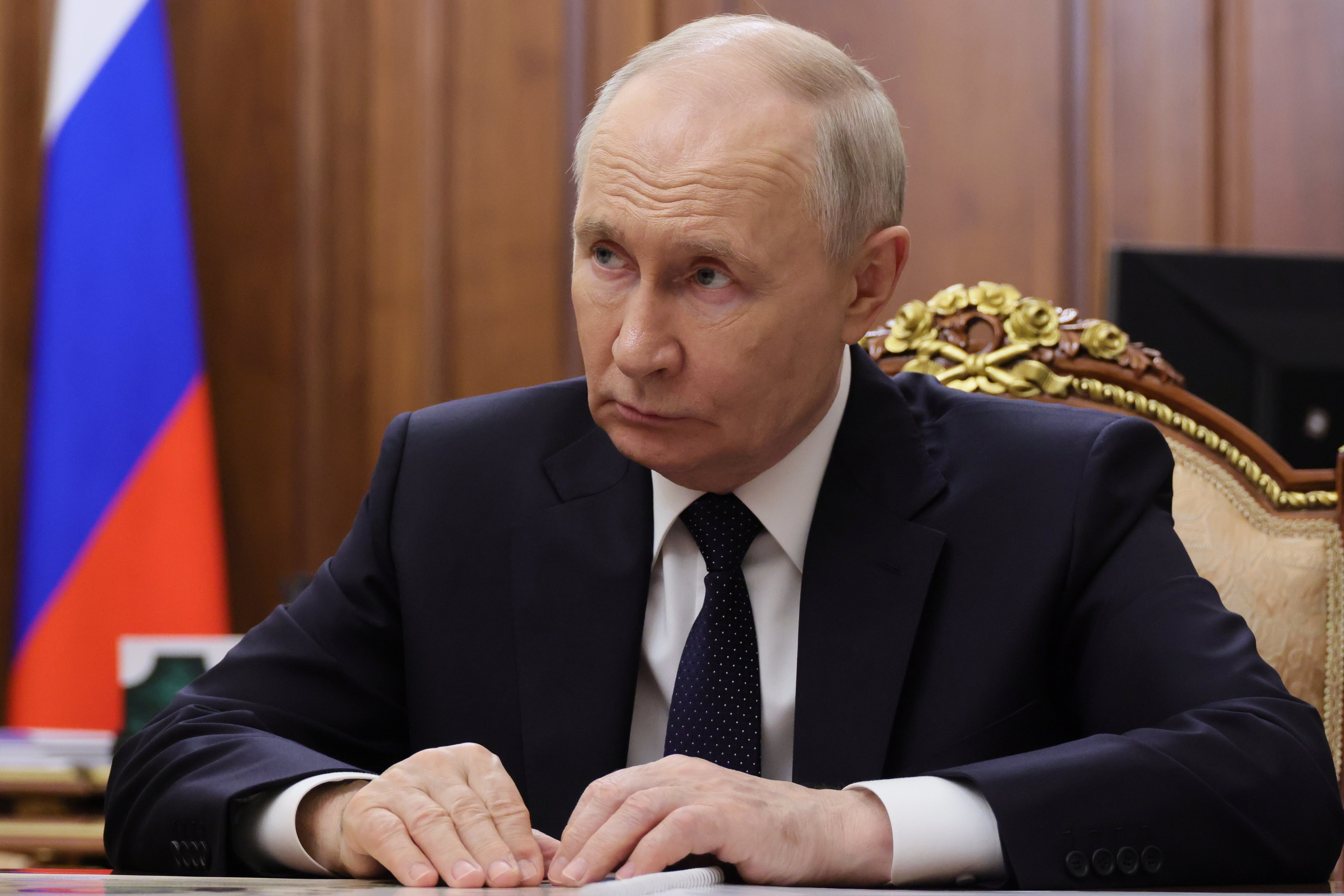
Russia's Defence Ministry did not immediately respond to a request for comment. Russian President Vladimir Putin has consistently promised victory in Ukraine and stated earlier this month that he believes the war is nearing its conclusion.
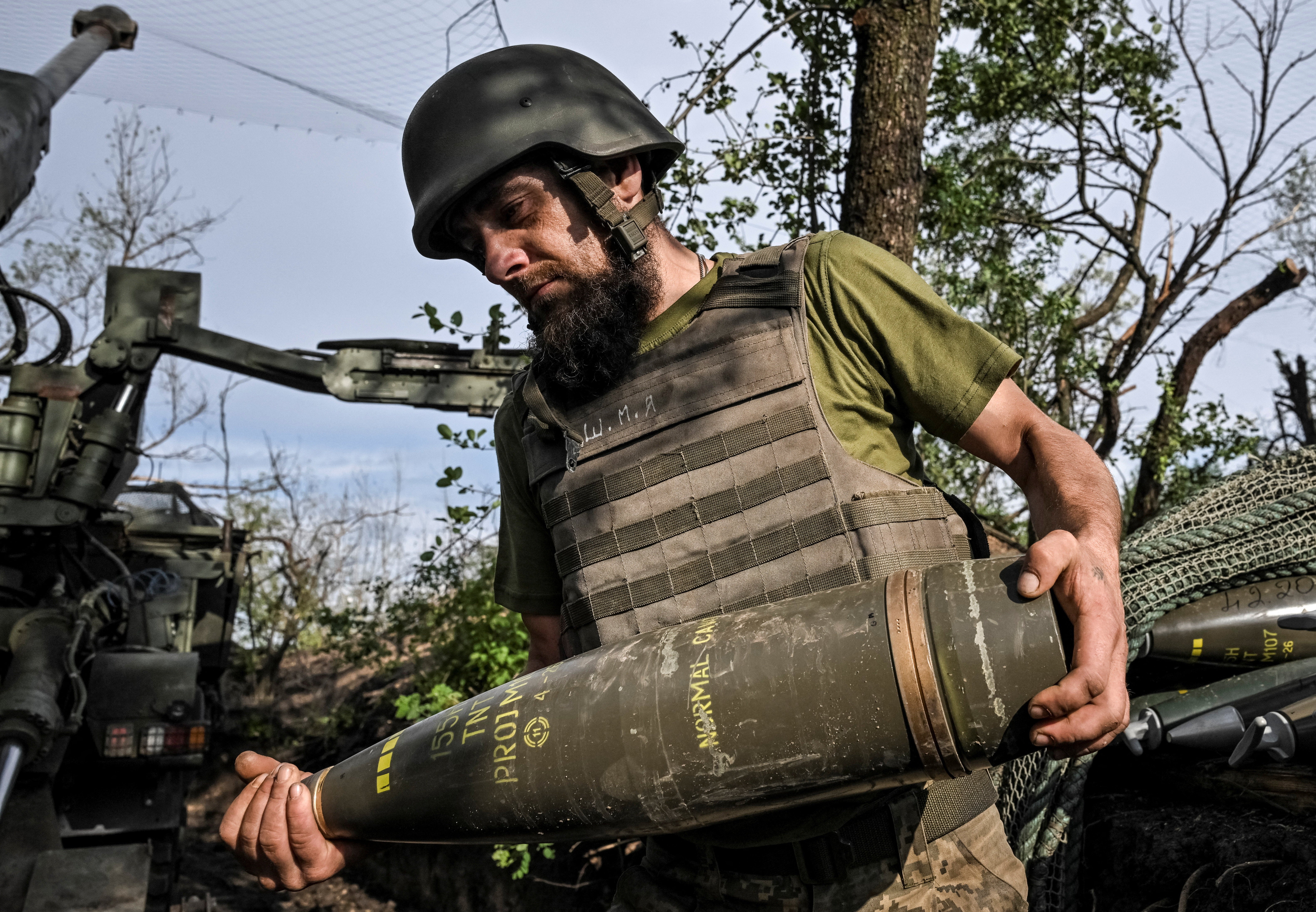
Russia's advances have been complicated by billionaire Elon Musk's decision to deny Moscow's forces access to his Starlink satellite-based internet service. Concurrently, Kyiv has escalated medium-range drone attacks on Russian air defences and logistics, facilitating more long-range strikes on oil and military facilities within Russia.
 open image in gallery
President Volodymyr Zelenskiy claimed last week that Ukraine had retaken nearly 600 square kilometres (230 square miles) of territory in 2026. Reuters was unable to independently verify this figure. Moscow currently controls almost one-fifth of Ukrainian territory.
Assessing the military situation, John Helin of the Finland-based Black Bird conflict-analysis group echoed General Biletsky's assessment that fatigue is a problem for Russian forces, while Ukraine's war effort is hampered by a manpower shortage.
"It does seem like, four or five months into this year, it's much more likely that the Russians will get exhausted before the Ukrainian problems come to a breaking point," he told Reuters.
On Monday, the US-based Institute for the Study of War reported that Kyiv's forces are now "actively challenging the positional character of the war" and could soon be capable of staging limited mechanised assaults.
Russian troops are currently pressing on eastern Ukraine's "Fortress Belt," with intense fighting reported inside the strategic city of Kostiantynivka, at its southern end. This constellation of heavily fortified cities anchors Ukrainian defences, and its capture would position Russia to threaten the remainder of the Donbas.
 open image in gallery
General Biletsky, whose forces hold over one-tenth of the total front line, stated that his troops are firmly holding the flank around Sloviansk, the northern bastion of the belt, forcing Russia into costly head-on attacks. Such assaults have depleted Russian forces and led to heavy losses among field commanders, contributing to what he described as a professional degradation of Moscow's military.
"The lack of personnel no longer allows them to advance the way they did, for example, a year ago," General Biletsky said.
He cautioned that it was too early to draw definitive conclusions from Kyiv's recent successes, but suggested Ukraine could capitalise by continuing mid-range attacks and advancing "carefully."
Moscow is "radically losing" in battlefield communications due to Musk's crackdown on Starlink usage, General Biletsky noted.
However, he described the sides as being at parity in evolving technology, with Ukraine leading in unmanned ground vehicles (UGVs) and heavy bomber drones, while Russia is ahead in fibre-optic drones, which are immune to jamming.
General Biletsky's corps, serving as a potential blueprint for a modernised Ukrainian army, has spearheaded efforts to transform training and integrate new technologies such as UGVs as a crucial component of its battlefield strategy.
His units are at the forefront of deploying stealthy kamikaze drones and robots armed with machine guns or rocket launchers, aiming to replace significant portions of infantrymen – targeting 30 per cent by 2027.
The next "revolution" will enable commanders to stage more "creative" combined assault operations while conserving precious troops, General Biletsky predicted. "It will happen this year, and I think we'll show how our corps is a vivid example of it," he concluded.
Join our commenting forum
Join thought-provoking conversations, follow other Independent readers and see their replies
CommentsСхожі новини
Errant Ukrainian drones fuel tensions on NATO’s eastern flank
Middle East: Israel says Hamas' armed wing chief killed

Військова активність Росії змушує Японію готуватися до війни на два фронти, – ЗМІ