UAE ramps up construction of new oil pipeline bypassing Strait of Hormuz
The United Arab Emirates is accelerating the construction of a crucial new oil pipeline, aiming to double its export capacity through Fujairah by 2027 and significantly bypass the Strait of Hormuz, a strategic waterway recently shut down by Iran.
This ambitious project, announced by the government's Abu Dhabi Media Office on Friday, underscores the nation's drive to secure its energy exports.
Abu Dhabi Crown Prince Sheikh Khaled bin Mohamed bin Zayed has directed the Abu Dhabi National Oil Company (ADNOC) to fast-track the West-East Pipeline project.
The pipeline is currently under construction and is anticipated to commence operations in 2027, though the original timeline for its completion was not disclosed by ADMO.
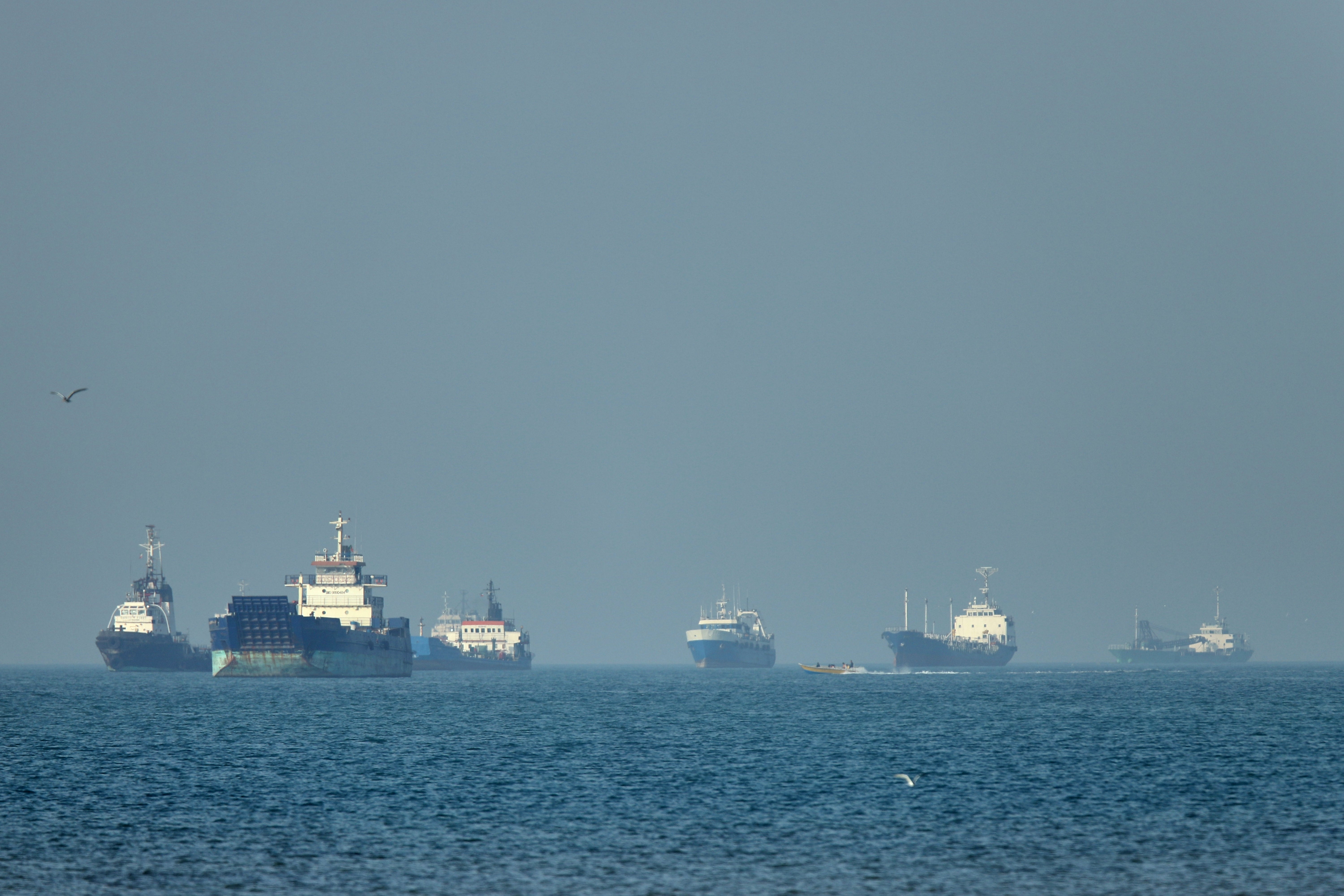
The urgency behind this acceleration stems from the effective closure of the Strait of Hormuz by Iran since 28 February, following attacks by the US and Israel.
This disruption has choked off approximately a fifth of global oil supplies, leading to a surge in energy prices, fuel rationing in some countries, and growing fears of an economic downturn amid rising inflation.
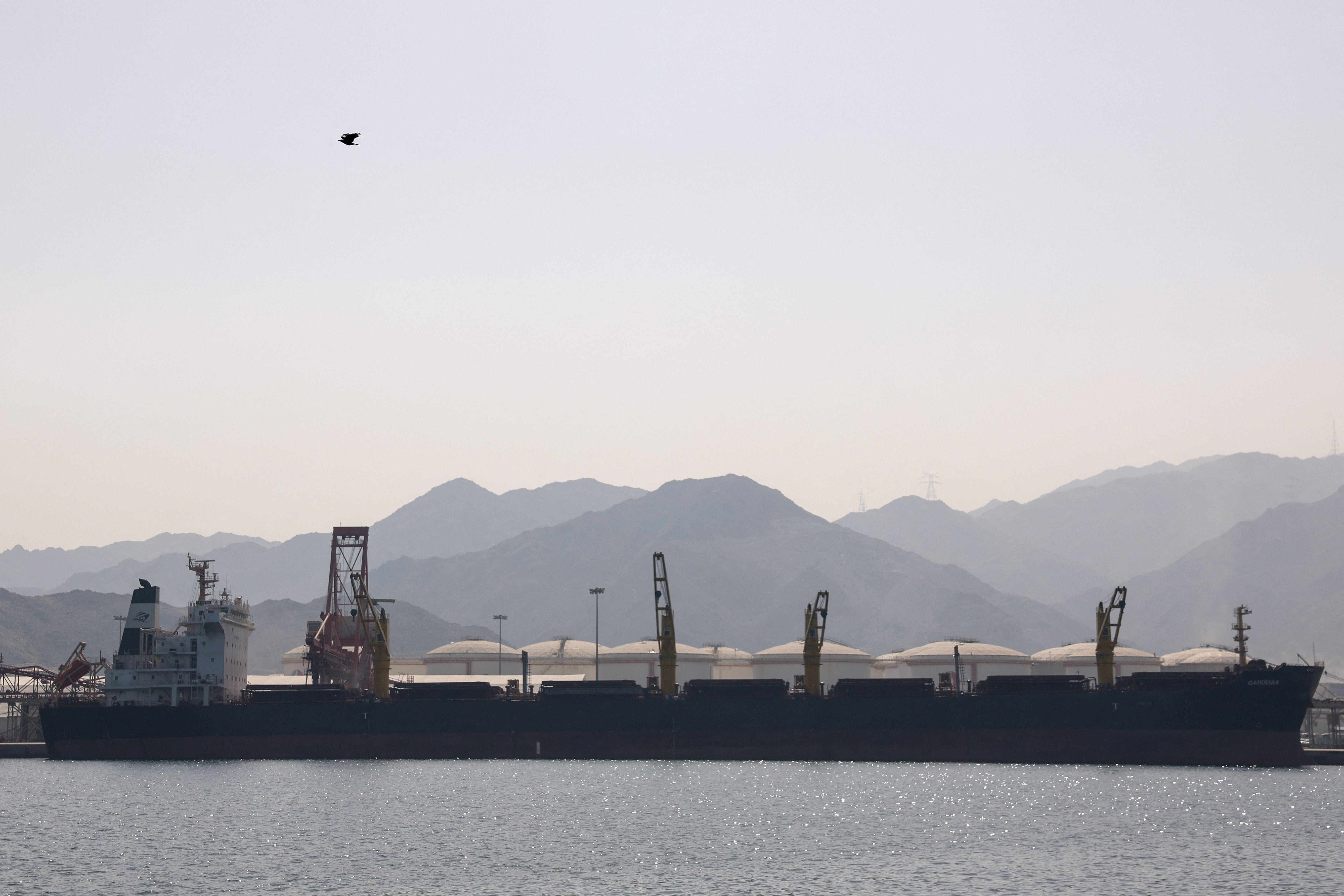
The UAE already operates the Abu Dhabi Crude Oil Pipeline (ADCOP), also known as the Habshan-Fujairah pipeline, which boasts a capacity of up to 1.8 million barrels per day.
 open image in gallery
This existing infrastructure has proven vital in enabling the country to maximise its exports from the Gulf of Oman coast. Alongside Saudi Arabia, the UAE stands as one of the few Gulf producers with pipelines capable of exporting crude oil outside the strait, a stark contrast to Kuwait, Iraq, Qatar, and Bahrain, which remain almost entirely dependent on the waterway for their shipments.
The new UAE pipeline is not to be confused with Saudi Arabia's East-West pipeline, which state oil giant Aramco's Chief Executive Amin Nasser has called a "critical lifeline".
Aramco ramped up the pipeline's capacity to 7 million bpd in eight days, he said, keeping about 60% of the kingdom’s pre-war exports flowing.
The announcement of the new pipeline comes two weeks after the UAE exited the Organization of the Petroleum Exporting Countries, which is de facto led by Saudi Arabia - freeing it of oil output quotas.
The UAE could boost output capacity to 6 million bpd if necessary, its energy minister told Reuters last year. ADNOC is targeting 5 million bpd of capacity by next year, a goal brought forward by three years. It said in May 2024 that capacity had reached 4.85 million bpd and has not provided an update since.
 open image in gallery
ADNOC Drilling, one of the group's six listed subsidiaries, is ready to deliver whatever capacity expansion ADNOC needs, its finance chief told Reuters this week.
The UAE produced just under 3.4 million bpd in January before the war, but output more than halved after the effective closure of the Strait of Hormuz forced ADNOC to shut in some production, Reuters reported in March.
Fujairah has emerged as a lifeline for the UAE, including for non-oil exports as the country relies heavily on food imports. The port has been attacked several times, which the UAE has blamed on Iran, forcing temporary halts to oil loadings in April. Saudi Arabia's Red Sea port of Yanbu, where the East-West pipeline terminates, was also attacked.
The UAE and its oil buyers have recently sailed several tankers through the strait with location trackers switched off to avoid Iranian attacks, in a bid to move oil trapped in the Gulf, Reuters reported this month.
Join our commenting forum
Join thought-provoking conversations, follow other Independent readers and see their replies
Comments