Trump wants health deals with African nations to replace US aid – but it isn’t going how he planned
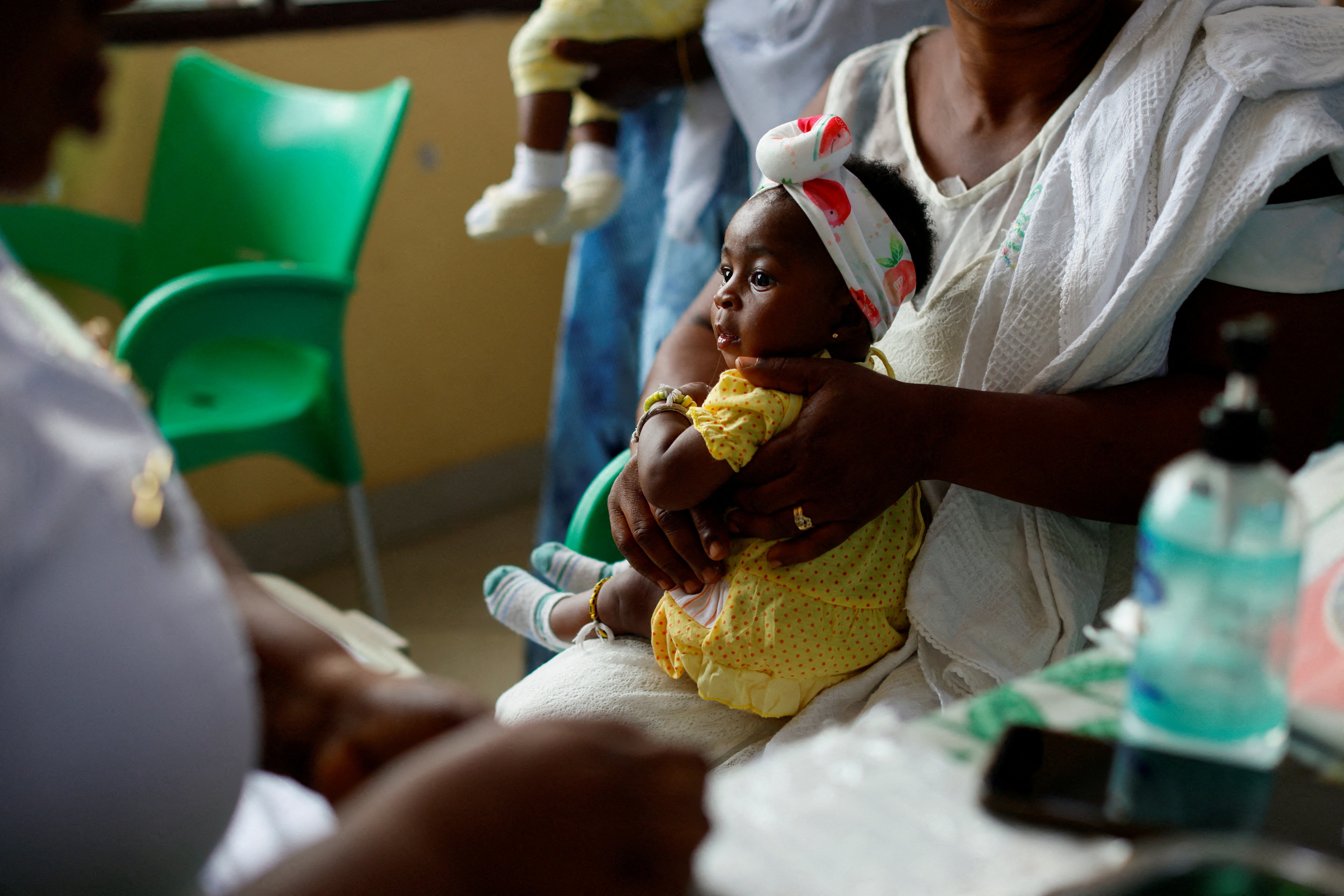
There have been less condoms in Ghana since October, sources say stock is sitting in a port and unmoving. The United States President’s Emergency Plan for AIDS Relief (Pepfar) was one of the country’s biggest procurers of contraceptives, but funding is gone and nothing has replaced it.
The result is an already increasing number of teenage pregnancies and adolescent sexually transmitted infections, those working on the ground in the country say. “It’s too early for the data, but there is an uptick and more people are presenting with HIV infections too,” Sarah Shaw, director of advocacy for the MSI Reproductive Choices group, tells The Independent.
This is what a funding freeze looks like before headline figures catch up. Since Donald Trump returned to the White House at the beginning of last year, the administration has been brutal. It hollowed out the United States Agency for International Development (USAID), eliminating 90 per cent of its reproductive health programmes. It withdrew from UN Women and the UN Population Fund.
 open image in gallery
It expanded the Mexico City Policy – the longstanding rule used by Republican presidents to bar US global health funding from going to organisations that provide or discuss abortion – into something with a different name and a far wider reach. The new version applies not just to family planning funding but to every dollar of US foreign aid and not just to international NGOs but to US-based organisations, foreign governments and UN agencies.
In place of USAID, the administration has been negotiating bilateral health agreements with individual countries, framed publicly as a step toward countries taking ownership of their own health financing.
Jennifer Kates, a senior global health policy analyst at KFF, has tracked them closely. The headline figures – 32 signed agreements around the world totalling $20.3 billion, including $12.8 billion from the US government – do not, she tells The Independent, “fully replace the amount of support that had been provided before 2025.” Shaw says family planning does not appear in any of the six agreements, known as Memoranda of Understanding (MOUs), that have made it into the public domain.
The nations in Africa that have signed agreements are: Angola, Botswana, Burkina Faso, Burundi, Cameroon, Ivory Coast, the Democratic Republic of the Congo, Eswatini, Ethiopia, Guinea, Kenya, Lesotho, Liberia, Madagascar, Malawi, Mozambique, Niger, Nigeria, Rwanda, Senegal, Sierra Leone and Uganda.
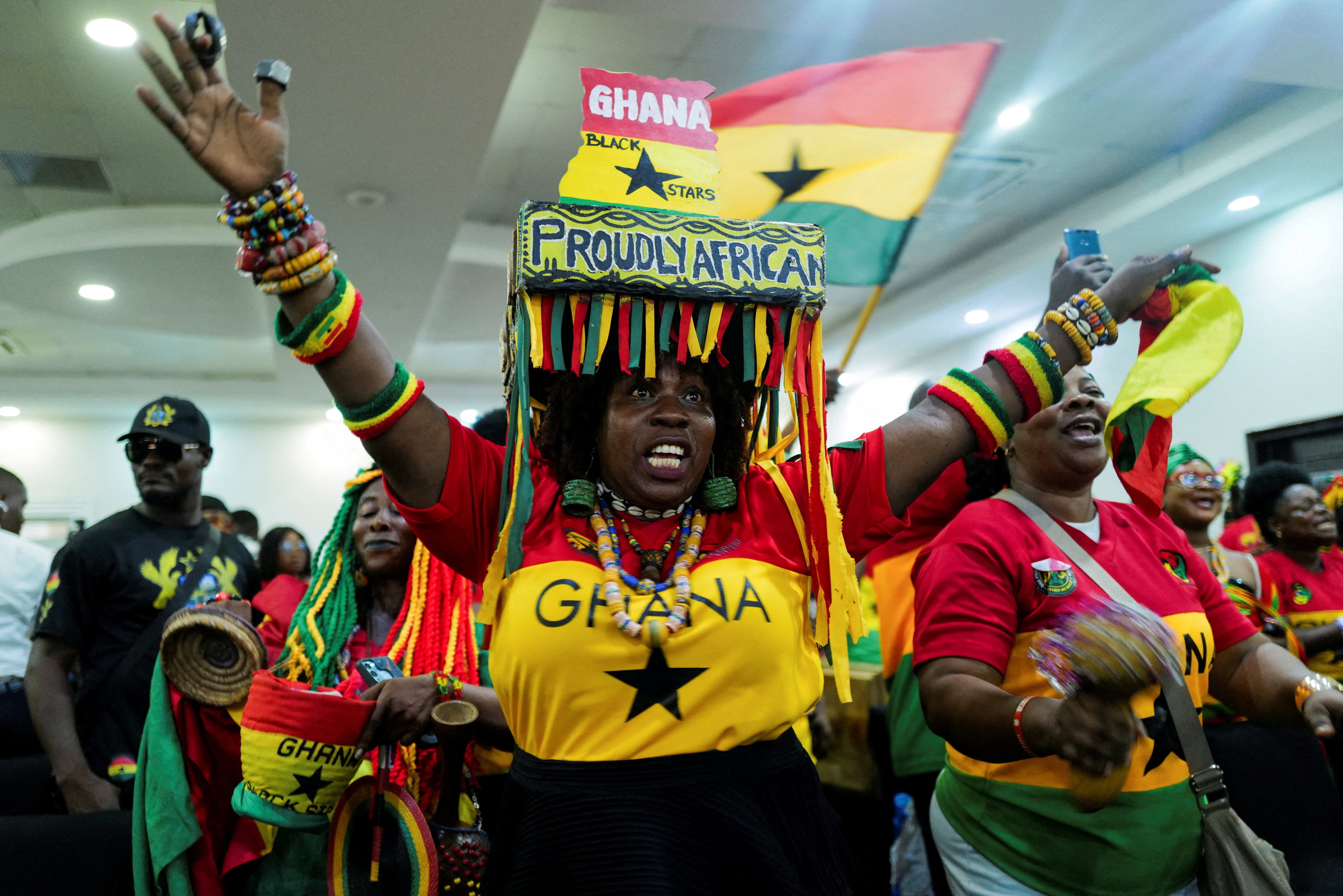
The US made swift progress to begin with, but Ghana, Zimbabwe and Zambia have all pushed back on the deals. One reason, says Kates, is that the financial targets countries are being asked to hit are steep.
 open image in gallery
“The targets are quite ambitious and will likely pose challenges for some countries. Kenya, for example, [is required to contribute] $850 million over the agreement period, with most of it to be provided in the last two years,” Kates says. “This is not an insignificant amount given that the Kenyan government currently spends about $2.2 billion on health per year and Kenya also has significant debt.”
The Zambia draft made explicit what many suspected elsewhere: health cooperation tied to mineral and resource access, with the country expected to share biological materials and epidemiological data without reciprocal guarantees on vaccines or treatments. Zimbabwe rejected the agreement as an “unequal exchange.”
Ghana rejected their down over data privacy concerns. Arnold Kavaarpuo, executive director of Ghana’s Data Protection Commission, told the Associated Press that the scope of the health data access that was requested under the deal “went far beyond what would typically be required”.
Alexandra Tarzikhan, a global health analysis and policy specialist at Doctors Without Borders in the US, said of the US deals: “The central issue tying the pushback together is concern over sovereignty, particularly data sovereignty… and the perception that these agreements are shifting from public health partnerships into broader geopolitical or extractive arrangements.”
Tarzikhan is direct about what “country ownership” looks like in practice, saying: “Critics increasingly describe these arrangements less as traditional localisation and more as a transfer of financial responsibility without proportional [returns].”
Asia Russell, the executive director at from HealthGAP [Global Access Project] said of the Trump administration and their health deals: “This administration is anti-transparency [on] how it is spending taxpayer money, flying in the face of minimum standards for accountability and best practices in global health.”
“As a result, Russell adds, “we are seeing poor quality agreements… and agreements that focus on exploitation — such as the case of Zambia, where the State Department is threatening to withhold HIV treatment unless access to mineral wealth is handed over… Moreover, all of these MOUs are behind schedule, and access to life saving services are on the line as a result”
A State Department spokesperson said that the focus for the department is on implementing lifesaving care in global health priority areas, including HIV/AIDS, tuberculosis, malaria, and maternal and child health – including through new, landmark bilateral global health Memoranda of Understanding (MOU). The spokesperson added: Claims that US global health policy abandons women’s health are false. US assistance supports a wide range of maternal and child health services”.
This article has been produced as part of The Independent’s Rethinking Global Aid project
Join our commenting forum
Join thought-provoking conversations, follow other Independent readers and see their replies
CommentsСхожі новини
Hirokazu Kore-eda says human imagination still matters in the age of AI
Malians tell of torture and killings by army and Russian fighters

Spice flagged as drugs at Bhopal airport, HC awards man Rs 10 lakh after 16 years