Trump says he’s seriously considering making Venezuela the 51st US state
President Donald Trump has once again suggested that his administration will try to annex Venezuela, telling Fox News that he is seriously considering a move to make the South American nation the 51st U.S. state.
The president has repeatedly threatened to annex several sovereign nations and territories or use military force to control them, including Canada, Greenland, Panama and Cuba. But his latest comments follow a lethal military operation to arrest Venezuelan leader Nicolas Maduro and his wife Cilia Flores, while working alongside oil companies to seize oil infrastructure.
Trump is now “seriously considering a move to make Venezuela the 51st state,” according to John Roberts, co-anchor of America Reports on Fox News, who spoke to the president Monday.
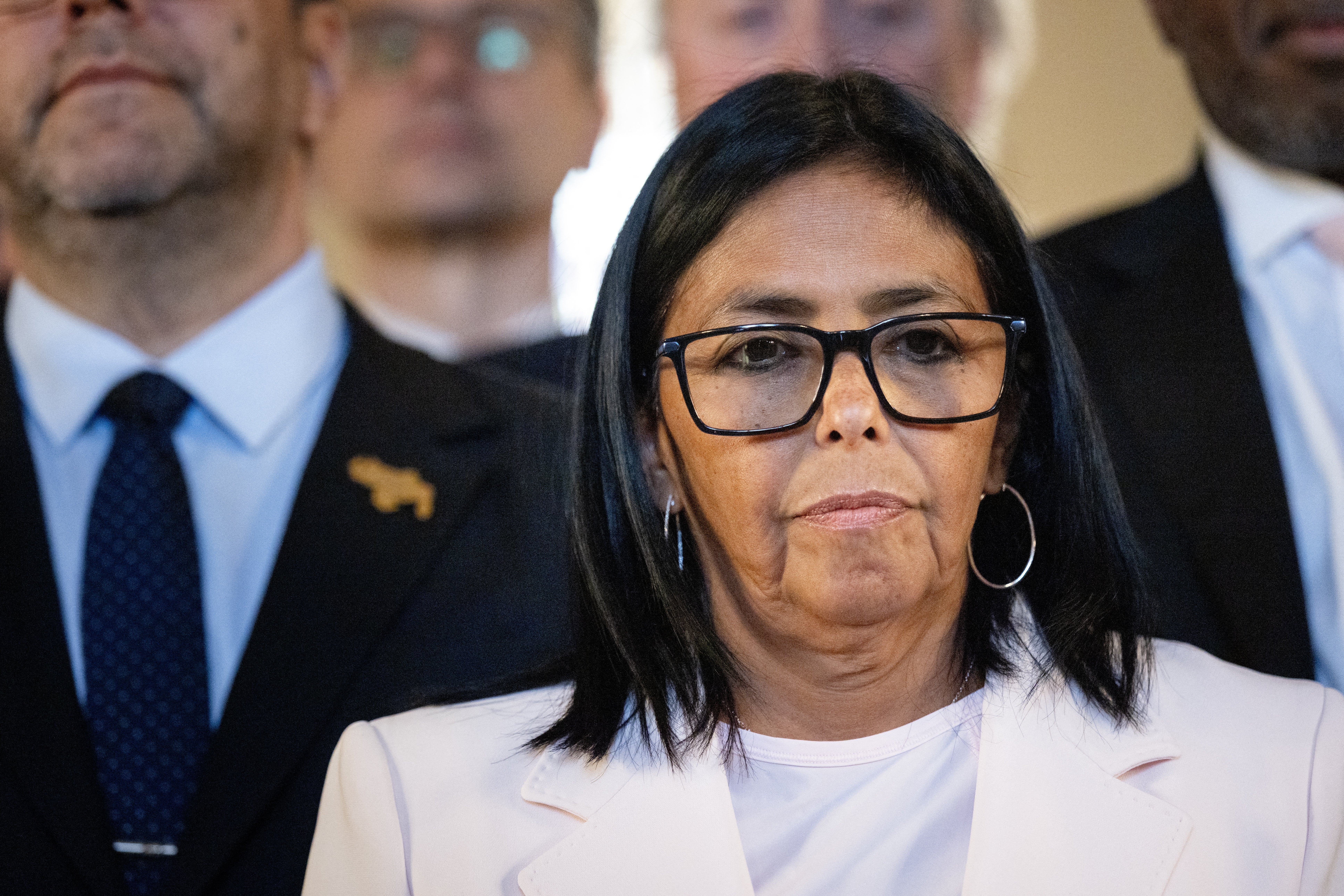
Following Maduro’s capture in January, White House officials have shuttled back and forth to Caracas to broker deals with U.S. energy and mining companies while trying to forge closer ties to interim President Delcy Rodríguez and her administration — talks that have accelerated as the U.S. war with Iran threatens global energy supplies.
Trump — who cannot legally declare Venezuela the 51st state without congressional approval or Venezuela’s consent — has not ruled out military intervention when it comes to his imperial ambitions to occupy Greenland. When it comes to Venezuela, the U.S. has already built up one of the largest naval fleets in the Caribbean in decades and continues a deadly streak of bombings against alleged drug-trafficking boats in the region.
 open image in gallery
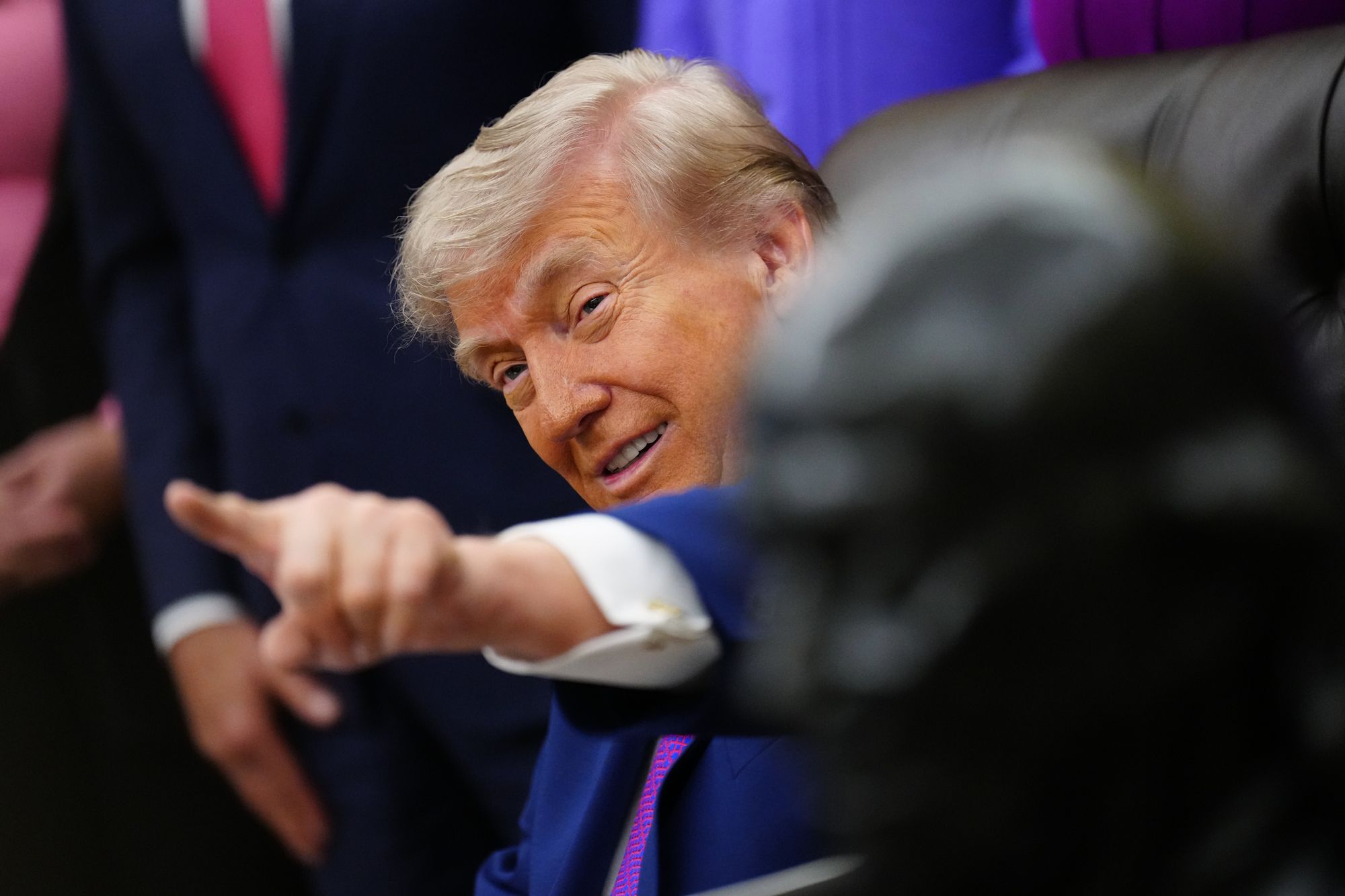
Trump told reporters at the White House Monday that U.S. operations in Venezuela were “military genius.”
“Venezuela is a very happy country right now,” Trump also told Full Measure’s Sharyl Attkisson in an interview that aired May 10.
“They were miserable. Now they’re happy. It’s being well run,” he said. “The oil that’s coming out is enormous, the biggest in many years. And the big oil companies are going in with the biggest, most beautiful rigs you’ve ever seen.”
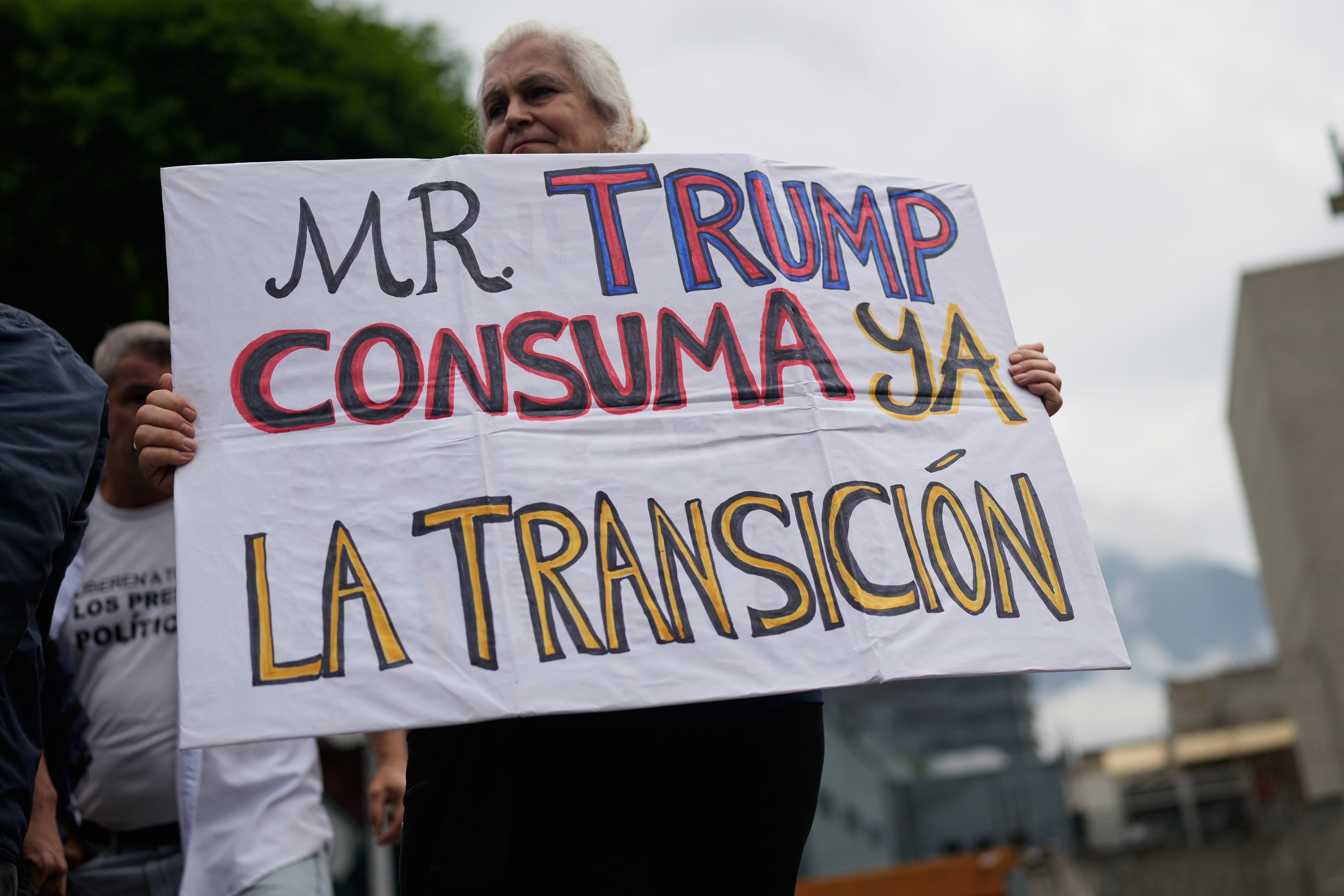
Rodríguez has not publicly announced a timeline for democratic elections, drawing fears that the White House has abandoned a stated goal of pushing the country towards democracy after Trump said the U.S. will indefinitely “run” Venezuela.
She recently told reporters that elections will happen “some time.”
“We’re in the stability phase,” Trump’s top energy adviser Jarrod Agen recently told Politico. “And that’s really about getting the energy deals flowing and getting funds in there for the everyday activities of Venezuela.”
The U.S. reopened its embassy in Caracas in March and direct flights from the U.S. resumed last month.
 open image in gallery
In remarks after announcing Maduro’s capture in January, Trump said an interim group led by top administration officials will “run” the country for “a period of time” until the U.S. determines a “peaceful and just transition” can take place.
Trump did not rule out the possibility of American boots on the ground, though he has suggested U.S. military assets would protect Venezuela’s vast oil infrastructure in a nation with the largest proven oil reserves in the world.
The U.S. will then sell “large amounts of oil to other countries,” he said in remarks after Maduro’s capture. “We’re in the oil business.”
He later said U.S. oil companies plan to invest $100 billion into “rebuilding, in a much bigger, better and more modern form, their oil and gas infrastructure.”
Trump has also used the Venezuela crisis to revive a debunked conspiracy theory that election technology firms were designed to rig Venezuelan elections and then deployed to the U.S. to manipulate results to put Joe Biden in office. The president shared a post in January claiming that the CIA outsourced those companies to rig the election against him in 2020.
 open image in gallery
In testimony to members of Congress in January, Secretary of State Marco Rubio walked back military threats in Venezuela, stating that the U.S. is not “postured” for taking military action in Venezuela “at any time” after capturing Maduro.
“The only military presence you will see in Venezuela is our Marine guards at an embassy,” he said.
But the president has since repeatedly suggested that he’s interested in taking the country anyway. “STATEHOOD, #51, ANYONE?” he wrote on Truth Social after Venezuela defeated Italy at the World Baseball Classic in March.
The president’s threats have alarmed critics who fear that the U.S. could blow up international accords and open the door for authoritarian regimes to make similar moves.
“The Venezuelan people deserve a democratic transition, and for those responsible for serious human rights violations to be held accountable before the law,” a coalition of more than 40 human rights groups working in Latin America wrote in a joint statement earlier this year.
“However, this cannot justify the breakdown of international order or legitimize violent and unilateral means that impose the logic of the strongest,” they said.
Join our commenting forum
Join thought-provoking conversations, follow other Independent readers and see their replies
CommentsСхожі новини
Japanese crude tanker emerges outside Hormuz in rare transit