Trump gives Tehran new warning on nuclear weapons as US and Iran edge towards peace deal
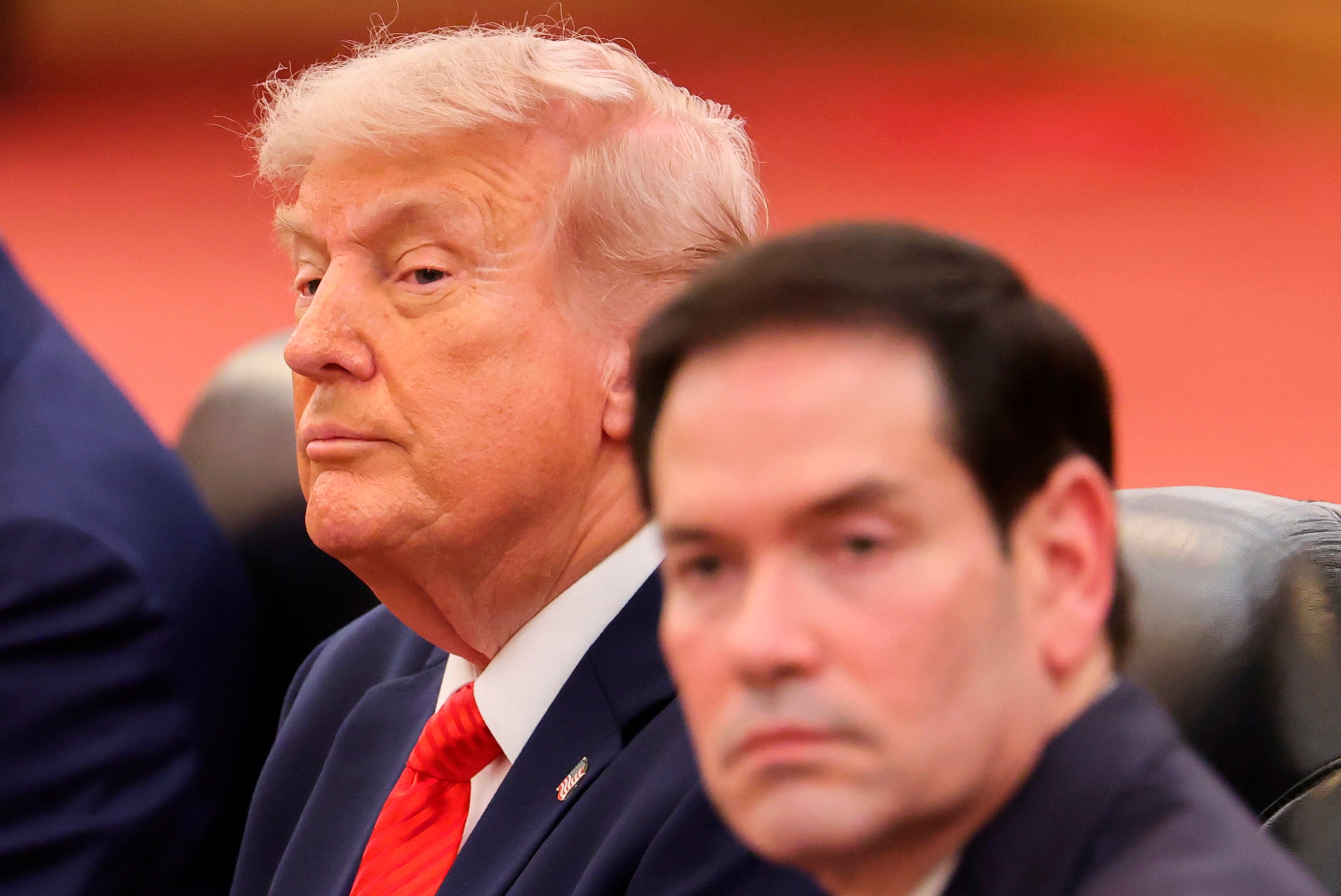
Donald Trump has warned that Tehran “must understand” it cannot have a nuclear weapon as the two sides edge towards a potential peace deal.
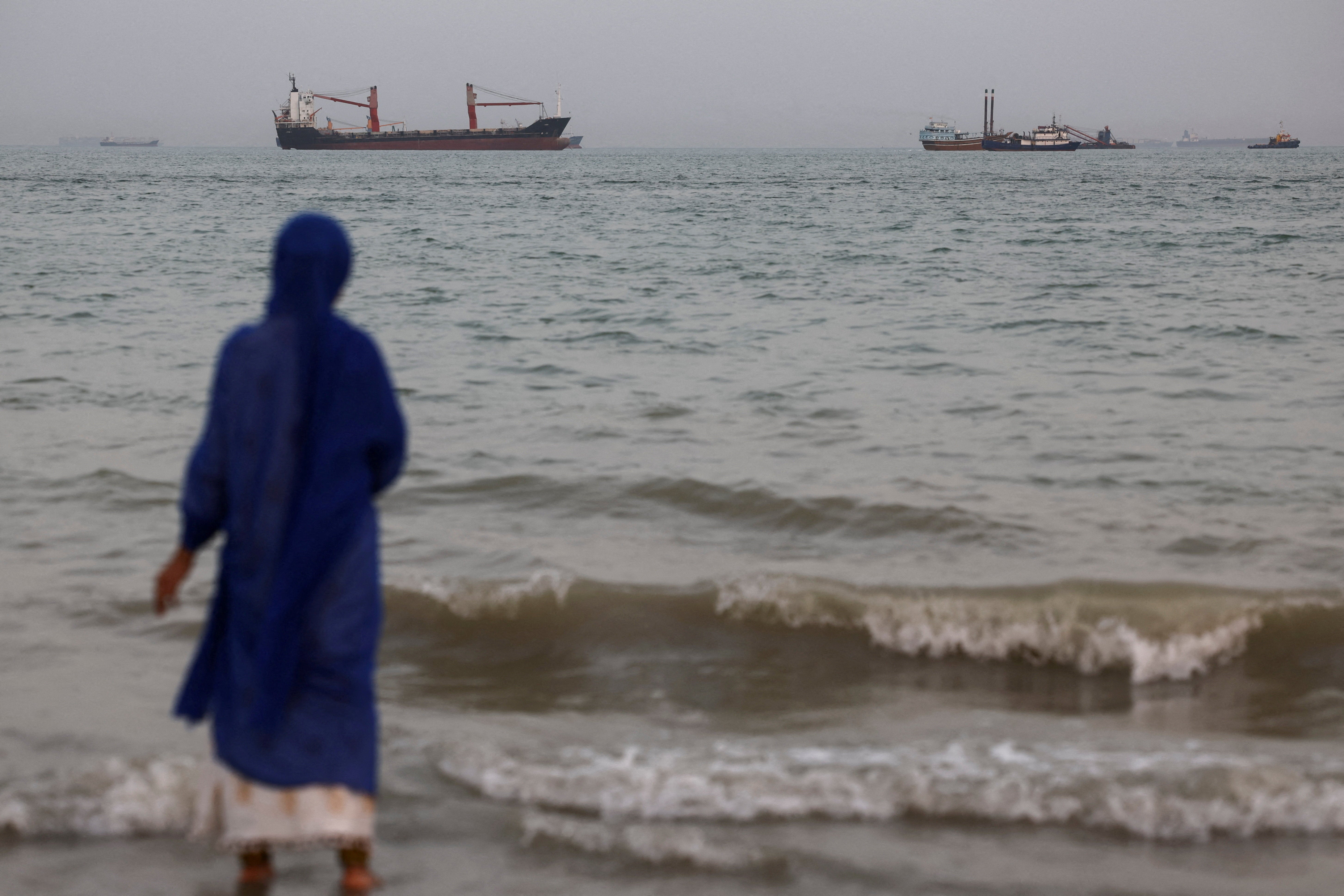
The US says it is close to reaching an agreement with Iran that would end the war and reopen the Strait of Hormuz, with expectations rising that a breakthrough could be imminent.
However, while adopting a more positive tone on Sunday, following previous reports the US was considering further strikes against Iran, Trump said his team would “not be rushed”. His comments came soon after the US secretary of state Marco Rubio suggested an announcement could be made “within hours”.
“The negotiations are proceeding in an orderly and constructive manner, and I have informed my representatives not to rush into a deal in that time is on our side,” Trump said on Truth Social.
“The Blockade will remain in full force and effect until an agreement is reached, certified, and signed. Both sides must take their time and get it right. There can be no mistakes!
“Our relationship with Iran is becoming a much more professional and productive one. They must understand, however, that they cannot develop or procure a Nuclear Weapon or Bomb.”
 open image in gallery
Details of the draft agreement emerged on Sunday after Trump said that the deal had been “largely negotiated”.
The deal reportedly includes Iran giving up its stockpile of highly enriched uranium, with the details and timelines to be worked out later. It would also include no tolls on ships transiting the Strait of Hormuz, while Iran would be able to freely sell oil.
Plans for Iran's stockpile of enriched uranium, which Washington has insisted it give up, would be negotiated within 30 to 60 days, the reports said. The peace agreement is likely to unfold in stages, with the first stage focused on formally ending the war and resolving the crisis in the Strait of Hormuz.
A 30-day window for further negotiations would then take place, which could be extended, according to Reuters. In exchange for movement in the strait, the US would agree to lift its blockade on Iranian shipping.
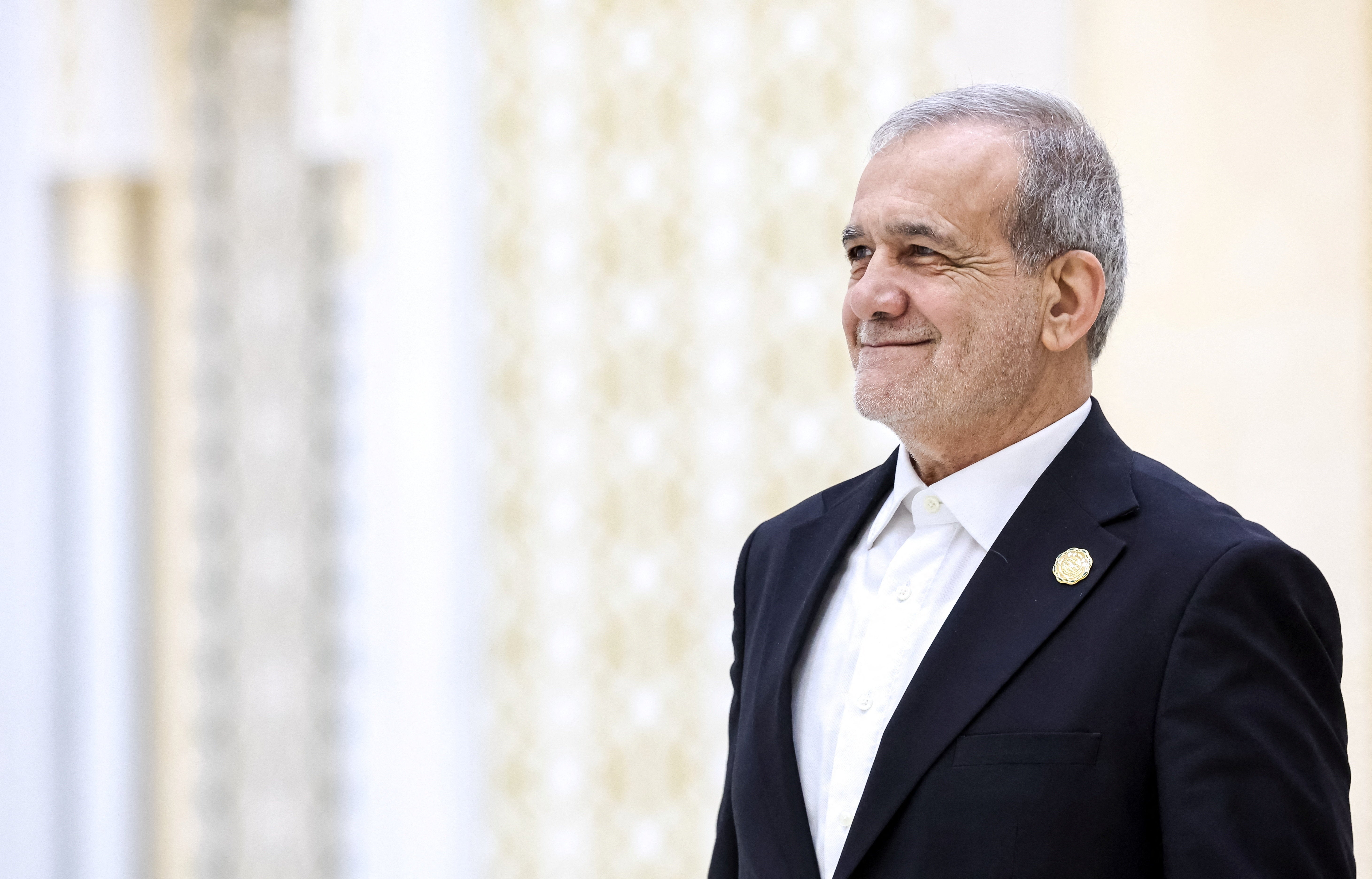
Iran’s president Masoud Pezeshkian said on Sunday that he was “ready to reassure the world that we are not seeking nuclear weapons”, but warned that Tehran’s negotiating team will “not compromise when it comes to our country’s honour and dignity”.
 open image in gallery
Iran’s Tasnim news agency has said there is still conflict over one or two parts of the deal, but did not give details about which aspects these are.
A senior Iranian source also told Reuters that, if Iran’s Supreme National Security Council approves the memorandum it will be sent to the supreme leader for final approval.
Fars news agency, which is close to Iran’s Islamic Revolutionary Guard Corps (IRGC), said that even if the Strait of Hormuz is open, it will still be under the monopoly of Iran.
World leaders cautiously welcomed reports that a peace deal could be close on Sunday. UK prime minister Sir Keir Starmer said he hoped any agreement would end the conflict and reopen the strait with “unconditional and unrestricted freedom of navigation”.
“It’s vital that Iran must never be allowed to develop a nuclear weapon,” the prime minister said in a statement. “My government will continue to do everything we can to protect British people from the impact of this conflict.”
 open image in gallery
President of the European Commission Ursula von der Leyen echoed Sir Keir’s comments on the strait, the closure of which has wreaked havoc on the world’s oil and gas supply.
“I welcome the progress towards an agreement between the US and Iran. We need a deal that truly de-escalates the conflict, reopens the Strait of Hormuz and guarantees toll-free full freedom of navigation. Iran must not be allowed to develop a nuclear weapon,” Von der Leyen wrote on X.
But even if the war ends now, full flows through the strait will not return before the first or second quarter of 2027, the head of the Abu Dhabi National Oil Company said last week.
The IRGC said 33 vessels had passed through the strait over the past 24 hours after getting permission from Tehran, still far short of the 140 that passed on a typical day before the war.
Meanwhile, Israel’s prime minister Benjamin Netanyahu has told Trump that Israel should remain free to act against threats in Lebanon as details of the peace deal emerged, a source told Reuters.
Israel carried out further strikes in Lebanon on Saturday, reportedly killing at least four people and reducing buildings to rubble. Conflict between Israel and Hezbollah has continued in the region since a US-brokered ceasefire was announced in April.
Israel has occupied around 235 square miles of territory in south Lebanon and has said that it will only withdraw when the safety of the residents in northern Israel can be assured.
Join our commenting forum
Join thought-provoking conversations, follow other Independent readers and see their replies
CommentsСхожі новини
Україна вивела з ладу чверть нафтопереробки РФ: як дрони Fire Point змінюють війну
На фронті 173 боєзіткнення: найбільше боїв на Покровському напрямку, - Генштаб
Сербія не вважає Росію "братньою країною"