There isn't much that's "new" about Razer's Iskur V2 "NewGen" gaming chair, and for $649, I really wish there was
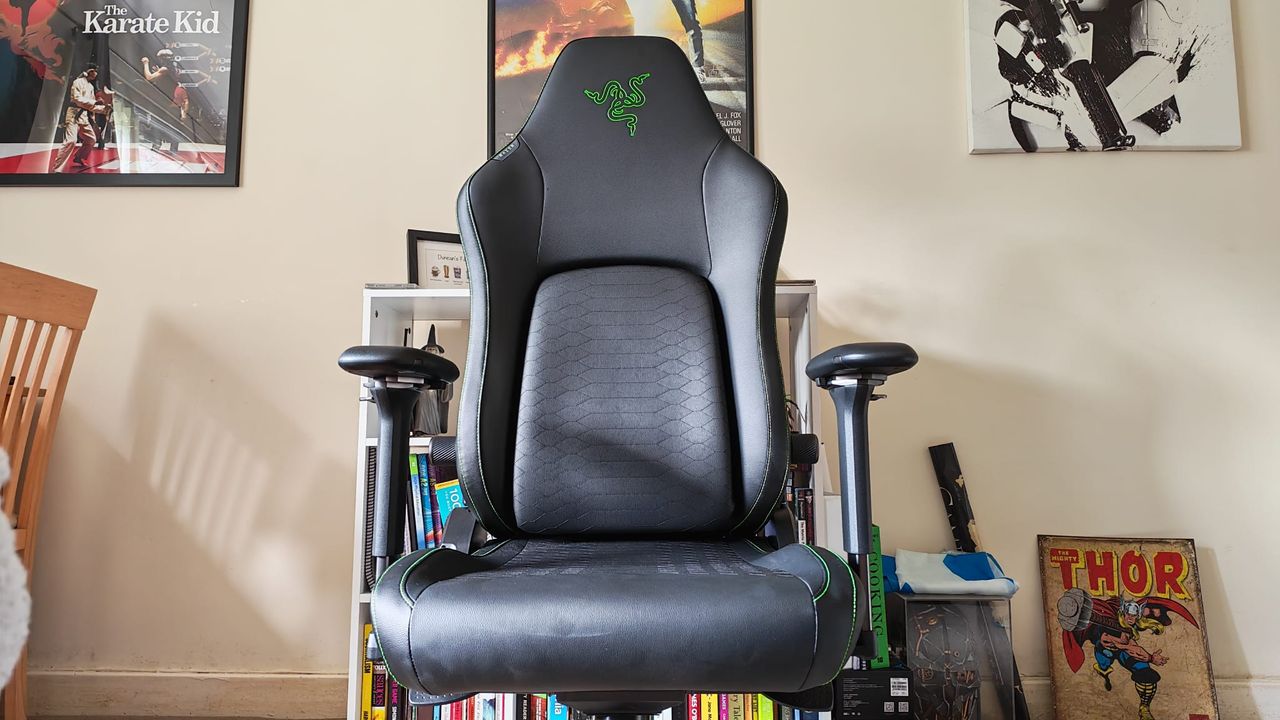
GamesRadar+ Verdict
I've been lucky enough to test and review plenty of Razer gaming hardware, but I've never felt the presence of "Razer tax" quite as strongly as I do with the Iskur V2 NewGen. It's a perfectly decent gaming chair, but it simply isn't good enough to recommend at full a full price of $649/£649. In a market crammed full of competitive options with dynamic backrest systems and excellent lumbar support, this fails to stand out. I'd also argue the true value of this chair is reserved for people who are over 6ft, as it feels too big for my body to really benefit from it. It's a shame the price clouds my verdict of the latest Iskur, because it's one I'd be happy enough to recommend to my friends, just not until its cost inevitably drops.
Pros
- +
Floating backrest
- +
Premium-feeling leatherette
- +
Good range of color options
- +
Cushioning strikes a good balance of soft and firm
- +
Decent armrests
Cons
- -
Needlessly expensive at full price
- -
Neck pillow is still rubbish
- -
Upholstery is loud when parts move around
- -
Floating backrest isn't as effective as cheaper alternatives
- -
Ergonomic mismatches between the seat depth and lumbar support
- -
Design encourages slouching
Why you can trust GamesRadar+ Our experts review games, movies and tech over countless hours, so you can choose the best for you. Find out more about our reviews policy.
Razer has been in the gaming chair market for a while now, but at the time of writing, it finds itself in a tough spot. Yes, it's facing the same old competition as it always has from the mainstay brands like Secretlab and Herman Miller, but it's the newer, emergent brands and "smaller" names on its flanks that are starting to eat into its market share. Desk chairs, including the best gaming chairs, are in an innovative renaissance right now, and the worst thing a brand can be at a time like that is stagnant.
Razer now has to contend with the likes of LiberNovo and its viral dynamic backrest; it has to deal with AutoFull offering a floating backrest, heating and ventilation, Shiatsu massage features, and 720-degree armrests. Razer has to go up against a million and one ergonomic "office" style chairs that dip into the gaming market, and scrappy brands like Eureka Ergonomic and AndaSeat that try to offer as many features as possible for a more affordable price than you'll find elsewhere. And Razer's answer? Doubling down on the Iskur V2 it came out with over two years ago.
The Razer Iskur V2 NewGen commits the sin of not feeling "new" at all, because while all the other brands duke it out with impressive attributes and innovations, Razer is sticking its hand in the air and shouting, "Hey, remember our chair though?" I certainly do remember the original Iskur V2, as well as its full price tag of $649.99/£649.99, and I'm not sure slapping that sticker back on the "NewGen" version is going to do Razer any favors.
Price
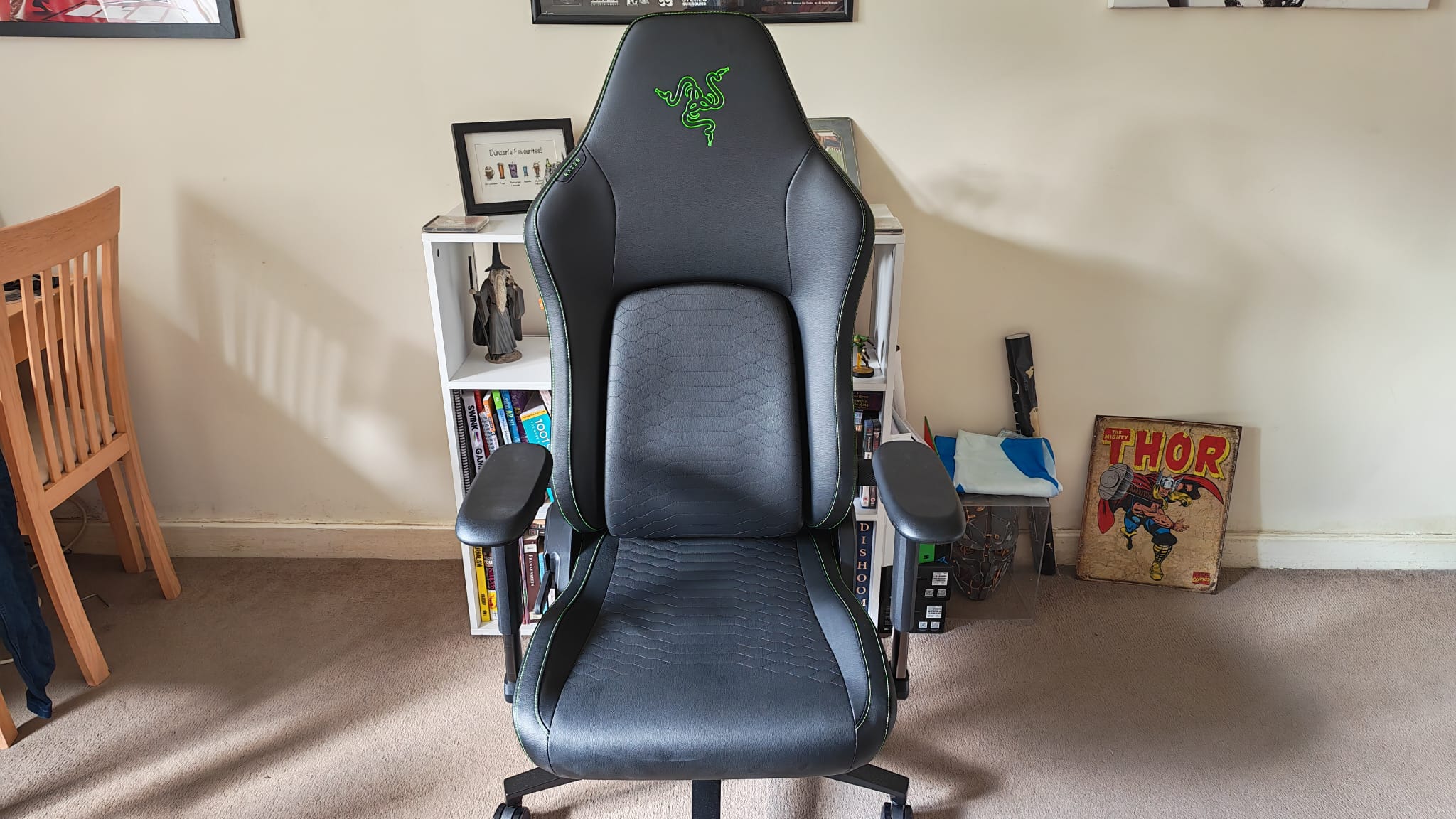
Floating backrests and dynamic lumbar systems are becoming a common theme in the gaming and desk chair market at the moment, and for good reason. It feels as though designers are finally waking up to the fact that adjustability is one thing, but human beings move frequently when they sit down all day, so we need something that can keep up without needing loads of manual adjustments. Razer was one of the first big brands to offer this with the original Razer Iskur V2, which had one of the best lumbar support systems we had come across at the time.
It had an issue, though. It was $649.99/£649.99, which put it at a more expensive cost than the likes of Secretlab (before adding any extras onto the Titan Evo). Even worse, $649 then became a price point to avoid for any smaller brand, so it looked expensive versus newer rivals like the Corsair TC500 Luxe. Eventually, as more innovations started emerging and floating backrests became more commonplace, the Iskur V2 started to look limited compared to something like the AutoFull G7, or indeed the AutoFull M6 Ultra.
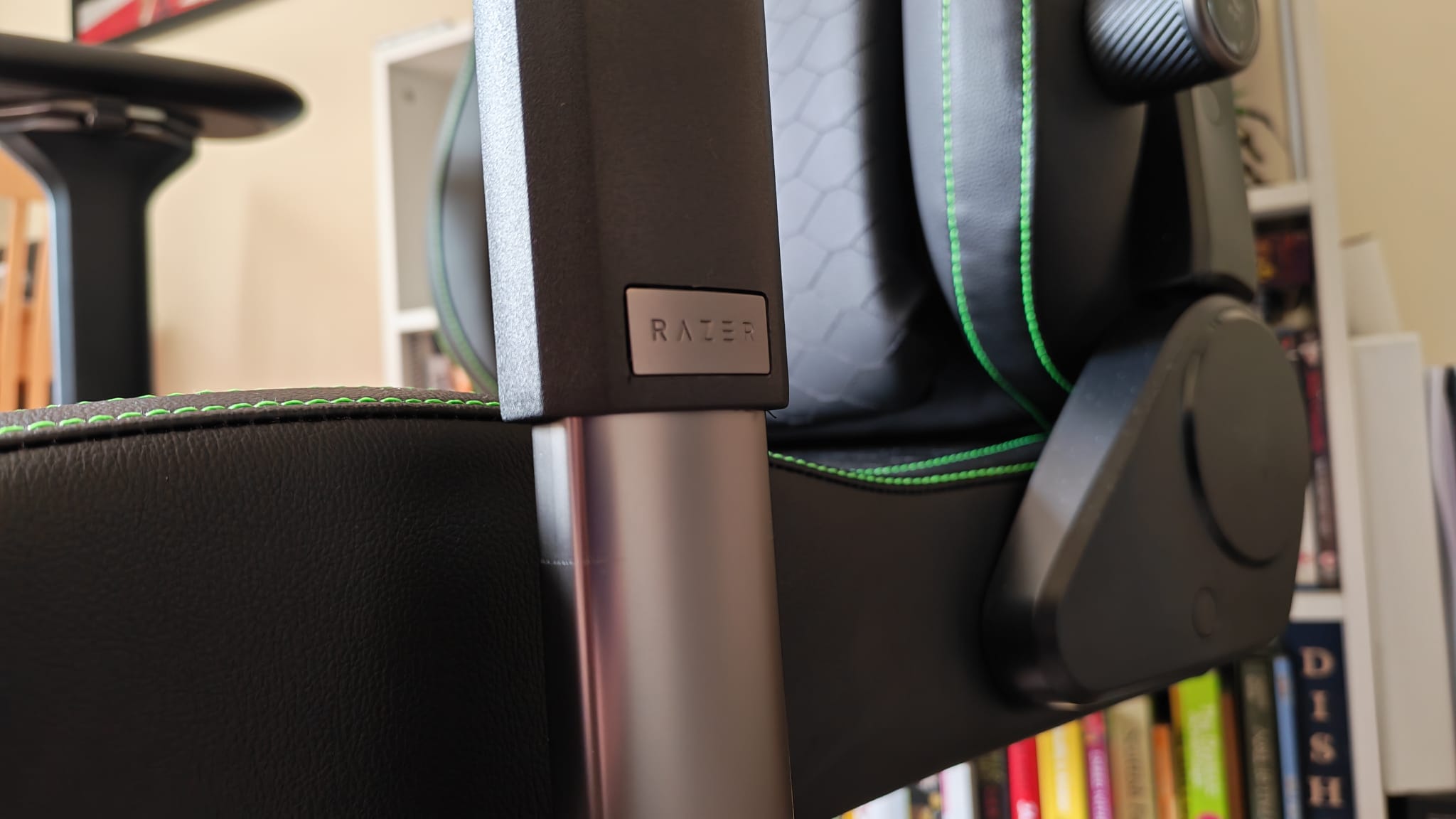
I got the impression from covering the gaming chair market in the years following the Iskur V2's release that, while it offered quality, it suffered because of its high price. When a chair starts drifting further and further away from its launch price and into discount aisles more often than not, you get the impression it's struggling to keep up with the competition. Soon enough, I started seeing the Iskur V2 in the discount aisle during Prime Day, Black Friday, and pretty much every other seasonal sale on the calendar. Then, all of a sudden, it was nowhere to be seen - I could barely find stock to recommend it at most of the big e-tailers.
Its cheaper alternative, the Razer Iskur V2 X, meanwhile, seemed to show that the brand was prepared to offer a simpler, more affordable gaming chair than usual, and I had hoped this was a sign of things to come for the inevitable Iskur V3. Lo and behold, the Iskur V2 NewGen was announced at CES 2026. Truth be told, it had Benjamin, our incomparable Tabletop and Merch Editor (who reviewed the original Iskur V2 for us), and me scratching our heads. Costing the same $649 as its predecessor did, its big selling point was a new, more breathable leatherette upholstery and... not much else?
Sign up to the GamesRadar+ Newsletter
I remember asking Benjamin if he's ever had an issue with the leatherette on the Iskur V2 not being breathable enough. He said no, and he's sat in it since reviewing it. I looked online to see if folks on Reddit had been complaining about temperature control issues in the Iskur V2. I couldn't see anything, so I'm a tad perplexed at this refresh.
Thankfully, Razer isn't charging more for this new model than it did previously. But I can't help but look at this as a way to discontinue the frequently-discounted Iskur V2, bring back the original price, and sell again with the premise of "New".
Design & Features
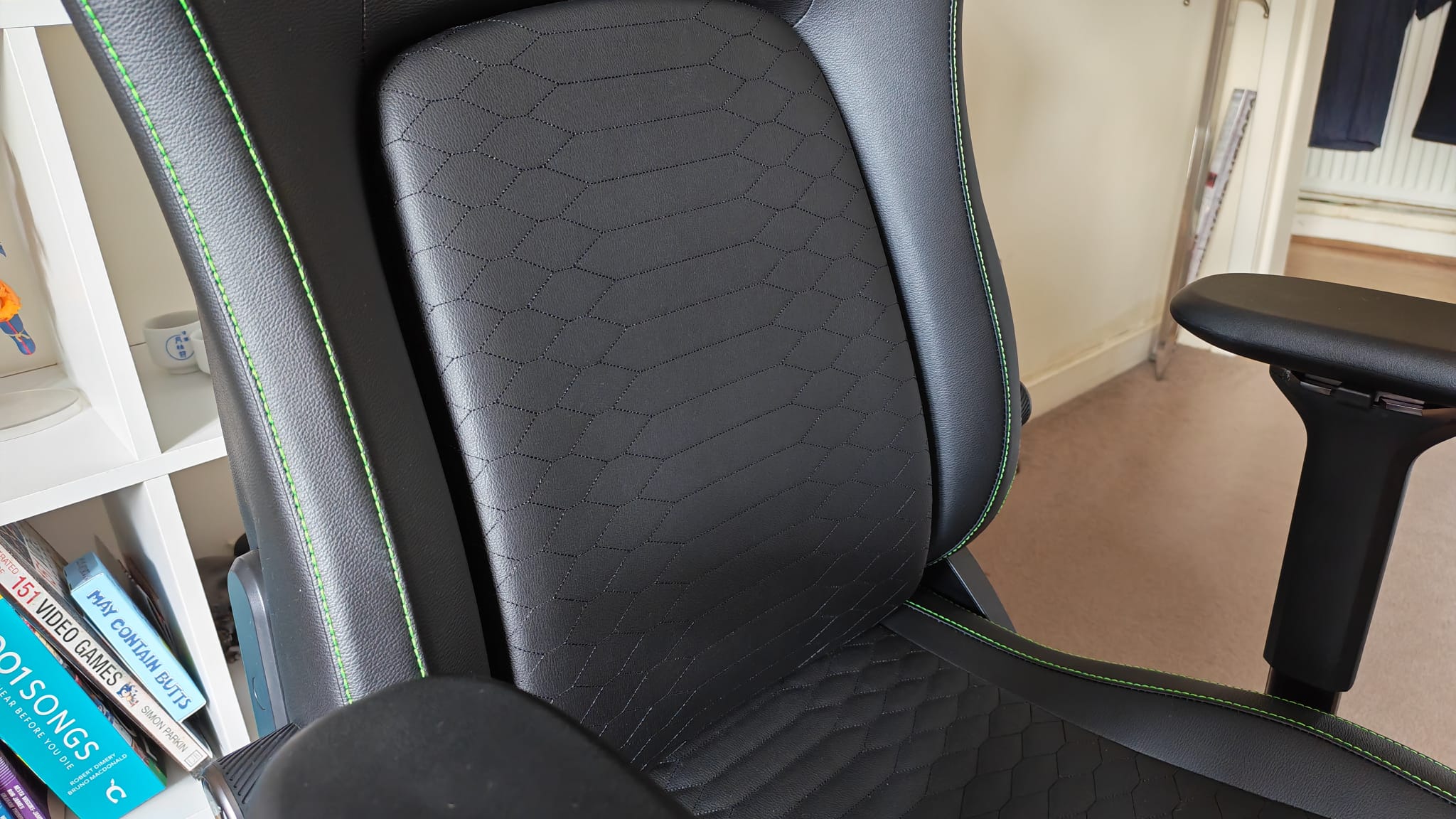
Recline: 150 degrees
Max Weight: 299lbs (136kg)
Seatbase width: 20.9 inches
Backrest shoulder width: 21.3 inches
Frame: Steel
Because there's no avoiding it, the Iskur V2 NewGen is essentially the exact same chair as the original. In many ways, it feels like an answer to the Secretlab Titan Evo NanoGen Edition. It's essentially the same product, but the emphasis on refreshing it has been through using a new upholstery, a more breathable cushioning setup, and slightly widening the dimensions.
To actually determine what is different about the NewGen model, I've scoured the product pages for both versions of the Iskur V2. The original's hyperflex backrest was called the "World's First 6D adaptive & adjustable lumbar support", while the NewGen model rebrands it to the "World's First Razer Hyperflex Lumbar Support System" - from the descriptions, both do the same thing. Similarly, both chairs are said by Razer to use "Dual-Density, Cold-Cured Foam Seat Cushions", but the new model has a breathable, perforated design. By the looks of it, the seat on the NewGen edition has also been widened slightly both in its shoulder curvature and seatbase.
Of course, the Razer Gen-2 EPU Leather with Cooltouch Technology is the biggest departure, and is apparently 13x more durable than regular PU leather. Elsewhere, all the listed designs and features of both seats are identical.
I do think only adding a new upholstery and some color options (the NewGen edition is available in Black and Green, Black, Quartz, and Light Grey) is a bit of a copout, even if there are other minor changes. But I don't misunderstand that new upholstery can make a big difference to any chair. People don't realize it, but one upholstery versus another can fundamentally alter the comfort and plushness of a seat.
If a leather or a fabric material is put together with too tight a weave, then it won't have the stretch it needs to really bend into the cushioning under your weight. Similarly, if the fabric is too loose, the hard work a brand has done finding the exact cushioning firmness they want will be compromised. Don't use a premium material, or don't use the right amount over each chair section, and it'll fray and damage over time. There's a lot to think about with gaming chair upholstery, so I don't mistake how big a change it can make.
From my experience with the Secretlab Titan Evo NanoGen, I don't feel upholstery alone can make a big enough difference on its own, though. For its NanoGen model, Secretlab went back to the foundations and added a whole new level of cushioning at the same time - and even then, it didn't make a massive difference for me personally. From all the marketing and press material I can see, it doesn't seem as though Razer has added new cushioning to this seat, just made it more breathable.
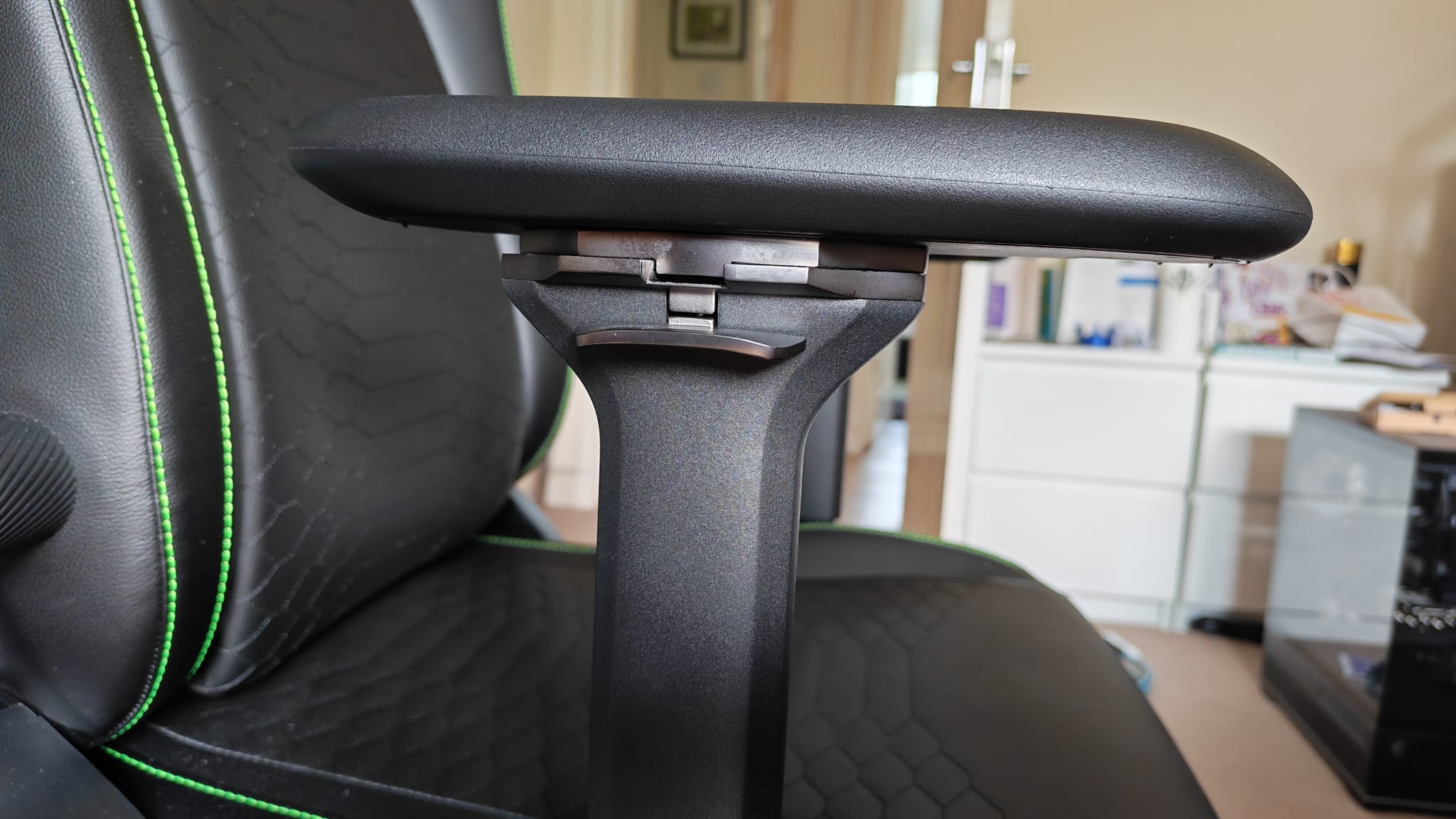
Carrying over from the original, you get 4D armrests, reactive seat tilt, and 152 degrees of recline.
Assembly
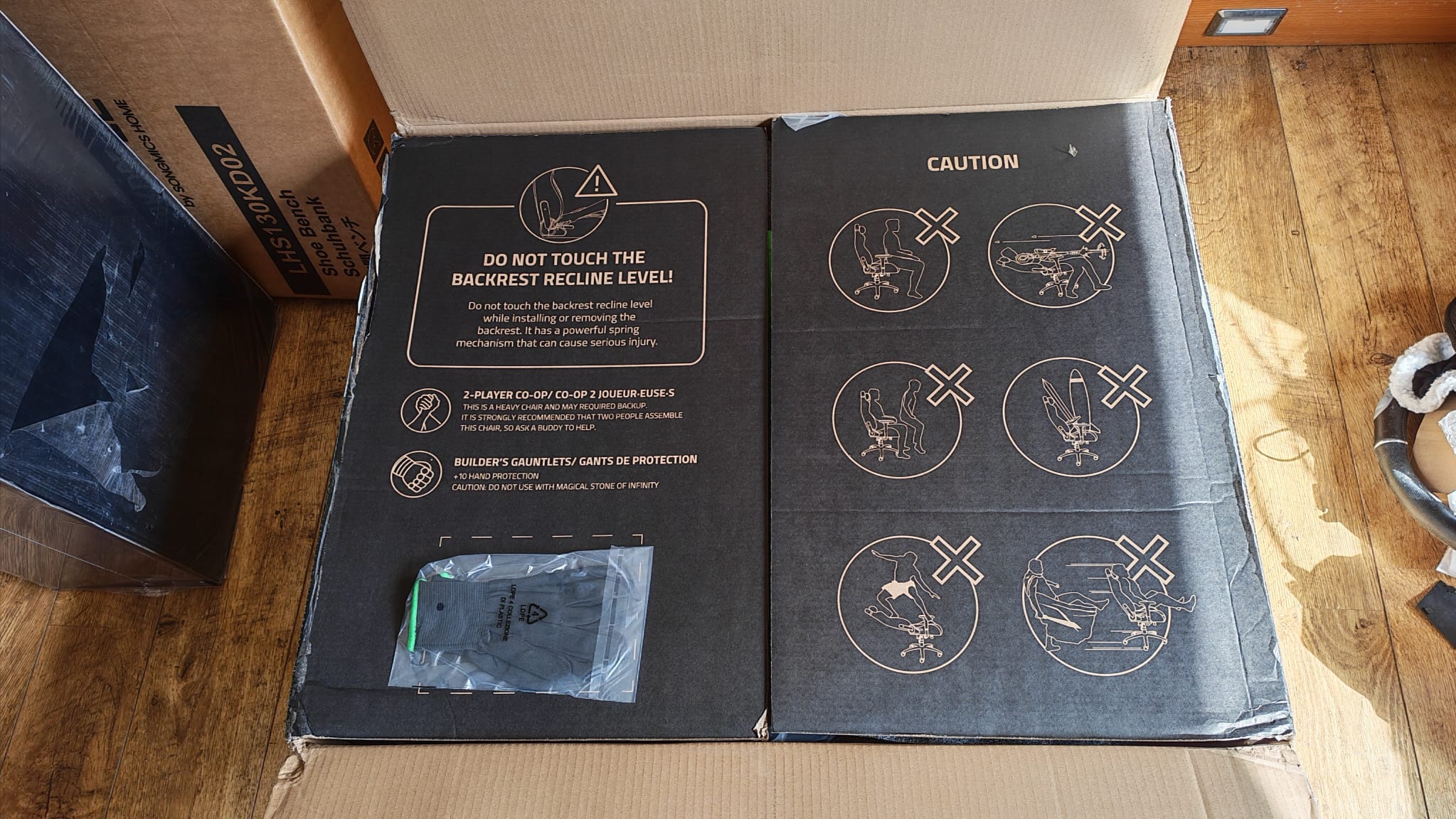
One thing I do have to applaud is Razer's assembly process, not because it's any more streamlined than your average gaming chair, but mainly because of the consolidation of packaging and the unique charm and personality given to the process. Upon first opening the box, you'll be met with a whimsical placard and a pair of nylon gloves. Razer is clearly catering to its audience here with nerdy Thanos references as well as some excellent sitting position warnings. A+ for humour - it's not something I've seen in any other gaming chair assembly process.
Jokes aside, the addition of a pair of gloves actually comes in really handy during the build. They're not going to save your fingers from being crushed, but I have broken skin a couple of times while putting one of these things together. Not only that, they help to keep the chair clean, and your hands free of any oils that might be put on the metalwork for lubrication purposes. Maybe this is something brands like Secretlab should add to their included toolkits.
Assembly was fairly easy, the standard steps of how to build a gaming chair, so not anything to really report here. I did manage to build it myself, but then again, I am a professional, so if you struggle lifting heavy parts, a co-op partner can come in handy.
Performance
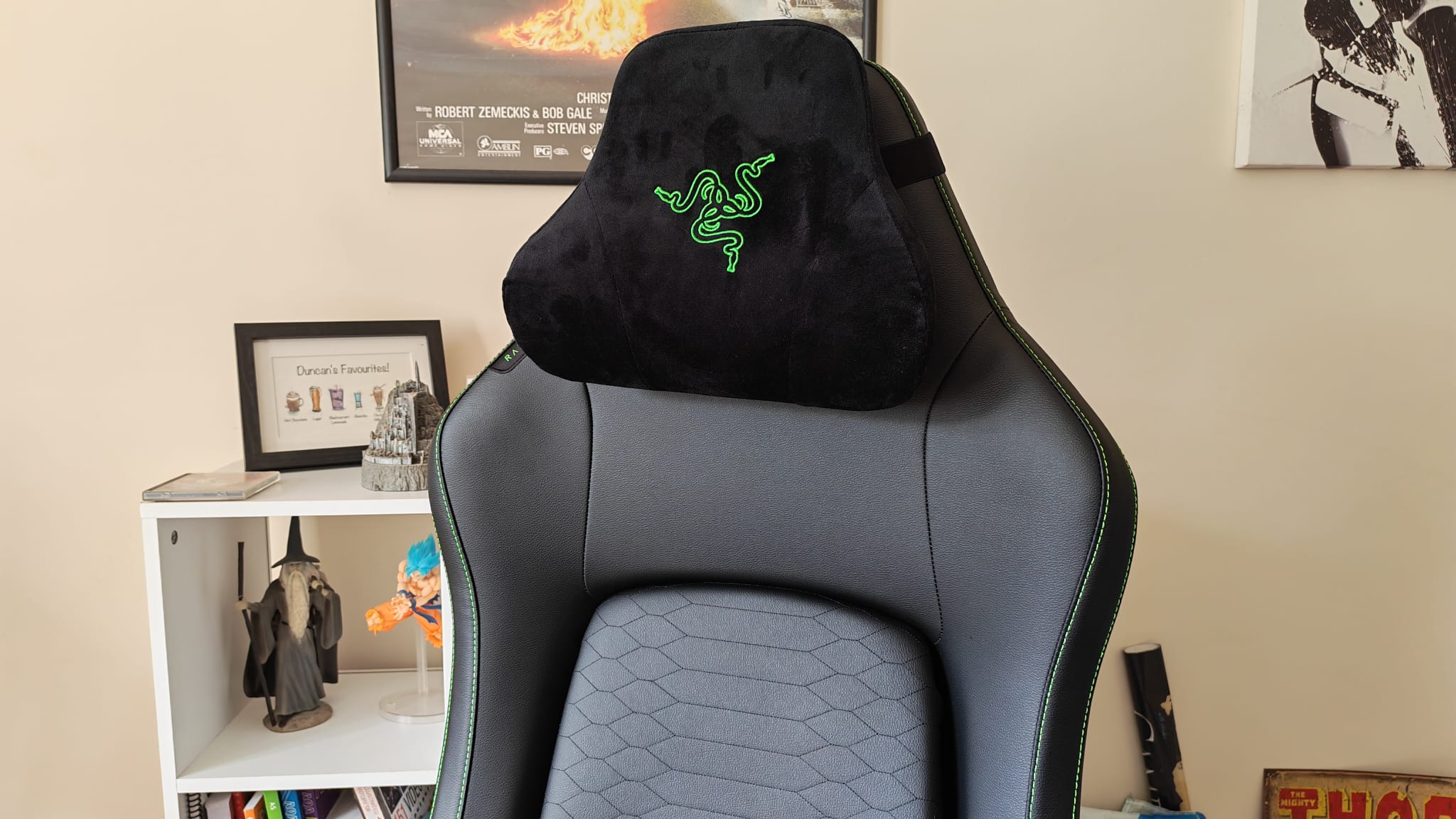
In a general sense, the Razer Iskur V2 NewGen is a really decent gaming chair with good build quality and a reasonable level of cushioning. Some chairs struggle to strike a balance between support and comfort, and the jury's still well and truly out on what is too firm and too soft - because every brand in the market has different ideas.
The Iskur V2 NewGen feels comfortable to fall into, and in the three or so weeks I tested it, I didn't notice myself with a numb rear end that made me shuffle into new positions often.
In a similar way, I really like the armrests. They have quite a plush surface to them and a really great shape that means your forearms have a flat surface to glide across while using mouse movements. There aren't infinite height adjustments, but I felt I had loads of scope to match up the exact level I needed for my desktop. I'd also like to applaud Razer for sticking to a more traditional 4D armrest system. Each dimension is controlled by a release catch, none of this clicky rotation nonsense, which never fails to fall out of position and infuriate me.
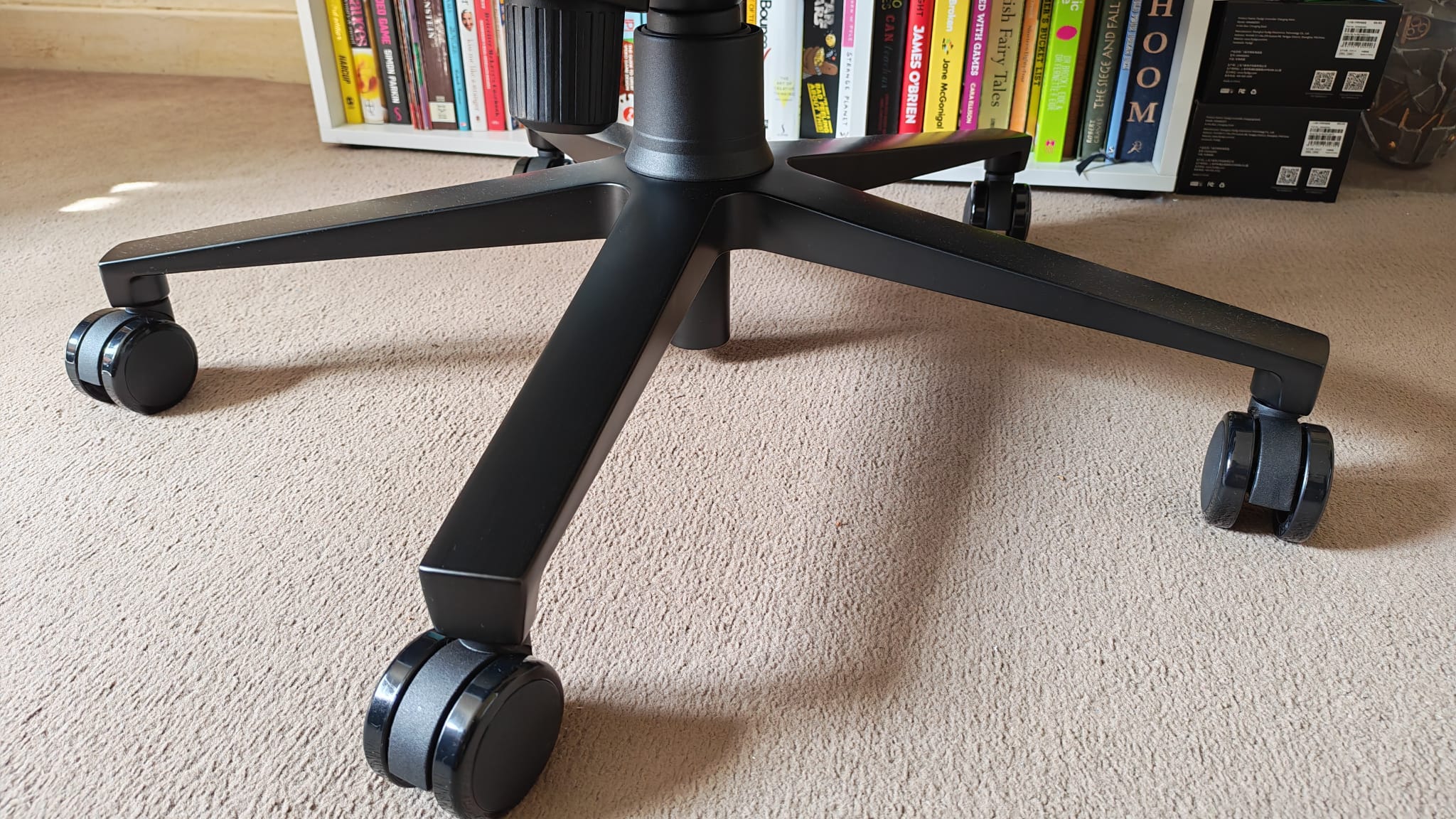
Overall, there's a lot to like about this chair, which is why, for all my reservations about its price and its lack of innovations, I would still recommend it. On the other hand, I do think this is a chair for gamer that's above my height.
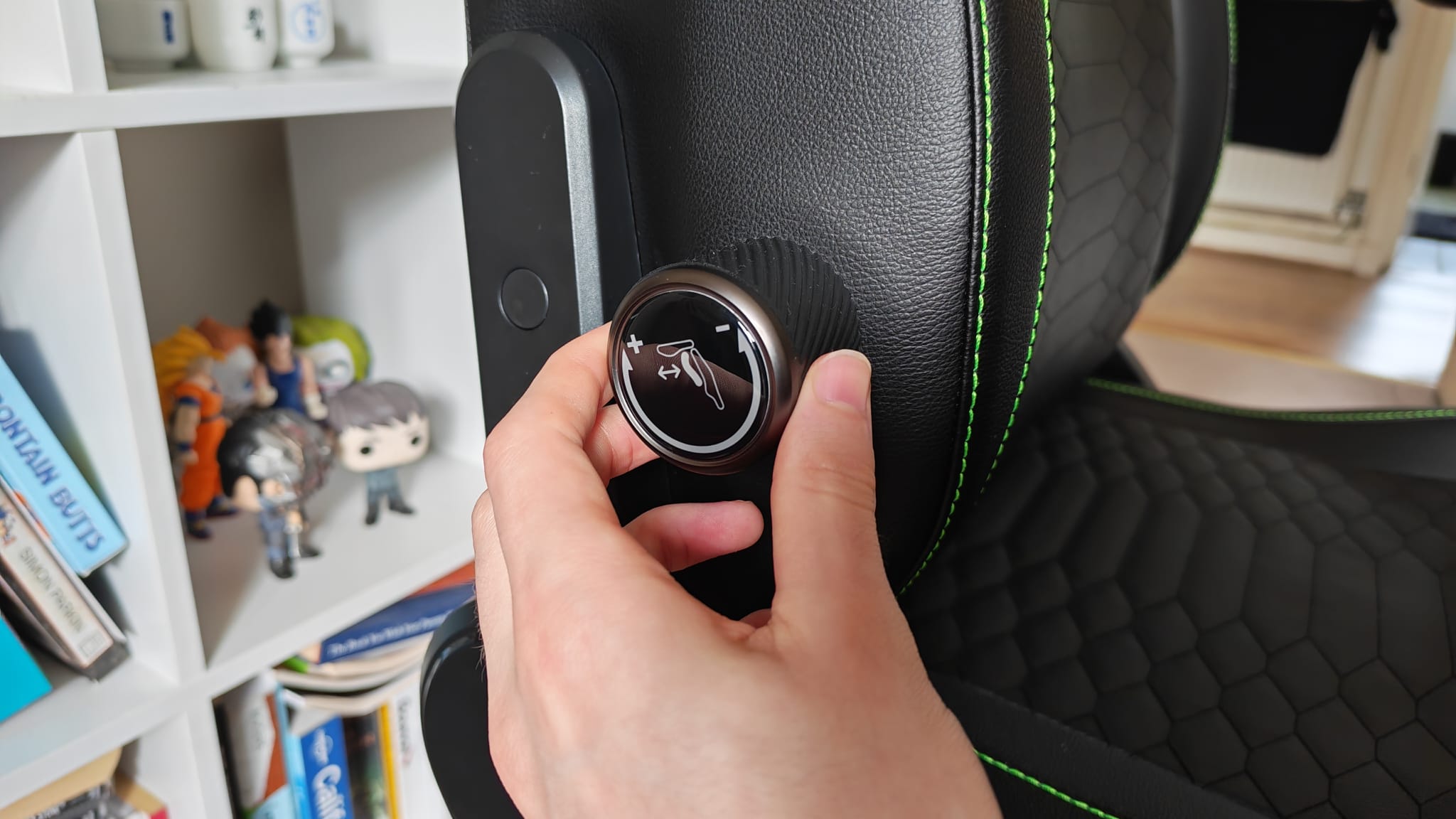
There's a bit too much seat depth here for people under 6ft to really benefit from the ergonomics it offers. Don't get me wrong, I love having lots of seat depth and a bit more width to the seatbase, so I have the ability to cross my legs over or shuffle my weight onto one side if need be. But too much depth will start to encourage you outward from the back of the chair, moving your lower back away from where it's supposed to be, and sneakily introducing a slouching position as you sink deeper into it. That then makes the lumbar support less effective, and the chair's ergonomics as a whole suffer a bit.
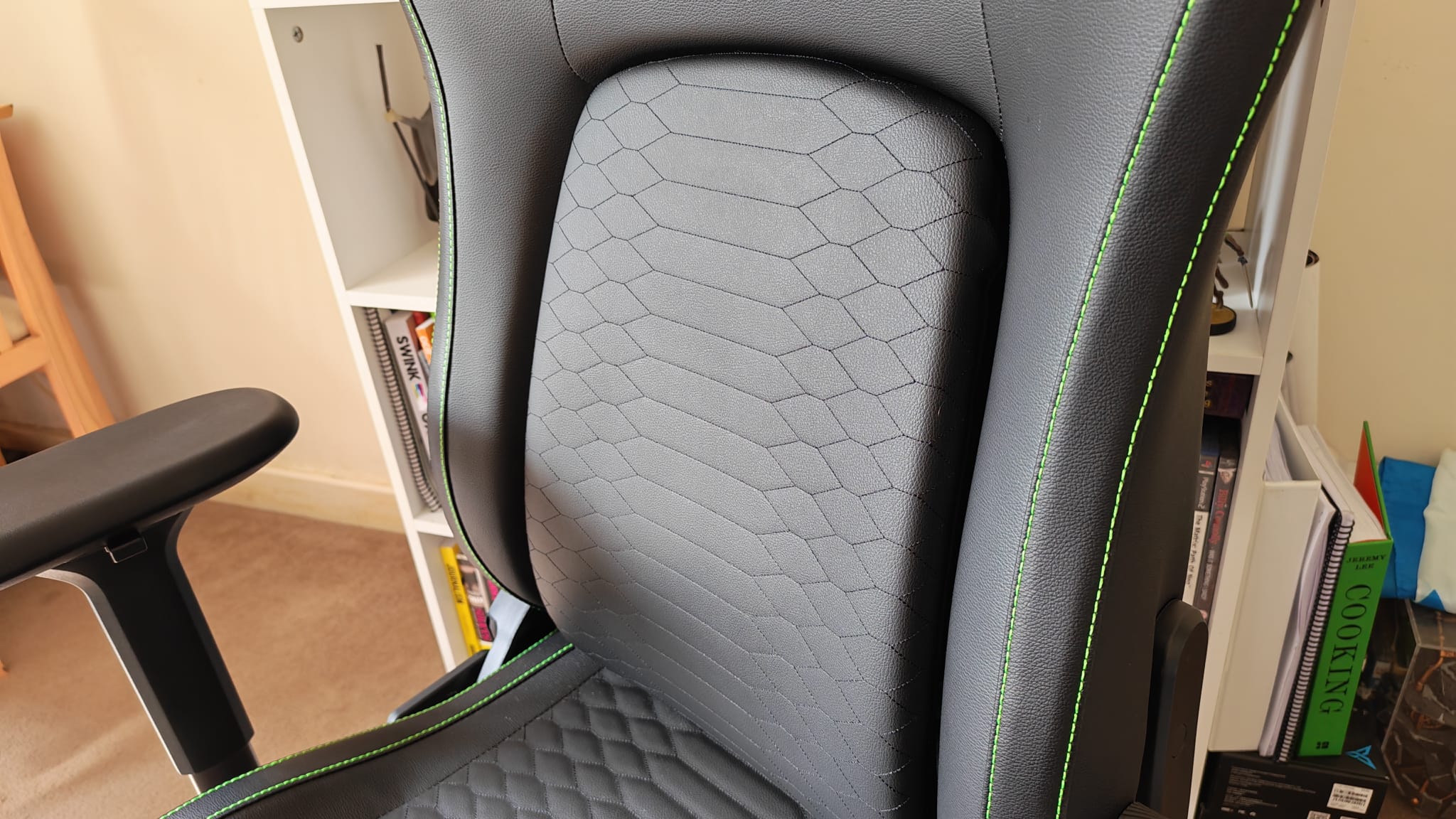
Again, this is a problem I had as a 5'10 man, so your mileage may vary, but it completely threw the ergonomics Razer was clearly going for out of whack. I couldn't, for the life of me, find a lumbar adjustment that suited my back. Even at its lowest setting, I felt like my spine was being hyperextended. This Iskur V2 NewGen just feels to me like an XL chair that would suit larger frames a bit better.
This is where the price really starts to bother me, because I've tested more affordable gaming chairs, like the Eureka Ergonomic Python II, that offer almost an identical experience to the Iskur V2 (albeit without adjustable lumbar support) and do the entire ergonomic setup better. That chair comes in at half the price of the Iskur V2 NewGen, and has an even more substantial seat cushion, so there's very little excuse to be made for Razer charging as much as it does.
Image 1 of 2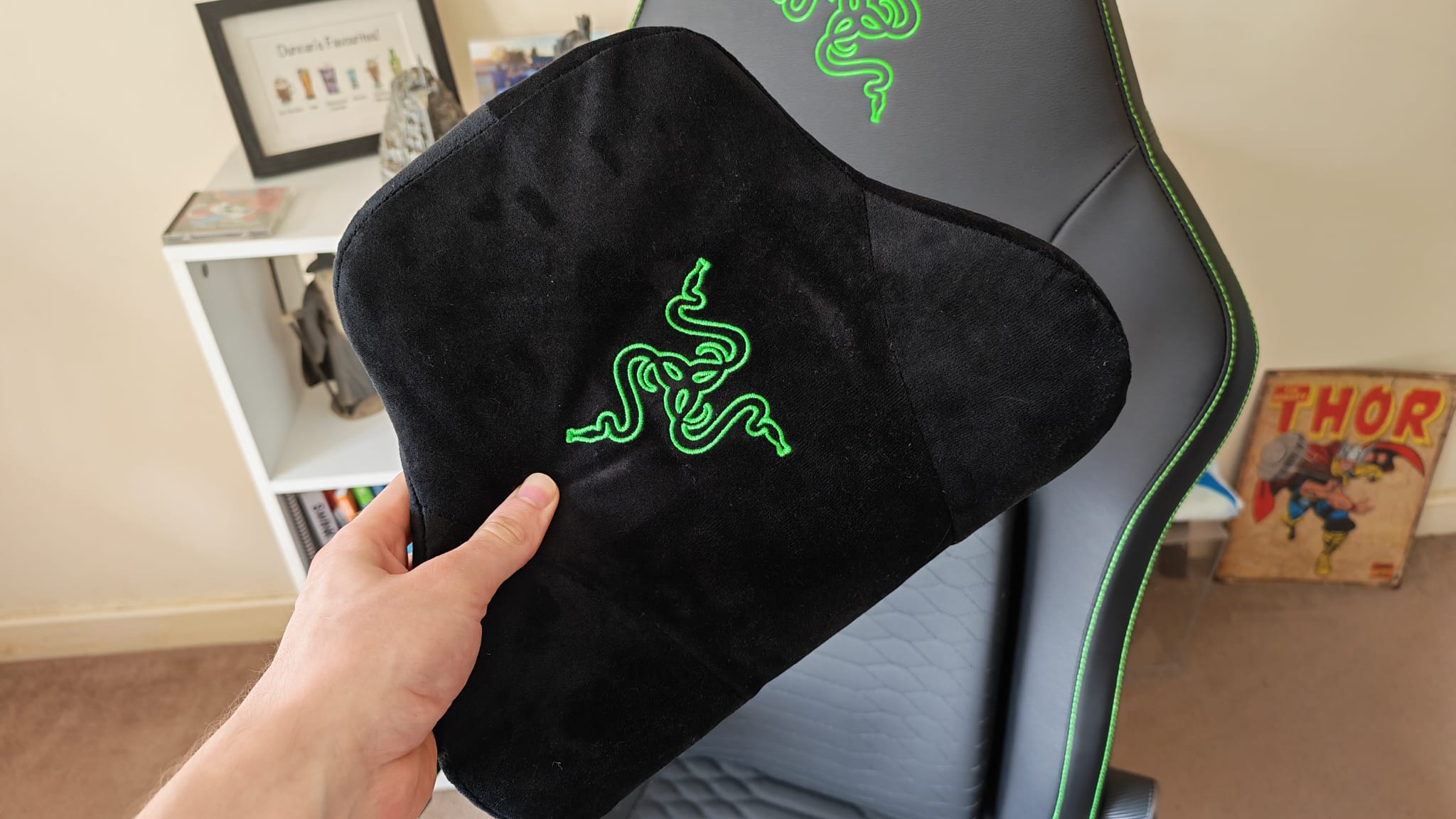
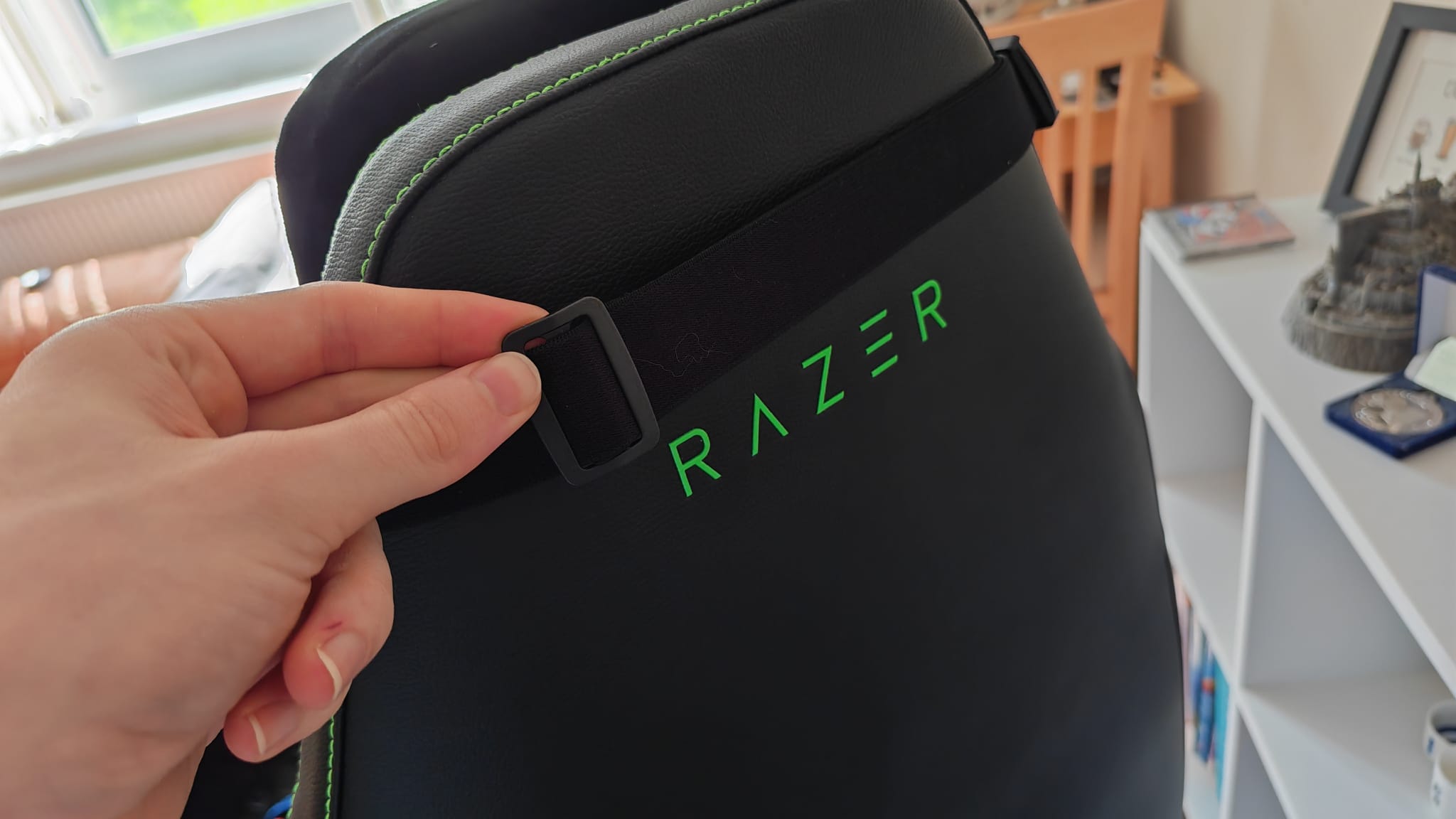
One thing I cannot understand going unchanged from the original Iskur V2, is the headrest. Back when my colleague Ben reviewed it, we raised the point that even back then, neck pillows with wraparound straps were out of date compared to more efficient magnetic ones. While testing the original, the headrest would continually shift out of position, and the new model suffers the same.
In fact, it pinged off the back of the NewGen model so often during testing that I decided the only way to remedy it was to take it off entirely. Without that neck pillow to encourage me to sit upright though, I felt my head falling forward far too often, again encouraging a slouched position.
It's 2026, and magnetic neck pillows are by far becoming the norm for gaming chairs, especially over $400. I cannot fathom why, if it were coming out with a NewGen model, Razer wouldn't look to make this change.
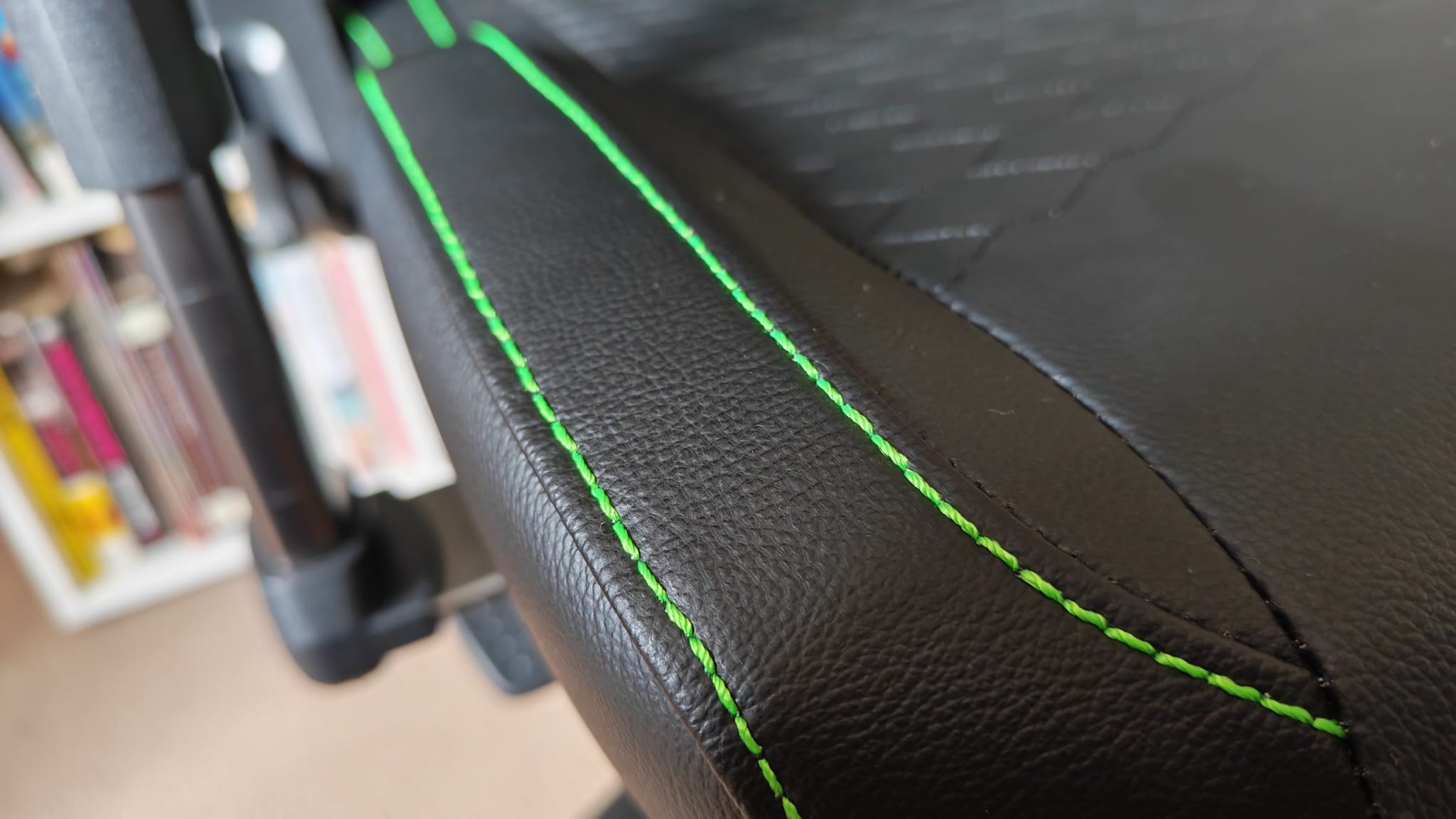
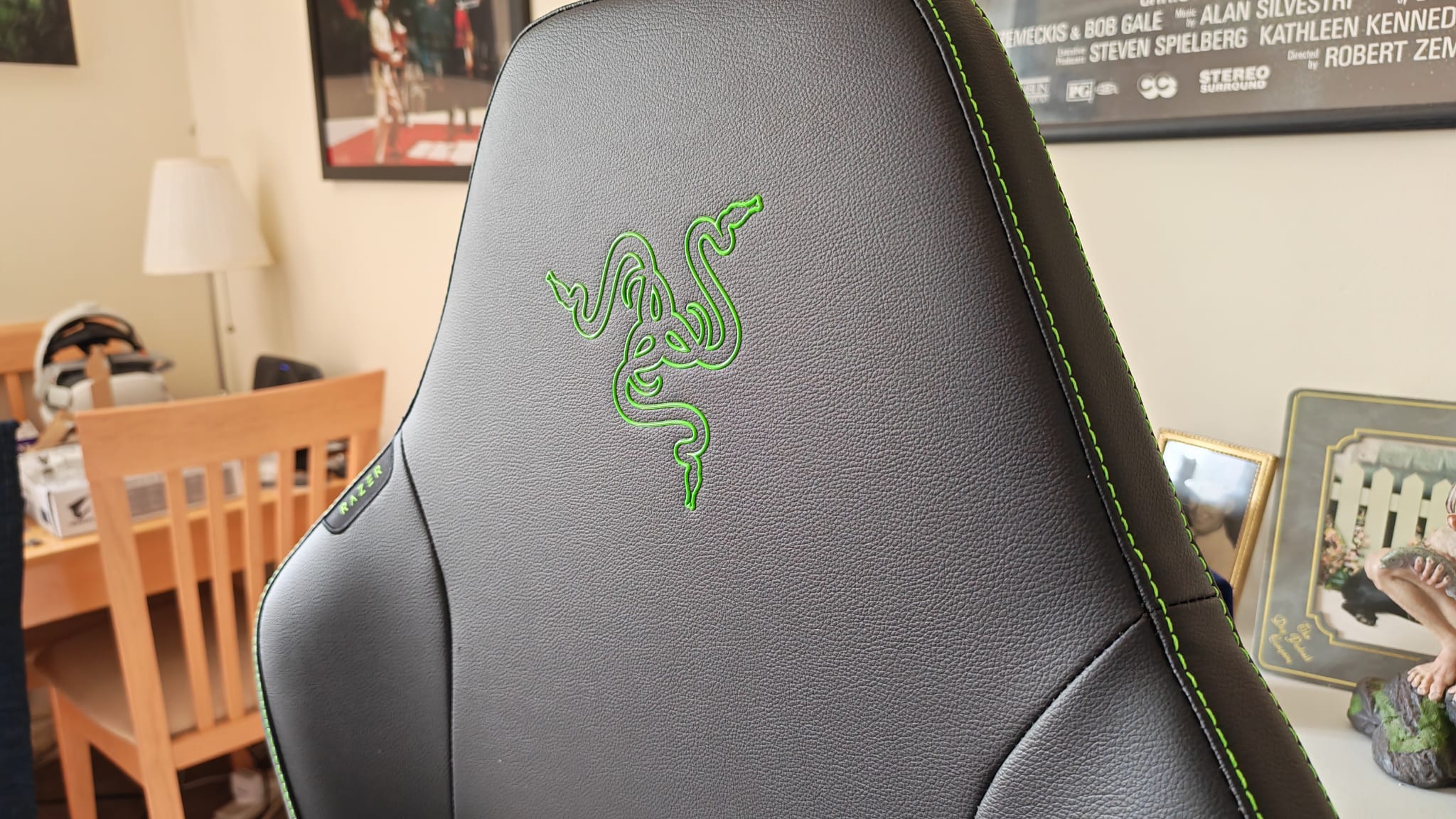
But instead, Razer focused on breathability, and if I'm totally honest, I'm not sure it shows. The leather material used on the NewGen edition feels premium and certainly cooling to the touch, but it isn't a perforated leatherette, which I would think of as a more breathable alternative.
Testing it in my Scottish flat as the temperature rises gently into the Summer months, a "breathable" option shouldn't have too much trouble staying cool. I still felt the backrest trapping heat, hugging my t-shirt, and I'd still have to peel myself away after a long period sitting in it. It really isn't as cooling as I think the brand intended, and I shudder to think how it would fare in countries that actually get warm during Summer.
If I get really nitpicky, it's also a bit infuriating when this leather material squeaks as you move around in the chair. Floating backrests can have this problem as upholstery needs to stand up to the friction of moving parts, but the leather used here is so much louder and doesn't fill me with confidence about longevity - even if Razer claims it's more durable.
Should you buy the Razer Iskur V2 NewGen?
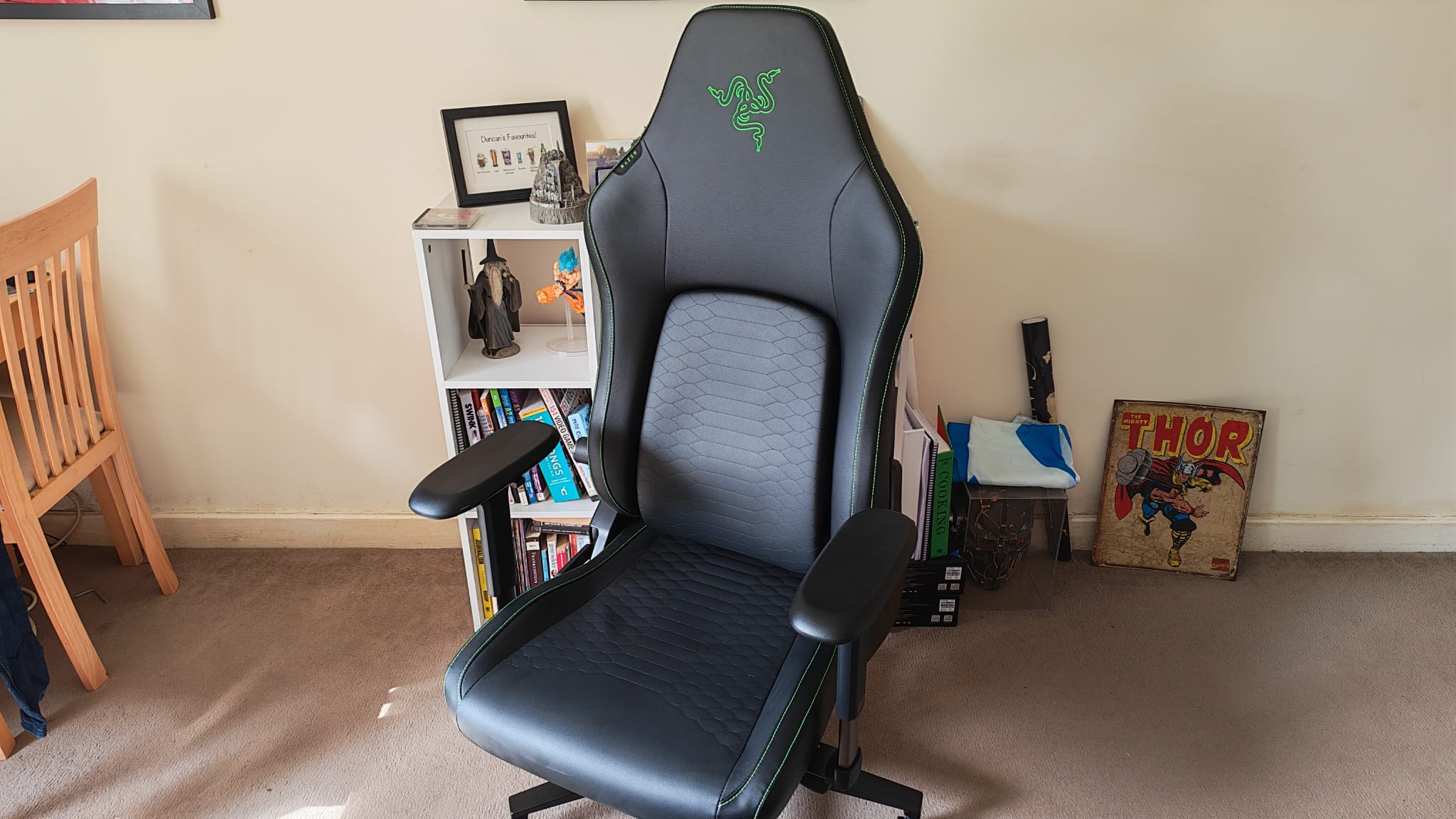
Not at full price, no. I really do not think this is a chair that's worth $649/£649, and I expect Razer is going to find that out again as we see it start to drop in price. It may take a year, it may take a year and a half, but I don't see this almost identical design to the original Iskur V2 performing too well in a market that's moved on from it in many ways.
Further, I'd personally recommend that if you're under 6ft tall, you look at something else. Your mileage and somatotype may vary from mine, but this feels like a gaming chair designed for larger frames.
If you do manage to get it discounted by $100-200, I'd recommend it. There's a really decent chair here, with solid armrests and good cushioning.
How I tested the Razer Iskur V2 NewGen
I used the latest Razer Iskur as my chair for daily work and play for about three weeks before coming to a final verdict in this review. I usually like to test a chair for a full month, but seeing as we've already done longevity tests with the original model, I feel more confident taking less time with the new one.
I sat in it for around 8 hours a day and beyond when I was gaming at my desk on top of a remote working life. I assembled it alone, I configured the backrest and lumbar support in many different ways to get a feel for how it could serve both my and readers' bodies. I compared it against previous versions of the Iskur on specs and price, and compared it closely with my experience of sitting in loads of different types of gaming chairs over years of reviewing them.
For more on how we test gaming chairs, take a look at our hardware policy.
There's a lot of gaming hardware out there. Take a look at the best gaming desk, the best standing desk, and the best console gaming chair.
TOPICS
One of my earliest memories is playing SuperMario64 and wondering why the controller I held had three grips, but I only had two hands. Ever since I've been in love with video games and their technology. After graduating from Edinburgh Napier University with a degree in Journalism, I contributed to the Scottish Games Network and completed an Editorial Internship at Expert Reviews. Over the last decade, I’ve been managing my own YouTube channel about my love of games too. These days, I'm one of the resident hardware nerds at GamesRadar+, and I take the lead on our coverage of gaming PCs, VR, controllers, gaming chairs, and content creation gear. Now, I better stop myself here before I get talking about my favourite games like HUNT: Showdown, Dishonored, and Towerfall Ascension.
View MoreYou must confirm your public display name before commenting
Please logout and then login again, you will then be prompted to enter your display name.
Logout LATEST ARTICLES 1Mina the Hollower forces Devolver Digital to delay Dark Scrolls, which somehow isn't a Soulslike
- 2Modern Warfare 4: Everything we know about the new Call of Duty game
- 3Modern Warfare 4 goes head-to-head with Arc Raiders and Marathon as Call of Duty's extraction shooter mode DMZ returns
- 4Modern Warfare 4 marks the return of Call of Duty to Nintendo hardware, 13 years after Ghosts on Wii U
- 5Modern Warfare 4 confirmed, and it's launching on PC, PS5, Switch 2, and Xbox Series X this October
Схожі новини

Захопливий мінісеріал на Netflix, який встигнете подивитися до літа

Квиток в один кінець: як Росія обманом вербує найманців з Африки воювати проти України

Для випускників: зворушливі привітання з останнім дзвоником у листівках, прозі й віршах