The White House told RFK Jr to tone down his statements questioning vaccines. That hasn’t stopped him behind the scenes
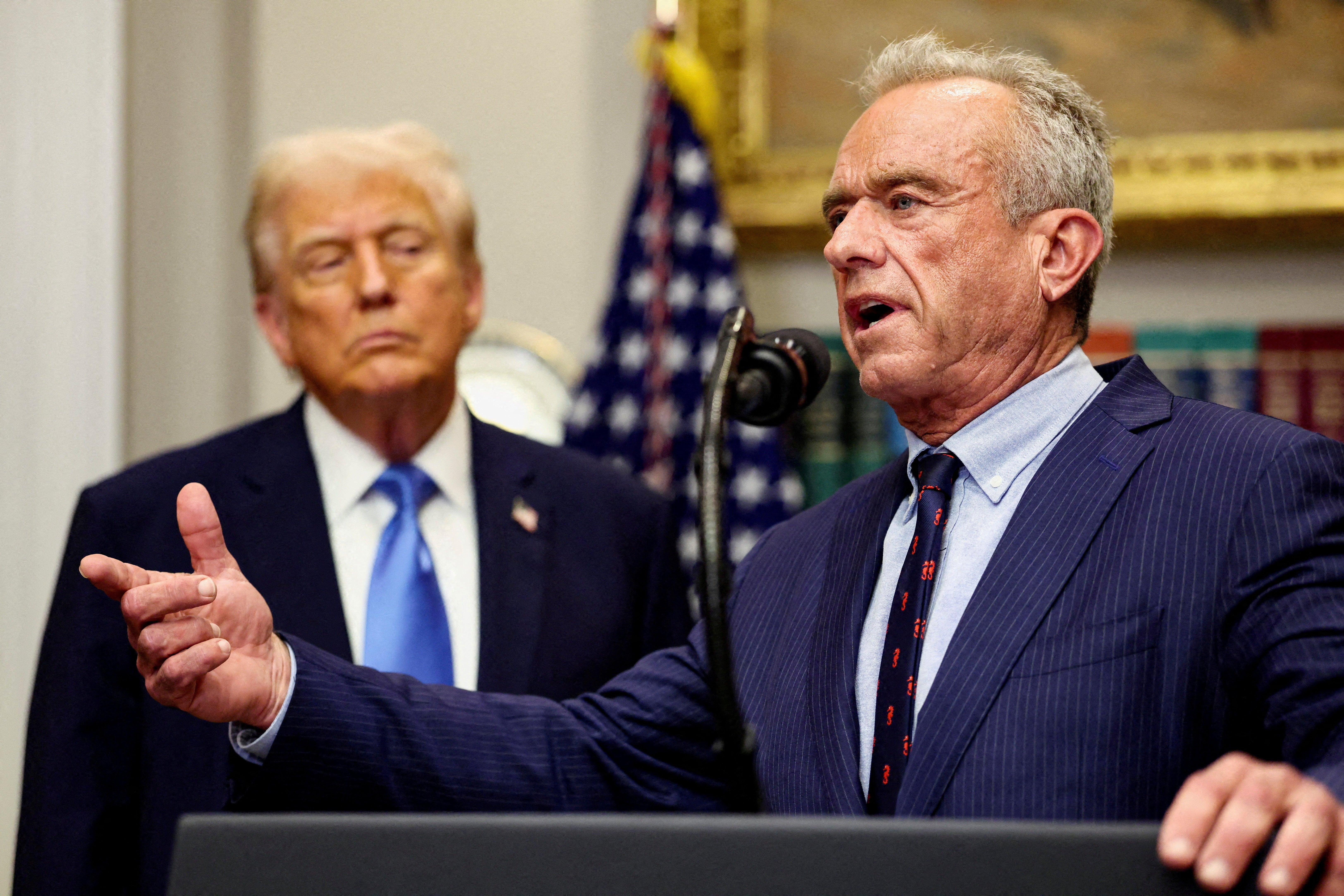
Health and Human Services Secretary Robert F. Kennedy Jr. has reportedly been asked by the White House to tone down his public vaccine skepticism ahead of the midterms, but the Trump official is allegedly still leading a wide-ranging, multi-agency review of vaccine science behind the scenes.
The reported review, described by The New York Times, will focus on exploring Kennedy’s unproven theories that vaccines are causing chronic disease and may be linked to autism.
“It just demonstrates that no matter what the general tone is about vaccines, whether we talk about them or not, the secretary is going to continue to try and look at the data and analyze it in a way that will help support the conclusions that he’s already made,” Dr. Daniel Jernigan, who oversaw vaccine safety at the CDC until he resigned in August, told the paper. “And that, to me, is a real problem.”
The Independent has contacted the White House and the Department of Health and Human Services for comment.
The effort reportedly involves officials from the CDC, Food and Drug Administration, and National Institutes of Health, and is reportedly being led by Martin Kulldorff, a respected biostatistician.
 open image in gallery
While details about the alleged vaccine review are scarce, they would fit with the Trump official’s larger record so far.
Under Kennedy, a well-known vaccine-skeptic activist before taking office, the government has rolled back the number of recommended childhood vaccines, purged a key vaccine advisory board, ousted the CDC director for pushing back on Kennedy’s vaccine priorities, and suggested a link between autism and vaccines, despite a dearth of scientific evidence.
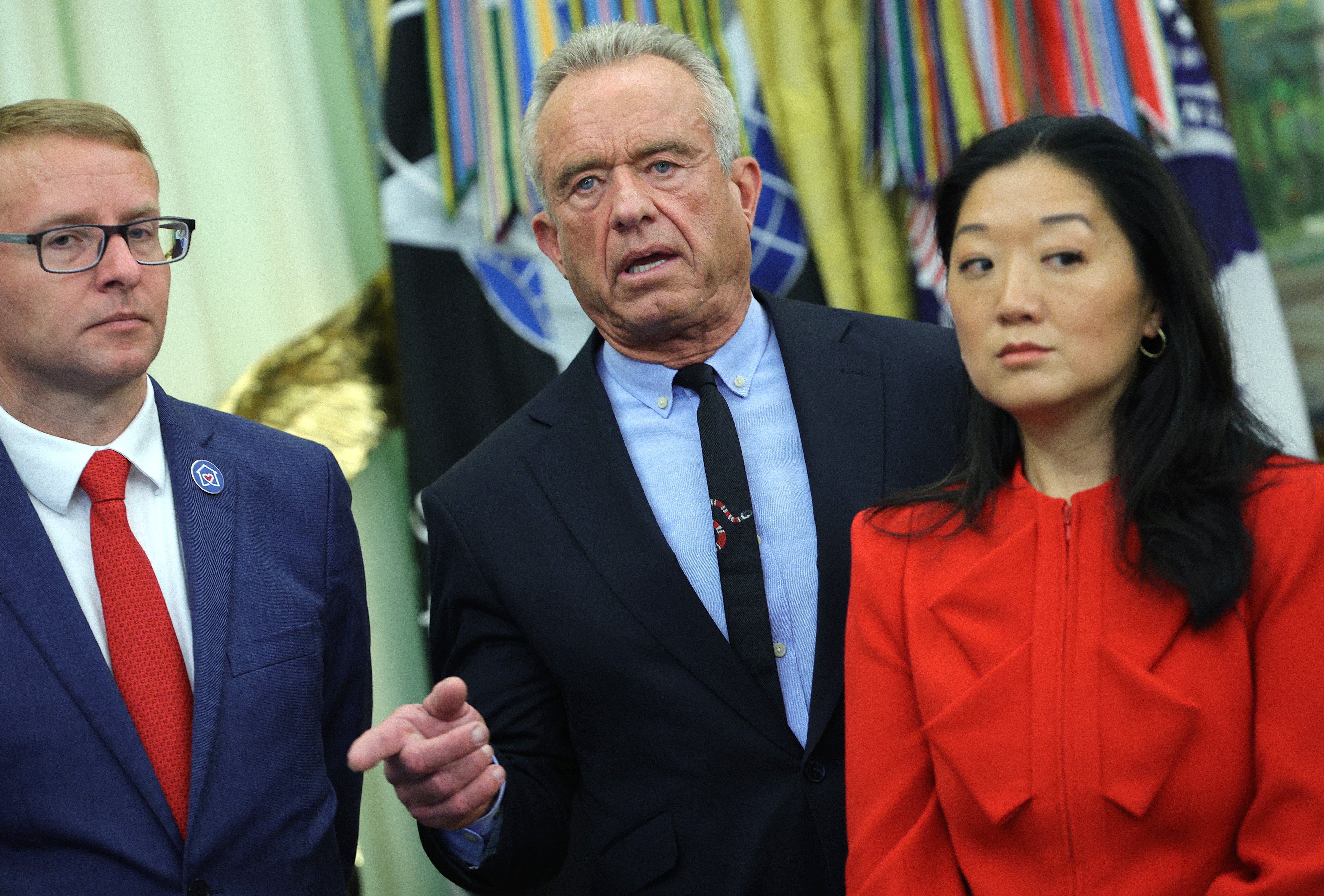
While these steps have been cheered by Kennedy’s most diehard Make America Healthy Again movement supporters, they may pose a political liability for the GOP during the midterms.
 open image in gallery
“Policies related to vaccines and vaccine safety need to be addressed carefully and with nuance,” Todd Lyons, president of the RFK-aligned MAHA Action advocacy group, wrote in a February 11 memo. “That’s because, overall, a slim majority of voters are not convinced there are negative health impacts from vaccines.”
“Vaccines are not popular issues to talk about," an administration official told The Washington Post that month. “It goes back to polling.”
More recent polling from KFF, published last week, suggests about four in ten Americans say they support the MAHA movement, while even fewer express public confidence in the FDA.
Voters appear more driven by affordability issues than vaccine concerns, KFF found; more than 60 percent said health costs will have a “major impact” on whom they vote for, compared with about 40 percent who said food or vaccine policy would influence their picks.
 open image in gallery
These concerns are especially salient for Republicans, who allowed health subsidies to expire last year, have yet to replace the Affordable Care Act, and who have launched a war in Iran that has driven up energy costs.
Between the end of April and early May, roughly 77 percent of respondents to a CNN/SSRS survey said Trump’s policies have driven the cost of living up, with most people blaming the war and the president’s tariffs as the driving factors.
Join our commenting forum
Join thought-provoking conversations, follow other Independent readers and see their replies
CommentsСхожі новини
Canvas owner secures student data in deal with hacking group
EU invites Taliban members to discuss Afghan migrant returns

Mindich had a Russian business partner until mid-2025, MP says