The three issues Trump and Iran need to solve for a peace deal to be agreed
Iran and the United States are closer than ever to agreeing a peace deal to bring an end to the war, sources have claimed, with Donald Trump declaring there have been “good talks over the last 24 hours”.
The White House is currently awaiting Tehran’s response to a one-page memorandum of understanding (MOU) aimed at ending the war and setting a framework for future nuclear negotiations, Axios reported.
Some officials in the US, who expect a response before the weekend, told the outlet that the two sides are “not far, but there is no deal yet”.
 open image in gallery
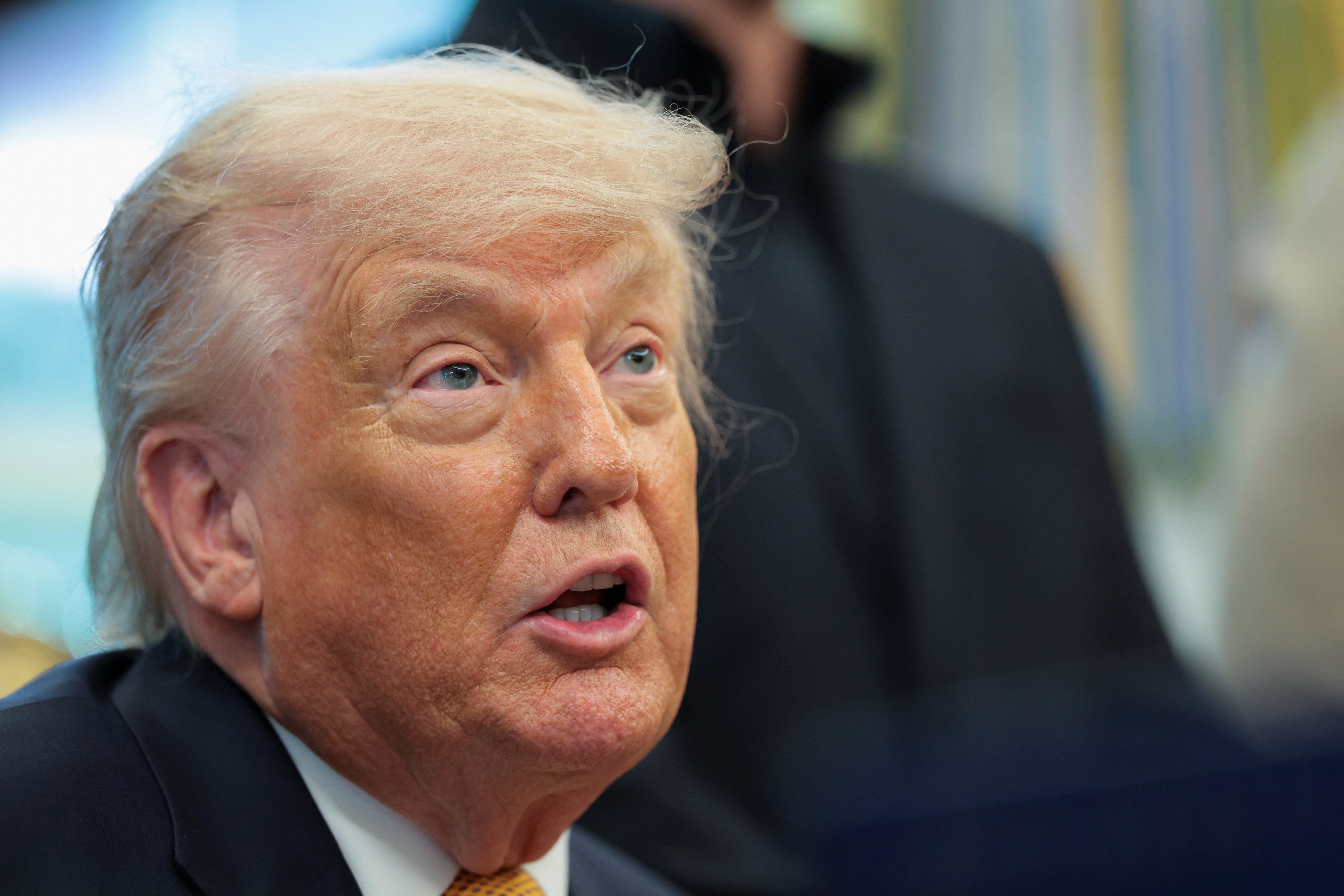
Trump himself is confident: “They [Iran] want to make a deal. We’ve had very good talks over the last 24 hours, and it’s very possible that we’ll make a deal up there,” he said, adding: “I think we won.”
Iranian foreign ministry spokesperson Ismail Baghaei said the proposal is being reviewed by Iran, who will inform Pakistani mediators of its opinion, according to ISNA news agency.
What do we know about the 14-point memo?
The MOU is being hashed out between Iranian officials and Trump’s envoys, Steve Witkoff and Jared Kushner.
In its current form, it would end the war and begin a 30-day negotiation period for a detailed agreement on a peace deal.
It would involve Tehran committing to a moratorium on nuclear enrichment, while the US would lift its sanctions on the Iranian regime, releasing billions in frozen Iranian funds.
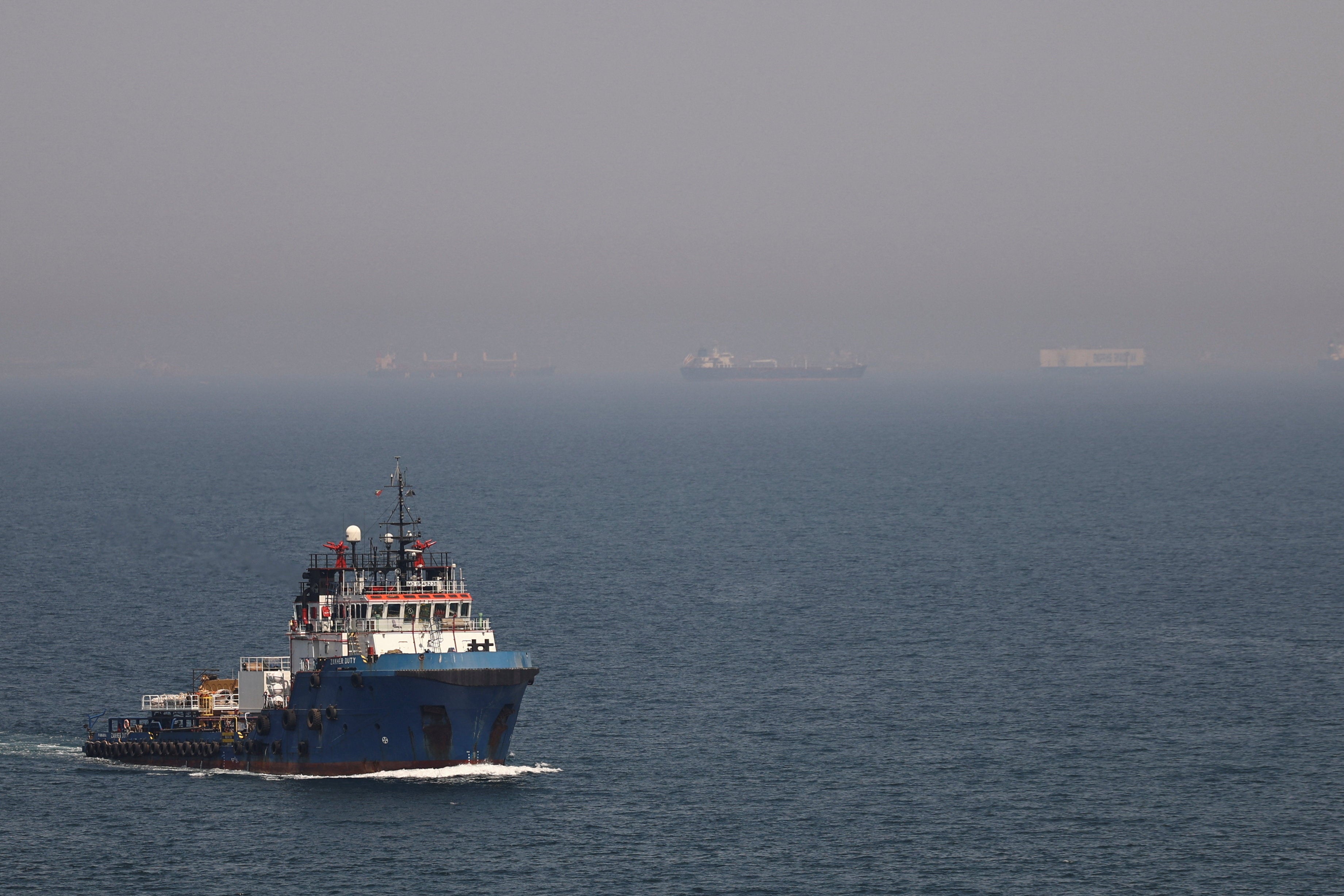
Both sides would eventually lift their blockades in and around the Strait of Hormuz, allowing ships to transit freely through the waterway, through which one-fifth of the world’s crude oil passes.
 open image in gallery
The negotiations are likely to happen in either Islamabad or Geneva, two sources told Axios.
Last month, Washington received a 10-point proposal from Iran, which Trump described as a “workable basis on which to negotiate”.
Iran’s Supreme National Security Council, the country’s top security body, then published a list of points it said Washington had agreed to and “in principle, committed to”. These included:
- non-aggression
- continued Iranian control over the Strait of Hormuz
- acceptance of enrichment
- lifting all primary and secondary sanctions
- termination of all resolutions passed by the UN Security Council and the board of governors of the International Atomic Energy Agency
- withdrawal of US combat forces from the region
- cessation of war on all fronts, including against the Islamic resistance in Lebanon.
Iran’s nuclear programme
Dismantling Iran’s nuclear programme has been one of the White House’s central aims in its war on Iran, launched on 28 February.
The president has warned Iran to stop enriching its uranium, which can be turned into nuclear weapons, and the White House last month said Iran has indicated it would turn over its existing stocks.
Iran and the US are still negotiating how long the moratorium on uranium enrichment will last in the MOU, with officials saying it could be as long as 12 years. Tehran initially proposed five years, while Washington proposed 20.
The US reportedly wants a guarantee that Iranian violations on enrichment would prolong the moratorium.
 open image in gallery
After the moratorium expires, Iran would be permitted to enrich to 3.67 per cent – the same level as was agreed in the 2015 Joint Comprehensive Plan of Action (JCPOA) negotiated by the Obama administration.
The MOU would see Iran commit never to attempt to build a nuclear weapon. One US official says there are talks over whether Iran should be banned from operating underground nuclear facilities.
The MOU would also commit Tehran to an intensified inspection regime, including by UN inspectors.
The Strait of Hormuz
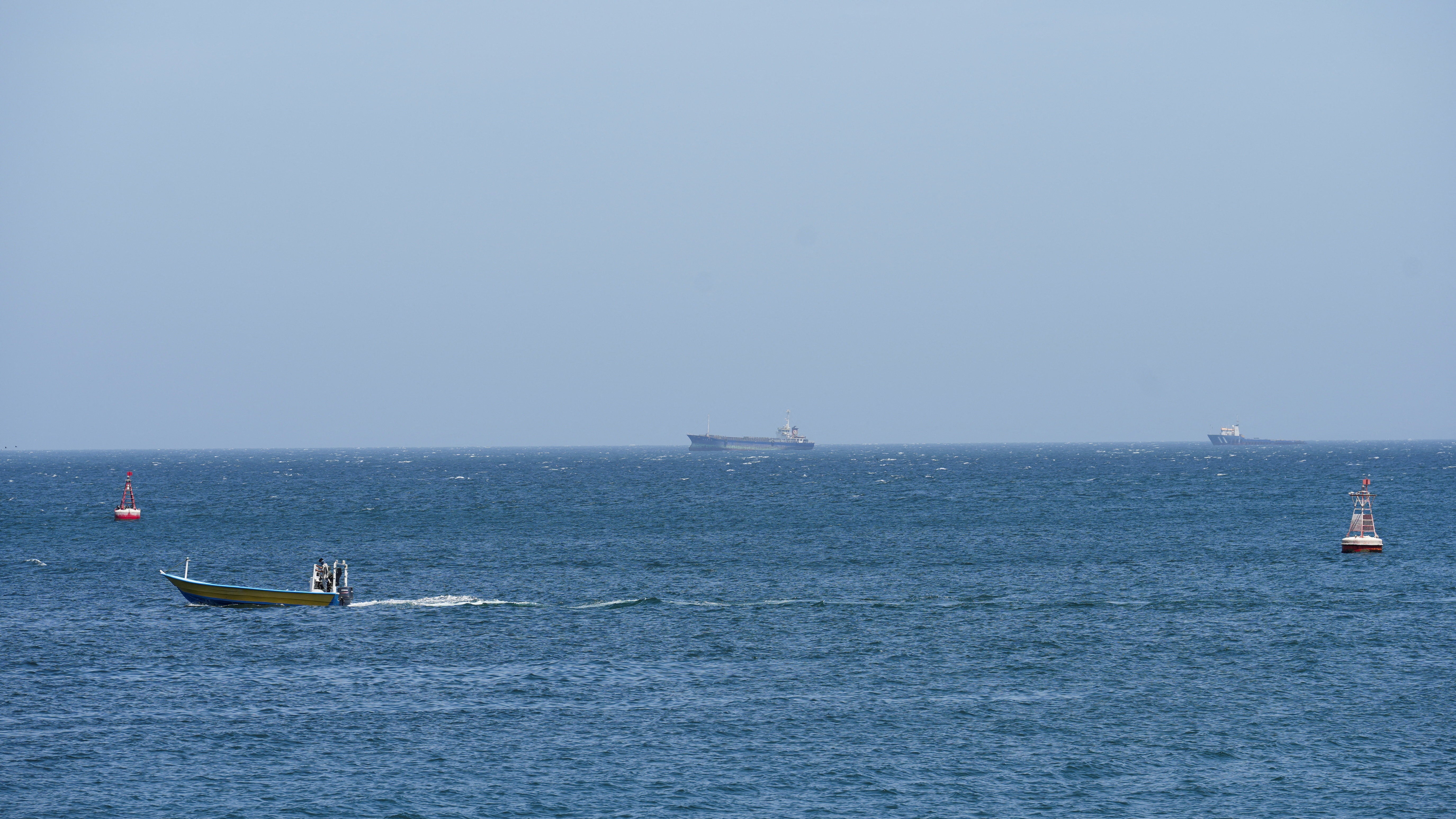
The MOU would see the Strait of Hormuz finally opened up for commercial shipping, with Tehran lifting its blockade of the strait while the US military lifts its blockade of Iranian ports.
Despite announcing an operation to free ships from the strait, dubbed “Project Freedom”, the US president has backed off. US officials say this is due to progress in talks, but other reports suggest a furious response from America’s regional allies, in particular Saudi Arabia and Kuwait, may have been the reason.
 open image in gallery
Under the MOU, Iranian restrictions and the US blockade would be gradually lifted over the 30-day period in which negotiations on a more detailed agreement take place, a US official told Axios.
But if the negotiations collapse, US forces would restore the blockade or resume its military offensive, they said.
Tehran has previously said it will collect tolls from ships passing through the strait. Trump’s response last month was that the US might pursue a “joint venture” with Iran to charge foreign ships a fee for safe passage.
The UN Convention on the Law of the Sea says countries bordering straits cannot demand payment simply for permission to pass through.
A ceasefire for Lebanon
Tehran has demanded during its talks with the US that Israel halt strikes in Lebanon.
 open image in gallery
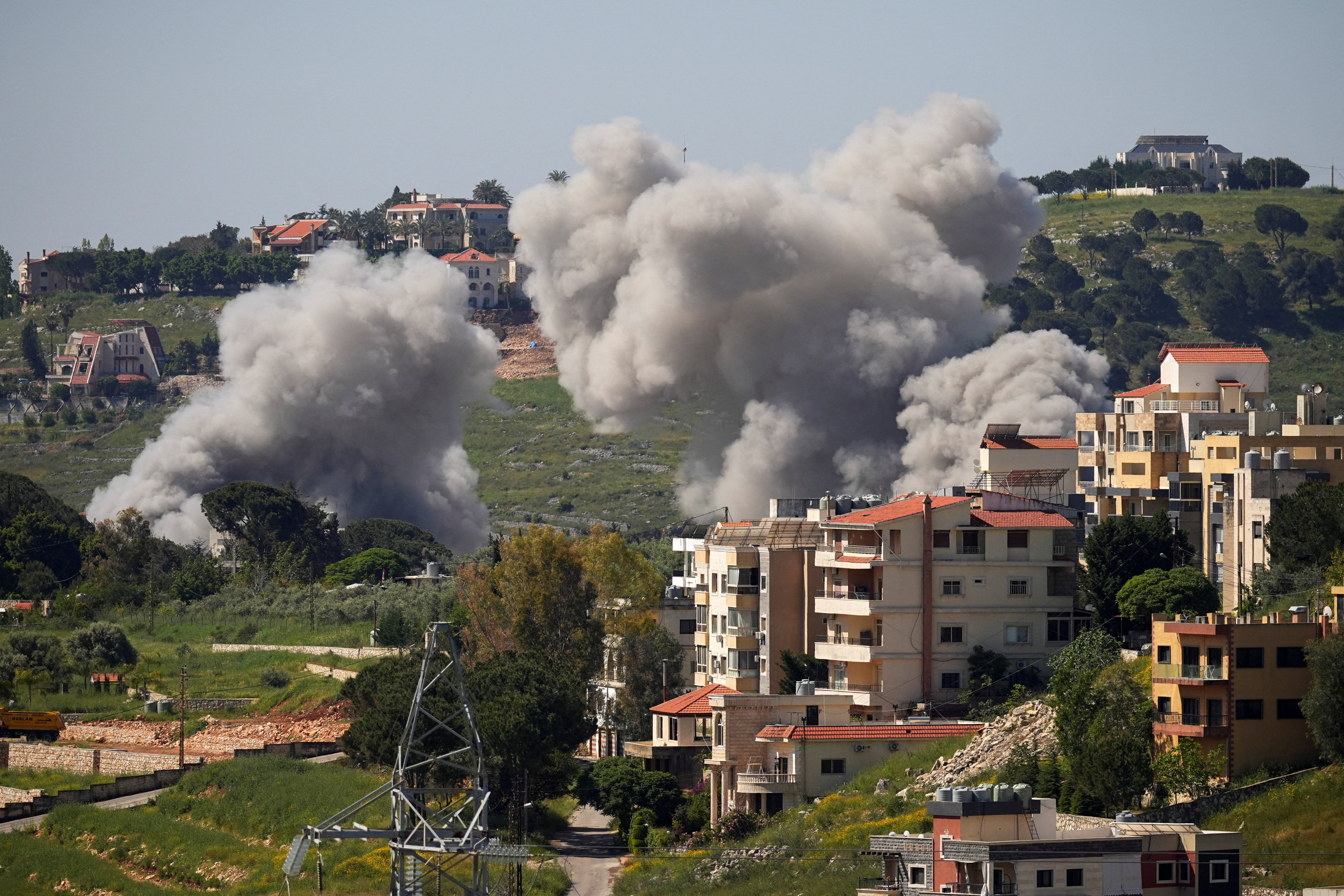
Despite agreeing to a ceasefire last month, Israel has continued attacking southern Lebanon, and on Wednesday, carried out the first strike on the capital of Beirut in weeks.
The 10-point ceasefire agreement from last month, Pakistan and Iranian state media, included a provision for an end to all hostilities, including the conflict between Israel and Hezbollah in Lebanon.
Trump said last week he had ordered Israeli prime minister Benjamin Netanyahu to only carry out “surgical” strikes in Lebanon.
Whether an agreement to end hostilities in Lebanon will be part of the MOU – and whether Wednesday’s strikes could impact negotiations – is currently unclear.
Join our commenting forum
Join thought-provoking conversations, follow other Independent readers and see their replies
CommentsСхожі новини

'I hate to admit it...': Indian-origin Texas woman Meenu Batra says she is afraid she could be arrested again
Australia arrests 3 women returning from Syria over alleged IS links, slavery offences
Iran war to accelerate China’s shift to electric trucks from diesel