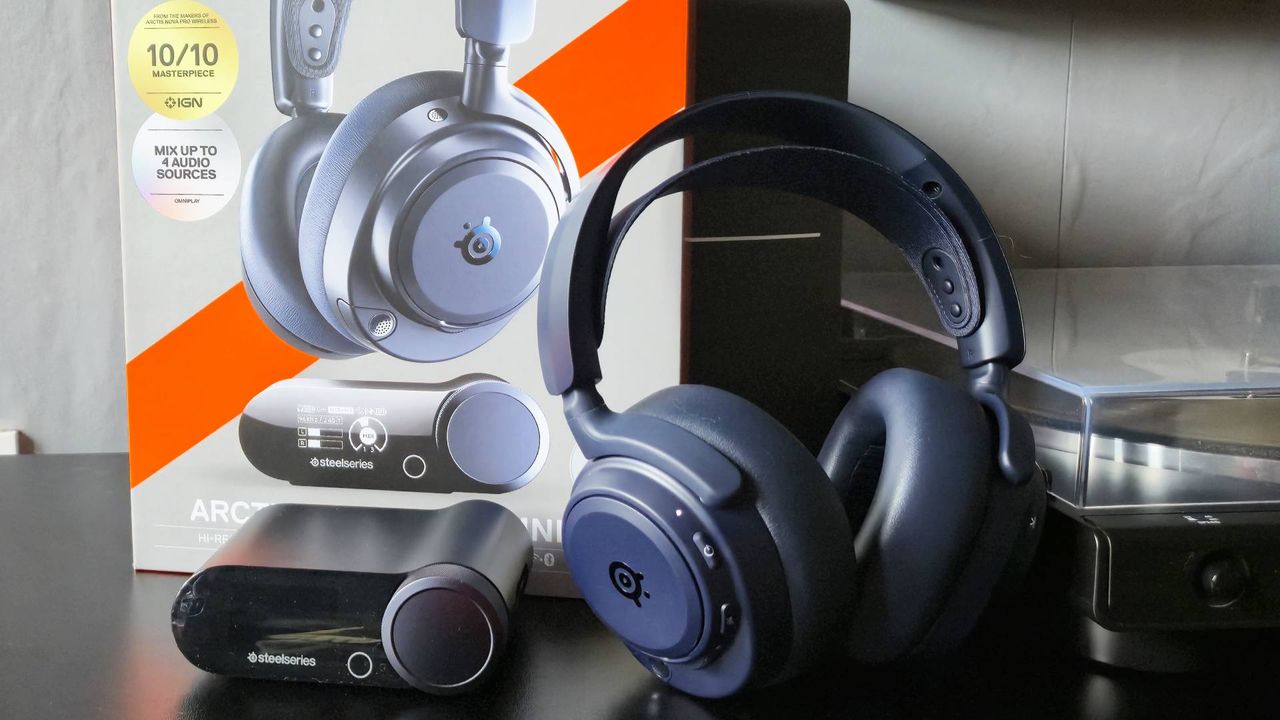
The SteelSeries Arctis Nova Pro Omni wireless gaming headset is the Nova Pro killer I've been dreaming of, and the best I've ever tested
GamesRadar+ Verdict
The SteelSeries Arctis Nova Pro Omni is the best headset I've tested, as it carries all the best parts of what came before, but with some notable audio and quality of life upgrades. Not only is this one of the best ways to get hold of a wireless Hi-res headset without spending a fortune, but it's more comfortable and sounds better than the Pro Wireless before it. If you've had your heart set on the Pro Wireless, this is essentially that with a new hat, but that new hat is flourished with better audio, more comfort, a better microphone, and it's a better fit for multiplatform gamers.
Pros
- +
Hi-res certified audio compatible
- +
Includes wired, Bluetooth & 2.4GHz
- +
Can connect to 5 platforms & mix the audio of each
- +
Superb build SteelSeries sound
- +
Thicker earcups provide more comfort
- +
Mic now mutes when retracted
- +
Hot swappable battery tech remains
- +
Available in new Midnight Blue color
Cons
- -
$20 more than the older Pro Wireless
- -
Tighter clamping force than other Arctis Nova headsets
Why you can trust GamesRadar+ Our experts review games, movies and tech over countless hours, so you can choose the best for you. Find out more about our reviews policy.
The SteelSeries Arctis Nova Pro Omni felt like it came out of nowhere. SteelSeries has already launched its most luxurious headset yet with the Arctis Nova Elite, one of the first of its kind to carry a hi-res audio certification in a wireless form factor, so I thought it'd at least be a while longer before anything remotely as premium came along.
Yet in a matter of months after the Elite came on the scene, SteelSeries managed to release a new headset that plopped Hi-Res audio support in a cheaper form factor while simultaneously pushing the best gaming headset out from its top spot.
The $399.99 / £349.99 headset boasts all the same high-end features that mesmerized me with the Pro Wireless, from its comfortable fit, hot-swappable battery tech, and accompanying Base Station (now dubbed the Game Hub) that allows you to hook up to multiple gaming platforms at once. The Omni has all that in spades, but it's even better as you can hook up to more platforms, it's got cushier earcups, and most importantly, the audio and microphone quality feels leagues ahead of what came before. This is the new best of the best.
Key specs
Swipe to scroll horizontallyPrice | $399.99 / £349.99 |
Acoustic design | Closed back, over ear |
Connection | Wired, Bluetooth & 2.4GHz wireless |
Drivers | Custom 40 mm Neodymium Magnetic (Hi-Res) |
Frequency response | 10-40,000 Hz |
Microphone | ClearCast Pro - Retractable Boom Microphone with onboard AI Noise Rejection |
ANC | Yes |
Controls | Volume/ChatMix Dial, Source Mix Power/Pairing/Quick-Switch Button, Mute Button, Bluetooth Media Control, Multifunction Wheel on Game Hub |
Battery | 2x hot-swappable batteries (Up to 30 hours per battery 2.4GHz ANC off / 50 hours Bluetooth - ANC off / 19H per battery 2.4G+BT ANC on) |
Weight | 339g (Headphones) / 169g (Game Hub) |
Compatibility | PC, PS5, Xbox Series X/S, Switch, Switch 2 |
Design
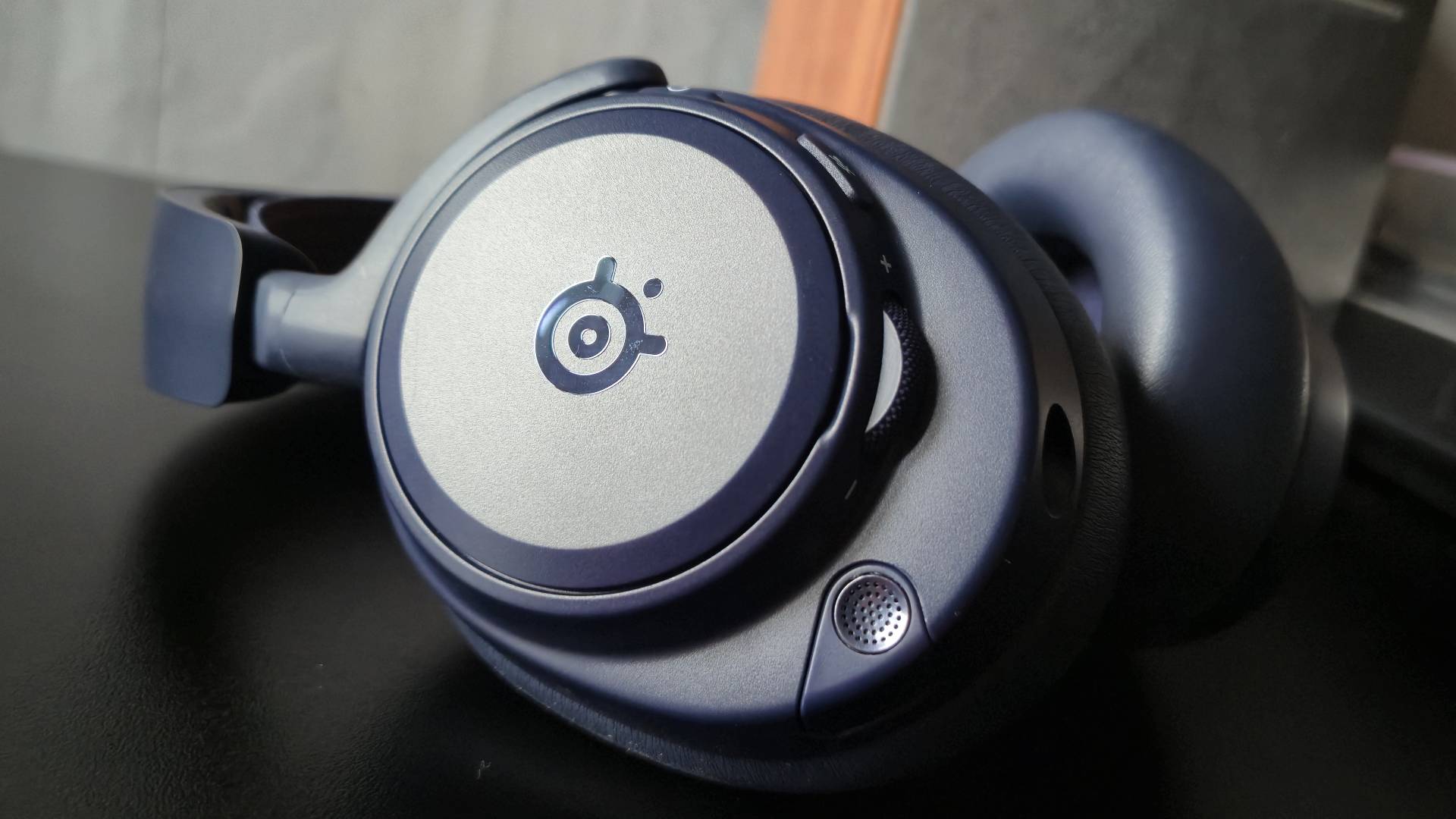
The Arctis Nova Pro Omni looks almost identical to the Nova Pro Wireless or the Nova Elite, but there are some minute changes afoot. The first should be pretty obvious from the photos included in this review, as this newest addition to the Arctis lineup comes in a cool 'Midnight Blue' colorway. It's basically just navy, which isn't too exciting, but it's still refreshing to see colors besides the more traditional black look.
The Omni does happen to also be available in Black and White if that's what you like, but I was very happy to sample the new color, especially as it's not just relegated to the headset itself. Even the little Game Hub has been given a splash of Midnight Blue color across its dial, which has also been upgraded with a textured grip around the edges.

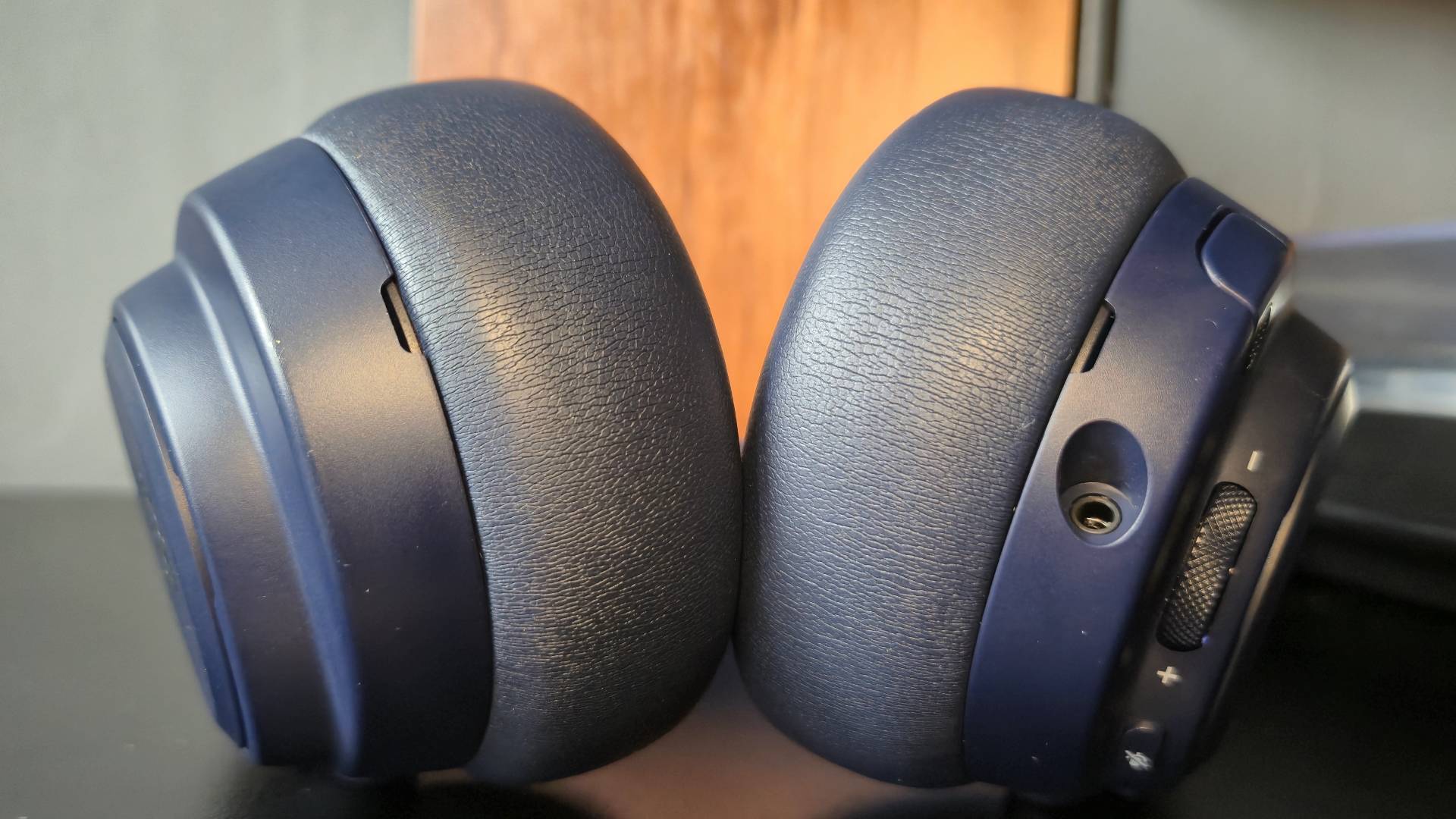
Color aside, the Omni also separates itself by having slightly thicker ear cushions than its predecessors. SteelSeries told me in a video call that this was to improve overall comfort, but it does mean that it's not compatible with the replacement cushions the brand sells on its online store. Besides what I just mentioned, the Omni is pretty much identical in design to the Arctis Nova Pro Wireless in looks alone. As always, the brand is going for the "if it ain't broke, don't fix it" mindset with design, but I'm here for it.
Features
When it comes to features, the Omni is yet again flaunting its Pro similarities, but with one big difference: this bad boy is Hi-res audio compatible. Instead of just providing 96kHz/24Bit audio support via a wired connection like the Pro, you can achieve that audiophile-friendly sound on the go - well, so long as you're hooked up to a gaming PC or listening to some lossless audio tracks.
As I mentioned in my SteelSeries Arctis Nova Elite review, consoles like the PS5 and Xbox Series X/S max out at 48k/16bit, so console players won't notice a huge difference. That being said, this will likely become a handy headset down the line, where futureproofing is concerned, as it's very likely that the next-gen Xbox Project Helix console and the PS6 will be able to support the higher quality sound.
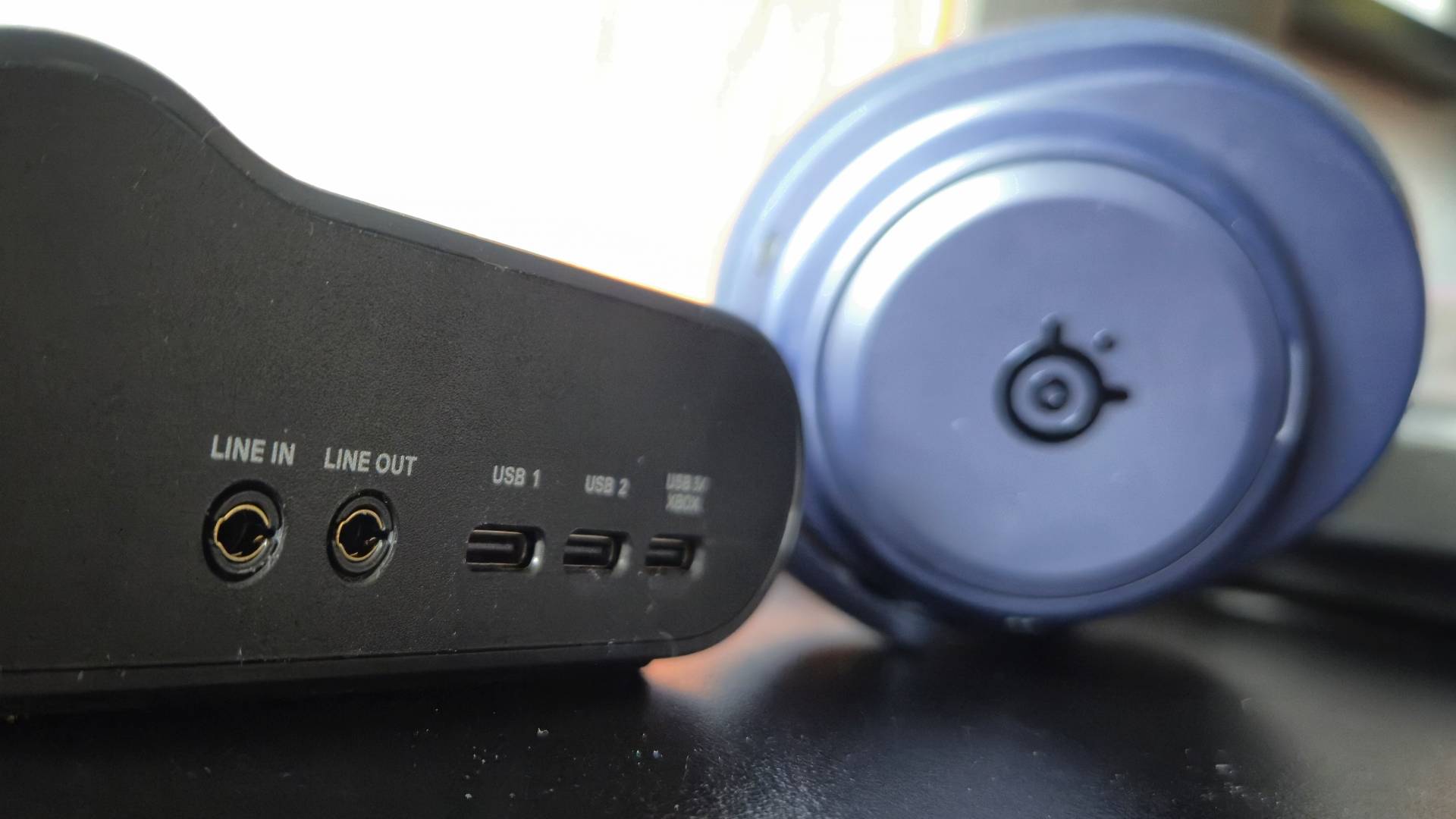
The Omni has other features that separate it from Arctis Nova headsets, past and present. The Game Hub has been given an upgrade, and now lets you connect to four platforms at once (2xUSB+Bluetooth+Line-in) and mix the audio of those simultaneously. For example, I've had the Omni hooked up to my gaming PC and playing Spotify faintly while in a catch-up video call with the rest of the team, and was able to mix and alter the levels of their speaking with my anime tunes still audible in my ears.
Sign up to the GamesRadar+ Newsletter
The Omni's other new features are small, like the fact the microphone now automatically mutes when fully retracted, or pair's tighter clamping force. Talking of the microphone, this headset marks the debut for the ClearCast Pro, a higher-bandwidth and omnidirectional microphone with a 50-16,000 Hz frequency response and built-in noise rejection.
Otherwise, this is a very similar package to the Pro Wireless, as you've still got that hot-swappable battery tech, multi-platform support, and similar over-ear and closed-back form factor as before.
Performance
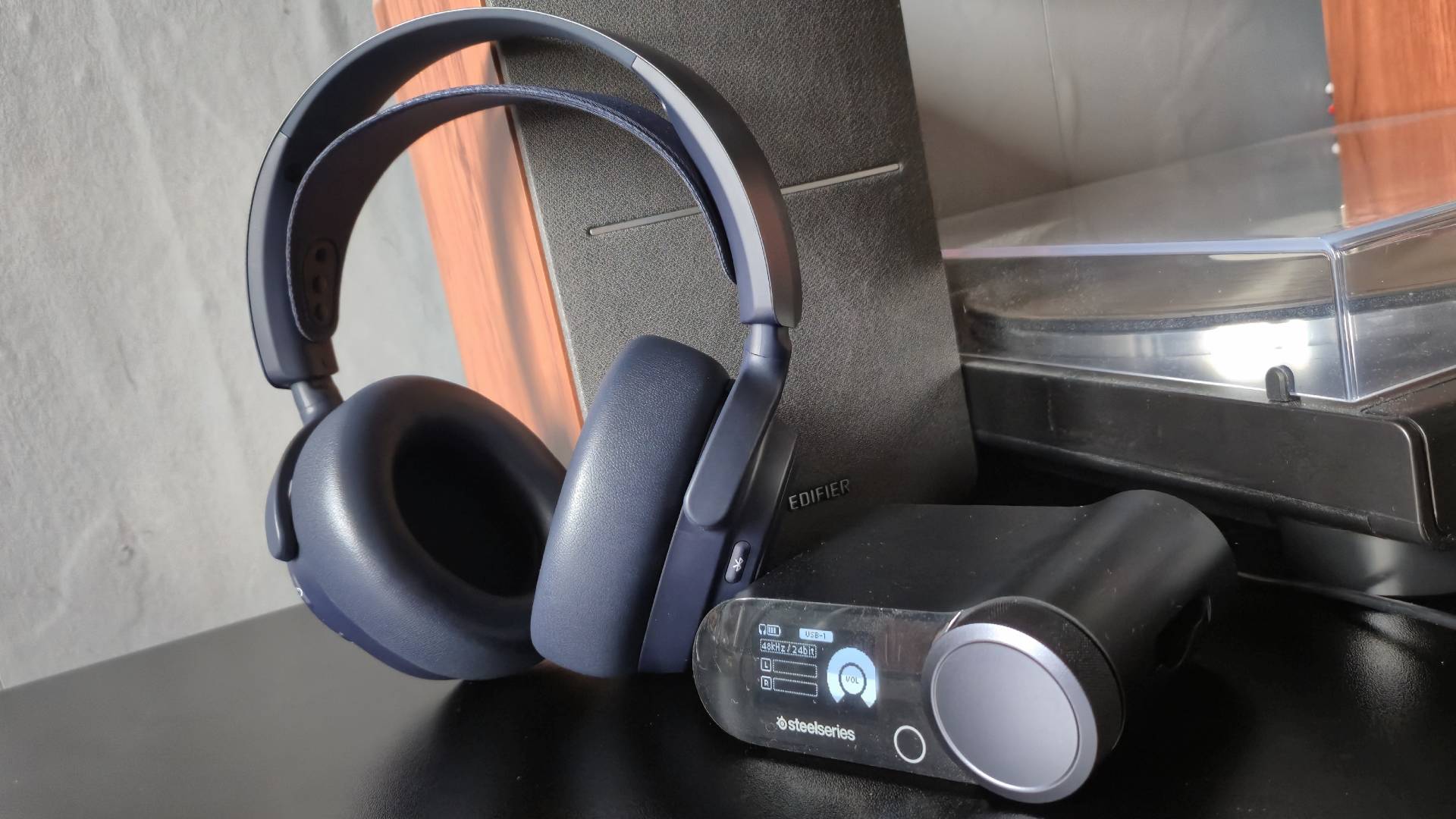
As current-gen consoles aren't Hi-res audio compatible, it felt best to hook up the Omni to my PC first for testing. The first game on the platter was Counter-Strike 2, where the gunshots felt extra crunchy and satisfying. Right off the bat, I noticed that any dialogue and sound effects are really amplified with this headset, as even when I knew enemy bot players (I'm still practicing) were just around the corner due to the spatial audio capabilities, the clarity of their gunfire made me constantly jump out of my seat.
Picking up Marvel Rivals sounded just as juicy. The pulsating sound effects of Invisible Woman's attacks brought me right into action that I was even doing her hand movements between matches. This punchy clarity continued no matter what game I threw the pairs way on Steam, but even more so once I checked out the Dead As Disco demo. The music-rhythm beatem up felt like the perfect testing choice, as it gave me the opportunity to see how the pair dealt with music and a sound-effect-heavy soundstage. Naturally, as I expected, the Omni has no issue, and in fact, there were moments where I was getting too into the catchy rendition of 'Maniac' that I missed some counter opportunities. Not a headset issue, but definitely a skill issue.
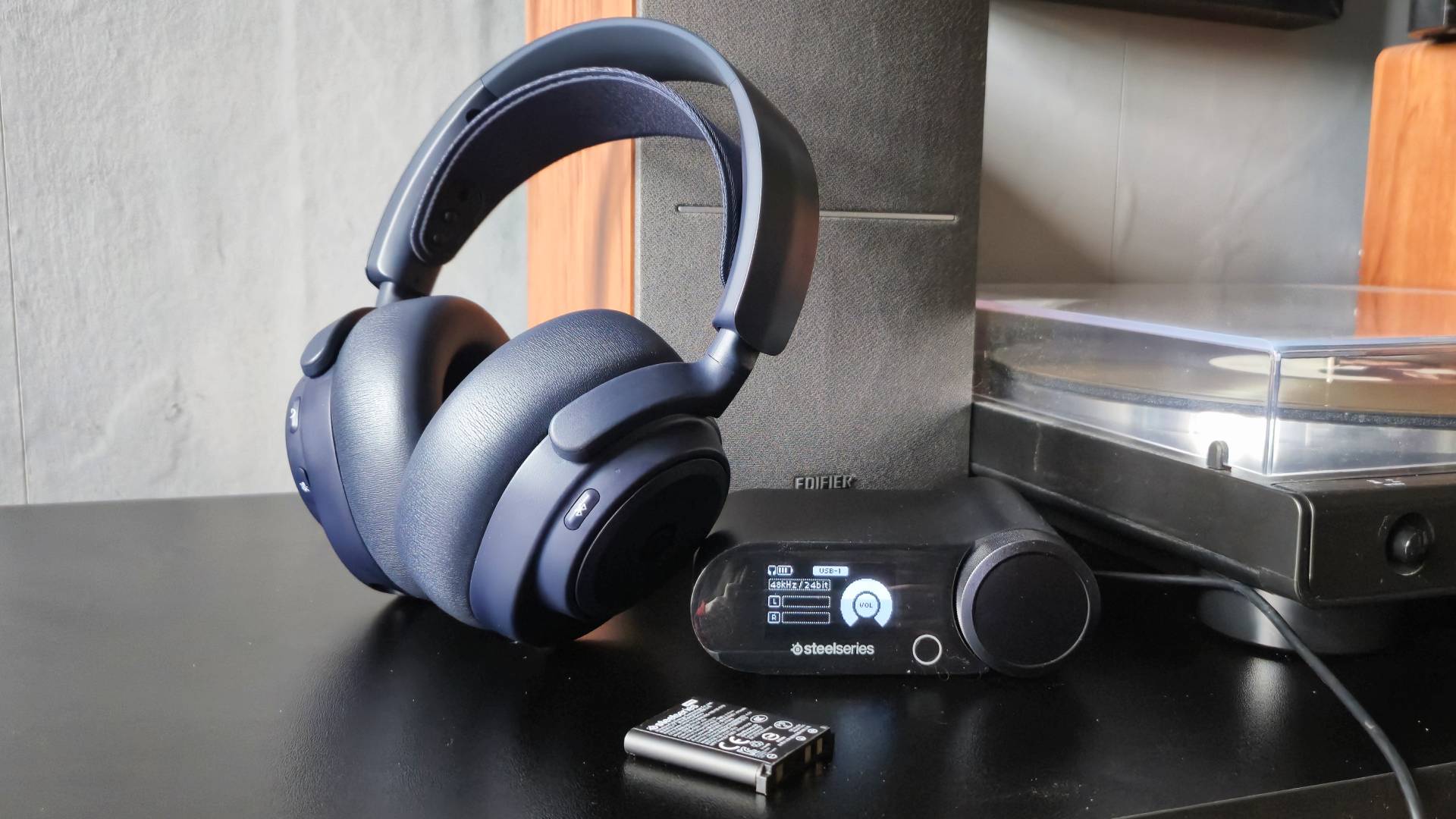
Before I tap into how it sounded on the PS5, I do need to elaborate that this headset, while extraordinary, is not built for my setup. What I mean by that is, my consoles and my gaming PC are in two separate rooms, and so I never have the means to use the Game Hub to its fullest potential. If you're in the same boat, that doesn't mean there isn't a lot to get out of adding the Omni to your setup, it just means you might be a better target for the brand's SteelSeries Arctis Nova 5 Wireless until you have one unified gaming space.
Despite that, I was still able to put the hub's audio mixing to the test. I connected it to my PC and work laptop simultaneously, and I was able to easily customize the volume levels of my co-workers' voices and my music that I sneakily had on Spotify in the background. Now, I wouldn't recommend you recreate my test to avoid getting in trouble with your boss, but having this ability to mix the audio of multiple platforms at once is something that'd be a great tool for streamers and content creators, which is worth keeping in mind.
While I wasn't able to hook the Omni up to my PC and PS5 in the same way, I did test it with my Sony pixel-pusher and had just as great a time. The first thing I noticed with this new headset is that it gets loud, something that very few PS5 headsets manage. I'm not sure why the PS5 has volume issues, but I've tested so many pairs that are just too quiet, no matter what settings I tinker with, but the Omni was just right. I almost shed a tear when I discovered I could hear composer Tsutomu Narita's Granblue Fantasy Relink score pounding into my eardrum, especially as the ANC meant I could totally switch off the outside world and completely immerse myself in the RPG's world.
It was the microphone that was next on the testing chopping block. My friends are used to hearing the ClearCast Gen 2 from the Pro Wireless, which is one of those mics that they'll always make positive comments about during our regular Repo sessions and Discord calls. If and when I switch to a budget headset instead, they're all well aware, so I was really intrigued to see how the ClearCast Pro would go down. From my own audacity tests, I was pretty impressed.
I've provided a sample audio clip above, so you can hear it for yourself, but it's one of those rare instances where the microphone actually manages to capture the deep timbre of my voice. I'm always an advocate for grabbing the best streaming gear and a high-end microphone if you want professional-level audio, but if you just want one of the best mics for chatting to friends for many hours of Repo, Fortnite, and in my friends' case, many hours worth of Talisman on Steam, this is a fantastic, if not one of the best mic choices you can make.
My only recommendation is to get that sidetone turned down via the SteelSeries GG software as soon as possible. By default, it's a bit too loud, and hearing your own loud voice right in your ear can be a bit of a distraction. Talking of which, the Omni is compatible with GG, and you still have all the EQ settings and game audio pre-sets to play around with, if that's what you want. Although I've had just as incredible an out-of-the-box sound that I never felt inclined to have any pre-set on. The low, mid, and high sound frequencies sound perfectly leveled and juicy right on their own.
Should you buy the SteelSeries Arctis Nova Pro Omni headset?
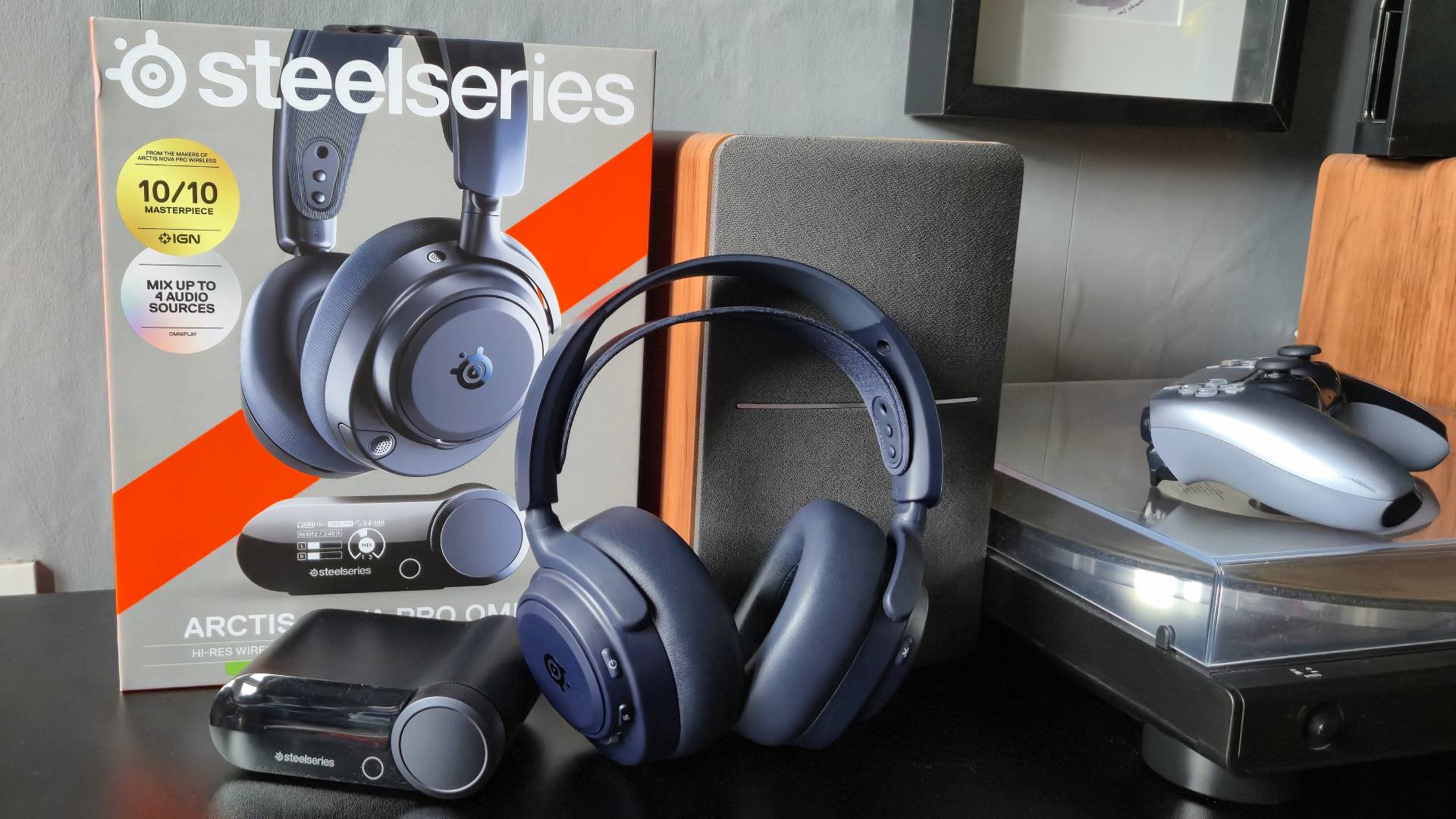
The SteelSeries Arctis Nova Pro Omni headset should be your first choice if you're after the best in the business but want to steer clear of the $599.99 / £599 price tag of the Elite (and still want to take advantage of its Hi-res ways).
With this release, the brand has taken my and the rest of the team's favorite headset, the Pro Wireless, and made it even better, so there's very little here not to like. It doesn't just have practical upgrades like the retractable mic muting and thicker earcup cushions, but its out-of-the-box sound and the new ClearCast Pro microphone are also better this time around. Through Hi-res audio support and the ability to connect up to more sources (and mix them), it's basically the Pro Wireless Plus, where I'm concerned.
Of course, with its $399.99 / £349.99 MSRP, there is a small matter of its $20 / £20 price difference compared to our much beloved Pro. To me, everything you get in this package feels like it more than justifies the extra funds. But I entirely understand anyone who still wants to opt for the next best thing in order to save some cash, especially as the Pro Wireless is regularly discounted when big events like Black Friday come around.
Availability of the Pro Wireless is going to simmer down a bit now that the Omni is here, which is worth considering. SteelSeries informed me that it will still be available at big-name retailers, but the Omni is set to be the new star of the Arctis line. Hopefully, it will eventually see just as many discounts in the future as what came before, as any and all multiplatform gamers deserve to have this echelon of headset and audio quality in their setup.
How I tested the SteelSeries Arctis Nova Pro Omni headset
I had the SteelSeries Arctis Nova Omni Pro headset on my testing bench for a little over two weeks, using it to hook it up to everything from my gaming PC, PS5, Nintendo Switch 2, Steam Deck, and my Samsung S24 smartphone. During that two-week process, I first used the pair to play Marvel Rivals, Counter-Strike 2, Vampire Crawlers, and the Dead As Disco demo. PC testing was a priority due to the pair's Hi-res audio support, but I later took up games like Granblue Fantasy Relink, Mixtape, and Marvel Rivals on the PS5. Additionally, I played a range of Switch 2 games via the headset, including Mario Kart World and Pokemon Pokopia.
Outside of gaming, I used the headset to listen to music, including Hi-res audio files like the album 'Death Club' by Slime City and 'I Love My Computer' by Ninjajirachi. The Omni was also my go-to headset when catching up with the latest Witch Hat Atelier episodes on Crunchyroll and The Boys on Amazon Prime. For more information on how we test gaming headsets, check out the full GamesRadar+ Hardware Policy.
Check out our best PS5 headset, best PC headset for gaming, and best Nintendo Switch headset guides to see how we rank the rest of SteelSeries' Arctis Nova gaming audio catalog.
TOPICS CATEGORIES
Ever since I first held a NES controller in my hand I've been obsessed with gaming, and the hardware it runs on. I could hook up a NES and SNES to a telly, without instructions, before I could walk. Even now, nothing is more exciting then taking a console, or handheld, out the box for the first time and setting it up. This obsession transformed into a love of games and game music, which lead to my music degree and dream of becoming the Scottish Nobuo Uematsu. After sharing my love of games through music, I began to share my love through words on sites like TechRadar and iMore. This lead to becoming a Hardware staff writer for PCGamesN, and later the Senior Tech Writer for Dexerto, covering all things Steam Deck, PlayStation and Nintendo. With that experience, I was able to level up as Hardware Editor for GamesRadar+, where I'm still just as Nintendo, PlayStation and gaming tech obsessed as ever.
View MoreYou must confirm your public display name before commenting
Please logout and then login again, you will then be prompted to enter your display name.
Logout LATEST ARTICLES 1Now we're getting Lego Minas Tirith, which Lord of the Rings set will be next?
- 2Lanterns will be the first story on the DCU timeline thanks to a flashback storyline in 2016
- 3How to get a Subnautica 2 tadpole and the tadpole pens key code
- 4After 5 years in early access, one of Steam's best-rated shooters goes on sale one last time before a price increase
- 5Forza Horizon 6 immediately beats its predecessor's all-time Steam record with over 130,000 concurrent players
Схожі новини

Diablo 4 players become unkillable gods as a minor bug fix in Lord of Hatred turns into a major problem for Blizzard
Hydroelectric Turbine blueprint locations in Subnautica 2 and how to use

Valve's massive update to the Steam marketplace must be working, because a gun I had listed on there for years just sold for a cool 40 bucks