The Steam Controller is unmatched at letting you play mouse and keyboard games from the comfort of your couch, but as a gamepad it loses out to GameSir, Flydigi, Nacon, and more
GamesRadar+ Verdict
The Steam Controller is more comfortable than it looks, and although it can be outclassed as a gamepad by a lot of similarly priced or cheaper third-party options, it opens up a whole new world of PC gaming from the couch thanks to its excellent trackpads and innovative features. A lot of the areas this controller really excels in are things no other controller has a real answer for, so there's a lot of versatility here for a comparatively reasonable $99/£85.
Pros
- +
Excellent comfort and shape
- +
Ability to navigate a PC is second-to-none
- +
Trackpads feel and function brilliantly in mouse and keyboard games
- +
Great features
- +
Strong battery life
Cons
- -
Rigid, plastic back buttons take a fair amount of pressure to actuate
- -
Profiles and button mappings are locked to faffy Steam menus
- -
Tied to Steam-launched games only
- -
There are better competitive options for the money
- -
Fingerprint, smudge, and oil magnet
Why you can trust GamesRadar+ Our experts review games, movies and tech over countless hours, so you can choose the best for you. Find out more about our reviews policy.
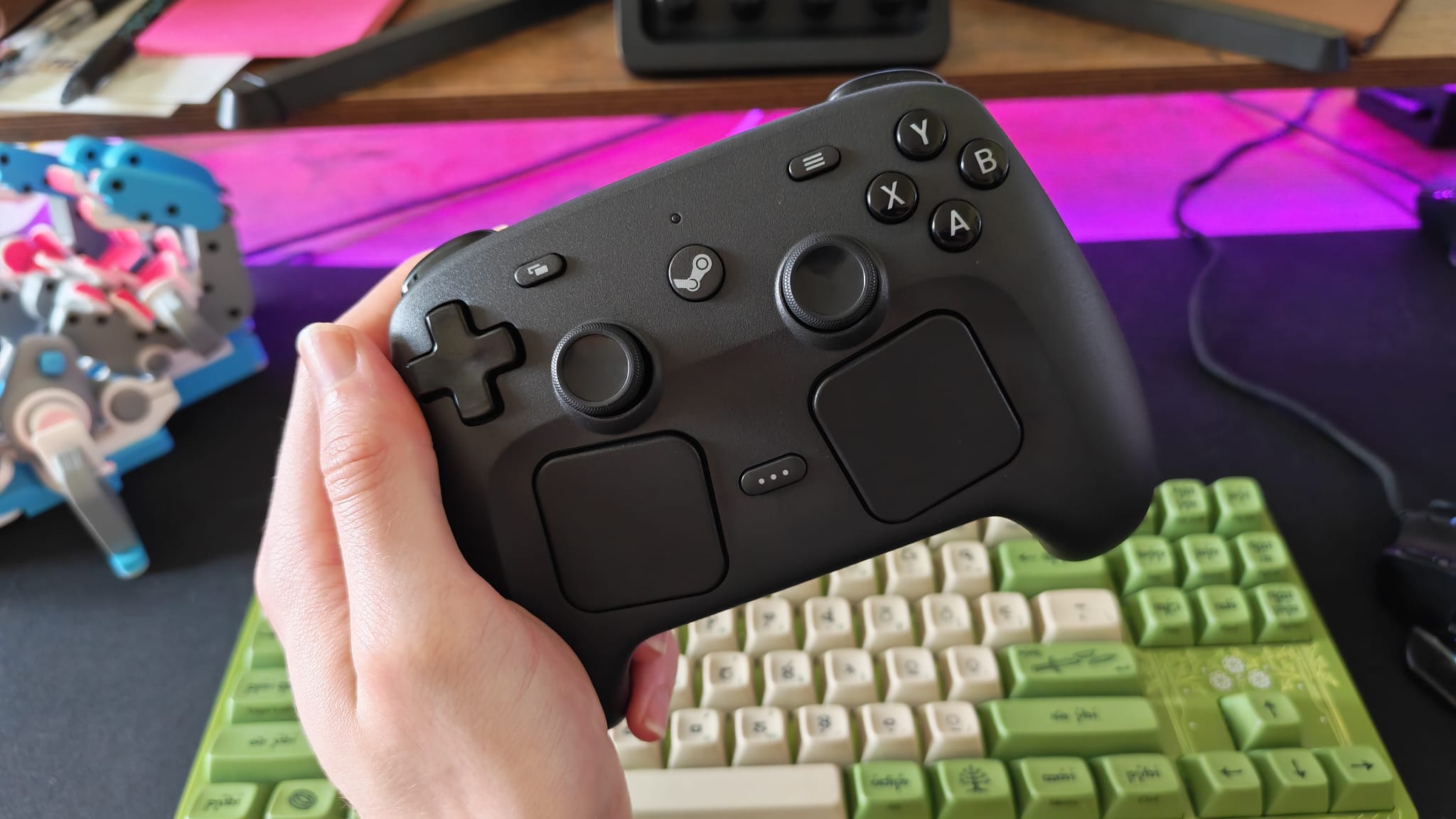
Until I got my hands on Valve's Steam Controller, I thought, "there's no way in hell something that bulky is going to be comfortable to hold for long stretches of time". I'll be the first to say that I underestimated Valve's approach, because for a brand that hasn't taken a crack at making a PC controller since its first (bizarre) 2016 outing, it has nailed gamepad ergonomics in ways specialist brands sometimes fail to.
Of course, this controller is intended to be part of a new Valve hardware ecosystem that isn't here yet. It's designed almost entirely for the Steam Deck, Steam Frame, and Steam Machine, but 2026's new Steam Controller is so much more than that. In years of reviewing gaming controllers, I've never encountered anything that's attempted to bridge the gap between mouse functionality in quite the same way as this does. It makes for a controller that can actually help you navigate a PC from a couch, or without reaching for the mouse on your desk.
This is undoubtedly the best part of the Steam Controller, and although I can name several others that tackle competitive gameplay a bit better than it, I can't name any other controllers that utilize trackpads to make playing any and all PC-optimized games this easy. Is it right for you? You'll need to decide if $99 / £85 is too much to justify for the privilege of those pads, because there are certainly cheaper controllers out there that can do just as much, if not more, for your gameplay.
Latest Videos From
Design
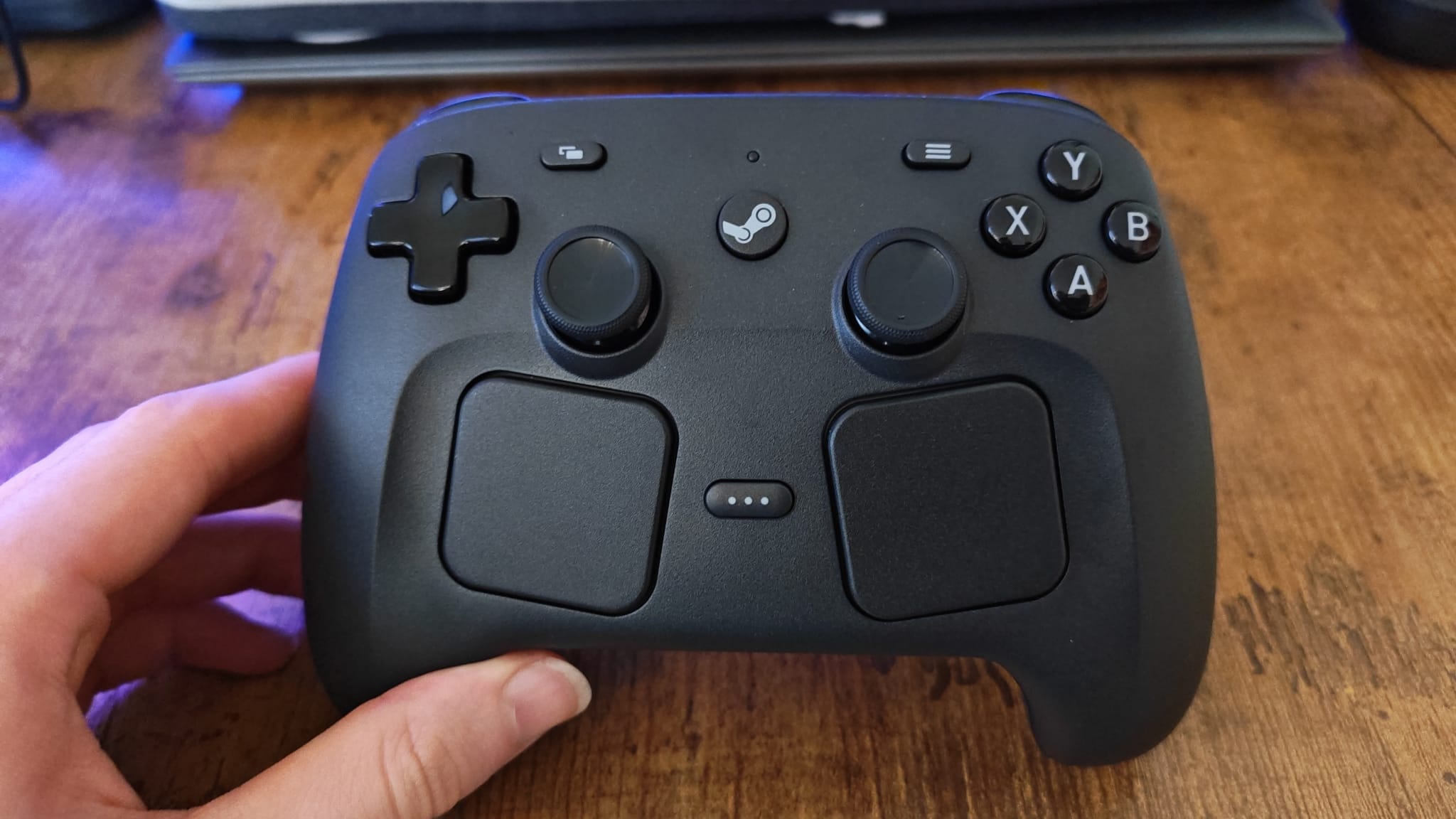
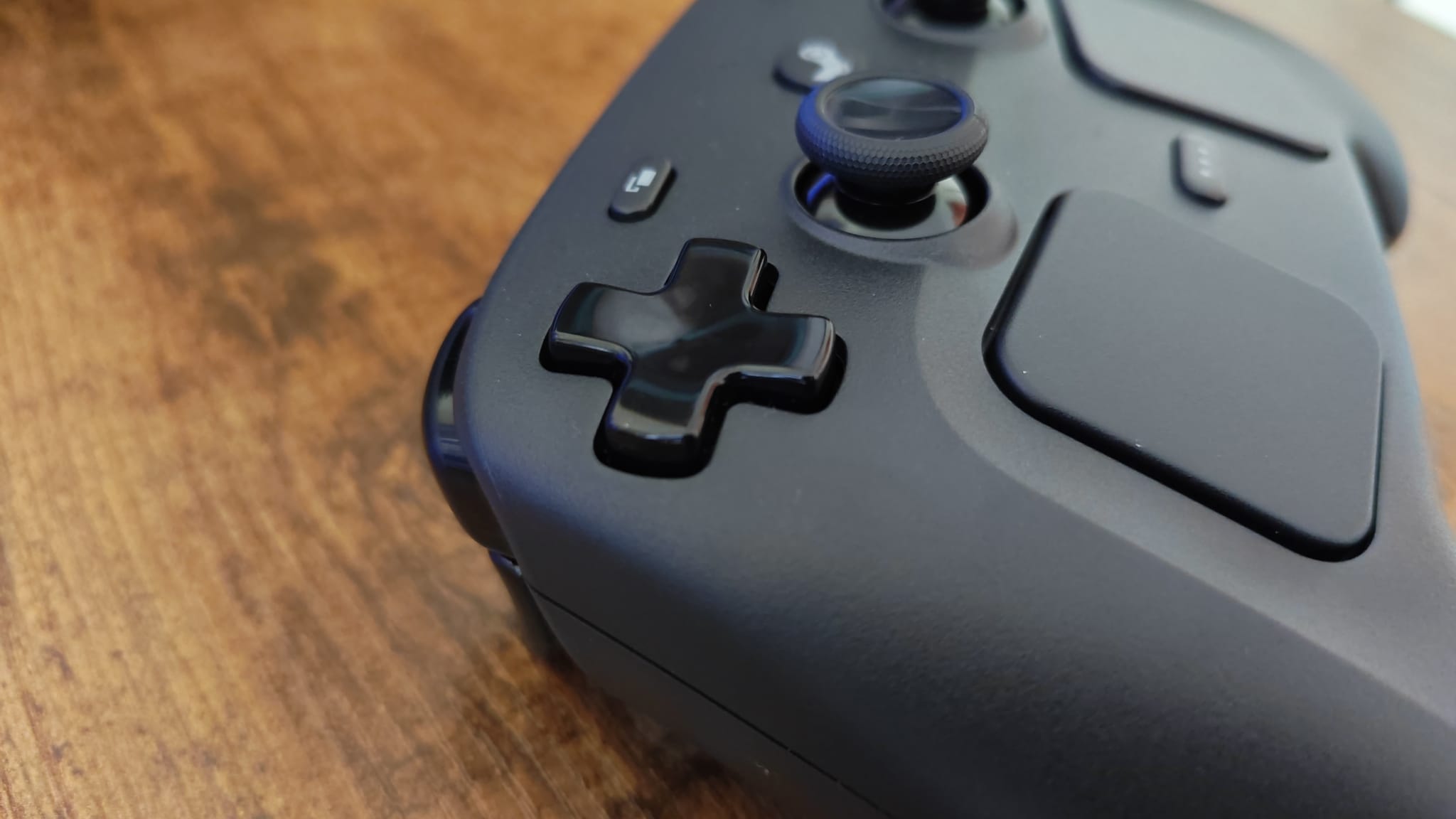
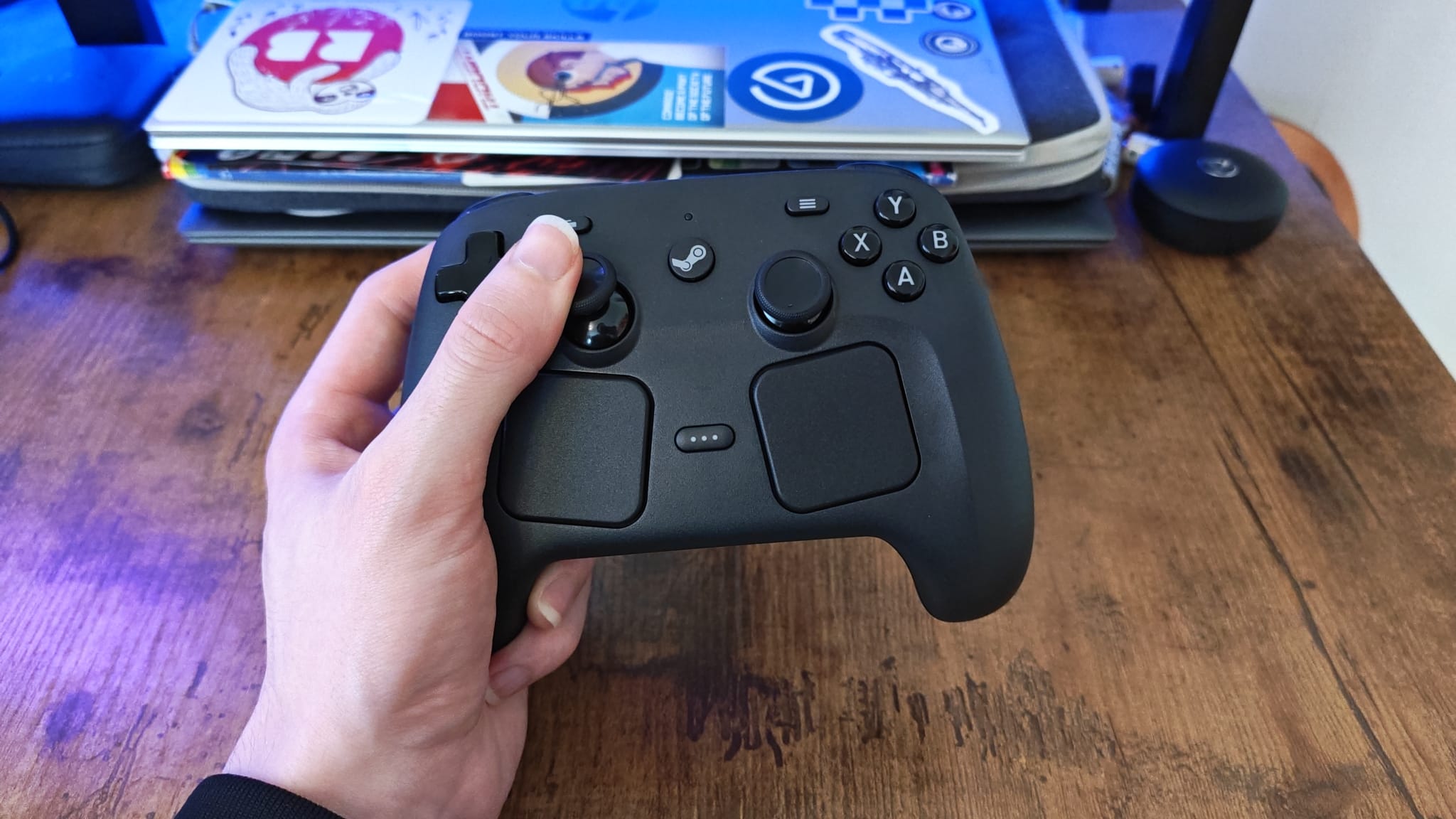
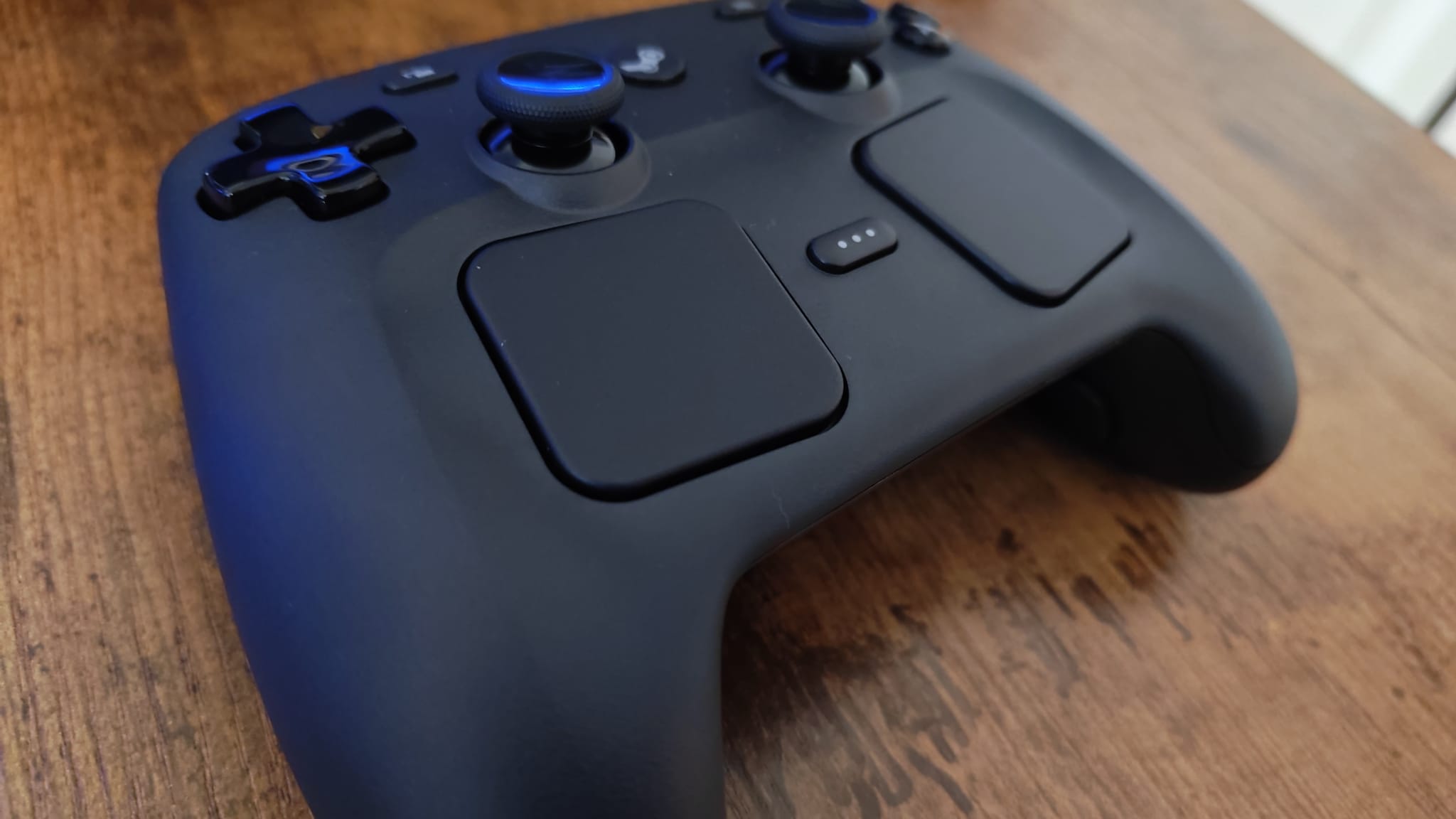
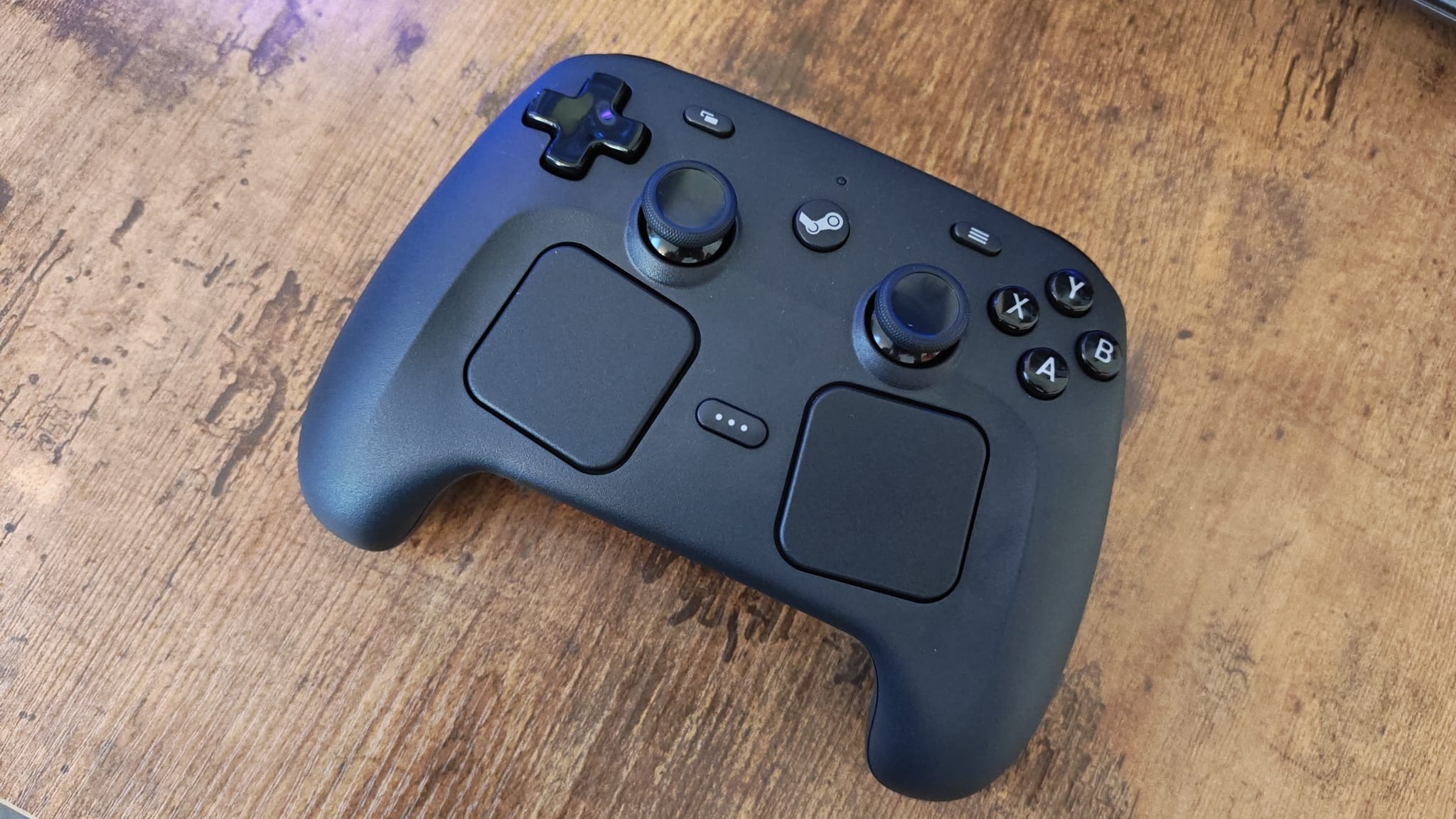
The Steam Controller's design is pretty clever because it builds on the things people like about the brand's most successful piece of hardware ever, the Steam Deck. In essence, the controller is the two sides of a Steam Deck without its screen. Alongside some symmetrical thumbsticks set below the D-pad and face buttons, there are also two trackpads which extend the controller's face into a much bulkier-looking block shape.
It's for this reason the Steam Controller looks so far from comfortable at first glance, but the design has been handled with care so that it fits surprisingly well in the hands. Valve has used a clearly accented, rounded grip shape that spans the full length of the controller - something that even specialist brands sometimes get wrong. This means the larger body doesn't get in the way of how you hold it and, if anything, the bigger size just means my pinkies feel accommodated.
It feels as though Valve has done its utmost to cling to the design language of the Steam Deck here, which is true of the upcoming Steam Machine and Steam Frame as well. While I'm a big fan of the consistency across the range, I do feel like this ethos holds the controller back slightly. The Steam Controller has a very unique, iconic design, but its graphite texture sometimes risks it looking a bit plain compared to other options on the shelves and, in a practical sense, it has some issues.
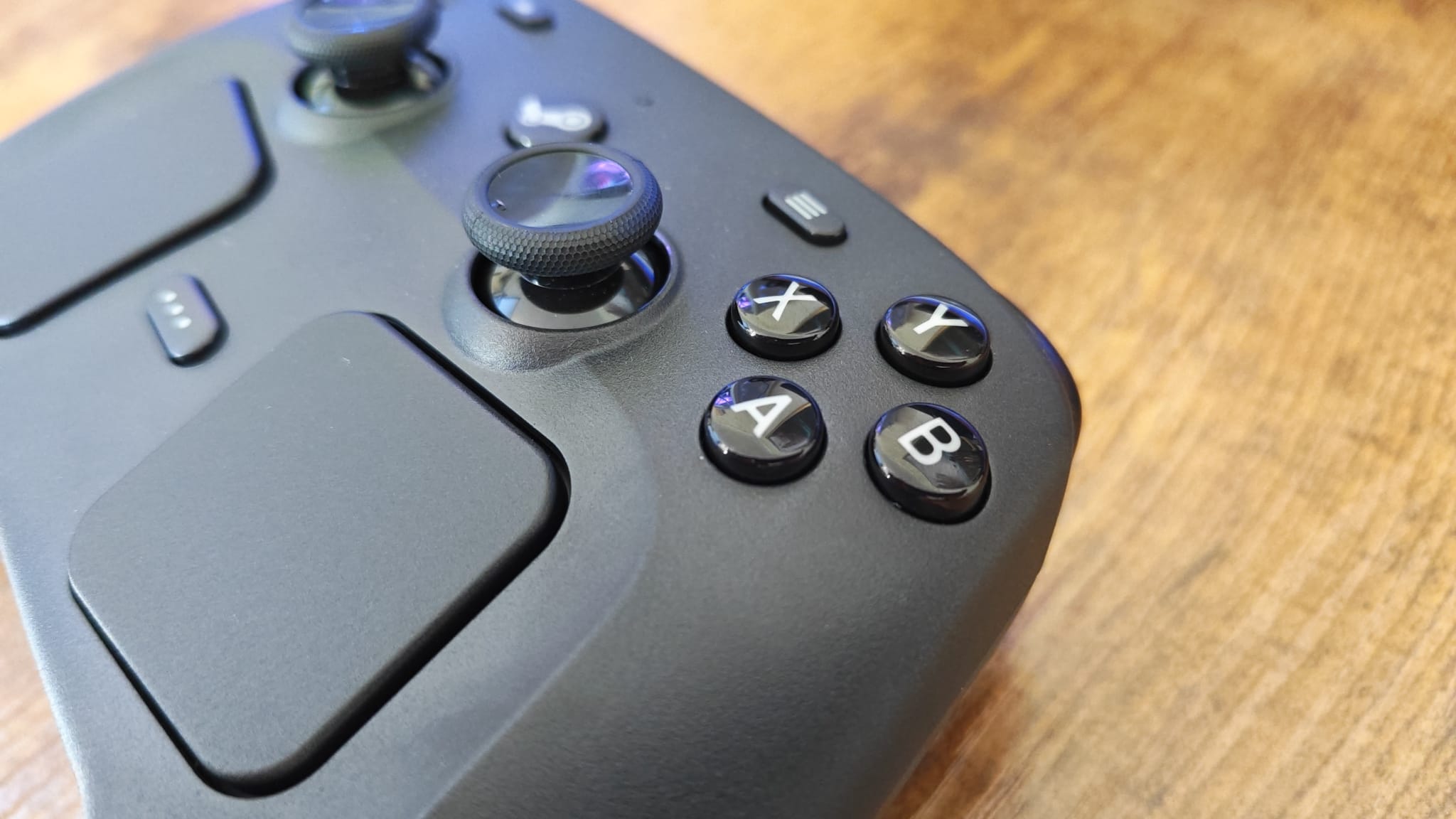
For example, the membrane face buttons on the Steam Controller are a fingerprint smudge magnet. I've tested white controllers that feel better defended against sweat and grime from your hands. There are glossed surfaces to the buttons that just mean any moisture on your skin makes itself immediately known, and there are plenty of nooks and crannies where dust and mess can build up.
Sign up to the GamesRadar+ Newsletter
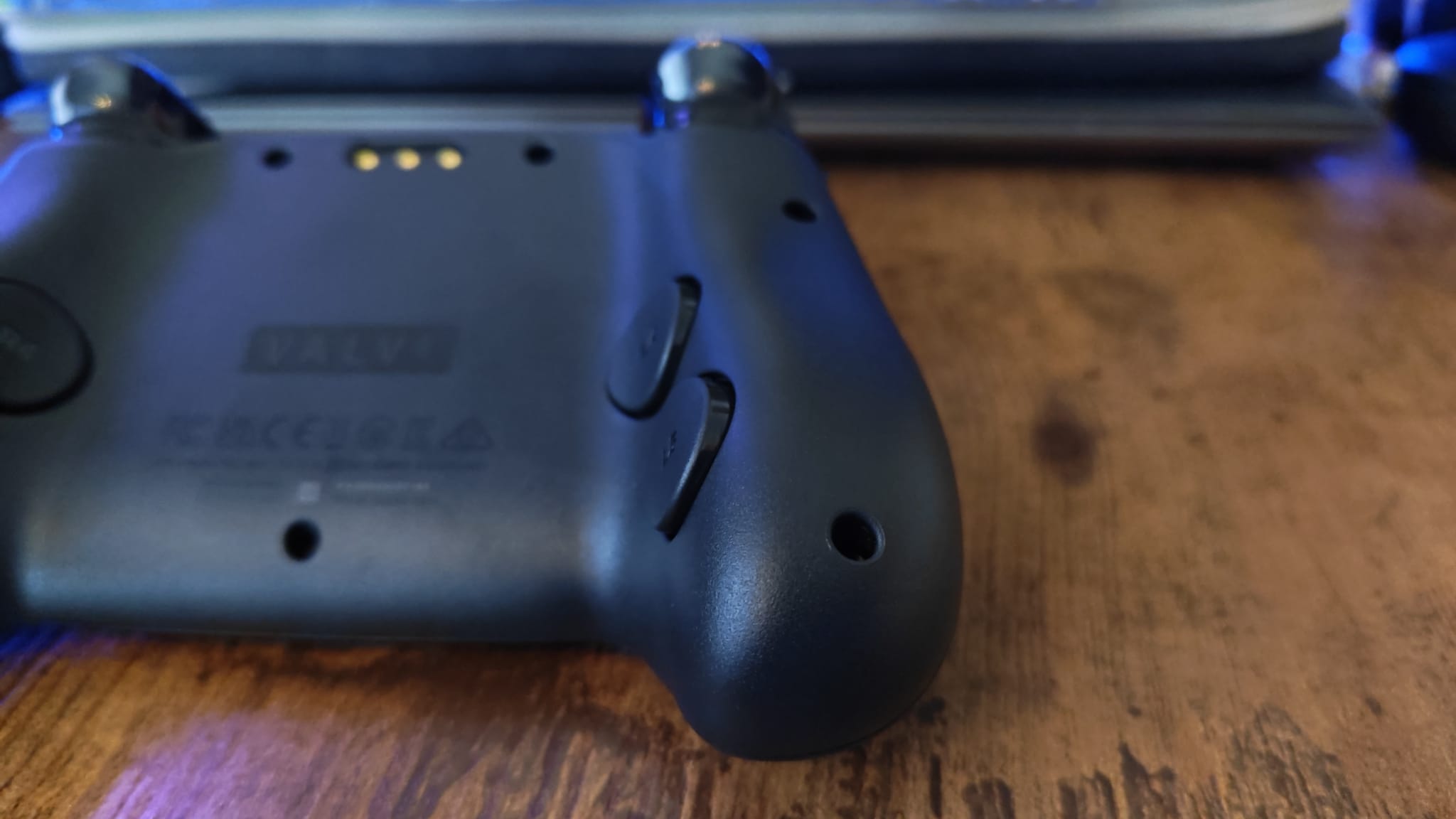
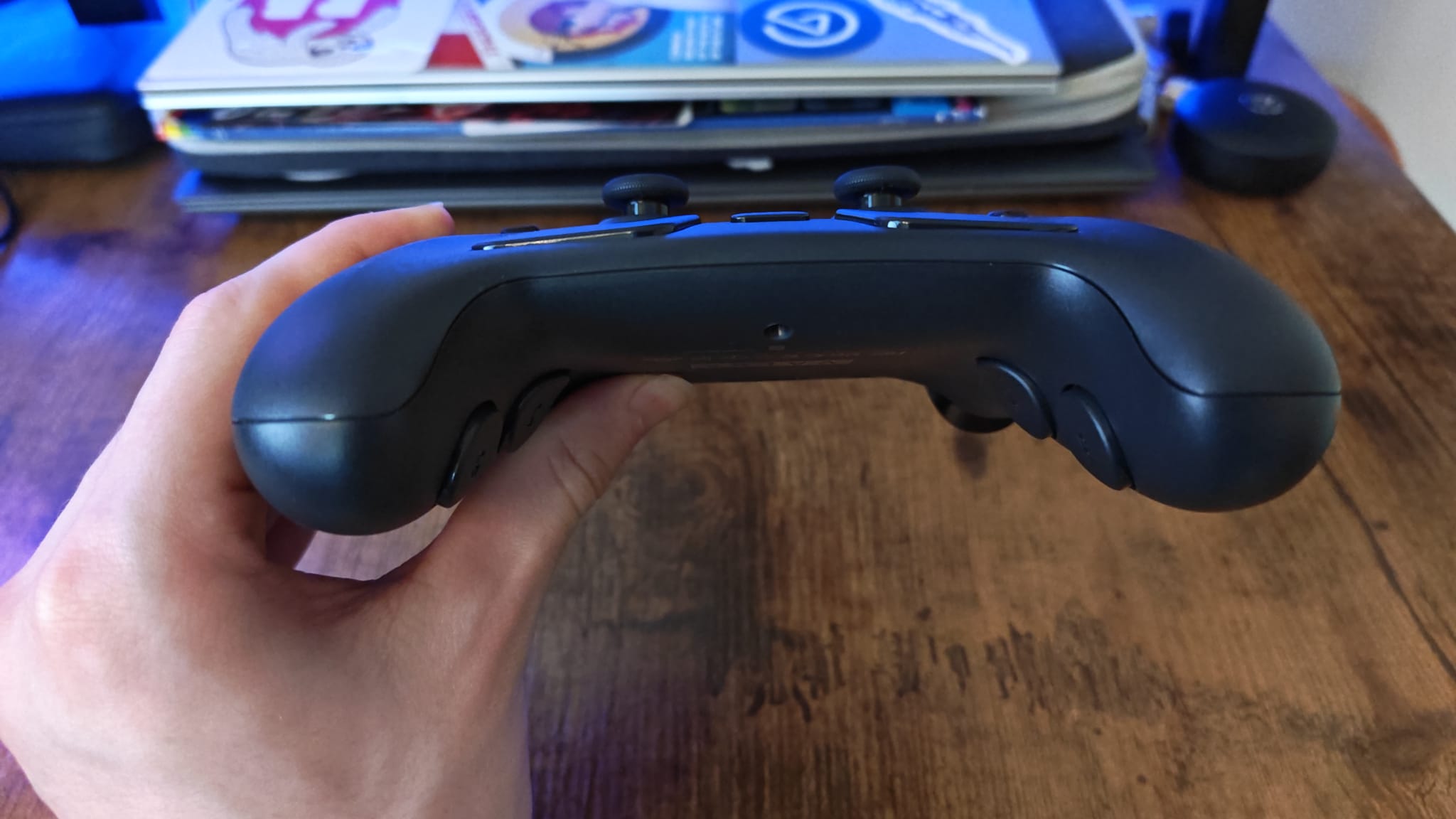
There are four back buttons around the back. I take issue with these, though. They're placed well enough, but their fairly rigid plastic build quality makes them a little tough to actuate. They take some fairly precise pressure, and a decent amount of that pressure, to push in, which isn't ideal if you map them to a button you need to press often. That brings fatigue into play, and doesn't feel as immediately satisfying as back buttons on rival controllers, like the Flydigi Apex 5 or the Gulikit KK3 Max.
While it also suffers slightly from its graphite texture in terms of grippiness, it's hard not to like the Steam Controller's design, especially when you feel how ergonomic it is in the hands. Not all gaming hardware needs to have loads of personality or scream at you with RGB, and there's definitely an understated look to be appreciated here.
Features
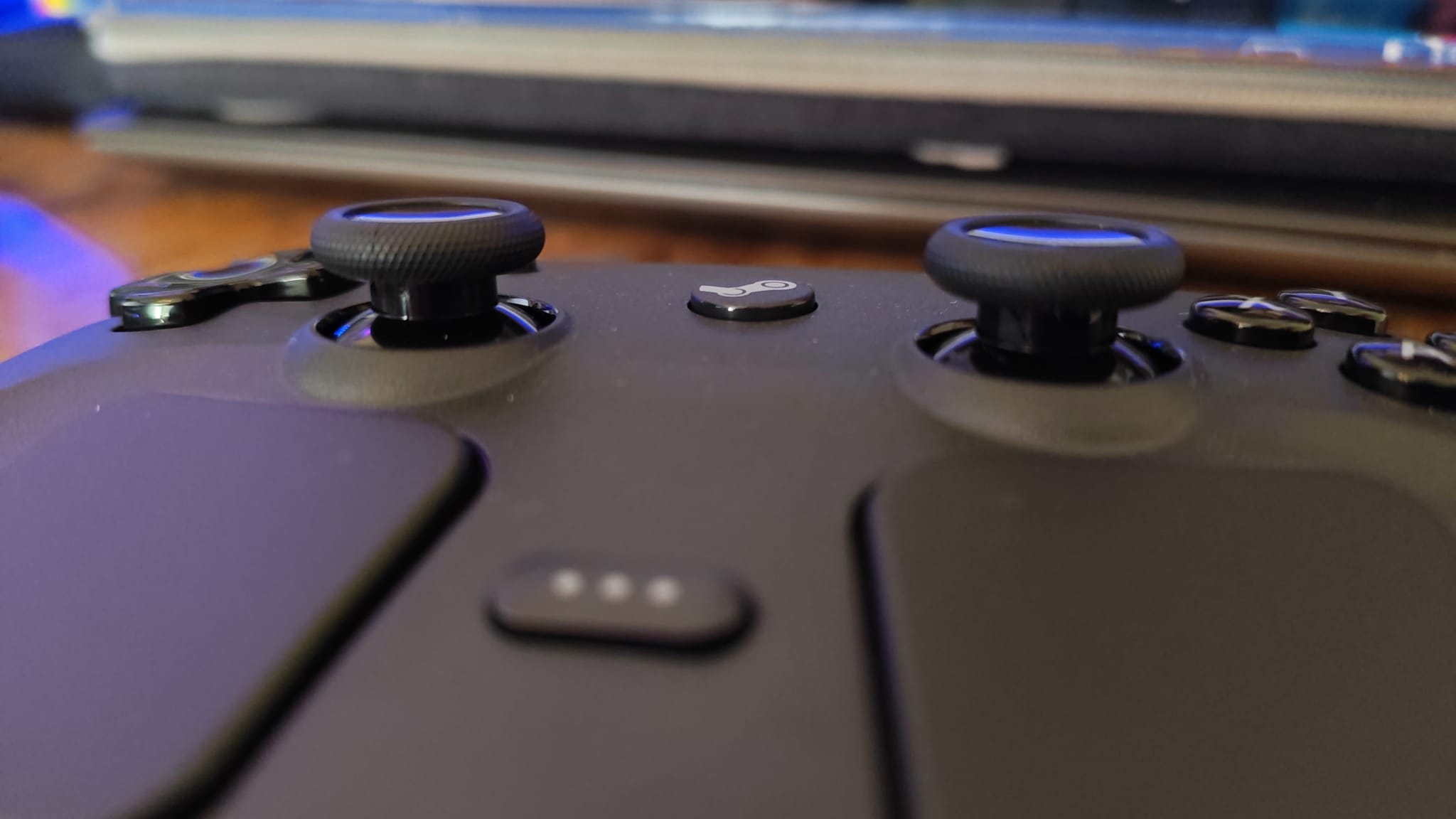
The Steam Controller sports TMR thumbsticks, making it one of a growing number of emergent TMR controllers on the shelves. I applaud Valve for opting for the futureproofing of Tunnel Magnetoresistance modules. I imagine the big draw for most gamers will be their immunity to stick drift but, in truth, the advancement in polling speed and resolution over Hall sensor tech is the thing to get excited about.
Be warned though, the polling rate of the Stream Controller currently rests at 250Hz, which is really, really underwhelming against the competition. For reference, most Xbox Series X controllers these days are launching with a polling rate of 1,000Hz, and although they're locked to a pretty lacklustre 250Hz rate on the console itself, maxing out at 1,000Hz on PC is enough to dispel any real latency concerns. A lot of mice and keyboards have a polling rate of 8,000Hz. While I don't expect the Steam Controller to reach for those kinds of numbers and match the GameSir G7 Pro 8K model launching this week, a middle ground polling rate would have been appreciated.
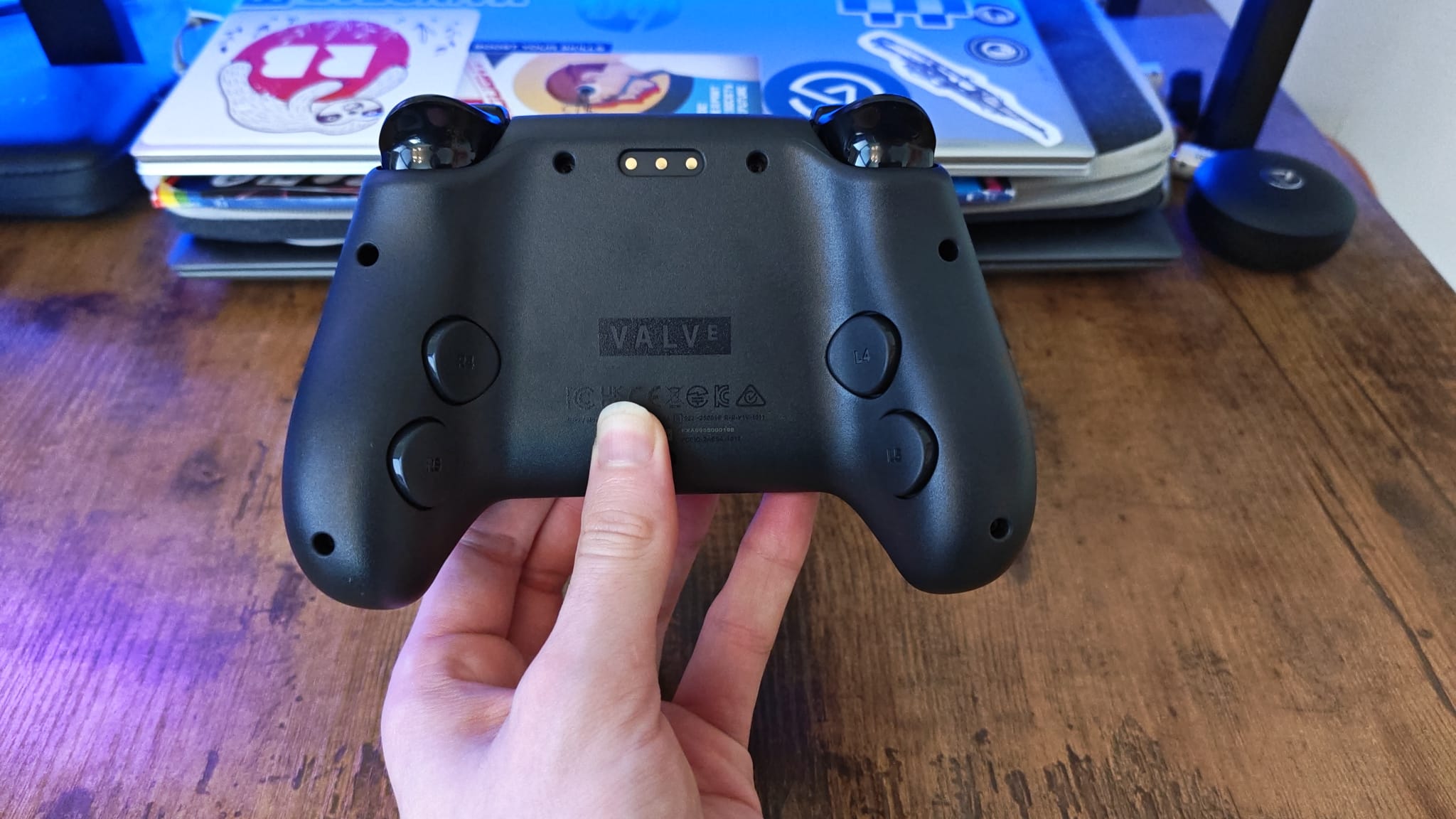
I'm not going to claim that I have superhuman reflexes and can tell the differences in these tiny instances of latency, but know that there is a marked difference in the responsiveness when going back and forth between a 1,000Hz controller and the Steam Controller. It's not bothered me in a game yet, but it's certainly a noticeable drop in response time if you're looking for the snappiest feel from your gaming peripherals.
The good news is, this may be tunable through software updates. I have seen controllers get polling rate increases through firmware in the past, and I imagine if Valve wants to support this controller for years to come, and this may already be in the works.
Features elsewhere are broadly impressive. Clever uses of capacitive sensors turn the grips into buttons of their own, and gryro feels smooth and usable as a way to aim if the thumbsticks still aren't doing it for you. But what might help sway things for you are the features that aren't here.
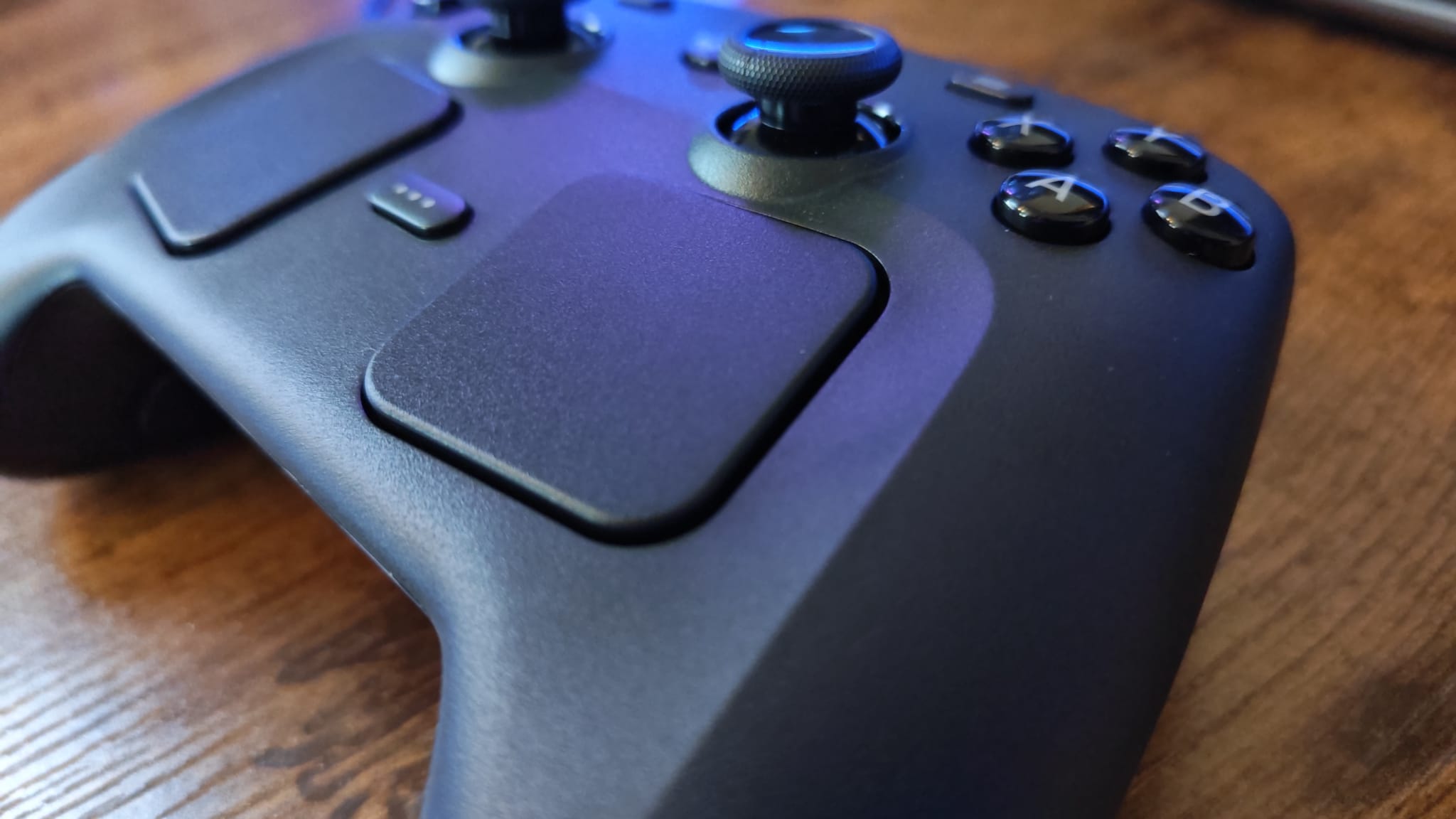
There are no trigger stop switches, no microswitch buttons, no additional bumpers, no eight-way D-pad, and no customizable thumbstick tops. It feels far removed from a lot of the controllers that have launched for PC players in recent years that have targeted that pro-level performance player. The Steam Controller fits really nicely in my grip, but I have fairly large hands and the reach for your thumb to travel from trackpad to D-pad may not be so ideal. There's a profound lack of customizable elements to this gamepad in physical terms. Meanwhile, modular controllers like the Victrix Pro BFG for Xbox offer a lot more versatility. Not even that, many products around this price point offer some kind of physical swapping, even if it's just some different thumbstick heights.
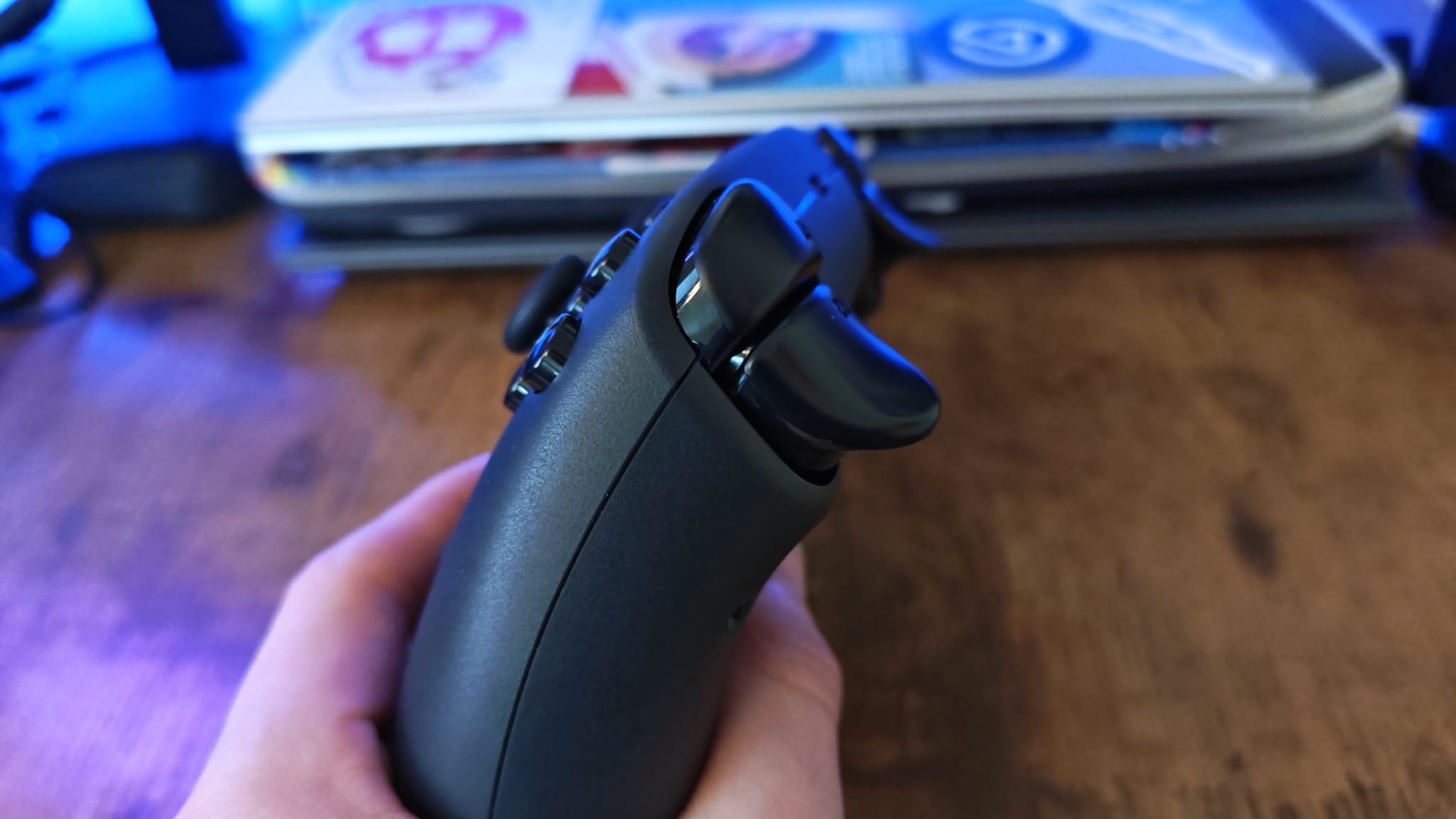
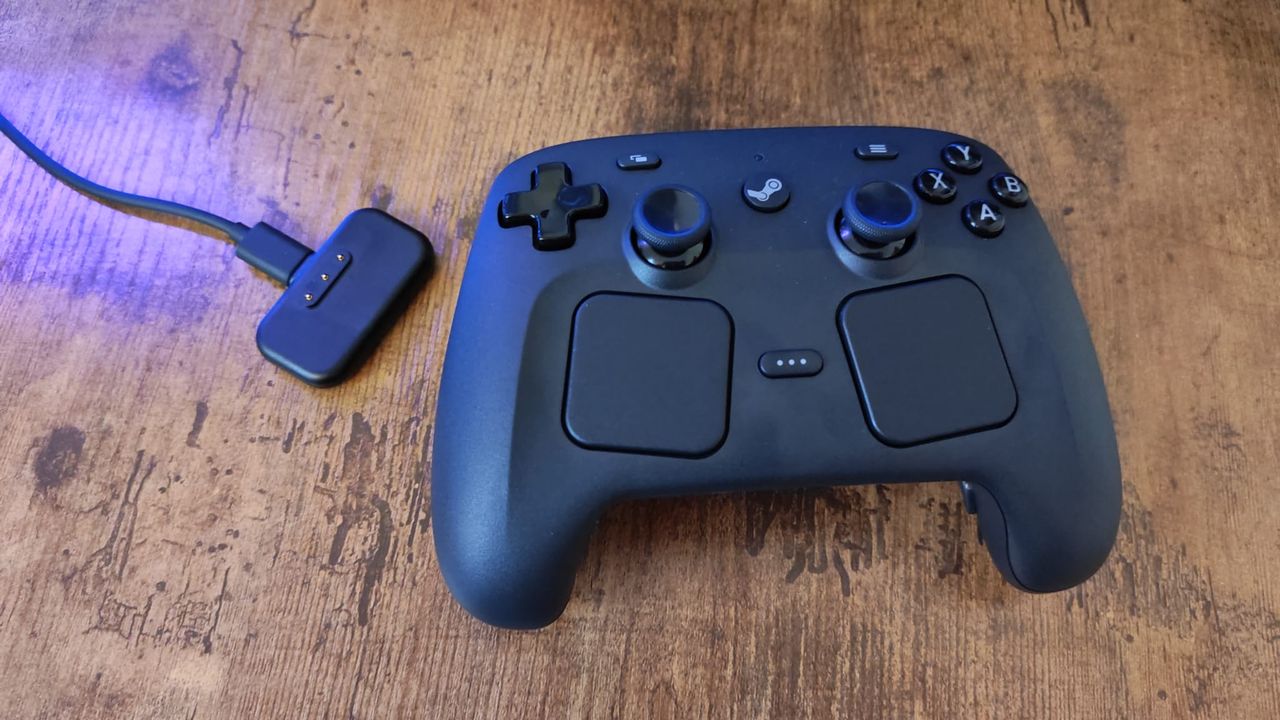
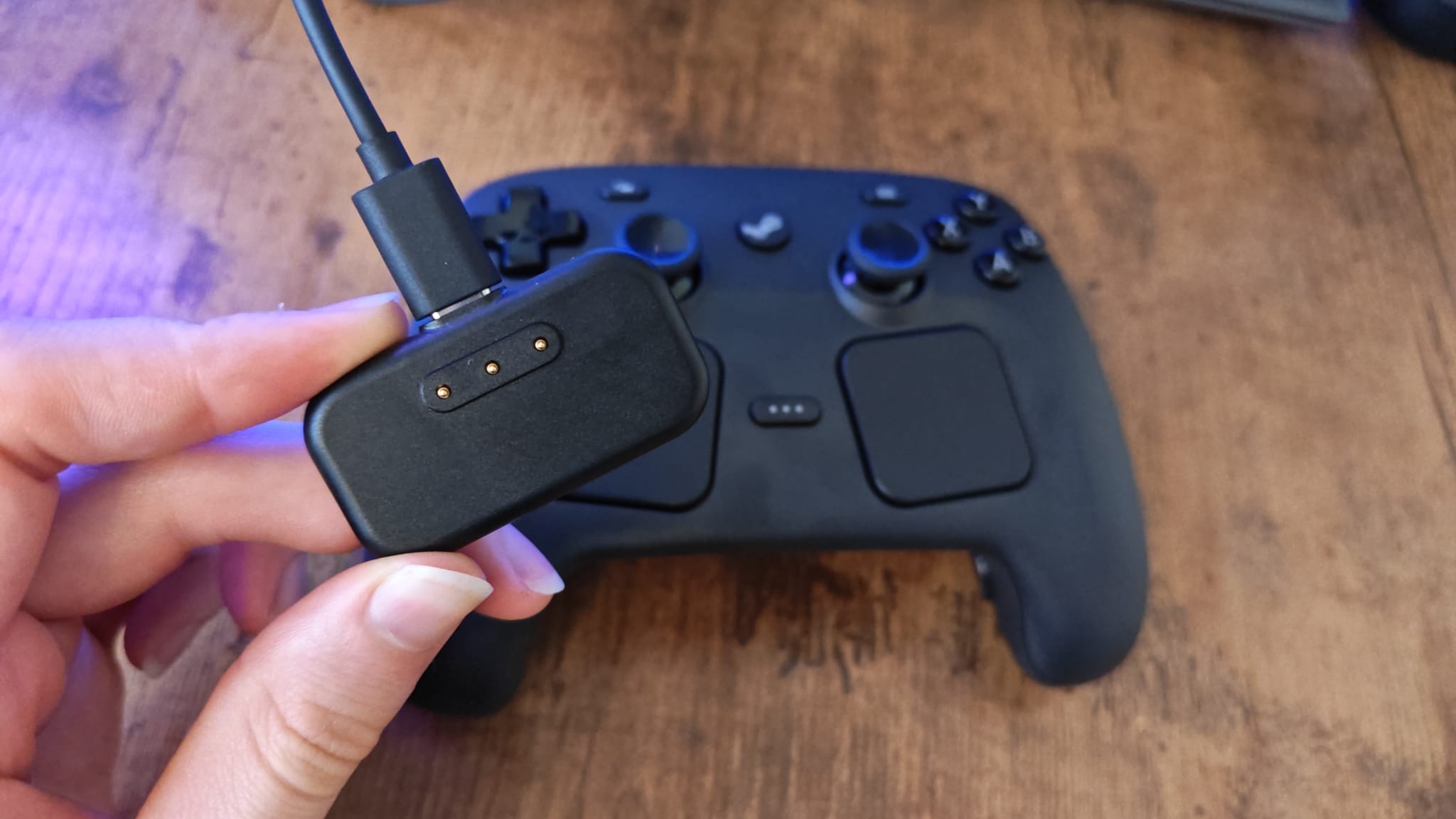
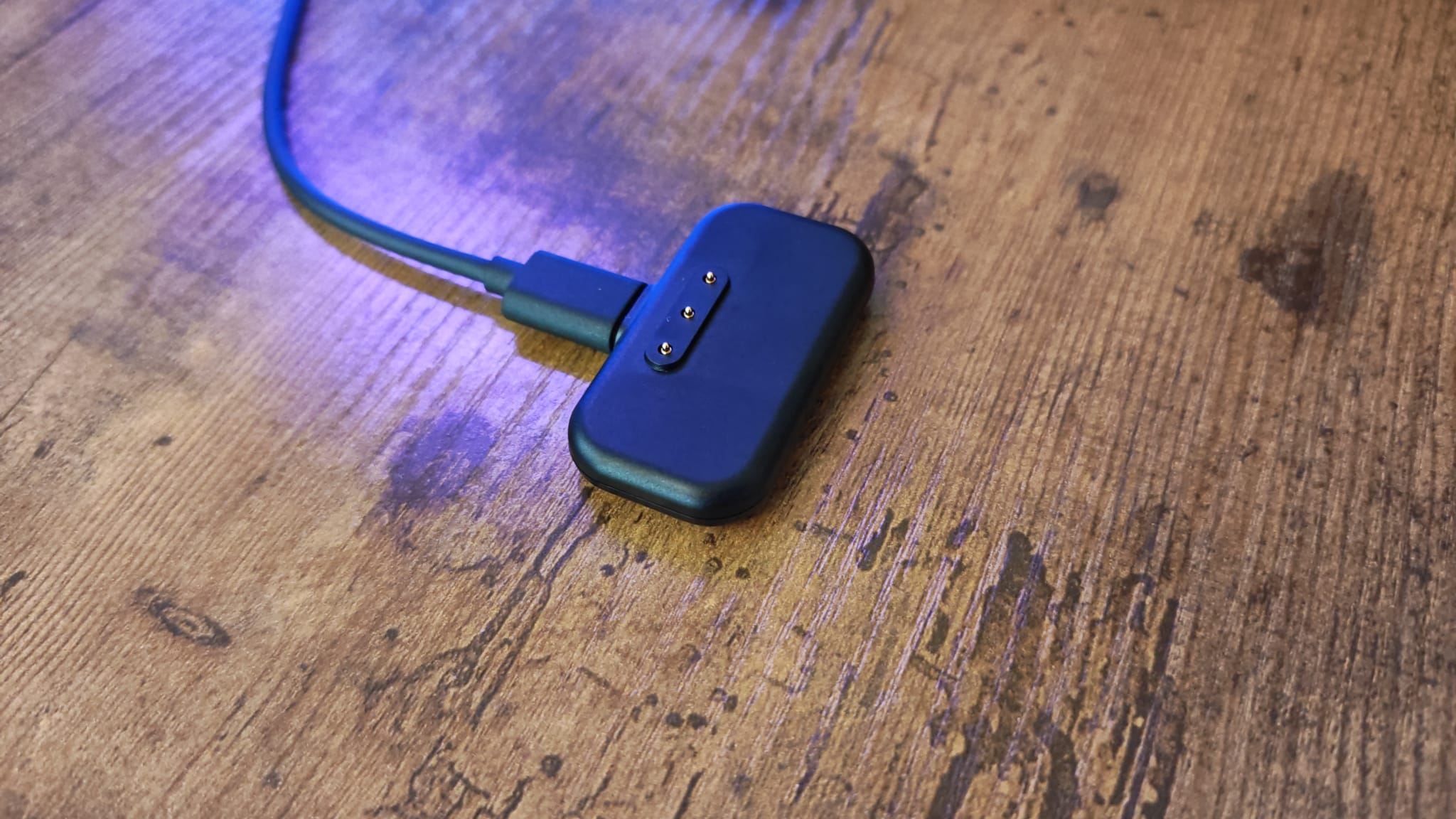
The Steam Controller doesn't feel designed around competitive play, so there are alternatives I'd point you toward if you're looking for those features. Where the Steam Controller feels a lot more at home is in comfort use, and that's evident in its generous battery life. The gamepad comes with a charging puck, which is a lot smaller than I thought it'd be. It's essentially a small wireless receiver, but not one with a USB slot on one end that means it can be plugged directly into the rear IO of your motherboard or front USB outlets on your PC case. It has some magnetic charging connectors on it which snap to your Steam Controller when you lay it down on top of the puck. You can connect up to four Steam Controllers to any one puck, and the thing even has its own firmware.
In over 24 hours of tests with the Steam Controller in the last week, it hasn't died on me, and big picture mode's interface is telling me it still has about half of its juice left in the tank. Battery life is a real strength of this device. As is its internal speaker, which is set out of the box to Wilhelm scream at you if you have gyro switched on and drop it from a height.
Profiles and software
At the centre of Valve's Steam Controller is the Steam home button. Press this once, and you'll wake the controller. Press it once it's connected to your gaming PC, and you'll launch Steam. Depending on how your settings are configured, you might need an additional press to access big picture mode. Regardless, this is where some of my biggest gripes with the Steam pad lie.
Almost every controller that launches these days will have companion software that allows you to customize and fine tune - set back button assignments, configure deadzones, change lighting and, perhaps most importantly, switch profiles. Not only do the majority of controllers have an on-board profile system, they also aren't beholden to companion software to switch between them.
I guess if the Steam Controller commits one sin above all others, it's feeling a bit slow, clunky, and rigid.
Valve has opted for a different approach in an attempt to lock the Steam Controller to the Steam ecosystem. Fair enough, with other services like Epic, Xbox, and GOG breathing down its neck, the hardware this brand makes needs to keep users at home somehow. That means the Steam Controller will only work in Steam-launched games. Yes, you can set games from other PC platforms to launch in Steam, but it's something to be aware of if you use the Epic launcher frequently.
There are no hot-key combinations here to program back button assignments or switch up profiles on the fly. All of the Steam Controller's settings work on a per-game basis that you'll need to work out before playing each new title. You can change buttons assignments for the gamepad's standard desktop profile but, if you're like me, a standard one-size fits-all approach is going to have to be repetitively assigned to new games when you start them.
This wouldn't be such an issue but I have encountered problems in testing where profiles haven't saved, back button assignments have been deleted, and the process of getting a profile to work in game has been a bit arduous. Thankfully, after a few firmware updates, things are working more in line with how they should be.
Then again, the flip side of all of this is the Steam Controller's secret weapon; it isn't just a PC gaming controller, it's a controller for your PC. Navigating Windows 11 with a gamepad is possible if you buy the right one, but in my experience of testing them, it's such a stretch to say that they work. The trackpads on the Steam Controller allow it to actually function like you're using a mouse, and the serotonin-fueling haptic feedback as you trace your thumb across them never fails to feel satisfying.
I've used the controller to browse the internet, change up some background music, and otherwise navigate my PC between games, so much so that if I'm playing on my couch setup, I barely need to reach for the mouse and keyboard. Hotkey combinations can bring up an on-screen keyboard, and the buttons of the controller are set to mouse clicks and keyboard assignments. There's freedom to actually use this as a controller for wider PC tasks. It's so, so close to a truly console experience - if only it could wake a PC from sleep, we'd be right on the money. Nonetheless, there's no other controller I've tested that's this adept at keeping you away from a mouse and keyboard, and it's truly a reason to buy this gamepad over others.
Controller performance
Overall, Valve has done a great job of designing a controller that does a bit of everything well, not a controller that does one thing really well. Let me explain.
A lot of controllers these days are set up to help you succeed in more than one genre of gaming, but you can tell they've been designed with one or two specifically in mind. An FPS-oriented controller doesn't always lend itself to a 2D platformer. A fighting game controller doesn't always feel the best to use in third-person action/adventure games.
Valve has threaded a needle so its gamepad can lean into whatever your Steam library consists of, and while that approach will help its Steam Machine and Steam Frame feel like a new age of console ecosystem, it does have drawbacks too.
It's a superb controller for open-world exploration, and I can't wait to see some of the cool controller mappings people are making when it comes to the clever capacitive grip sensors.
In FPS games, for example, TMR thumbsticks definitely do their part to help your accuracy, and highly customisable gyro controls are there for you if that's your preferred method of clicking heads. But those rigid back buttons are definitely detrimental to your gameplay because they don't feel like they can be actuated in a split second during the heat of battle. The thumbstick tension also feels a little tight for my liking, but then again, I did just come from testing the adjustable Flydigi Vader 5S.
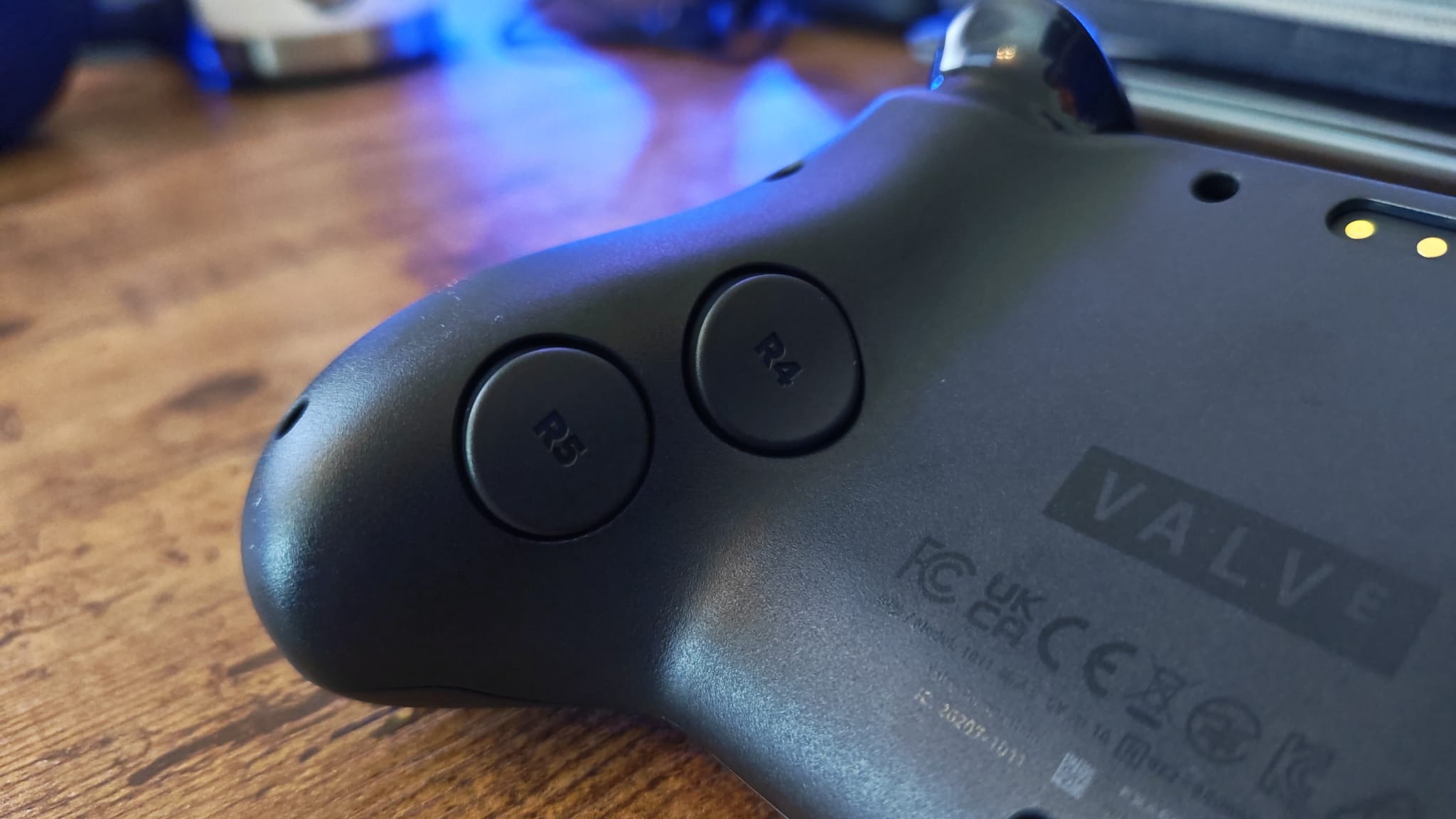
This is not me saying the Steam Controller isn't going to be a good option for FPS gamers. There are loads of options to make it work for you, including trackpad aiming, which can certainly work if you set it up correctly. All I'm making clear here is that when testing it in my regular haunt, Hunt: Showdown, against other contemporary pro controllers, Valve's doesn't feel quite as at home. But to each their own. I haven't played with gyro aim a lot other than to test it on various controllers, and this has the smoothest and most usable I've tried.
The main bulk of my testing was done playing Crimson Desert, which the Steam Controller sailed through. The comfort on offer meant long sessions would disappear without me noticing as Valve's gamepad rested beautifully in my hands. Other than the back buttons being a little rigid for repetitive tapping, there was nothing to complain about here. It's a superb controller for open-world exploration, and I can't wait to see some of the cool controller mappings people are making when it comes to the clever capacitive grip sensors.
Another consistent testing game for my controller reviews is Towerfall Ascension, and the game's crunchy and responsive 2D platforming felt great here. I'm more of a fan of eight-way D-pads than traditional four-way ones, but other than its slippy texture, I didn't have too much of a problem controlling my archer with Valve's. Thankfully, the trackpads and thumbsticks offered fun new ways of moving around and aiming.
Another area where the Steam Controller may let you down is in fast-paced fighting games. Whether you like adopting a fightpad grip or not, membrane buttons are not going to be ideal if you're trying to punch your way up a leaderboard. While it isn't exactly Tekken or Mortal Kombat, I've been testing controllers in Dragon Ball Sparking Zero, mainly because my talent in fighting games has always been in the button-mashing department anyway. Rapid taps are not the specialty of the Steam Controller so, again, if you're in the market for something more responsive, maybe look elsewhere.
I guess if the Steam Controller commits one sin above all others, it's feeling a bit slow, clunky, and rigid. Its build quality is good - the thing is solid, and I certainly wouldn't want to drop it on my toe because I'd be the one producing a Wilhelm scream. But harder surfaces and high thumbstick tension, combined with plastic back buttons and membrane face buttons, just leave it feeling a bit stiff at times.
Mouse and keyboard performance
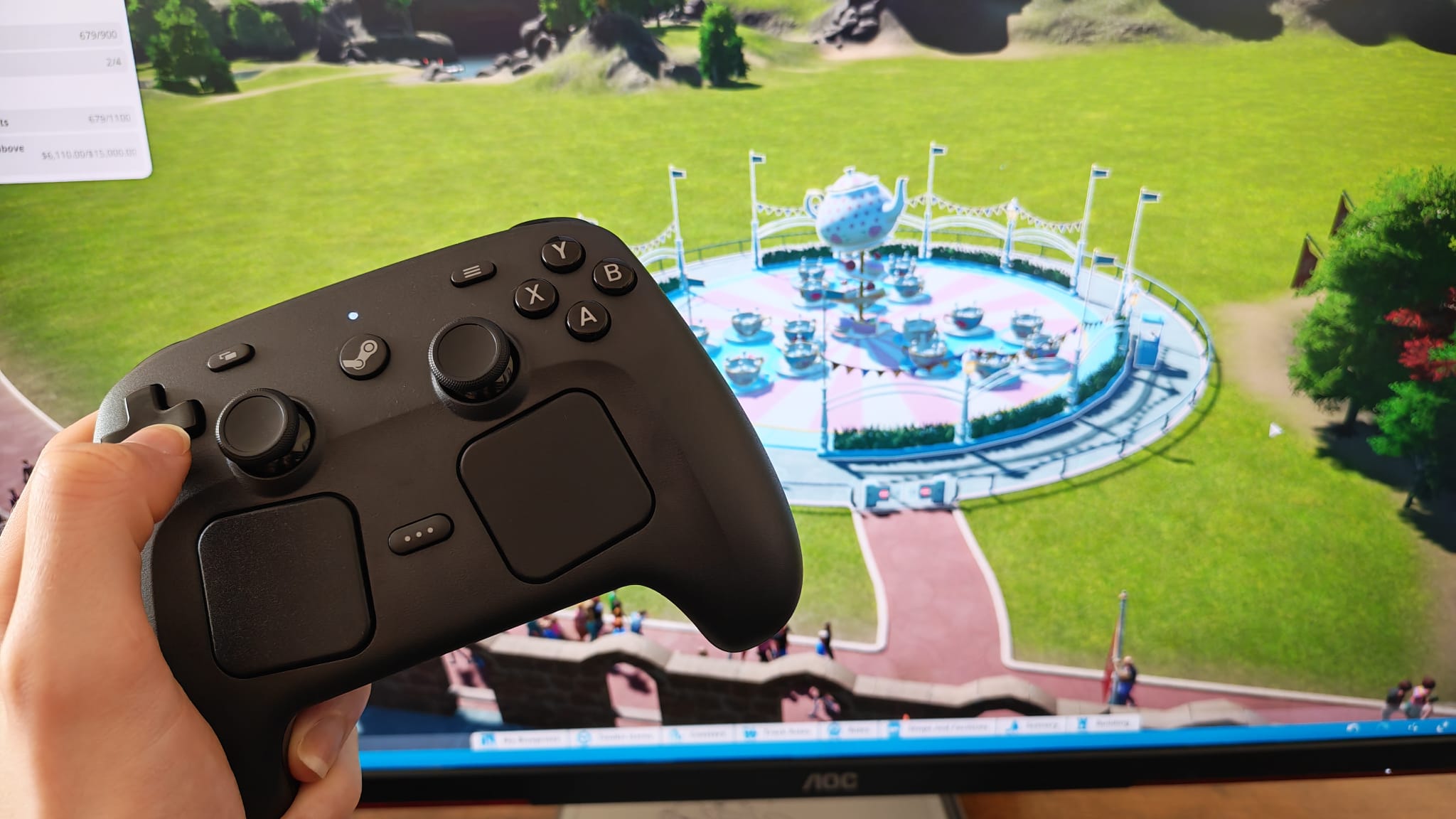
I usually review a gamepad in the gaming genres I mention above and let that be that, but that would feel wrong with the Steam Controller because there's a whole other dimension to play with here that constitutes a massive reason to buy Valve's latest peripheral. Before I went hands-on with it, I wrote about one of my biggest reasons for wanting a Steam Controller. I love me some management sims, some god games, and otherwise narrative titles that aren't designed to be played with a controller.
But here's the thing, these are the sorts of games I don't want to play at a desk in a fully upright, focused position. It feels like work, not the chill vibes Frontier was going for when they designed games like Planet Coaster and Planet Zoo. Even if you own one of the best gaming chairs, I'm sure you have the same feeling. Cozy gaming can be done at a desk, but it should feel comfortable, not like a continuation of work. Without intuitive controller support for a lot of these games, you're kind of at a loss, and that's the niche use case that the Steam Controller has over all of its current competition in the gamepad market.
The best thing is, you don't even need to get into annoying controller-to-keyboard mappings for titles that don't have native support for controllers. To test this, I loaded up Planet Coaster, a game I've played a frankly sad amount of hours of on PS5, but one I've not loaded up on PC yet, so I'm not totally fluent with the WASD and mouse controls. Without any tutorials, and without even heading into Steam's controller menus, I was able to work out what were really intuitive button assignments that were just automatically assigned. Within 2 minutes, I had cracked the camera and movement, within another 30 seconds, I had added the game's cheat code for making any theme park money (the Teacups ride), and just like that, I was off and running.
The same was true of Planet Zoo, and an indie narrative game called The Red Strings Club. The latter has been sitting in my Steam library for well over a year gathering dust because it didn't have controller support, but with simple trackpad movements, I was creating cosmic drinks for cyberpunk customers. No other gamepad has allowed me to access this gap in my Steam library, and that's where this controller really comes into its own.
after around five minutes of getting to grips with swinging the camera around in a city builder using the trackpads, you'll feel utterly fluent
The only times I had trouble were when a game required me to type something. Although a combination press of the Steam button and X brings up a keyboard, it seems as though games like Planet Coaster have trouble registering input from it. This is something that may have been specific to the game and, if not, I'm sure it'll be patched out in the coming months.
I'm delighted that this all works. It might take some relearning, and some creativity if you want to make a controller map that works for you and your brain, but after around five minutes of getting to grips with swinging the camera around in a city builder using the trackpads, you'll feel utterly fluent, and the experience of playing will feel intuitive enough for you to finally acheive that cozy chill vibe you've been dreaming of in these types of games.
Should you buy the Steam Controller?
The Steam Controller stands apart from every other gamepad on the shelves at the moment, because no other will offer you the kind of native PC control that Valve's can. As a regular gamepad, ignoring its clever trackpads, capacitive sensors, and gryo, it's a solid all-rounder, but one that doesn't really lend itself to one specific genre. It has its flaws, but it's plenty comfortable and will sit in your hands really easily for longer sessions.
Where it really wins is in games that want to be played at a desk, that you really want to play on your couch. Going forward, this is likely going to be my main use of the Steam Controller, because there is a whole subset of PC-tilted games I wish had better controller support. Valve has just broken that stalemate between me and select titles in my backlog, and I can't wait to play countless hours of Planet Coaster, Civilization, and Planet Zoo away from a desk.
I'd recommend the Steam Controller to anyone who wants to be able to navigate their gaming PC from a versatile number of positions, and to anyone who will be investing in the upcoming mini PC or VR headset.
I'd recommend the Steam Controller to anyone who wants to be able to navigate their gaming PC from a versatile number of positions, and to anyone who will be investing in the upcoming mini PC or VR headset. However, to anyone just looking for a gamepad for certain titles, I'd maybe look elsewhere, because you might be able to find something that suits your specific genre of choice a little better. Off the top of my head, Nacon's Revolution X Unlimited has an excellent premium feel and a suite of customizable parts. GameSir's G7 Pro is a better all-rounder across lots of different gaming genres, and the Flydigi Apex 5 offers much more competitive appeal.
Like I say though, you need to work out what your priorities are, because none of those have the Steam Controller's PC game versatility.
How I tested the Steam Controller
I used the Steam Controller for a little over a week before coming to a verdict in this review. In that time, I used it exclusively for all my PC gaming, which spanned loads of different genres. To test its various features, I went pretty deep into Steam's controller menus, tried mouse and keyboard games that didn't have controller support, and tried all its various quirky features. I didn't charge the controller while testing in order to get a sense of its battery life, and used it with more than one PC.
For more on how we test controllers, check out the GamesRadar+ hardware policy.
If you're not a Steam player, you might want to look at the best PS5 controllers instead, or the best Switch 2 controllers.
TOPICS
One of my earliest memories is playing SuperMario64 and wondering why the controller I held had three grips, but I only had two hands. Ever since I've been in love with video games and their technology. After graduating from Edinburgh Napier University with a degree in Journalism, I contributed to the Scottish Games Network and completed an Editorial Internship at Expert Reviews. Over the last decade, I’ve been managing my own YouTube channel about my love of games too. These days, I'm one of the resident hardware nerds at GamesRadar+, and I take the lead on our coverage of gaming PCs, VR, controllers, gaming chairs, and content creation gear. Now, I better stop myself here before I get talking about my favourite games like HUNT: Showdown, Dishonored, and Towerfall Ascension.
View MoreYou must confirm your public display name before commenting
Please logout and then login again, you will then be prompted to enter your display name.
Logout LATEST ARTICLES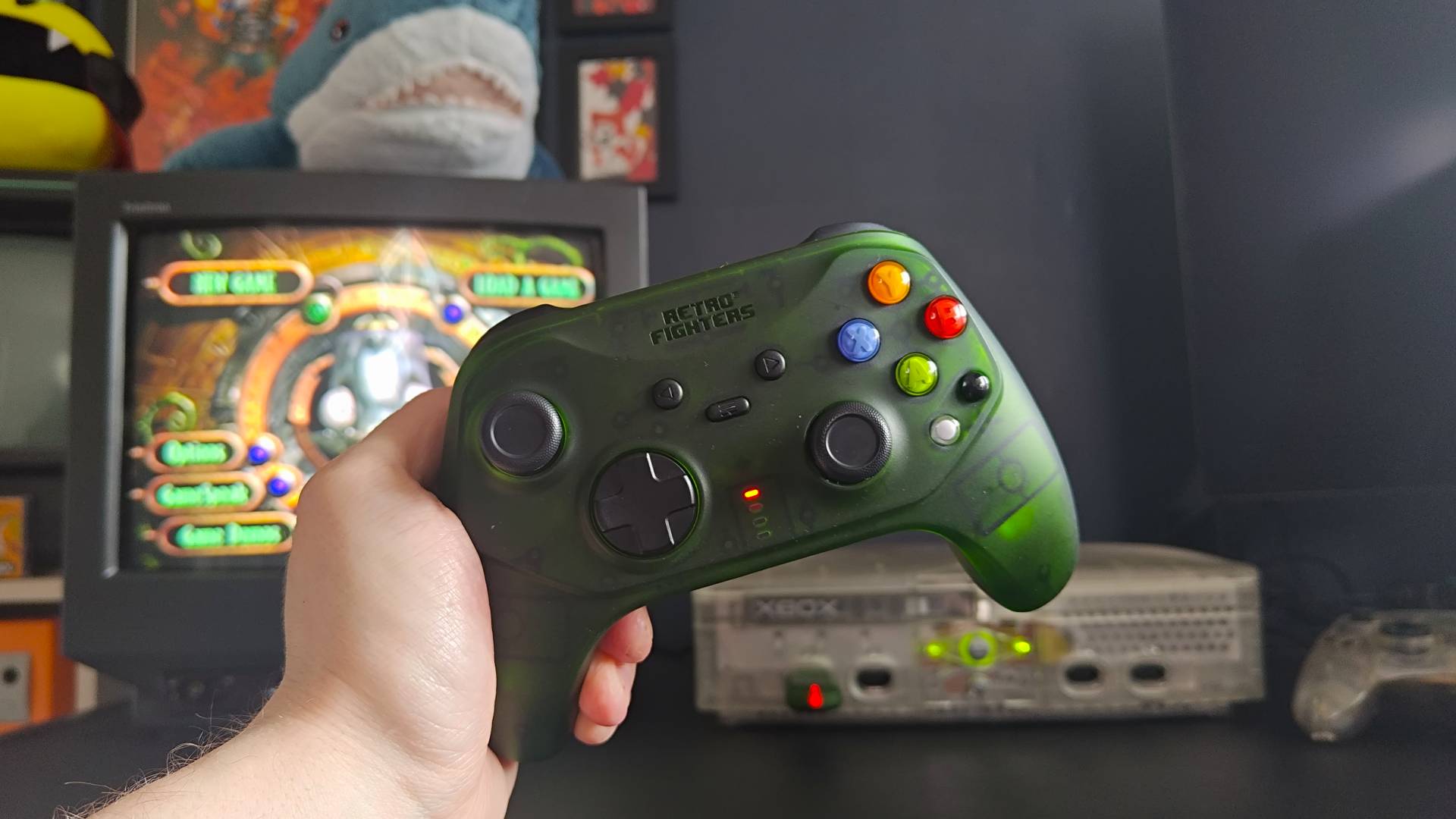 1The Retro Fighters Hunter is a fierce wireless OG Xbox controller, but I'm torn on whether its too much like Microsoft's modern gamepad
- 2Devs behind one of Steam’s most-wishlisted games respond after asking players to change negative reviews and kicking up a stink online
- 3Subnautica 2 has already sold 1 million copies and it's been out for literally one hour
- 4Dragon Quest lead doesn't think the JRPG series "must always feature turn-based combat," which makes me wonder if Dragon Quest 12 could follow in Final Fantasy's footsteps
- 5After 1 hour, Subnautica 2 Steam player peak is 9x bigger than the original game and gaining on Slay the Spire 2 for biggest launch of 2026
Схожі новини

Subnautica 2 Dev Responds To Pirates
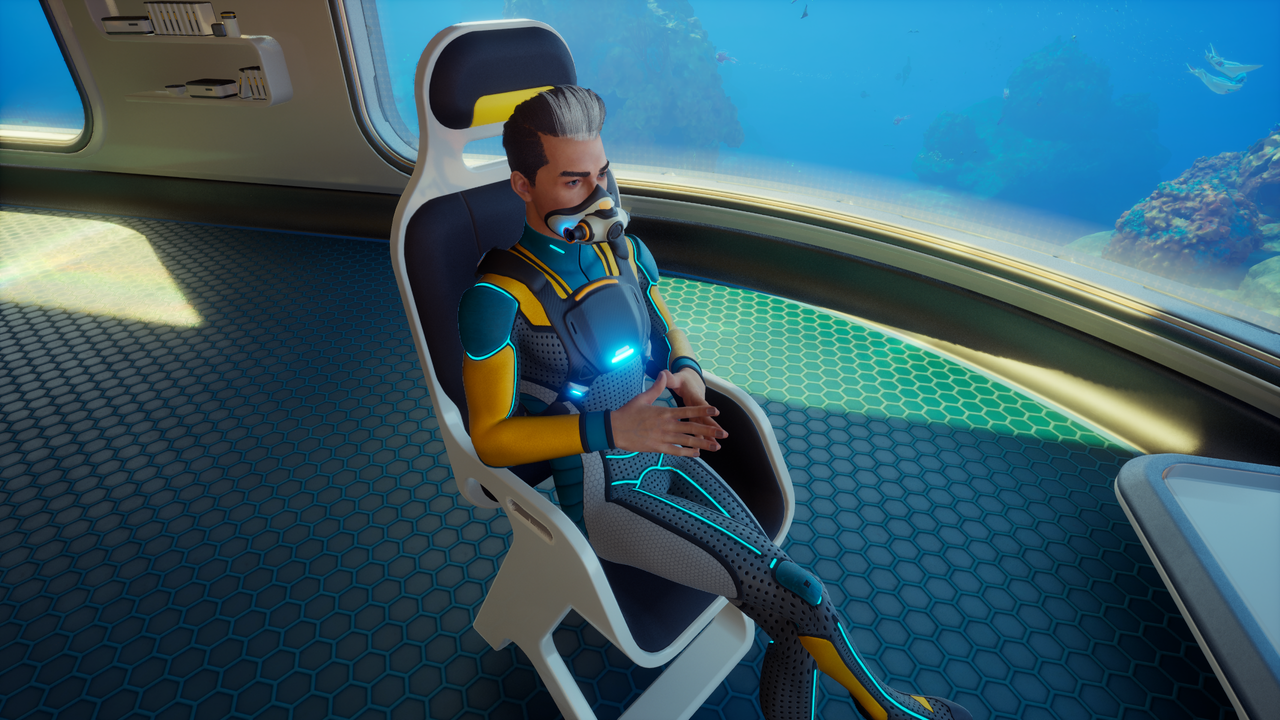
Subnautica 2 sells 1 million copies in its first hour, and I have to imagine the CEO of Krafton is pouring himself a very stiff drink right about now
Kingdom Come: Deliverance 2 studio Warhorse raises $65,000 to help preserve the real-life medieval castle that's Henry's homebase in the first RPG