‘The problem is not the antibiotics’: Animal welfare groups react angrily to Brazilian meat ban

 Facebook
 Twitter
 Flipboard
 Send
Send
 Reddit
 Linkedin
 Messenger
 Telegram
 VK
VK
 Bluesky
 Threads
 Whatsapp
Inhumane farming is a bigger problem than antibiotics, experts say, after Brazil meat ban.
Brazilian meat will be banned in the EU following a unanimous vote by experts from EU member states.
 ADVERTISEMENT
ADVERTISEMENT
ADVERTISEMENT
The reason for the ban? Drugs used by Brazilian producers to make animals bigger and therefore more profitable.
From 3 September, meat from Brazil will not be allowed to be imported into the EU, despite the new EU-Mercosur trade deal which came into force on 1 May.
Brazil is the world's top beef exporter, shipping 3.5 million tonnes globally in 2025 and earning a record $18 billion (€15.3bn) – up 40 per cent on the previous year. The EU was the fourth-largest destination, importing 128,900 tonnes worth over €850 million, a 132 per cent surge compared to 2024.
Animal welfare groups say that antimicrobial drugs may not have to be so widely used if the industry focused on “more humane farming systems where stress is minimised and animals are allowed to perform their natural behaviours”, argues Sabrina Gurtner from the Animal Welfare Foundation.
Strict EU regulations on antimicrobials in food
It doesn’t matter whether food is imported into the EU or produced here, it must all meet the same food standards. “Any product sold in the EU (domestically produced or imported) must comply with the EU’s SPS (Sanitary and Phytosanitary) standards,” states the European Commission website. Strict controls of drugs come under these regulations.
Antimicrobials is the umbrella term for anything that inhibits or kills microbes, including antibiotics (which target bacteria), antifungals (which target fungi) and antivirals (which target viruses).
While antimicrobials are used to treat sick animals, in meat production they are often used to increase profit. When fed to livestock, they lead to faster growth, better feed conversion, more meat, and sometimes lower mortality in intensive systems. According to the World Health Organization (WHO), roughly 75 per cent of global antimicrobial use is for animal farming, and about 80 per cent of that is non-therapeutic.
RelatedWhile growth promoting antibiotics are strictly controlled within the EU, they are still allowed or weakly regulated in parts of Latin America, Asia and some countries in Africa.
It has not been confirmed what specific antimicrobials the European Commission suspects to be in Brazilian meat. Brazil did recently ban five antimicrobials but this only applied to meat sold within Brazil. They continued to allow meat destined for foreign countries to be fed these drugs. According to DatamarNews, the EU ban was based on Brazil failing “to provide the rigorous life-cycle traceability required to meet the EU’s 2019 veterinary standards”.
Responding to the ban, the Brazilian government said it will “promptly take all necessary measures to reverse this decision”, in a joint statement issued by the nation’s Agriculture, Trade and Foreign Relations ministries.
Why are antimicrobials dangerous?
When antimicrobial drugs are overused in livestock, they drive the development of drug-resistant bacteria – which can spread to humans through the food chain, direct contact or the environment. This makes common infections harder or impossible to treat.
The WHO classifies antimicrobial resistance (AMR) as “one of the top global public health threats” naming it as the direct cause of 1.27 million deaths around the world in 2019, and contributing to another 4.95 million. The EU says around 35,000 deaths a year are caused by AMR.
The WHO names “the misuse and overuse of antimicrobials” in animals as one of the “main drivers in the development of drug-resistant pathogens.
Along with the loss of life or threat of disability, AMR also costs a lot. The European Commission estimates that AMR causes around €1.5 billion per year in healthcare costs and lost productivity.
RelatedAre antimicrobials a band aid for mistreatment of animals?
Animal welfare advocates argue that antimicrobials are a sticking plaster used to avoid addressing the root causes of animal sickness, such as overcrowding, poor housing, stress and weak breeds.
“The problem is that this practice can help normalise systems where animals are kept under conditions that create disease pressure in the first place,” says Dr Elena Nalon, Scientific Lead at Eurogroup for Animals which represents more than 100 animal protection groups. The European Food Safety Authority states that good welfare helps keep animals healthy, while stress and poor welfare can increase susceptibility to transmissible diseases.
Eurogroup for Animals is calling for “a change in the systems and in the people that manage them…the problem is not the antibiotics that are available to use in animals, but the systems we put them in and the way we manage those systems”.
Campaigners say Mercosur farming causes ‘significant suffering’
After more than 25 years of negotiations, the trade deal between the EU and Mercosur countries (currently Argentina, Bolivia, Brazil, Paraguay and Uruguay) took provisional effect on 1 May.
The free trade accord is set to cut South American tariffs on European cars, clothes, food, fine wines and medicines. In exchange, the EU will open its markets to South American agricultural exports, although it has set limits on imports of beef, pork, ethanol, honey and sugar. An additional 99,000 tonnes of beef per year will be allowed into the EU.
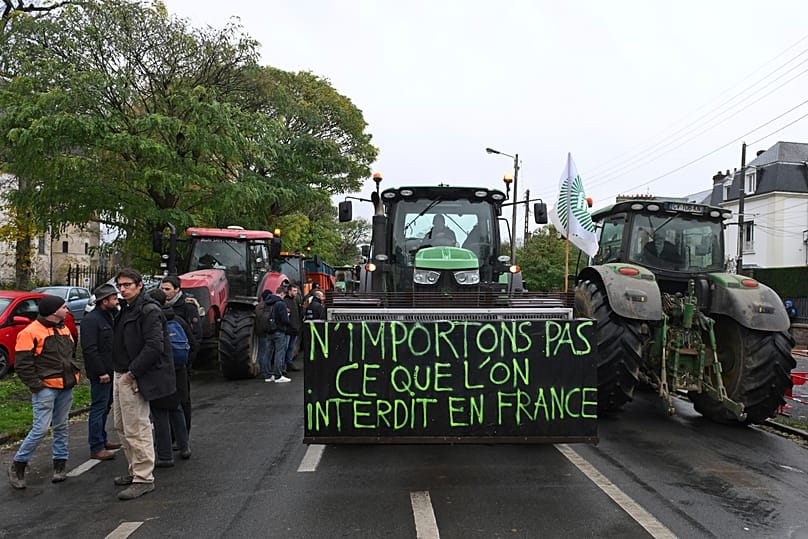
While supporters believe it unlocks new markets vital to the economy, many EU farmers have expressed their discontent. Leading up to the signing of the deal, they took to the streets with their tractors to protest what they considered unfair competition from Mercosur imports.
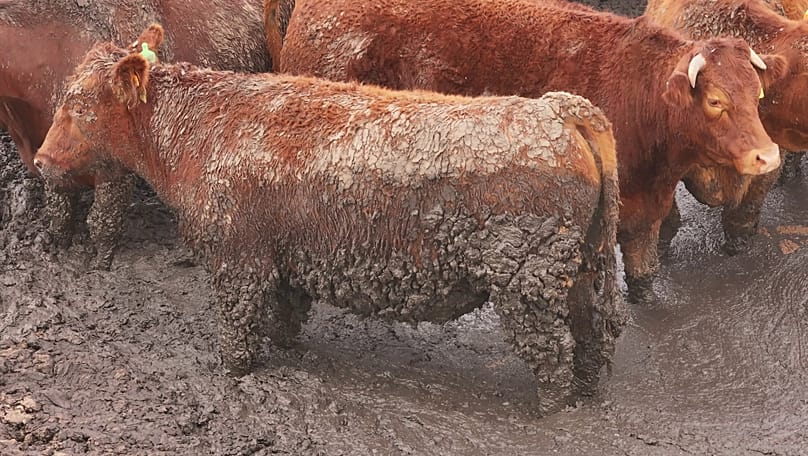
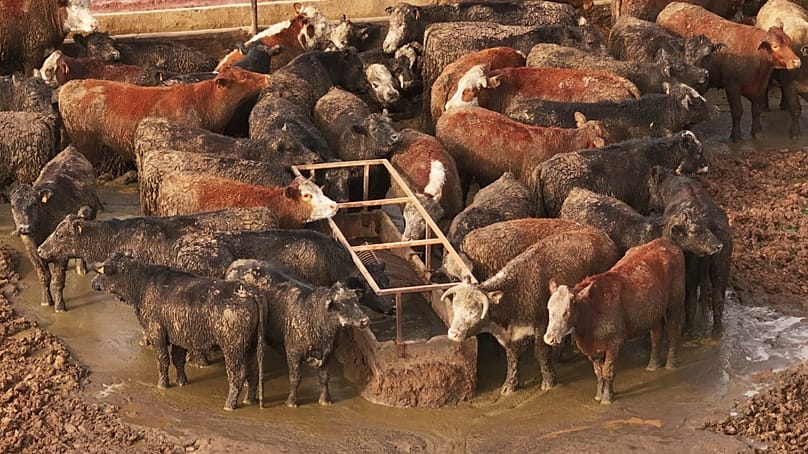
Animal Welfare Foundation says it has filmed footage that shows animals in Mercosur kept in conditions that would be unacceptable under EU law. “The meat from these massive open-air feedlots is marketed as ‘high-quality beef’, but what we witnessed tells a very different story,” says Sabrina Gurtner from the foundation. “Thousands of animals suffer for up to 120 days before slaughter, and these are not isolated incidents, but systemic failures we documented repeatedly across the region. By importing this meat, Europe is undermining its own values.”
Go to accessibility shortcuts Share CommentsRead more

Top 10 most polluting airports revealed – and three are in Europe
Схожі новини
Forza Horizon 6 is all gas, no brakes in series’ first Japan pit stop
Takaichi plans to visit Britain and Italy before G7 summit in June