The MSI Raider 16 Max squeezes 300W power into a 16-inch chassis, but it's anything but compact
GamesRadar+ Verdict
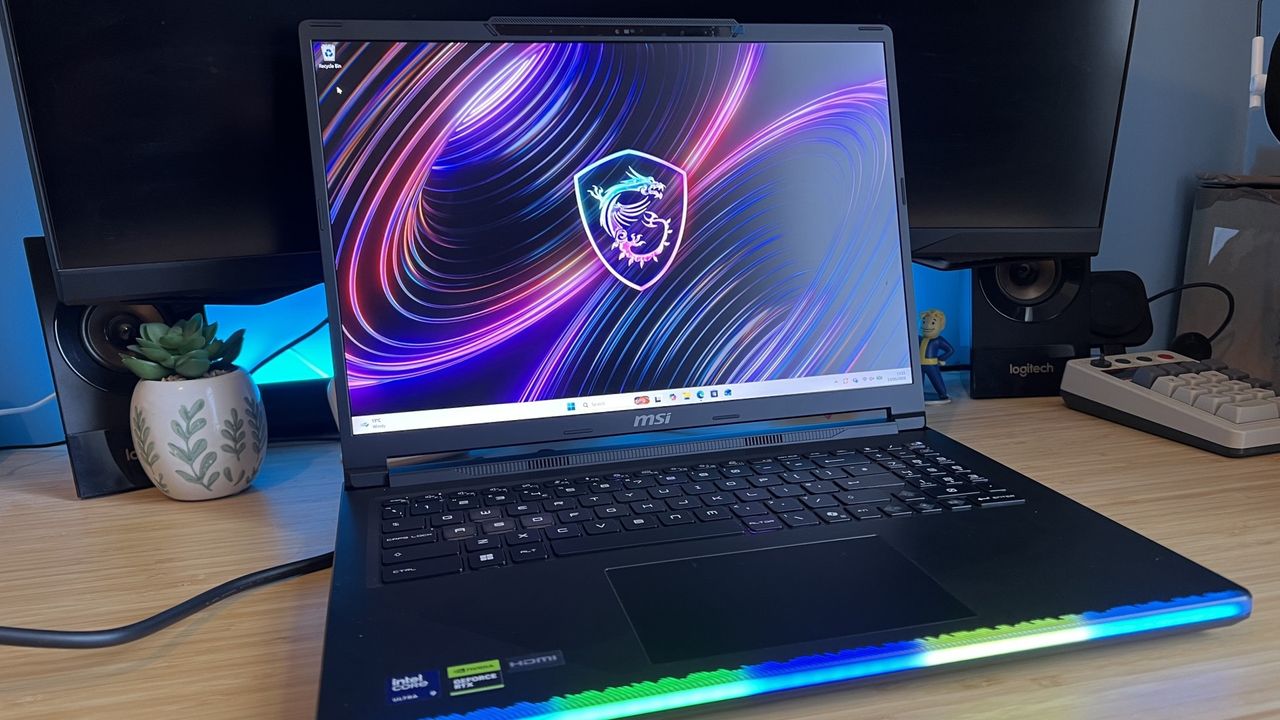
The MSI Raider 16 Max is all about its performance, and it certainly squeezes as much out of its components as it can in a 16-inch form factor. The benefits of that compact size are to be debated, though, especially considering this is still difficult to transport comfortably. Meanwhile, the need to keep Apex Mode switched on to feel the real benefit over cheaper competitors does bring longer term fan health into question.
Pros
- +
Extreme performance
- +
Excellent cooling
- +
Bright display
- +
Easy upgrades (if you can find them)
Cons
- -
Awful trackpad
- -
Needs to be in Apex Mode to be worth it
Why you can trust GamesRadar+ Our experts review games, movies and tech over countless hours, so you can choose the best for you. Find out more about our reviews policy.
Jump to:For a long time the trick to making one of the best gaming laptops was simply to pump more power into it. Then we hit the ceiling. There's only so many watts a portable rig can take, and only so much backpack space for power adapters.
The MSI Raider 16 Max made waves on announcement, promising a massive 300W experience in a 16-inch form factor. In my testing, that full 300W throttle does make a difference in raw framerates - pushing the 16-incher into benchmark territory usually reserved for far more cumbersome 18-inch devices. Without it, the MSI Raider 16 Max would struggle to differentiate itself from far cheaper RTX 5080 options.
Latest Videos From Swipe to scroll horizontally
| Header Cell - Column 0 | As Tested | Also Available |
|---|---|---|
Price | £3,849.95 (No US availability with Ultra 9 275HX) | $2,999.99 - $4,299.99 |
Display | 16-inch QHD+ IPS at 240Hz | 16-inch QHD+ OLED at 240Hz |
Processor | Intel Core Ultra 9 275HX | Intel Core Ultra 9 290HX Plus |
GPU | RTX 5090 | RTX 5070 Ti | RTX 5080 |
RAM | 32GB | - |
Storage | 1TB SSD | - |
Connectivity | WiFi 7, Bluetooth 5.4 | - |
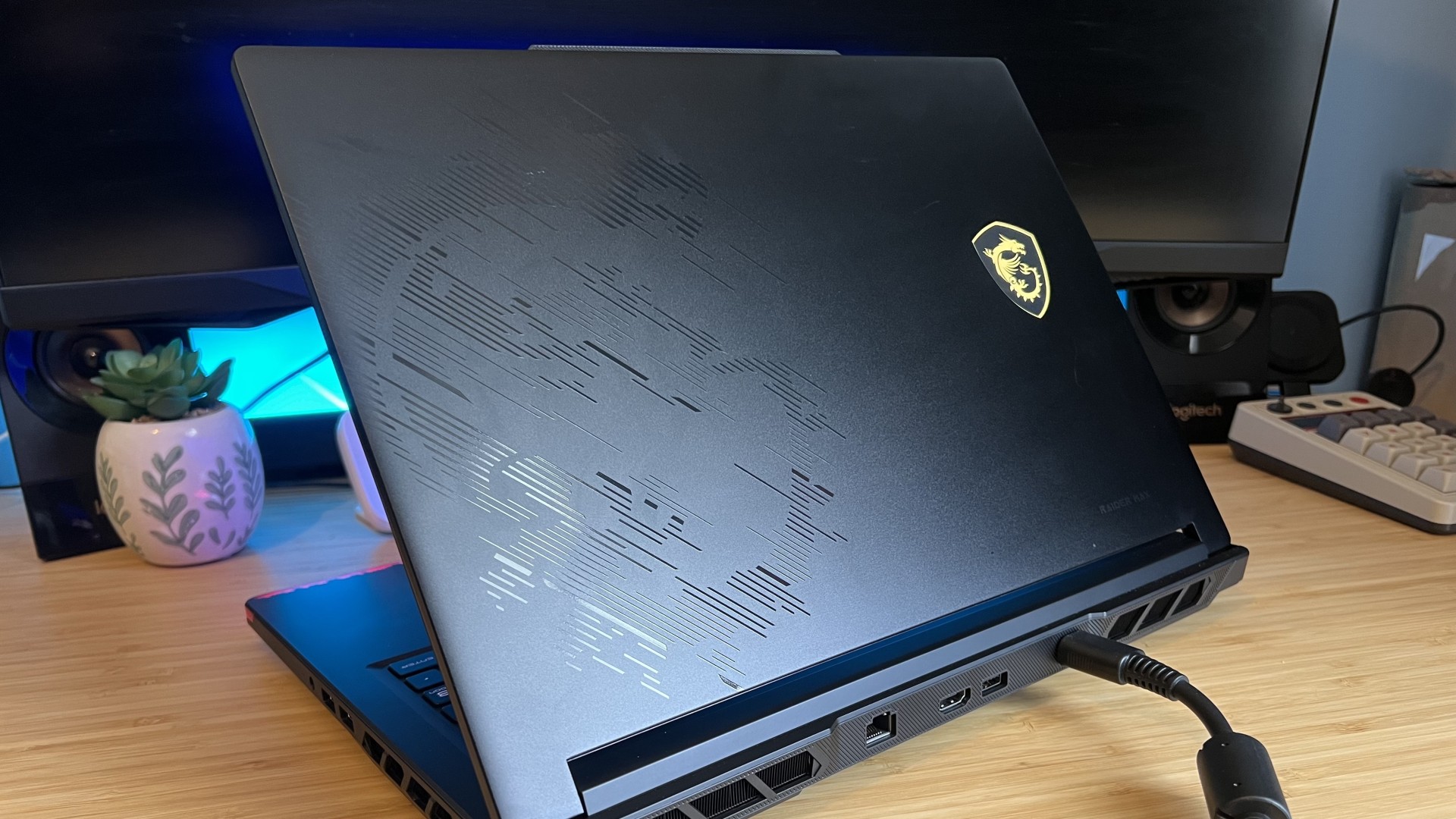
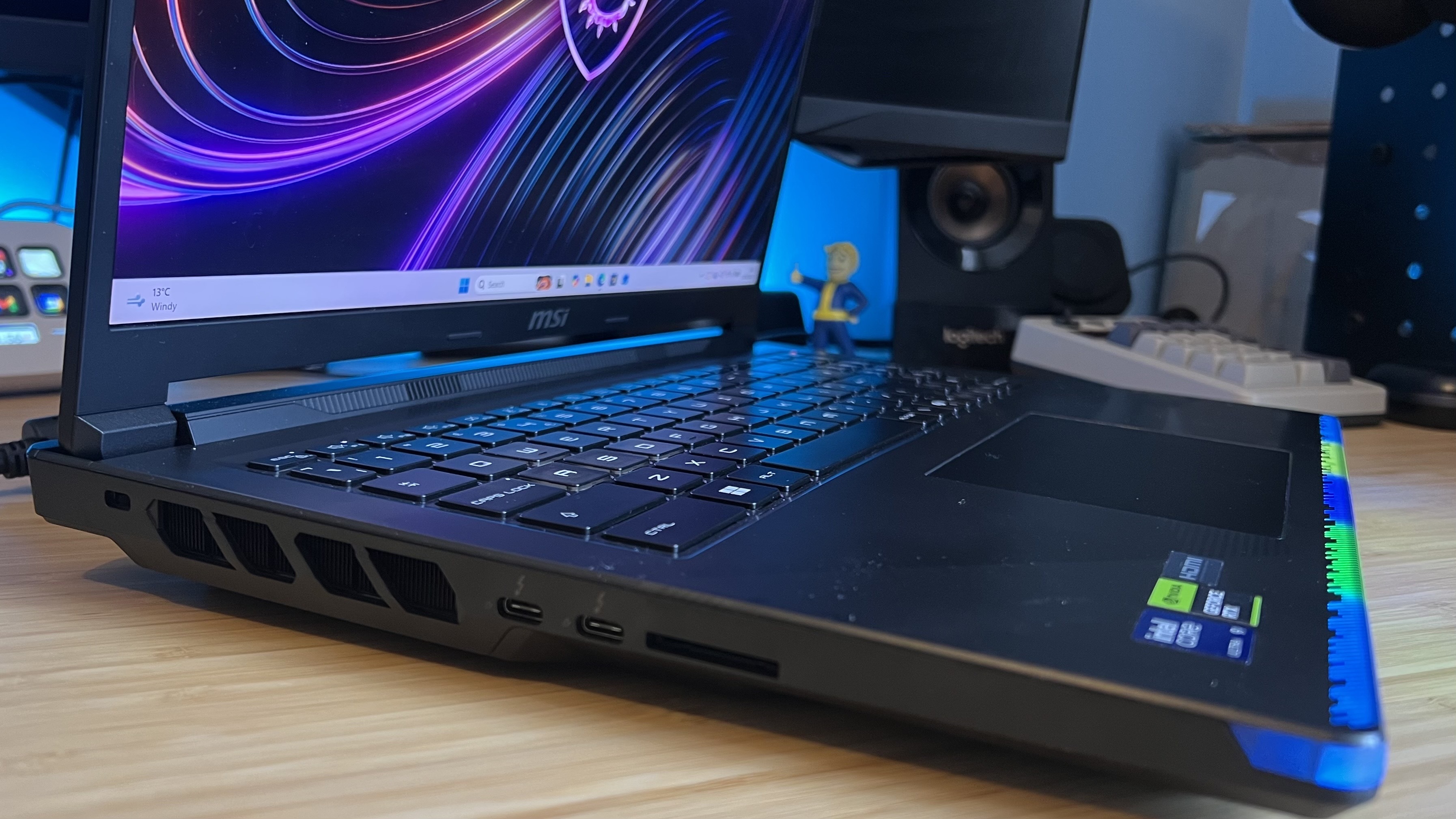
Ports | 3x USB3.2 Gen 2 Type-A, 2x Thunderbolt 4 (DisplayPort / Power Delivery 3.1), 1x SD Express card reader, 1x HDMI 2.1, 1x 3.5mm audio | - |
Dimensions | 14.29 x 10.62 x 1.14mm | - |
Weight | 5.73lbs | - |
Configurations
The MSI Raider 16 Max is easiest to find in one of three configurations, all sporting the Intel Core Ultra 9 290HX Plus processor but with an RTX 5070 Ti, RTX 5080, or RTX 5090 GPU difference between them. I say easiest to find, but there are only a few retailers carrying these rigs at the moment. In the US, you're limited to MicroCenter and Excaliber PC, while the UK is even lighter on the shelves.
The configuration I've been testing, with an IPS panel and Intel Core Ultra 9 275HX, is even harder to find again. Until these machines are a little more bedded into the market, then, availability is going to be a slight challenge.
From the spread, though, it looks like the Raider is once again targeting the enthusiasts among us. The cheapest configuration sits at an RTX 5070 Ti, but with Intel's new Plus CPU at the helm you're not going to be saving too many pennies here. The Raider 16 Max is a premium machine, cutting you close to $3,000 even for its cheapest options at the moment.
Performance
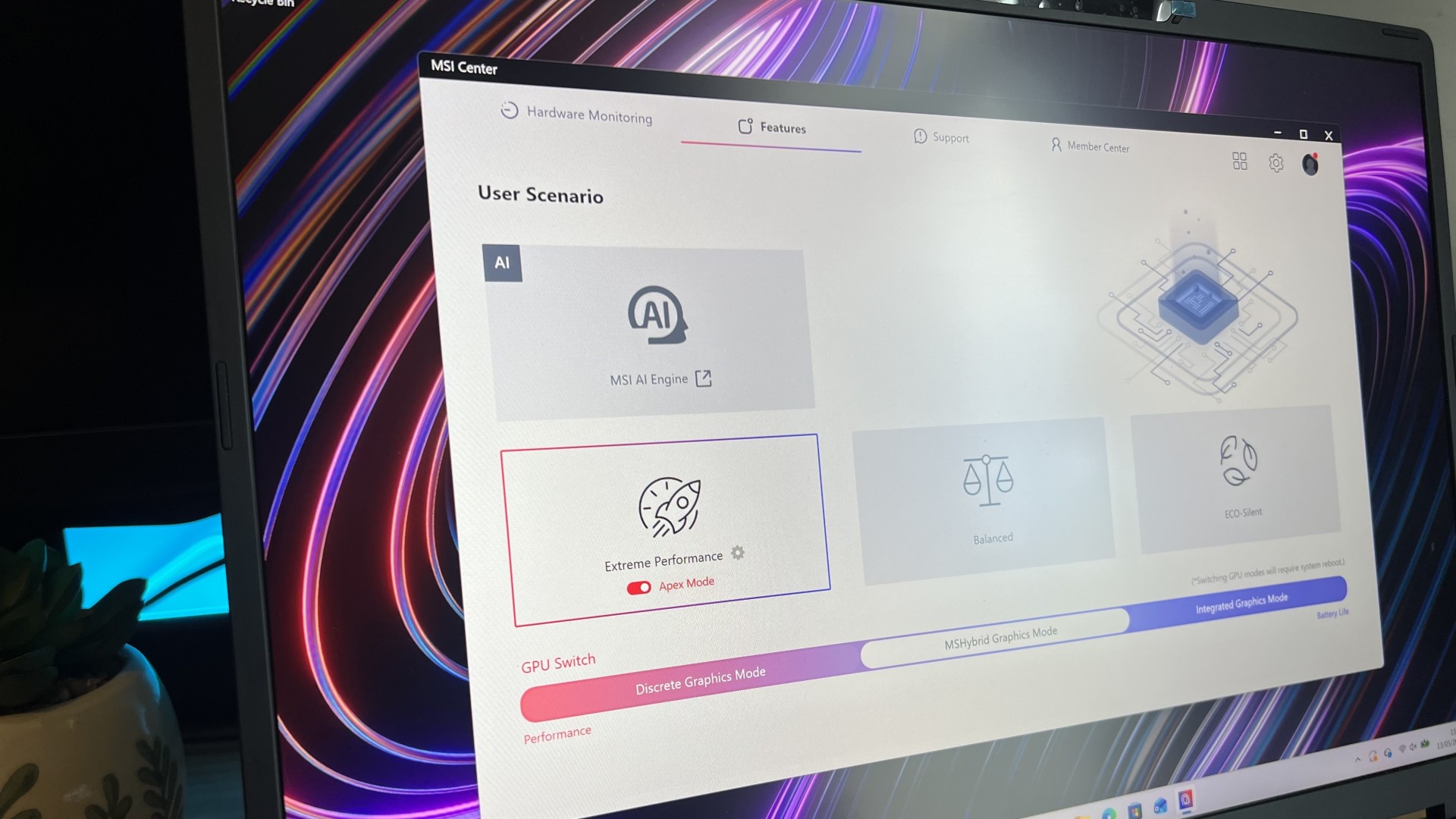
The MSI Raider 16 Max takes its Apex Mode and runs with it, scoring close to the larger 18-inch model from last year while still retaining a smaller 16-inch form factor.
Sign up to the GamesRadar+ NewsletterThe clearest picture comes from synthetic 3D Mark comparisons. Steel Nomad, UL's latest benchmark that looks to push GPU tasks like volumetric illumination and ambient occlusion in a non ray-traced 4K run, is the most representative of modern performance metrics, but Time Spy and Fire Strike still have their stories to tell as well.
I've put the MSI Raider 16 Max up against some big guns; the 18-inch MSI Raider A18 HX A9W (currently the most powerful gaming laptop I've tested so far) and the Asus ROG Strix Scar 18 (my go-to 18-inch model). The Raider 16 Max not only keeps pace with the A18 but actually overtakes it when pushed to 300W in Time Spy and outpaces the Scar 18 in every run.
That's the first time I've seen a 16-inch form factor brush past an 18-incher in this way, putting the 16 Max on the map in terms of raw performance.
The story continues in-game as well.
Once again, the Max is trading places with the Raider A18 across both FHD and QHD benchmarks, offering roughly level performance against larger 18-inch machines. At full 1600p resolution we're clearing Cyberpunk 2077 with an average of 83fps in RT: Ultra, while lighter runs like Shadow of the Tomb Raider can climb up to 222fps - higher than both the MSI Raider A18 HX A9W and Asus ROG Strix Scar 18.
These standings are particularly volatile, with both Raiders and the Scar dashing all over each other in numbers. We're pretty close together for the most part, which means the Max is making good on its promise of 18-inch power in a smaller form factor.
That 300W mode is pulling some weight here. Apex Mode adds, on average, 6% to synthetic 3D Mark benchmarks, but how well that translates into tangible everyday framerates is a mixed bag.
At the bottom end of the scale we have Horizon Zero Dawn: Remastered, which only sees a 0.92% benefit at QHD highest settings. Then again at the top we have Shadow of the Tomb Raider and its 5.21% performance increase.
That 300W mode isn't going to turn the dial in terms of your everyday experience, but it is the secret sauce to closing the gap with 18-inch machines. Without it, we're looking at performance that only slightly improves on the RTX 5080 HP Omen Max 16, a machine that can be found for significantly less cash.
What I love
The RTX 5090 has enough room to breathe
The benefits of a chunky gaming laptop can be felt in the boost in performance over the RTX 5090 Razer Blade 16. This is a machine that more closely resembles the price point of the MSI Raider 16 Max, and yet its slimline form factor holds it back considerably. That's no shade on the Blade - after all, plenty of players are happy to sacrifice a few frames to keep their machine backpack friendly. However, it does mean the Raider wins out on brute force within the wider 16-inch space.
As more gaming laptops seek to hit a hybrid two-in-one design, we're losing this chunky era of machines. Here, we've got enough space to let that RTX 5090 work its magic, but still with the cooling power to keep things sustainable. I was impressed with the relative quietness of the Raider in every day use - being able to play Indiana Jones on the couch while someone else watches TV isn't an option with a lot of rigs but that's exactly where we found ourselves last weekend.
Handy upgrade bay
I know I know, who's got spare RAM to shove in a gaming laptop anymore. While supply chain constraints might make this a feature you'll only be able to use in a couple of years, the MSI Raider 16 Max does have a trick up its sleeve. Modular SSD and RAM bays are easily accessible under a panel on the underside of the rig, allowing for simple upgrades whenever you need them. While RAM prices might make that a little unpalatable right now, it's a move that ensures your lofty investment now won't become defunct when you hit a memory or storage wall.
Bright, powerful display
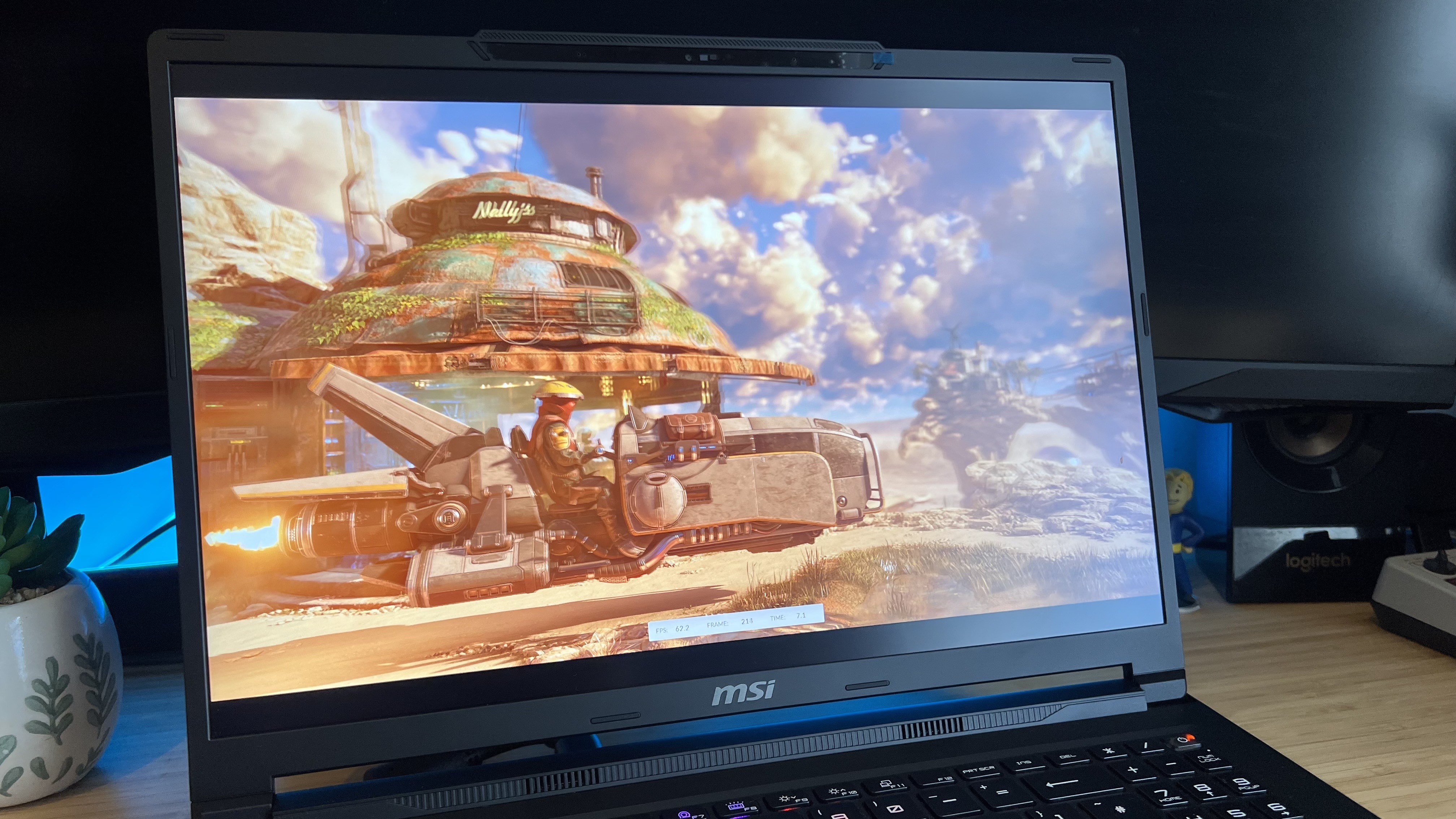
I'm not testing the OLED option, but even the IPS panel in front of me is worth its own note. While you're not getting the deeper blacks and high contrast of the more vibrant technology, this is a particularly impressive IPS in its own right. Colors appear punchy and bold while the power of that back brightness keeps everything looking its best as well. That's not easy to do without more expensive display technologies, so those not quite ready to spend OLED prices are still going to be pleased.
What to consider
Jittery, hollow trackpad
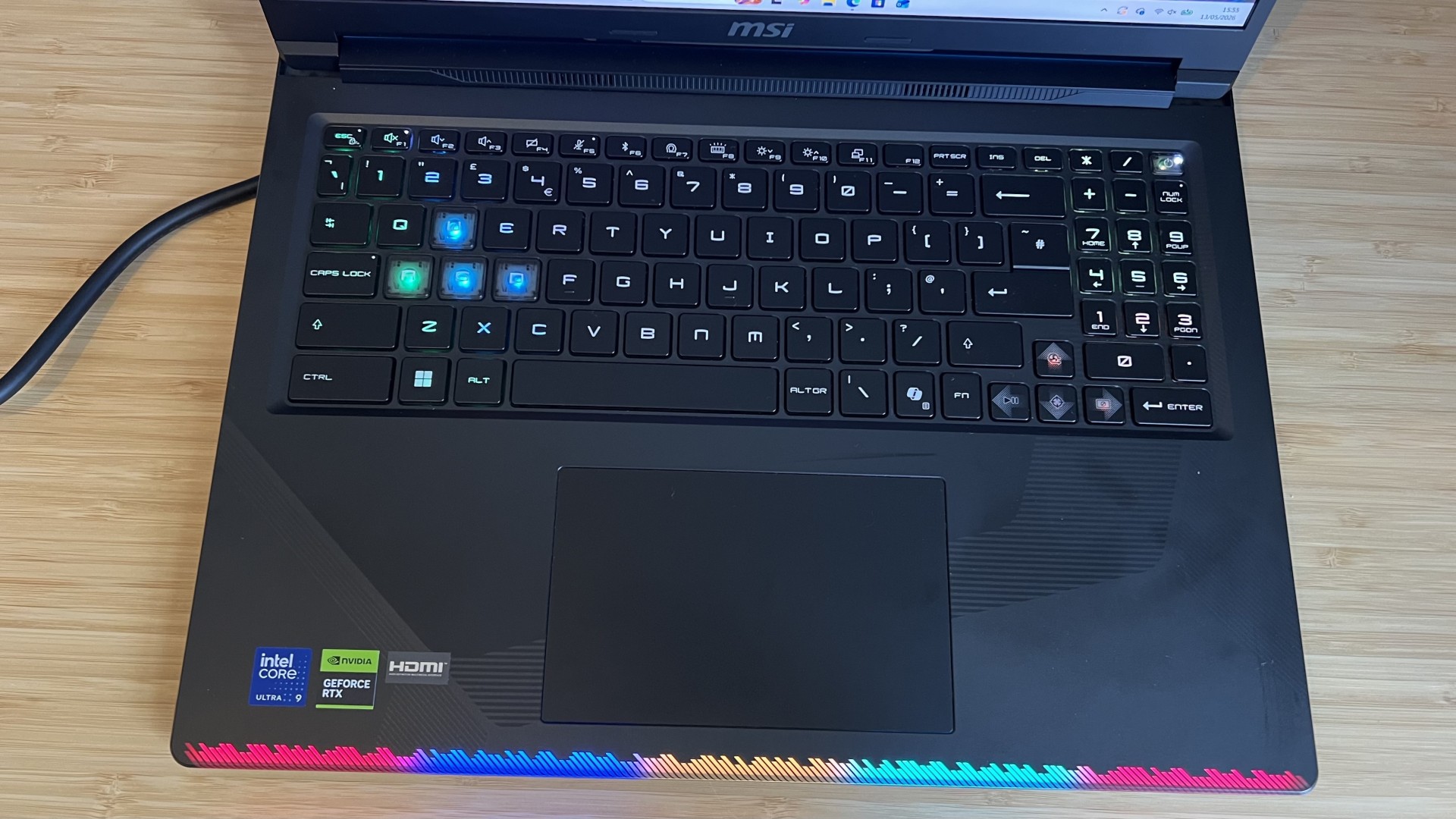
My biggest concern with the MSI Raider 16 Max is something I rarely find myself writing two sentences about in a gaming laptop review. However, the trackpad on this machine is among the worst I've had my hands on so far. It's hollow, jittery, and only seems to accept tap gestures when it wants to, otherwise requiring a heavier forceful click that feels slow and cumbersome.
This isn't a mushy pad, but it feels like there's a gap in between the top panel of the trackpad itself and the mechanism underneath. I only need to push lightly with my finger to feel it bouncing around and wobbling. If I'd spent four figures on this machine I'd be seriously disappointed.
That's not going to matter too much for most players, of course. It stops the Raider from being considered a hybrid work / play machine, but those more likely to have one of the best gaming mouse models on hand aren't going to feel the pinch so much.
Chunky design feels a little old school
That larger footprint gives your components more space to let loose, but it also comes at a cost. These larger machines were necessary back in the day, but they can feel a little outdated in 2026. While the MSI Raider 16 Max neatly sidesteps the hard angular lines of cheaper options with its squared off chassis and rounded corners, the wobble of its screen hinge, thicker side walls, and RGB heavy front lip do date its aesthetic a little.
Should you buy the MSI Raider 16 Max?
At the time of writing, the RTX 5090 MSI Raider 16 Max goes for $4,300 at full MSRP (albeit with an OLED display). The Asus ROG Strix Scar 18 in a similar configuration comes in at $4,499.99 (Best Buy) while the MSI Raider A18 HX is often discounted to between $3,700 and $4,500 (Best Buy). In general, that's good news for the Max. There's a slight luxury tag in getting that 18-inch-level power in a smaller chassis and with gaming laptop prices continuing to skyrocket there's nothing too out of the ordinary going on here.
That said, the MSI Raider 16 Max will still only make sense to a few players. While chunkier 16-inch machines with RTX 5090 power are harder to find these days (if not the Raider, you're looking at the similarly expensive Alienware 16 Area-51 or the more mainstream Asus ROG Strix G16), older 18-inchers have the discount factor on their side. Should an Asus ROG Strix Scar 18 drop further down the price scale (which it likely will on a good day), and you're not fussed about portability, it's going to give you better long-term performance that doesn't rely on fan-degrading boosts.
The Raider's upgradeability and OLED display option (though I've only been testing the IPS panel here) make for compelling arguments, especially if you're looking for a high vibrancy panel on a rig that can last longer than the competition.
How I tested the MSI Raider 16 Max
I spent two weeks putting the MSI Raider 16 Max through all its 3D Mark runs and in-game benchmarks, while also taking the time to enjoy some of my own games in the process. I tested the rig in 3D Mark Steel Nomad, Time Spy, and Fire Strike, running each GPU test three times and taking an average as my final score. Then I ran in-game benchmarks at both 1080p and 1600p in High and Highest settings across Shadow of the Tomb Raider, Total War: Three Kingdoms, Cyberpunk 2077, and Horizon Zero Dawn: Remastered. All of these tests were also completed three times with a final average result, having been run on both Extreme Performance and Apex Mode.
Meanwhile, I've been using the Raider for all my daily work, spending one week working directly from the laptop itself and another with it connected to an external monitor setup. During that time, I also used it to play through High on Life 2 and start another Indiana Jones and the Great Circle run. For more information on how we test gaming laptops, check out the full GamesRadar+ Hardware Policy.
For more chunky options, take a look at the best Asus gaming laptops and the best Alienware laptops. For something skinnier, check out the best Razer laptops on the market.
CATEGORIES
Managing Editor of Hardware at GamesRadar+, I originally landed in hardware at our sister site TechRadar before moving over to GamesRadar. In between, I've written for Tom’s Guide, Wireframe, The Indie Game Website and That Video Game Blog, covering everything from the PS5 launch to the Apple Pencil. Now, i'm focused on Nintendo Switch, gaming laptops (and the keyboards, headsets and mice that come with them), PS5, and trying to find the perfect projector.
View MoreYou must confirm your public display name before commenting
Please logout and then login again, you will then be prompted to enter your display name.
Logout LATEST ARTICLES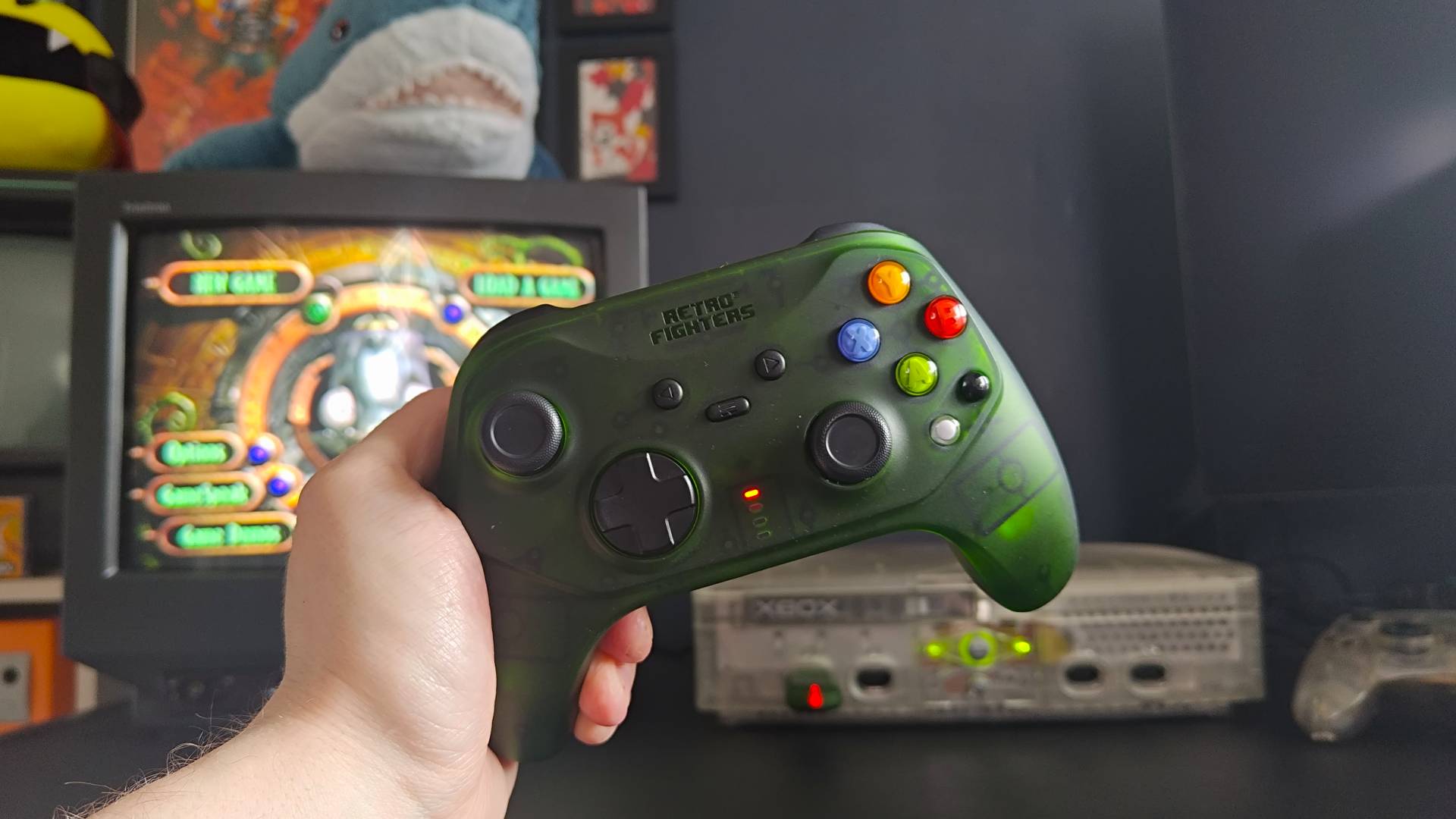 1The Retro Fighters Hunter is a fierce wireless OG Xbox controller, but I'm torn on whether its too much like Microsoft's modern gamepad
- 2Devs behind one of Steam’s most-wishlisted games respond after asking players to change negative reviews and kicking up a stink online
- 3Subnautica 2 has already sold 1 million copies and it's been out for literally one hour
- 4Dragon Quest lead doesn't think the JRPG series "must always feature turn-based combat," which makes me wonder if Dragon Quest 12 could follow in Final Fantasy's footsteps
- 5After 1 hour, Subnautica 2 Steam player peak is 9x bigger than the original game and gaining on Slay the Spire 2 for biggest launch of 2026
Схожі новини

Subnautica 2 Dev Responds To Pirates
Subnautica 2 sells 1 million copies in its first hour, and I have to imagine the CEO of Krafton is pouring himself a very stiff drink right about now
Kingdom Come: Deliverance 2 studio Warhorse raises $65,000 to help preserve the real-life medieval castle that's Henry's homebase in the first RPG