The Middle East’s new power brokers? Pakistan, Turkey, Saudi Arabia, Egypt unite
‘Fear of US abandonment’ is helping forge a new Middle East – but don’t expect an Islamic Nato just yet
4-MIN READ4-MIN Listen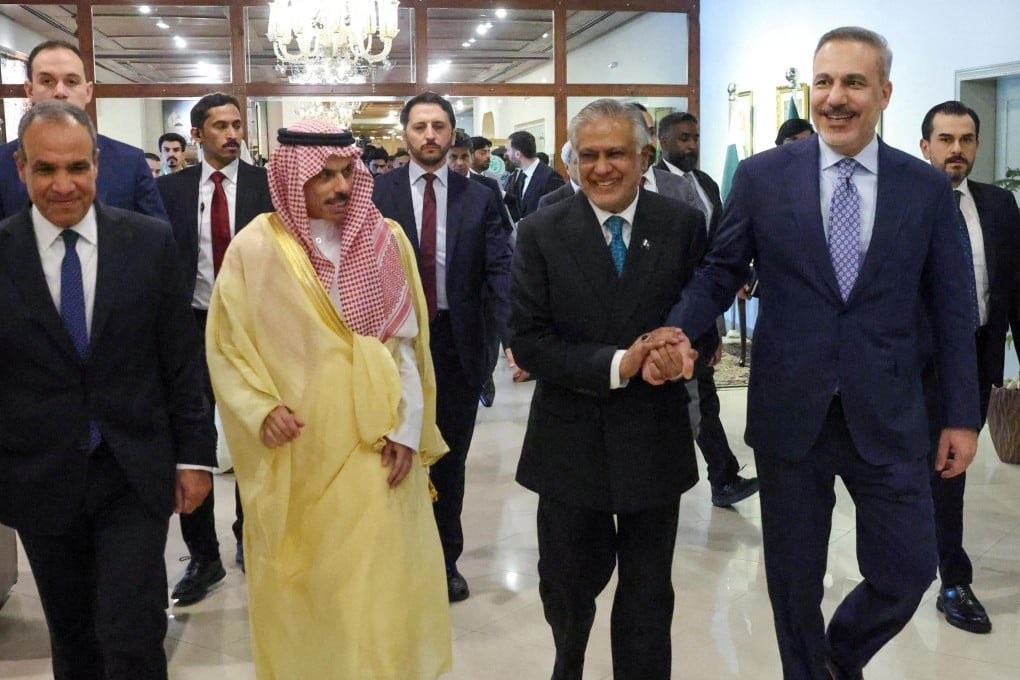
“Fear of US abandonment is pushing states to build more diplomatic mass, even if they cannot yet build an integrated military bloc,” said Andreas Krieg, an associate professor of defence studies at King’s College London who previously advised Qatar’s armed forces on behalf of the UK defence ministry.
Advertisement“A mixed system” was emerging, he said – one in which multilateral formats “increasingly handle the grand strategic questions” while the hard security balance would still be dominated by Washington and whatever survives of Tehran’s proxy network.
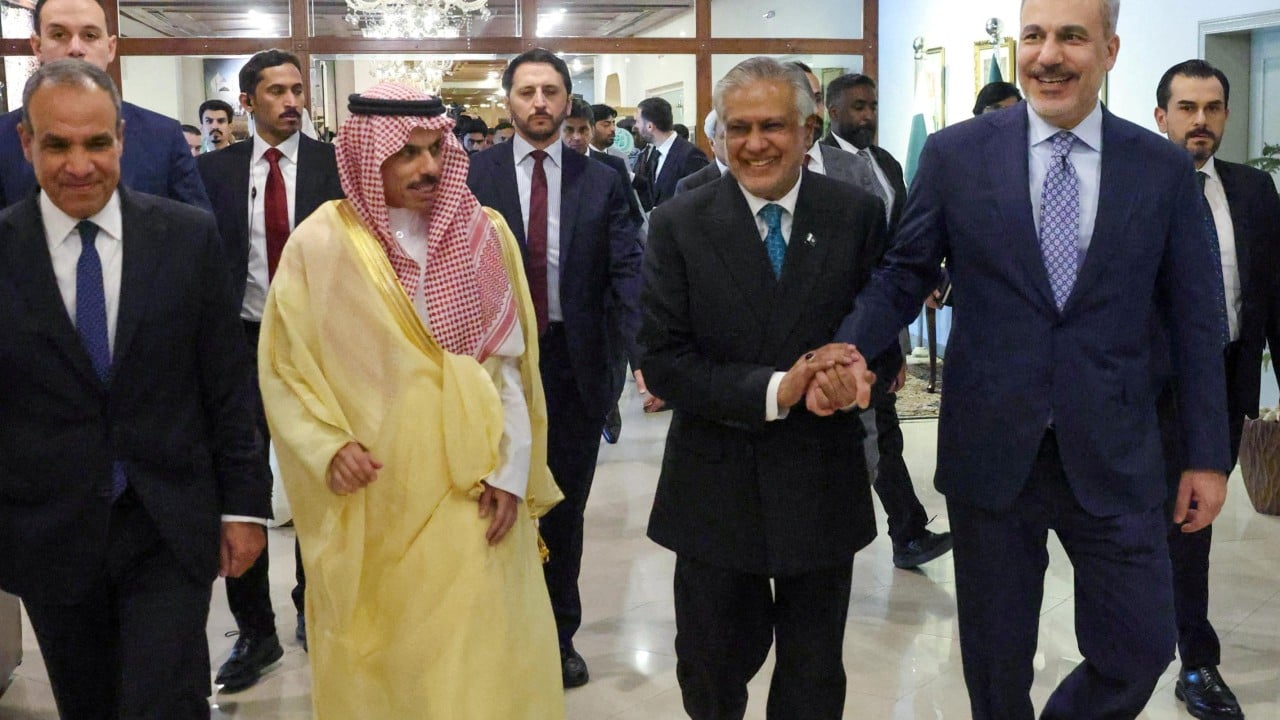
The most consequential of these new groupings is the so-called regional coordination framework, comprising Nato member Turkey, Saudi Arabia, Egypt – the Arab world’s largest military power – and nuclear-armed Pakistan.AdvertisementTogether, the four are pressing hard for a negotiated settlement to the Iran war, with Islamabad playing the dual role of mediator between Tehran and Washington, and a trusted representative for its regional partners: above all Riyadh.
Схожі новини
G7 says nature talks a success as climate sidelined for U.S.

Ердоган може втрутитися в "розбірки" з Ормузькою протокою