The Iran war is brewing a food crisis we must avert

The world’s focus has been on energy shortages but famine and widening food insecurity are faces of the same coin
3-MIN READ3-MIN Listen
As my wife and I quaffed our way through a sumptuous five-course South African wine tasting dinner at the Hong Kong Foreign Correspondents’ Club (FCC) early this week, the world food crisis and global food insecurity seemed a very long way away.
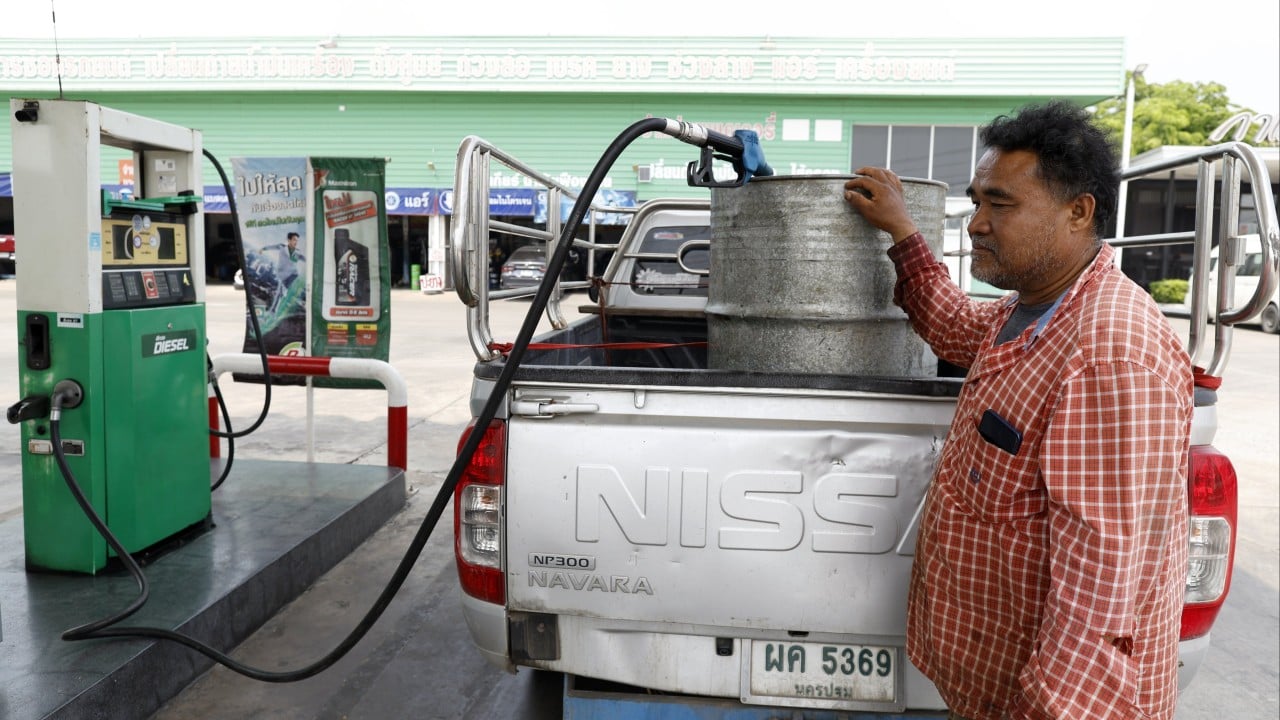
Yet as the US war on Iran approached its third month, with the Strait of Hormuz still blocked and a host of critical commodities hostage to the conflict, our FCC wine dinners must surely be in jeopardy. More seriously, millions worldwide may face much graver food hardships.At the World Bank/International Monetary Fund annual meetings, global financial leaders put a brave face on economic prospects but also warned that risks dominated. A joint statement said the Gulf conflict risked “upending lives and livelihoods in the region and beyond”.
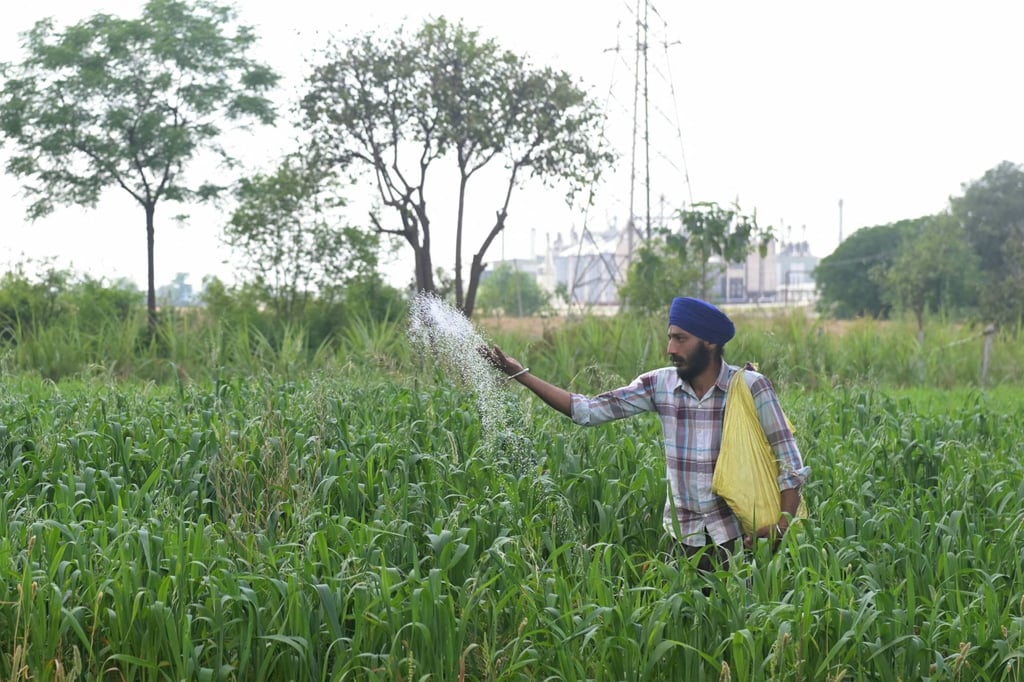
AdvertisementThe World Food Programme, suffering from severe funding shortfalls largely because of cuts in US humanitarian aid, warned last month that 45 million more people could tip into acute hunger if the Gulf conflict does not end by June. This would lift to 363 million the number of people worldwide threatened by acute hunger – the most severe hunger crisis on record.While most of the world’s media is focused on the physical carnage of Operation Epic Fury in Iran and the disruption of world oil and gas trade with the closure of the Strait of Hormuz, many overlook that energy insecurity and food security are faces of the same coin.
AdvertisementAs Adam Hanieh at London’s School of Oriental and African Studies wrote in the Financial Times, since the green revolution launched in the 1950s, farm mechanisation, pumped irrigation and synthetic fertilisers have created an irreversible link between energy security and food security. “After only seven weeks, food shortages and even famine are now looking more likely for millions of people across vulnerable countries in Africa and Asia,” he warned.