The ex-German chancellor and Putin’s ‘buddy’ who Russia want to mediate Ukraine peace talks
Vladimir Putin hinted over the weekend that he foresaw the war in Ukraine coming to an end soon, while raising the prospect of talks with the EU to draw up new security arrangements for a post-war Europe.
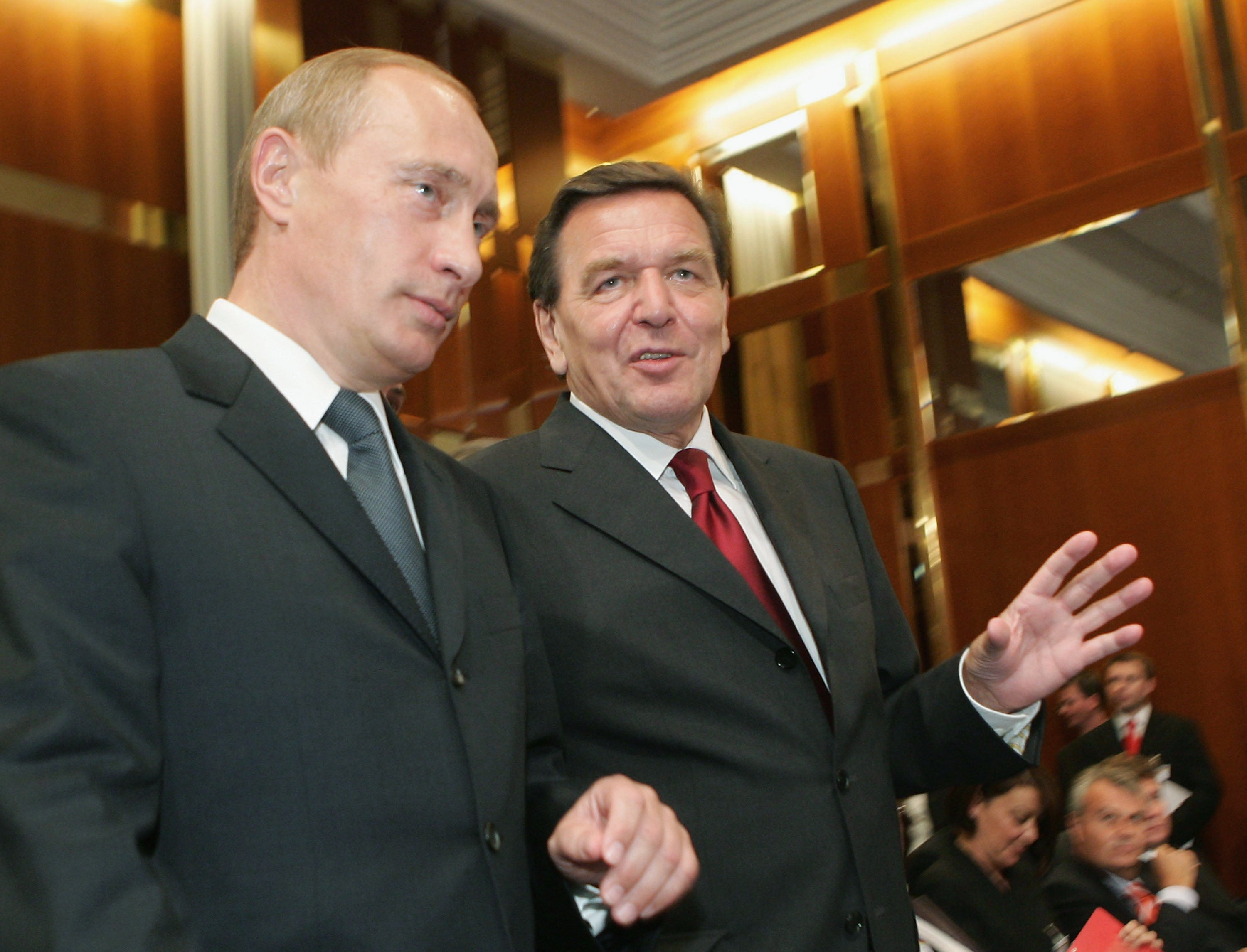
The Russian president told reporters that he would be open to reopening lines of communication with Ukraine and Europe, ideally mediated by former German chancellor Gerhard Schröder.
“For me personally, the former Chancellor of the Federal Republic of Germany, Mr Schröder, is preferable,” Putin said, asked on Saturday if he was willing to engage with Europe.
 open image in gallery
European officials responded with instant concern, suggesting Schröder lacked the impartiality needed to behave as an “honest broker” and suggesting the offer looked like another bogus proposal aimed at dividing the Western alliance.
A German government spokesperson said on Friday that Berlin saw no signs that Moscow was interested in serious negotiations, after both Russia and Ukraine accused each other of breaching unilateral ceasefires.
Who is Gerhard Schröder?
Gerhard Schröder, now 82, was the chancellor of Germany between 1998 and 2005.
As a young person, he lifted himself out of poverty by juggling various jobs with night school to become a lawyer, before pivoting towards politics as an idealistic Marxist and environmentalist.
Schröder saw an astonishing rise through the Social Democratic Party (SDP) to unsettle Helmut Kohl’s 16-year grip on the chancellorship in 1998.
In power, he focused on reducing unemployment and rebuilding the economy at home, offering a contentious package of economically liberal welfare and labour reforms.
 open image in gallery
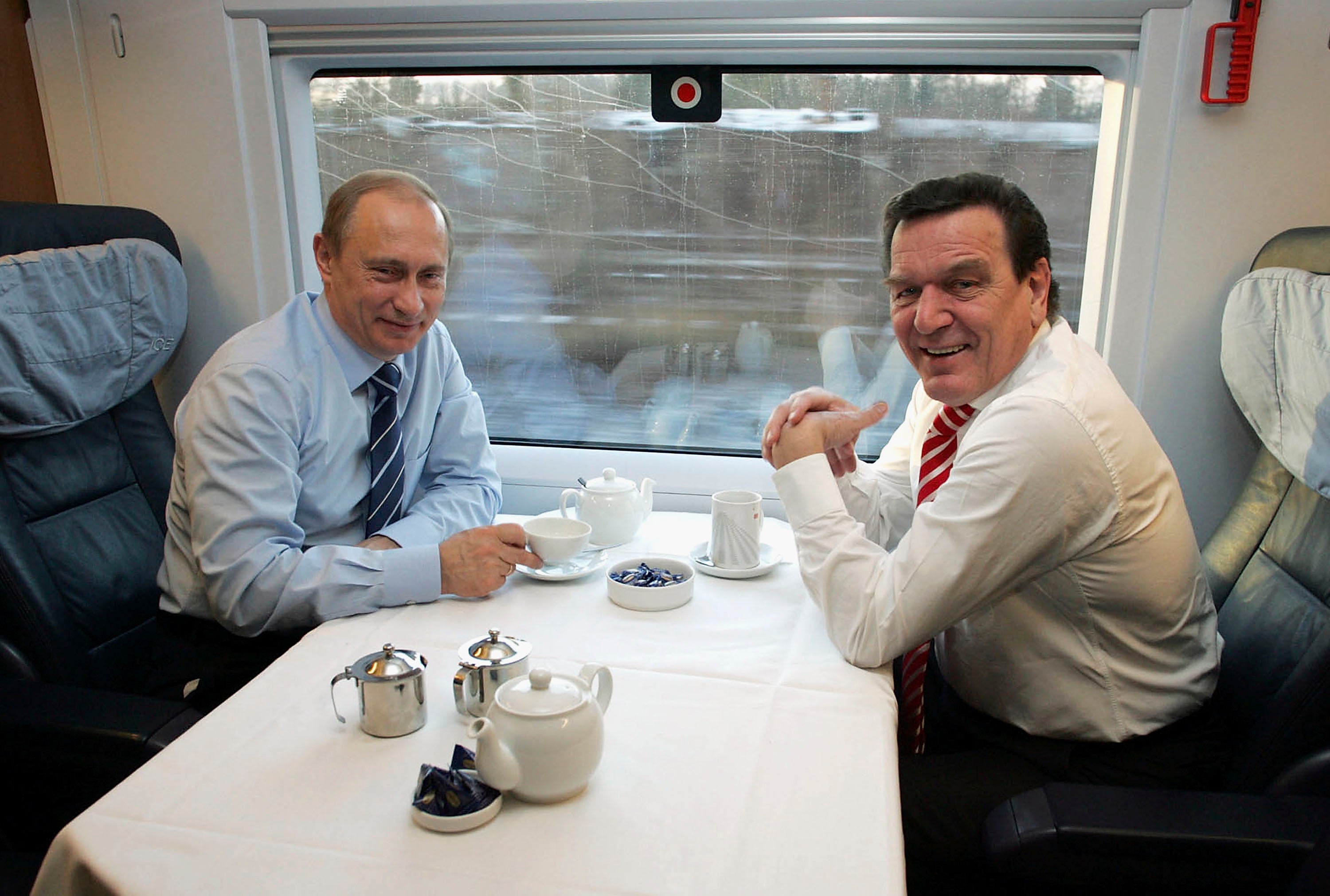
He also curbed nuclear power and tied Germany’s energy needs to Russian fossil fuels, a move that haunted Berlin after the Russian invasion of Ukraine exposed how little influence that arrangement bought.
On the world stage, Schröder kept Germany out of the Iraq War, to the irritation of the United States, but committed troops to the Nato missions in Kosovo and Afghanistan, while balancing relations with Russia.
SDP support waned in his second term as the economy faltered, and he was forced out of office in 2005.
After leaving politics, he continued work on the Nord Stream gas pipelines and took a seat on the board of Russian oil giant Rosneft, which he gave up with the invasion in 2022.
He remained close to Putin and refused to condemn the war, massively straining his popularity at home.
What are his links to Putin?
Schröder took office during Putin’s first term as president and kept relations warm over the years.
He called Putin a “flawless democrat” in 2004 and sought closer integration between the two countries, approving the first Nord Stream pipeline between Russia and Germany shortly before leaving office.
 open image in gallery
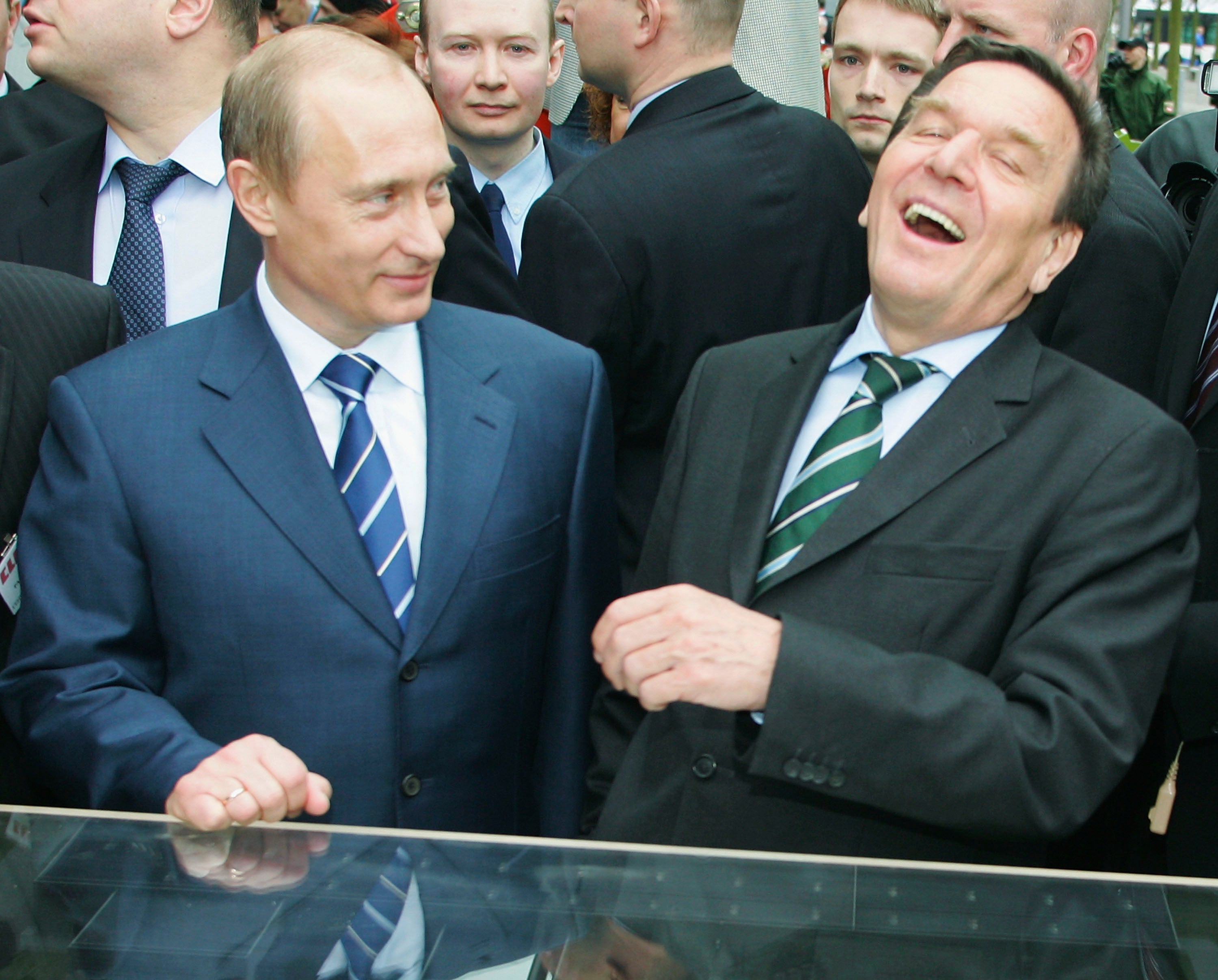
Schröder stayed friendly with Putin, even attending his birthday in Moscow in 2014, just a few months after the Russian invasion and annexation of Crimea.
In 2016, he joined the board of directors behind the construction of Nord Stream 2. That pipeline never went in to service and was damaged by underwater explosions in the Baltic Sea in 2022.
How has Europe reacted?
Putin’s suggestion that Schröder could help mediate talks between Russia and the EU swiftly met opposition from European officials.
A mediator “cannot be Putin's buddy”, Michael Roth, a former SPD lawmaker and chair of the foreign affairs committee, told the Tagesspiegel newspaper.
Germany's Europe minister, Gunther Krichbaum, said that Schröder did not have the credentials to be an “honest broker”.
“He is, and certainly has been, heavily influenced by Mr Putin. Close friendships may be legitimate anywhere in the world, but they do not help one to be perceived as an impartial mediator,” Krichbaum said.
 open image in gallery
Estonian foreign minister Margus Tsahkna dismissed also weighed in on Monday, rubbishing Putin’s plan.
“Gerhard Schroeder is a Putin idea. I think they are very close. Gerhard Schroeder won't be representing Europe,” said Tsahkna.
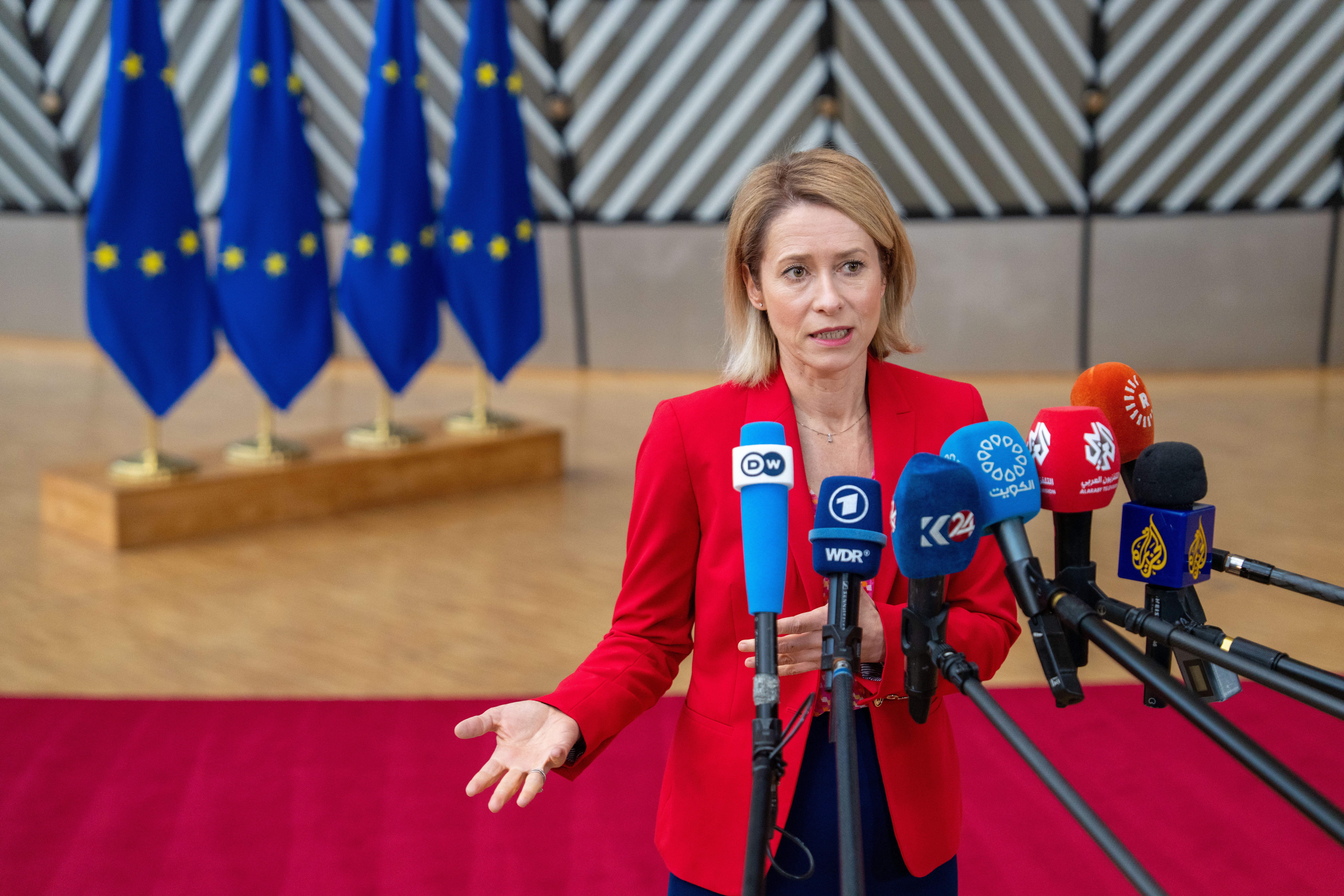
European Union foreign policy chief Kaja Kallas also dismissed Putin’s suggestion.
"If we give the right to Russia to appoint a negotiator on our behalf, you know, that would not be very wise," Kallas told reporters as she arrived for a meeting of EU foreign ministers in Brussels.
As Schroder had lobbied for Russian state companies, “he would be sitting on both sides of the table,” Kallas said.
Join our commenting forum
Join thought-provoking conversations, follow other Independent readers and see their replies
CommentsСхожі новини
У Зеленського зробили першу заяву щодо підозри Єрмаку
Russian drones strike industrial facility in Sumy region
Міністр оборони Німеччини відвідав позиції української ППО.