The Eta Aquarid meteor shower peaks next week: Here's what you need to know
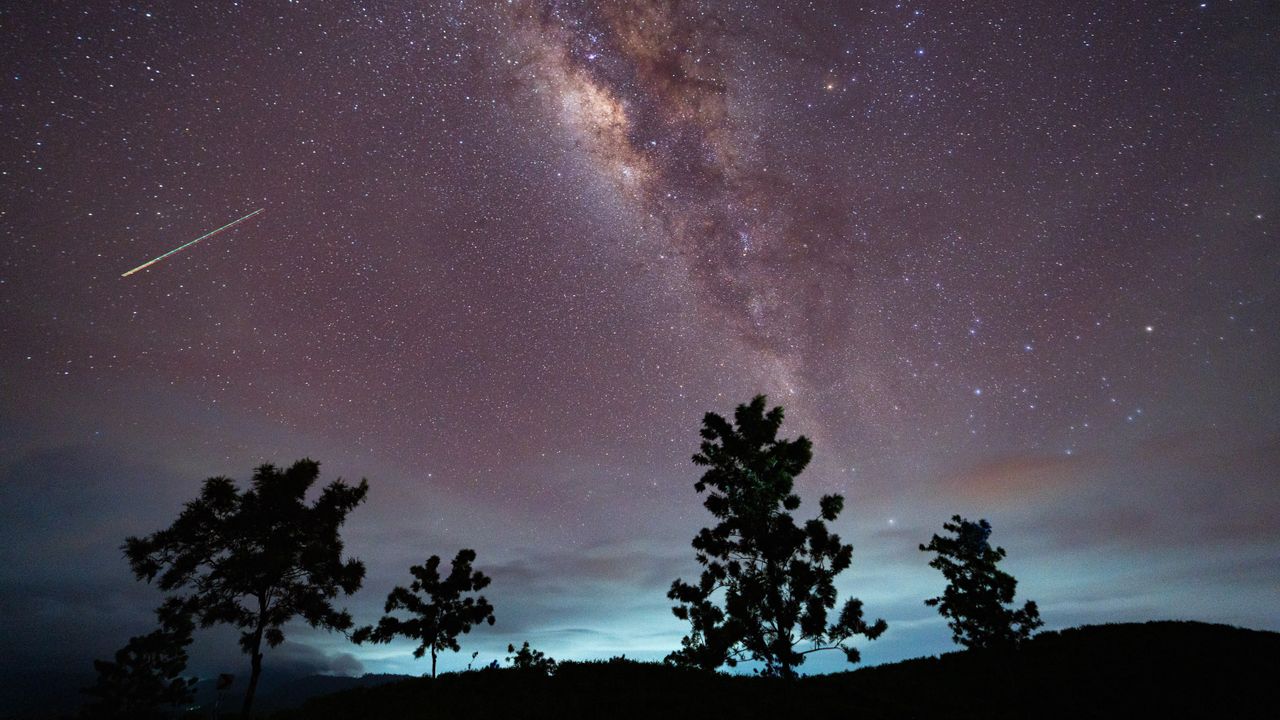
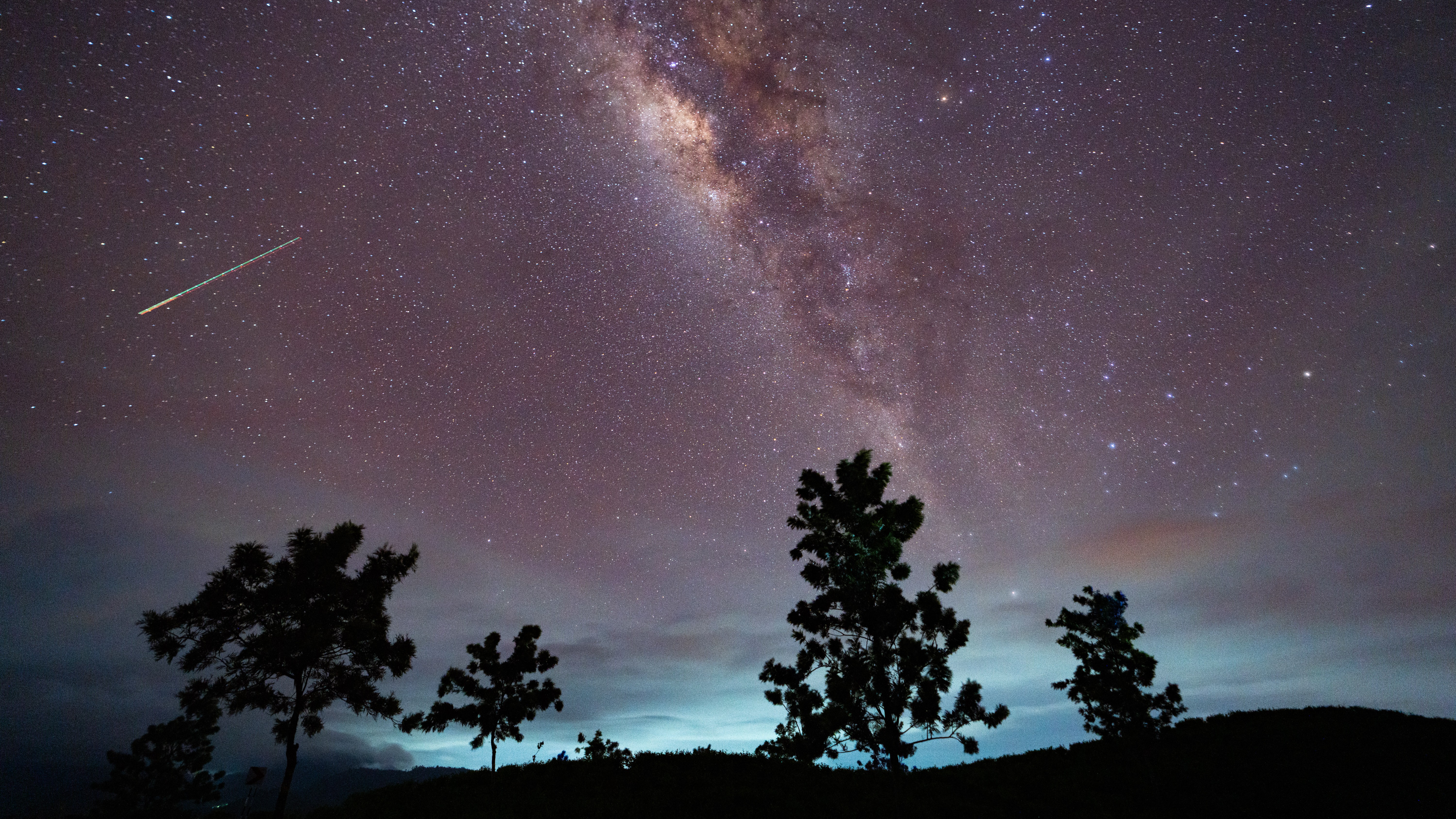
The Eta Aquarid meteor shower is almost here! Here's what you need to know as the shooting star display ramps up to peak activity, including when and where to look, viewing conditions and more!
Canon EOS R7 camera

The Canon EOS R7 is the best camera for beginners hoping to capture shooting stars. Read our full Canon EOS R7 review.
In 2026, the Eta Aquarid peak will occur overnight on May 5-6, as Earth travels through the densest part of Halley's debris stream. Stargazers in the southern hemisphere could see up to 50 shooting stars crisscrossing the night sky while those in the northern hemisphere will be treated to a more modest showing of between 10-30 meteors per hour, according to the American Meteor Society.
Shooting stars associated with the shower become visible when tiny shards of Comet Halley impact Earth's gaseous shell at over 40.7 miles per second (64 kilometers per second), carving a fiery path through the atmosphere as they're overwhelmed by the pressure and force of atmospheric entry.
Viewing conditions
The 84%-lit waning gibbous moon will flood the sky with moonlight after it rises around midnight on the night of May 5-6, which will hide fainter shooting stars, dropping the hourly rate to below 10 shooting stars per hour. On the bright side, the Eta Aquarid's are known to produce the occasional fireball, which could easily pierce the veil of moonlight cast by the lunar disk.
How do I know if the shooting star I saw was an Eta Aquarid?
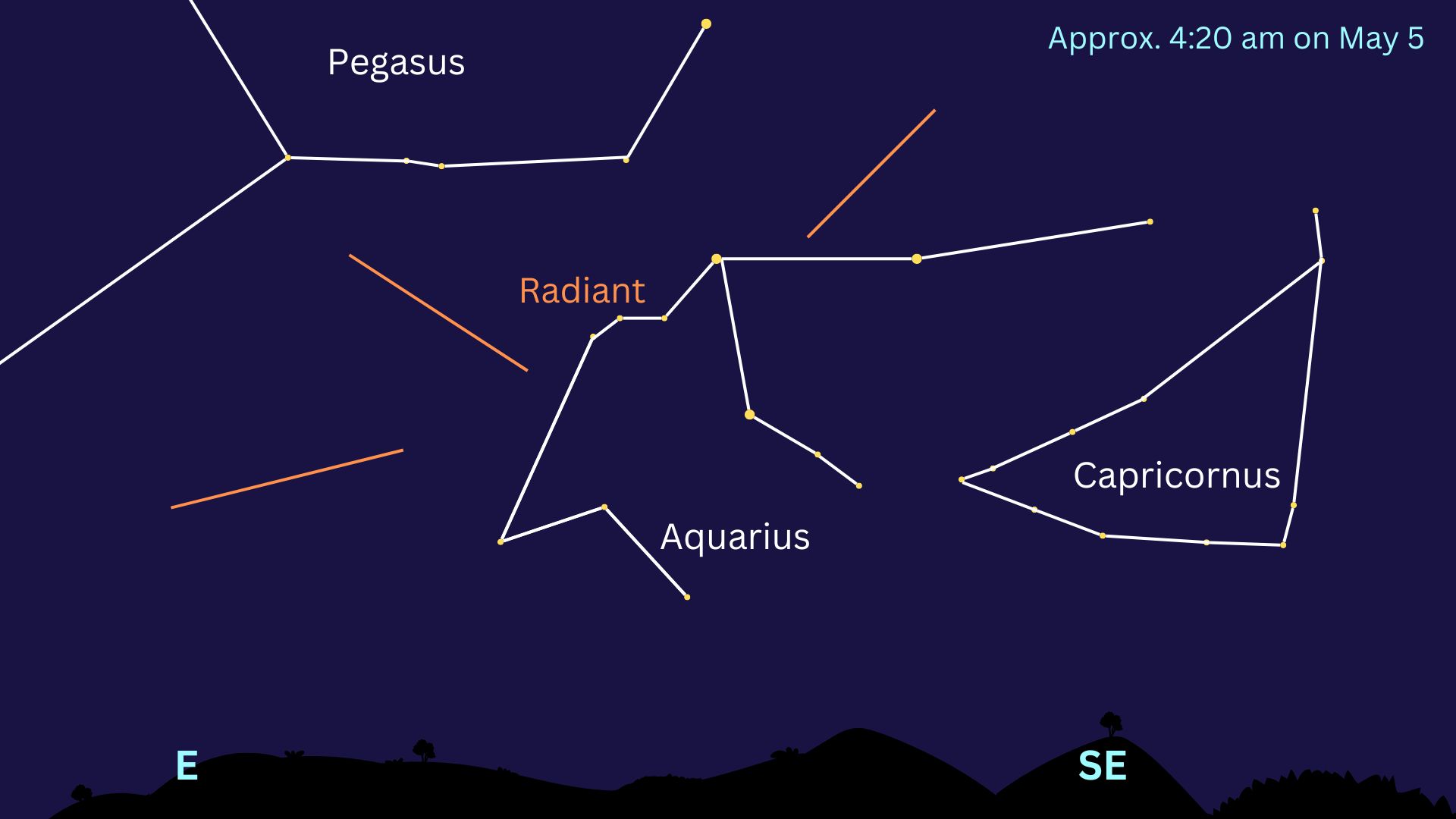
Meteors associated with the Eta Aquarids will streak away from a point of origin close to the bright stars Zeta Aquarii and Sadachbia in the constellation Aquarius, which can be found rising over the eastern horizon during early hours in early May.
Where should I look for shooting stars?
Eta Aquarid meteors may be seen whenever the radiant is above the horizon. The ideal time to hunt for shooting stars comes during the predawn hours of May 6, when the radiant will be at its highest above the eastern horizon.
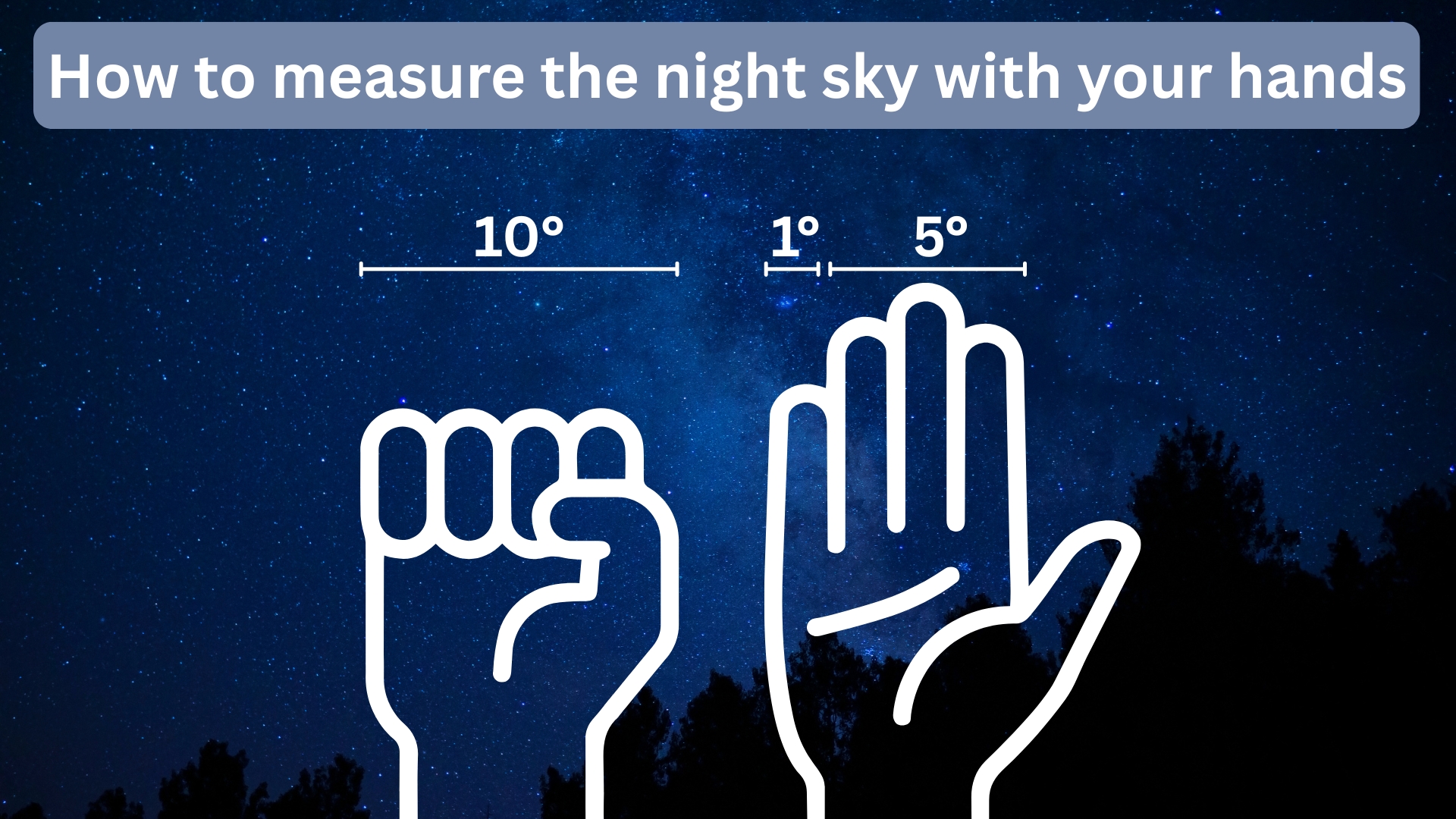
First, locate the radiant to the left of the waning moon using a handy smartphone stargazing app. Then, find a patch of sky roughly 40 degrees away from this location in the direction of your local zenith (which is the point above your head). Here, the shooting stars will be at their most impressive.
Want to capture a gorgeous meteor photo for yourself? Then be sure to read our guide to photographing shooting stars, along with our picks of the best cameras and lenses for imaging the night sky in 2026.
Editor's Note: If you would like to share your astrophotography with Space.com's readers, then please send your photo(s), comments, and your name and location to spacephotos@space.com.
View MoreYou must confirm your public display name before commenting
Please logout and then login again, you will then be prompted to enter your display name.
Logout
Anthony Wood joined Space.com in April 2025 after contributing articles to outlets including IGN, New Atlas and Gizmodo. He has a passion for the night sky, science, Hideo Kojima, and human space exploration, and can’t wait for the day when astronauts once again set foot on the moon.
Схожі новини
3 planets will put on a sky show in May — when and how to see them

World’s rarest hybrid blood type discovered in Thailand: Study found in just 3 people out of a massive research of 544,000 samples

Земля "розривається навпіл" під Тихим океаном: що відбувається насправді