The Brazilian government keeps giving out mining licenses in the Amazon – in spite of evidence of gold ‘laundering’
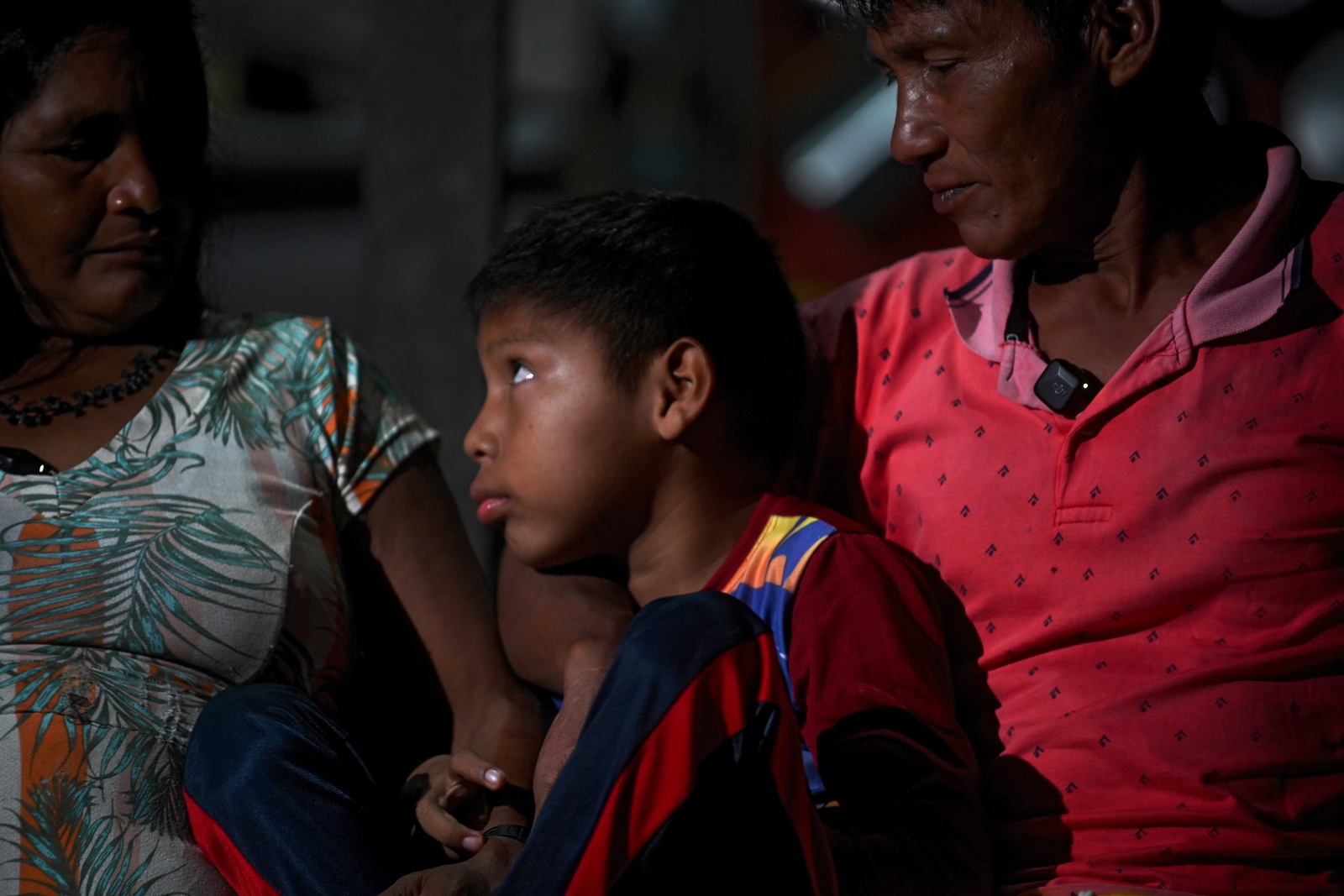
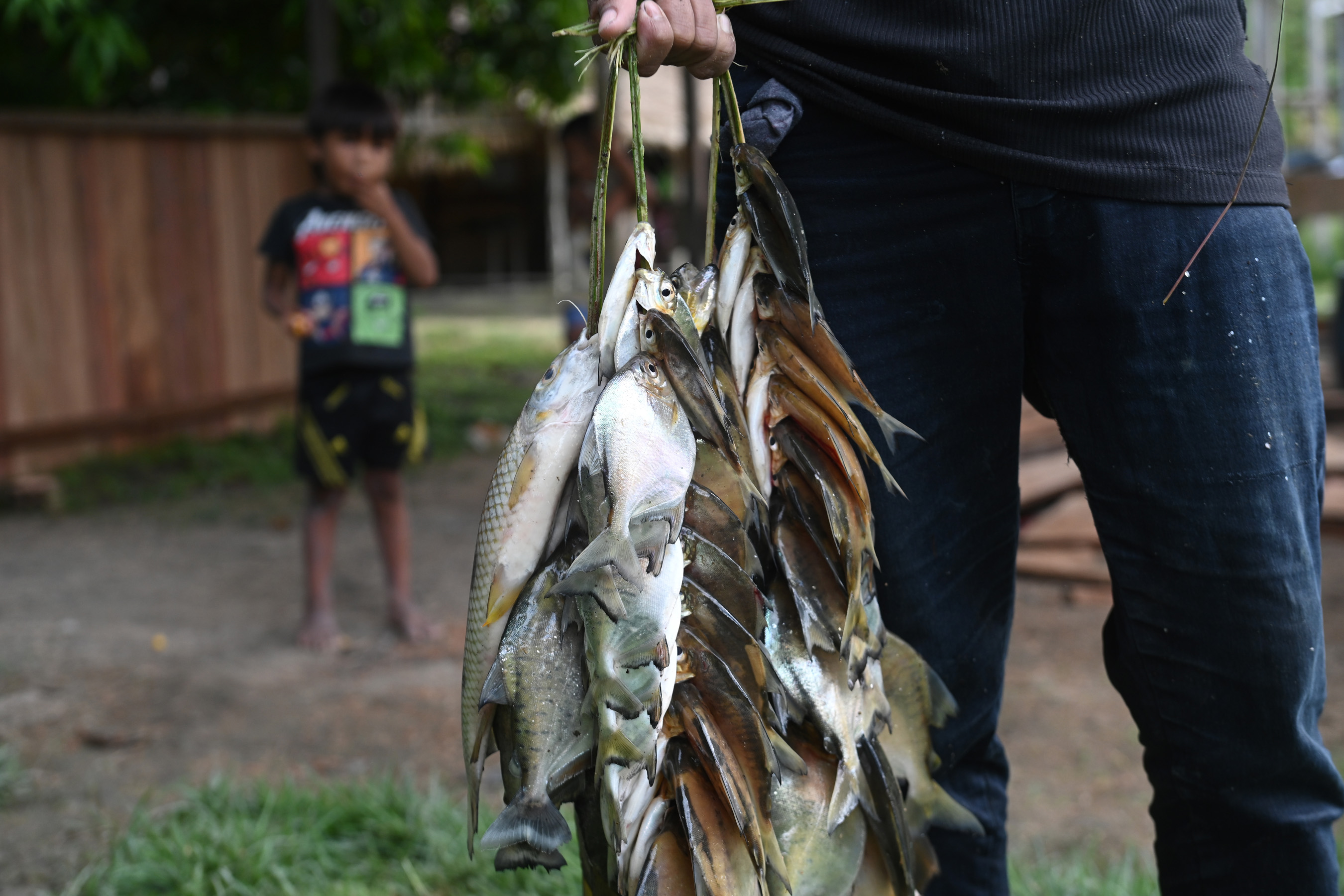
In the kitchen of Alnice Poxo Munduruku, fresh fish keeps the ancestral traditions of those who live along the vast Tapajós River alive. As the fire burns, the family cleans the fish while keeping a close eye on 11-year-old Aleckson. Born with cerebral palsy, which limits his mobility and speech, he has needed continuous care since birth. Like everyone here, he loves fish.
But the village’s food carries an invisible danger. Tests by scientists from the Oswaldo Cruz Foundation, or Fiocruz, show that Aleckson, his parents, and nearly everyone in neighboring communities have mercury levels above the safe threshold. Research by Fiocruz indicates that the contamination stems from gold mining, where mercury is used to separate the metal and then spreads through the rivers into the food chain.
This poisoning results not only from illegal mining but also from decisions and omissions by the Brazilian government. An exclusive InfoAmazonia investigation has found that Brazil’s National Mining Agency, or ANM, still maintains mining permits with signs of irregularities, such as reported gold production with no evidence of extraction consistent with the declared volumes — a practice identified by oversight bodies as illegal gold laundering.
Created in 1989 to regulate mining during the Tapajós gold rush that ran from the late 1970s to the 1990s, Garimpeiro Mining Permits (PLGs) were meant to be a simplified authorization for supposedly small-scale, low-impact operations. Decades later, what began as artisanal mining has become industrial-scale extraction involving heavy equipment, dredges, and mercury. These permits now give a veneer of legality to large-scale illegal mining in Tapajós, sidestepping legal limits.
For more than a decade, oversight agencies have warned the mining authority about the irregular use of PLGs. In 2022, the Comptroller General of the Union uncovered a series of illegalities in an audit. The following year, Operation Sisaque — carried out by Brazil’s Federal Police (PF), Federal Revenue Service, and Federal Public Prosecutor’s Office (MPF) — exposed one of the Amazon’s largest gold-laundering schemes, which relied on PLGs in Tapajós. In 2025, the Federal Court of Accounts reached similar conclusions, identifying structural flaws that enable gold of illegal origin to be legalized.
Even so, our reporting found that between 2022 and 2026, of the 540 PLGs that declared gold sales in the Tapajós River basin, nearly half (263) showed no evidence of extraction consistent with the amounts reported. This suggests these permits may be used to launder gold extracted illegally elsewhere — a practice known as “gold laundering.”
Roughly 70 percent of the mining activity in the region lies within 10 kilometers of the PLGs that declared gold production. This proximity suggests that illegal mining operations, including those operating inside conservation areas and Indigenous lands, may be using these permits to bring their gold into the formal market.
Nearly 60 percent of the gold from legalized mining in Brazil has passed through a Tapajós PLG over the past four years, totaling $2.03 billion (10 billion Brazilian reais) in declared production in the basin during that period.
The information for this investigation comes from the VEIO (Verification and Investigation of Gold Origin) platform, which cross-references mining and deforestation data with mineral production taxes and gold export figures. The tool was developed by InfoAmazonia in partnership with Instituto Dados, with support from the Global Initiative Against Transnational Organized Crime.
The PLG is a “sham document” that sustains this system despite the Brazilian government’s inability to put an end to gold mining in the Amazon, according to Danicley Aguiar, coordinator of Greenpeace Brasil’s Indigenous Peoples Front. “It is environmentally impossible for these permits to meet even minimal conditions. Yet they continue to exist because they are part of a structural problem,” he says.
PLGs have become the backbone of illegal mining in Tapajós: Without them, gold would have to be transported through clandestine routes, often across borders, before entering the formal market. With them, gold can be declared as legally sourced and leave the Amazon already carrying a stamp of legitimacy.
Multiple mining fronts
Gerson Harlei Selzler, president of the Minuano Cooperative of Miners and Prospectors, previously headed the Cooperativa dos Garimpeiros do Brasil, whose members were investigated in Operation Sisaque for “gold laundering.” Among them were his father, Nelson Selzler, accused of supplying gold to the scheme using falsified documents, and Lillian Rodrigues Pena Fernandes, who, according to the PF, owned a company used to launder gold and ran the operation with her husband, Diego de Mello.
Although not indicted in Operation Sisaque, Gerson reported selling $548,780 (2.7 million Brazilian reais) in gold in 2023 through a PLG whose area shows no signs of extraction, such as deforestation characteristic of mining activity. He also jointly administered a PLG with Nelson Selzler in which InfoAmazonia identified declarations of gold unsupported by evidence of exploitation.
Founded in 2022, Minuano began declaring production only in 2024, coinciding with when the main suspects in Operation Sisaque stopped reporting gold transactions. Since then, the cooperative has declared roughly $9.76 million (48 million Brazilian reais) in gold production linked to two PLGs inside the Tapajós Environmental Protection Area (APA), where it operates without authorization from the Chico Mendes Institute for Biodiversity Conservation, or ICMBio, the office responsible for managing federal protected areas in Brazil. According to VEIO’s analysis, the volume declared in these PLGs exceeds by a factor of 10 the extraction estimates cited in studies, which suggest around 20 grams of gold per hectare explored.
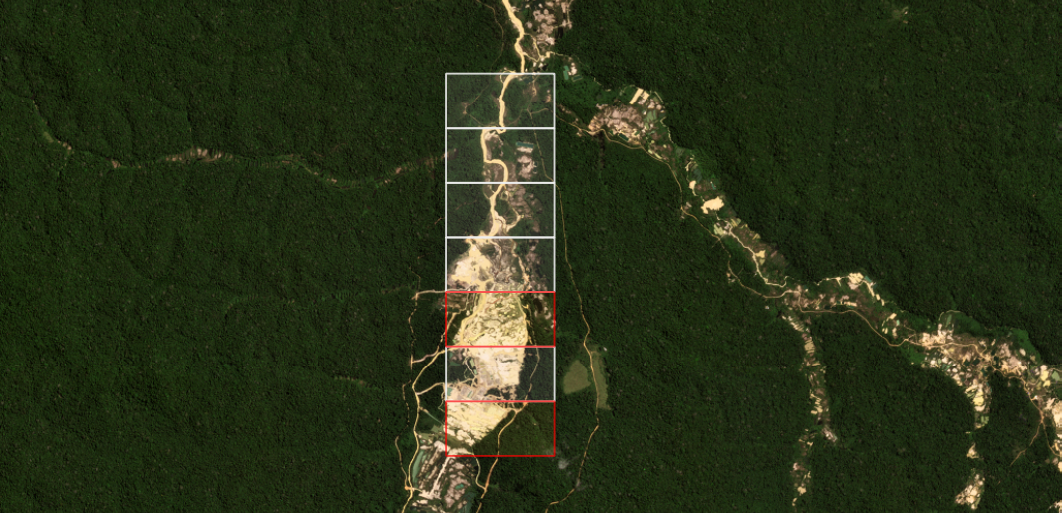
The two PLGs used by Minuano are part of a group of eight permits held by the cooperative inside the Tapajós APA. Seven of them are contiguous, extending along the Creporizinho River, a tributary of the Crepori and Tapajós rivers, which run through the conservation unit.
Satellite images show an operation functioning as an integrated whole, despite being formally divided into parcels of up to 50 hectares, the maximum area allowed for individual mining under an ANM resolution issued in 2025. As a result, the work falls under more permissive environmental rules, since each parcel has its own authorization and environmental license issued by the city government of Itaituba. This arrangement enables large-scale extraction under simplified requirements, and satellite images reveal that the mining has already altered the river’s course.
Minuano holds 15 PLGs in total, including the eight within the Tapajós APA, covering 2,200 hectares. According to ICMBio, the cooperative has requested authorization to operate inside the conservation unit, but the application remains under review.
Beyond Minuano’s PLGs, Gerson also holds mining permits as an individual. He recently obtained from the ANM the transfer of rights to conduct gold prospecting on a 3,200‑hectare area, also within the Tapajós APA. For that area, VEIO found that mining was already underway, yet no production had been reported to the regulator.
Despite mounting evidence and repeated warnings, the ANM continues to engage with suspicious actors in the sector. In March of this year, under the banner of expanding mining legalization in the region, the Pará state government backed the Legal Mining Expedition, an initiative supported by the mining agency and cooperatives.
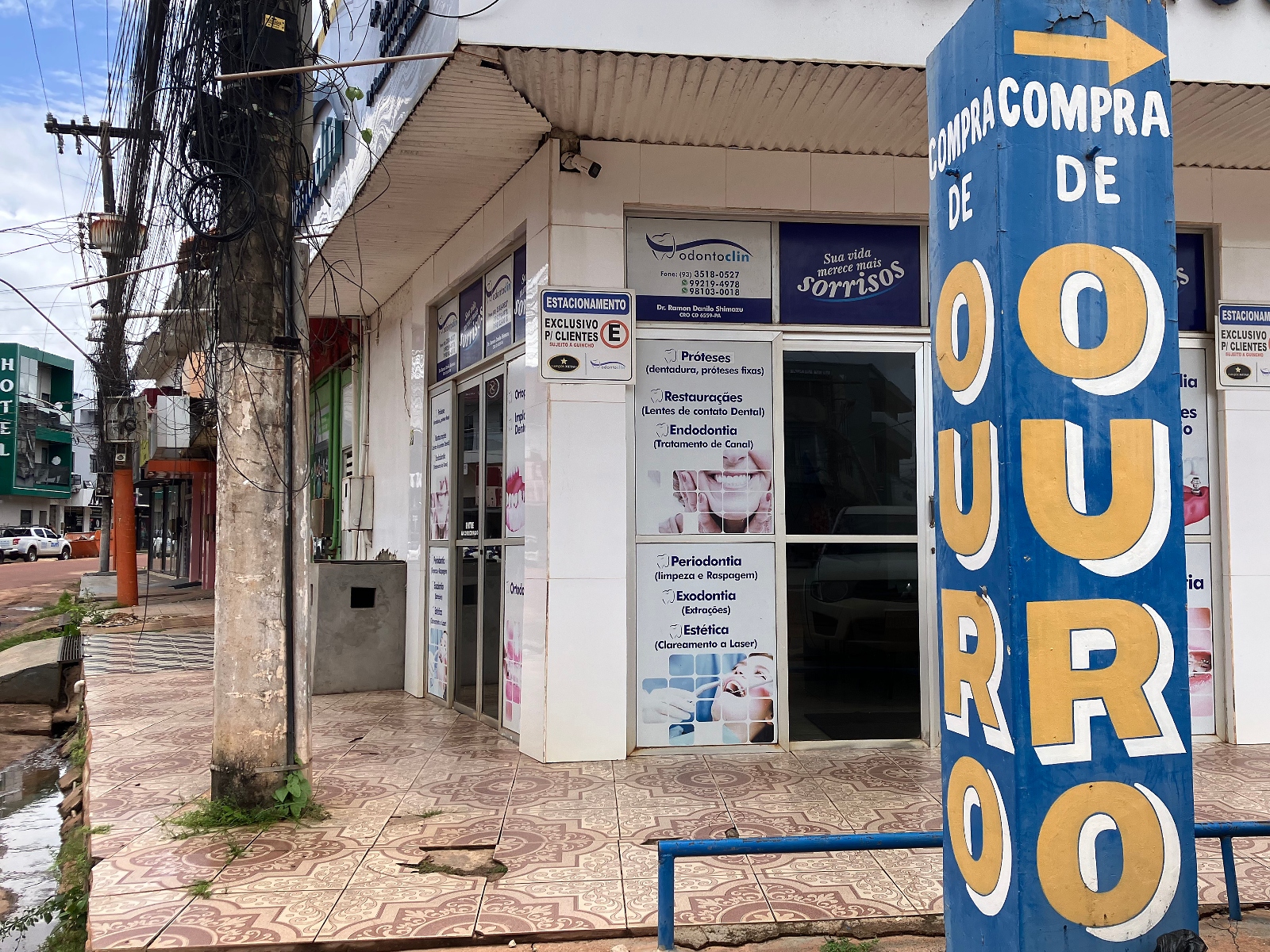
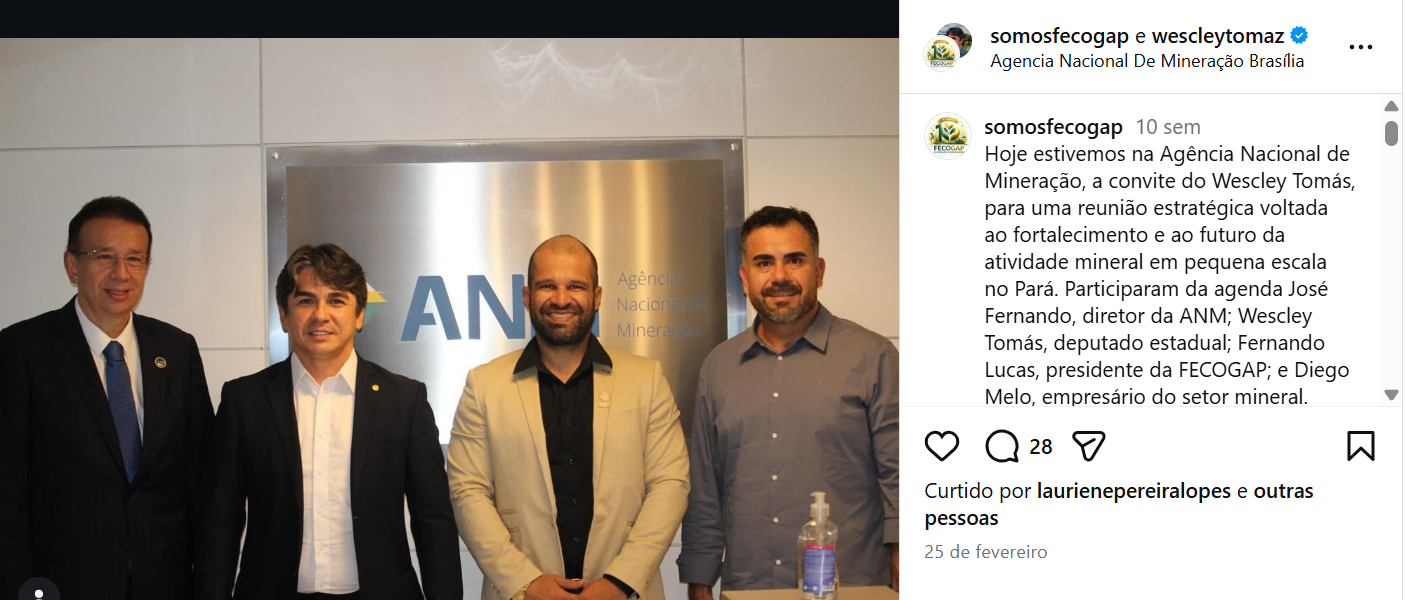
Diego de Mello, accused by the Federal Police of running the laundering scheme revealed in Operation Sisaque, attended a meeting in Brasília alongside ANM director José Fernando. The expedition held meetings in mining areas and opened channels to help legalize PLGs with applications already filed with the agency.
Mining concentrated in the hands of a few
There are currently 9,101 mining applications to exploit the Tapajós APA, including 6,255 PLGs. This report found that 21 individuals control more than half (3,382) of these applications. Some have declared gold production in more than 30 different PLGs, a situation the Federal Court of Accounts described as a “real circumvention of the area limits established by law.”
One such figure is lawyer José Antunes, who chairs the Environmental Law Commission of the Brazilian Bar Association in Itaituba and holds 162 PLGs of 50 hectares each within the conservation unit, more than 8,000 hectares in total.
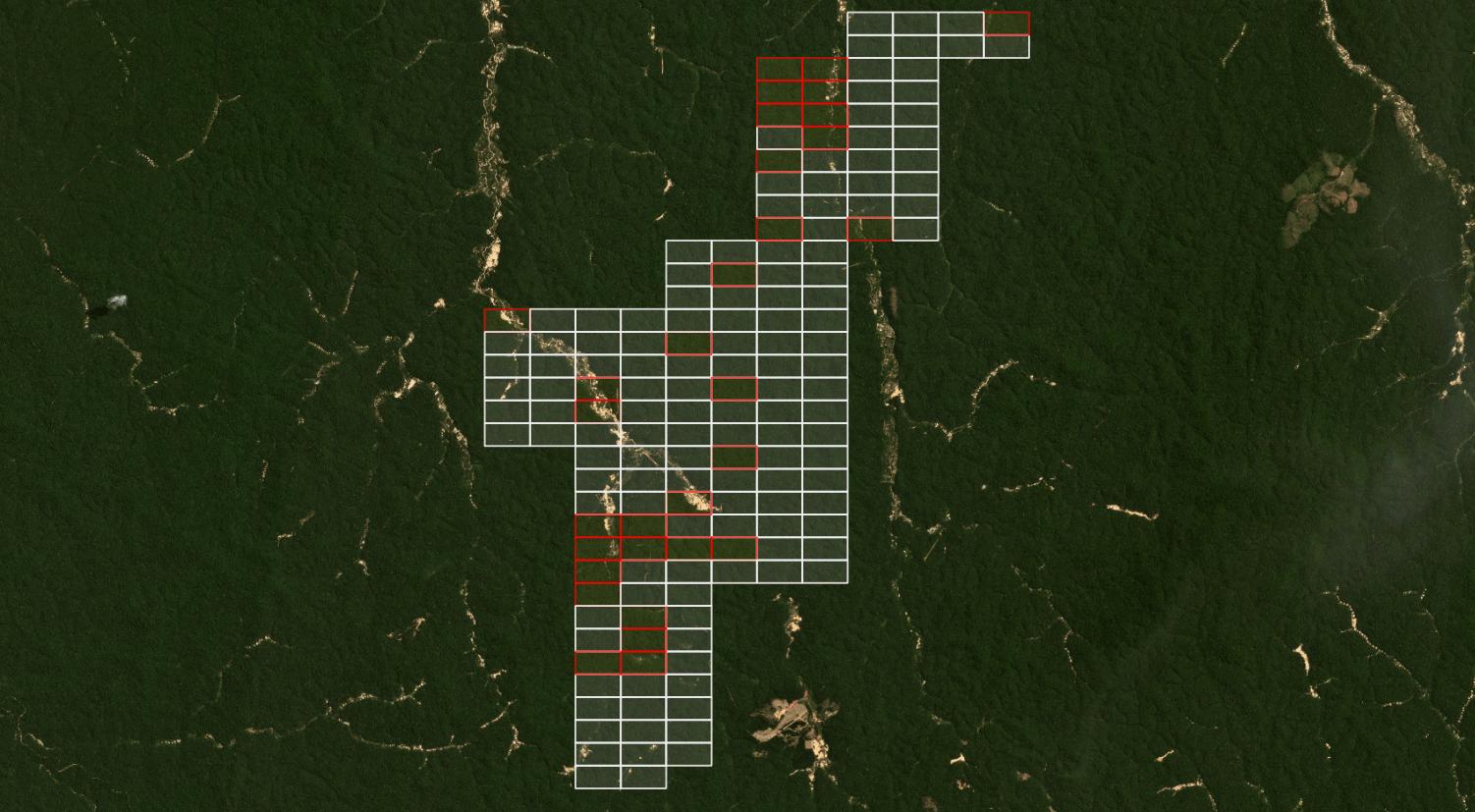
Between 2022 and 2023, Antunes reported $13 million (64 million Brazilian reais) in gold sales across 31 PLGs. In several of them, there is no evidence of mining activity; in others, the extraction appears to extend beyond licensed boundaries. In December 2024, inspectors from Ibama, Brazil’s environmental regulator, documented active, unauthorized mining in areas covered by Antunes’s PLGs, including illegal mercury use, river alteration, and deforestation in Permanent Preservation Areas (APPs).
Hot gold on the market, mercury in the body
Aleckson was born already contaminated with mercury. He has never walked, uses a wheelchair, and depends on his mother, Alnice, for nearly every task. Soon after birth, he was diagnosed with spastic tetraparesis, a neurological condition that causes weakness and muscle stiffness in his limbs. The disability was attributed to a lack of oxygen during a long and painful labor.
In his most recent test, Aleckson had 6.9 micrograms of mercury per gram of hair (µg/g) in his system, three times the upper safe limit of 2.3 µg/g defined by the World Health Organization and Brazil’s Ministry of Health.
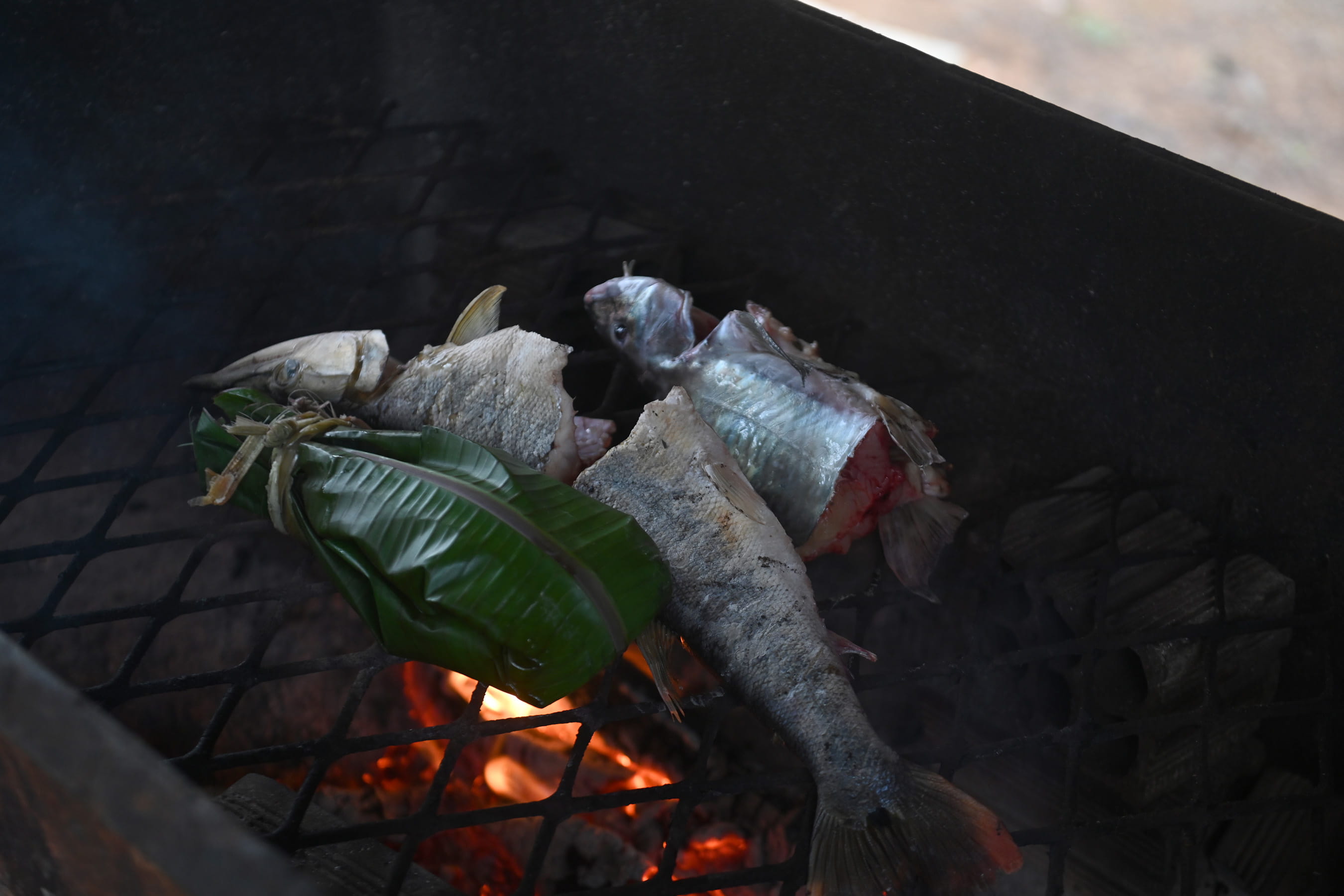
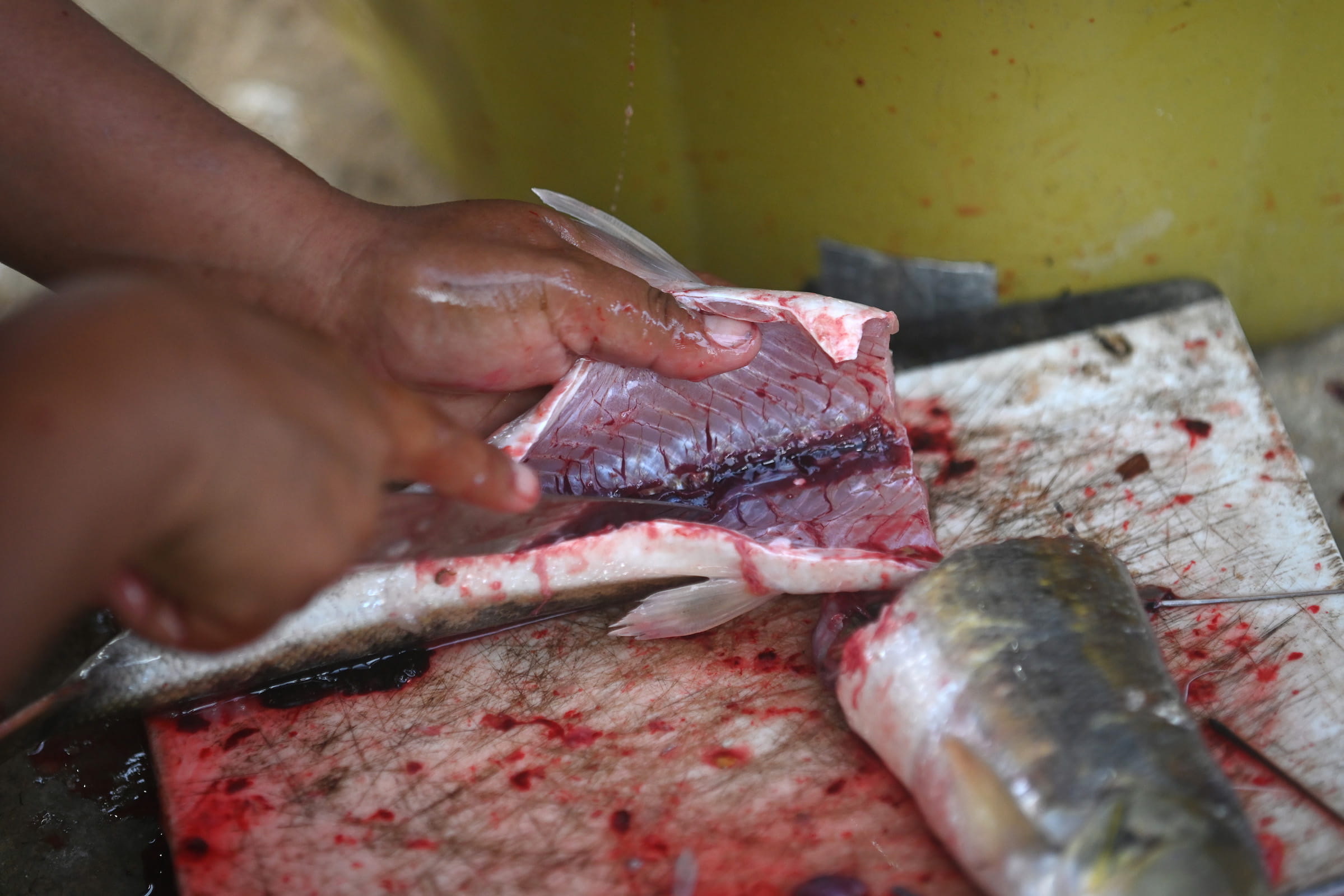
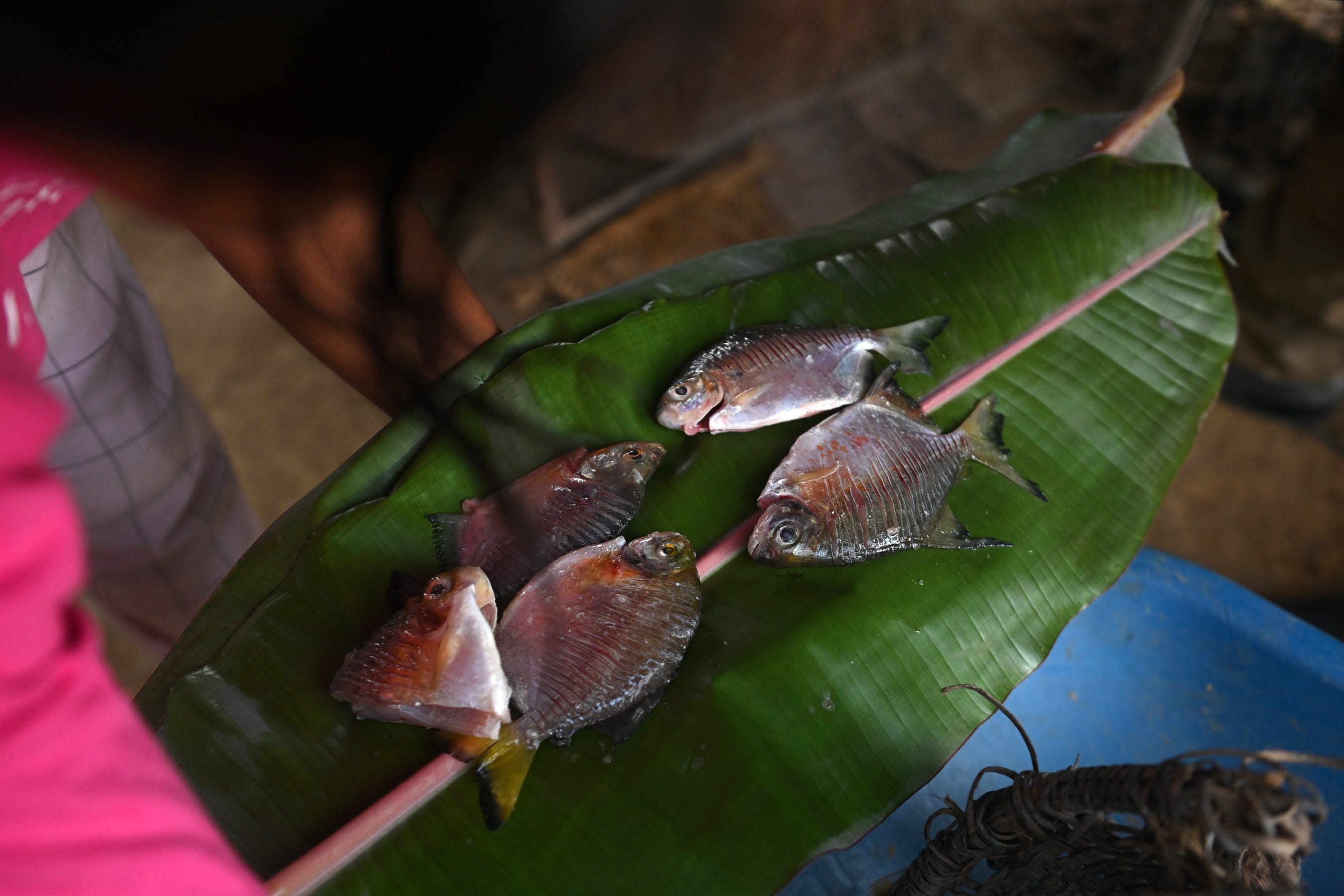
Indigenous residents prepare fish for a meal in the Sawre Muybu Indigenous territory. Luis Ushirobira/InfoAmazonia
“We eat fish almost every day. It’s very hard to change that, because this is how we were raised,” says Alnice, as her son devours a stew of surubim and barbado prepared by her sisters. In one of her tests, Alnice recorded 9 µg/g of mercury, more than four times the safe limit.
Researcher Isabela Freitas Vaz, from Fiocruz, has followed the case since the first tests. “The signs we’ve observed, not only in Aleckson’s case but in many children, point to a high-risk scenario,” she says.
Although a definitive causal link between mercury exposure and the observed clinical conditions has yet to be proven, researchers say the warning signs are consistent: people with high exposure levels exhibit indicators associated with the potential development of mercury-related diseases.
“The next step is to establish this causal connection between contamination levels and the symptoms we are seeing, so it can guide public policy,” explains Isabela Vaz.
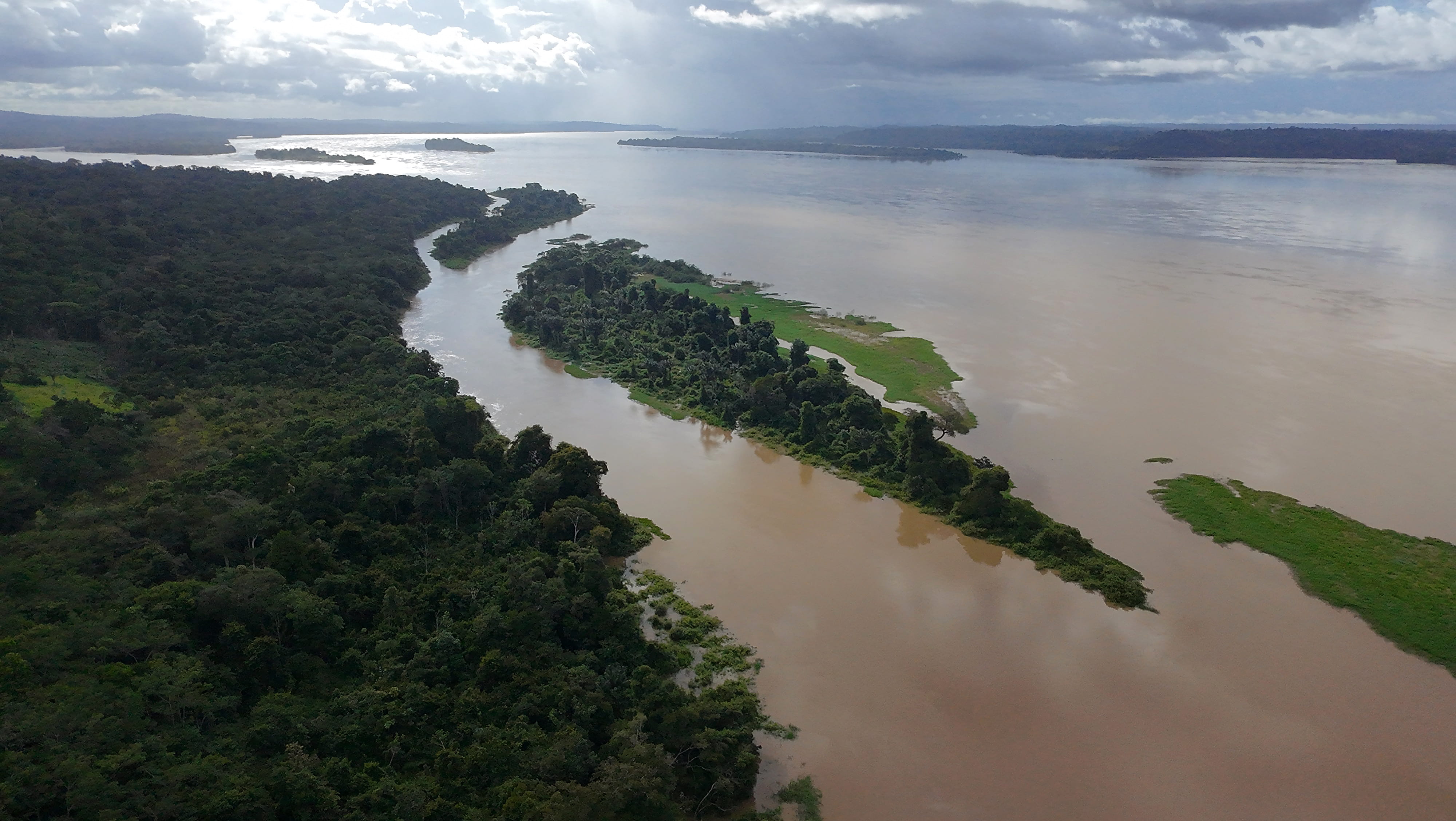
The Tapajós basin lies in western Pará state, extending into northern Mato Grosso and southern Amazonas. It consists of the Tapajós River and major tributaries such as the Jamanxim, Teles Pires, and Juruena, which converge toward Santarém. Mining is concentrated in the Tapajós Gold Province, centered on Itaituba and including Jacareacanga and Novo Progresso. This area is home to Brazil’s largest active mining front.
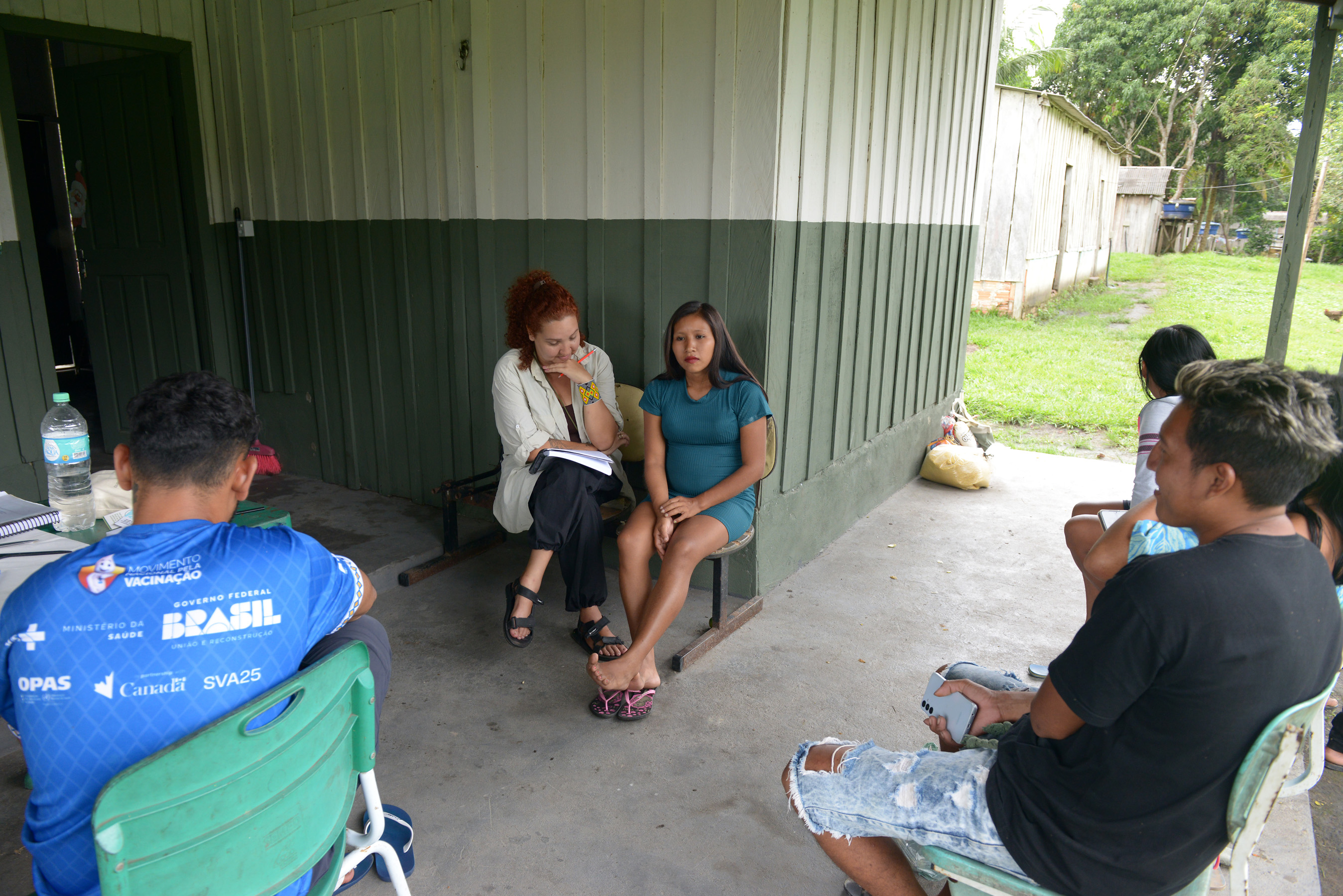
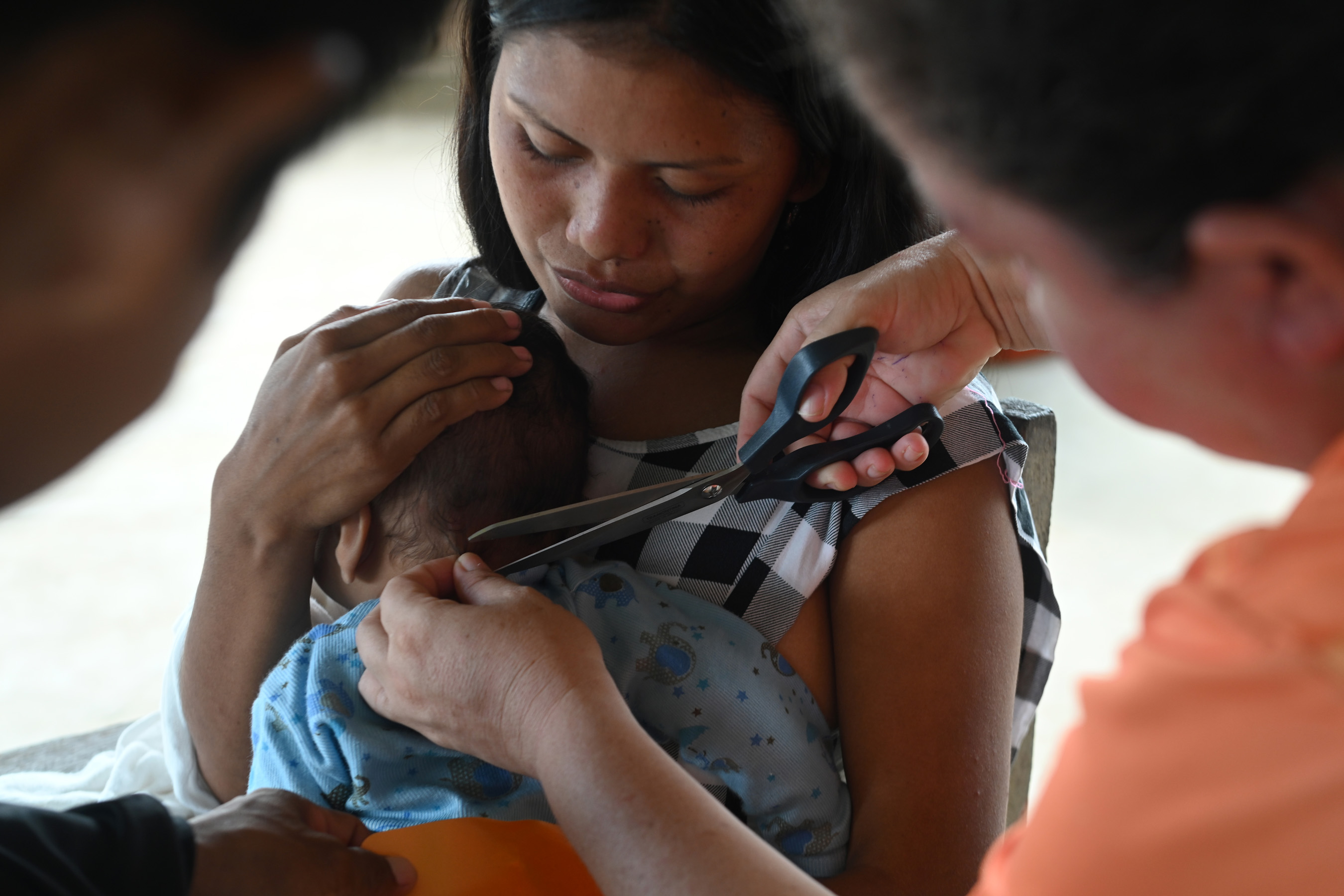
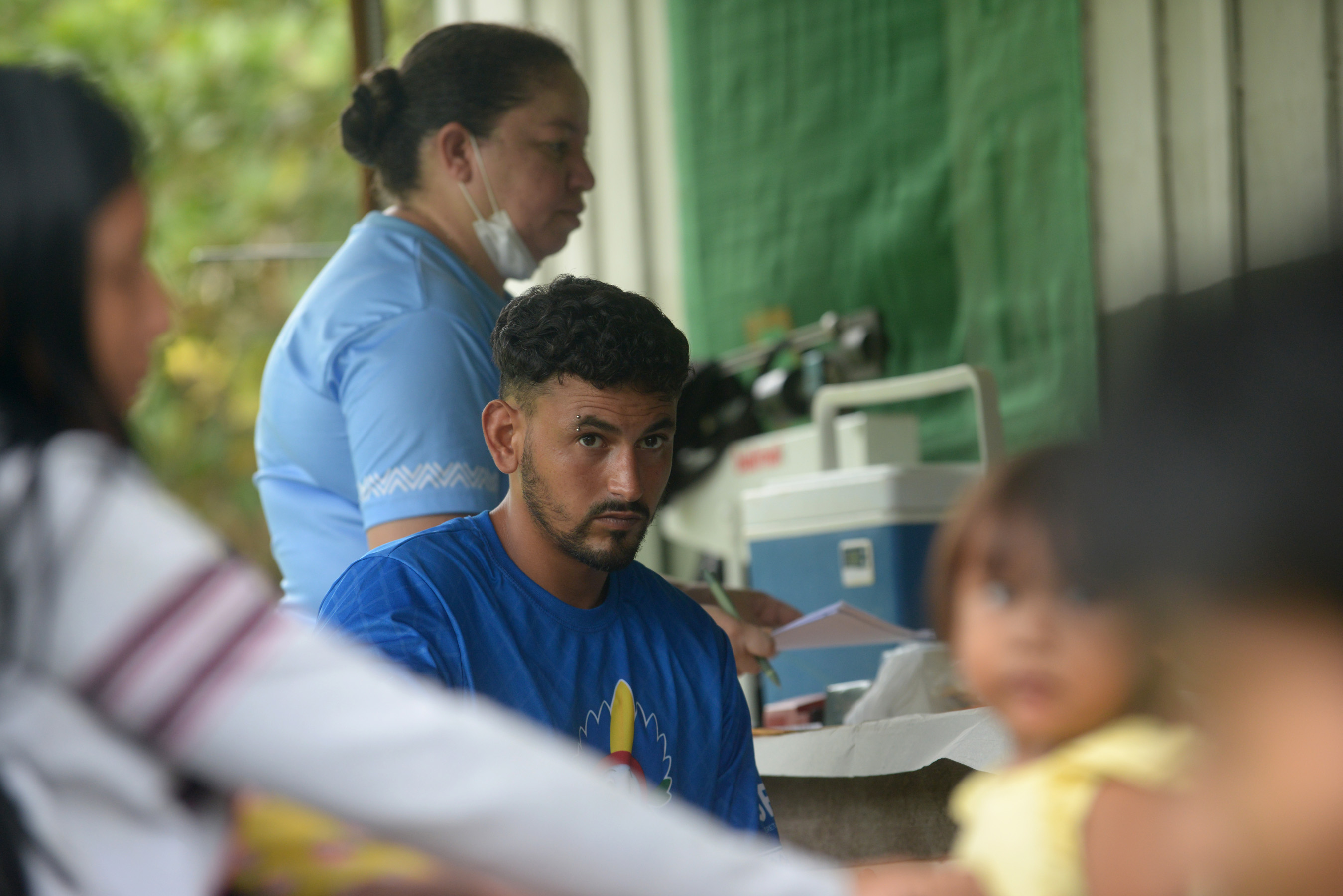
In February, InfoAmazonia traveled along stretches of the rivers feeding the basin and accompanied Fiocruz researchers as they collected samples from pregnant women and newborns of the Munduruku people.
The researchers are investigating how mercury contamination in the Tapajós may be linked to Minamata disease, a severe neurological syndrome caused by acute exposure to methylmercury, the metal’s most toxic form.
Identified in the 1950s in Minamata, Japan, the disease struck thousands who were acutely poisoned by large volumes of industrial mercury waste dumped into the fishing bay. Many victims were left with lifelong impairments, and more than 900 died.
Unlike the disaster in Minamata, scientists say contamination in the Tapajós occurs slowly and persistently. It is chronic rather than sudden, and its effects can take years to appear.
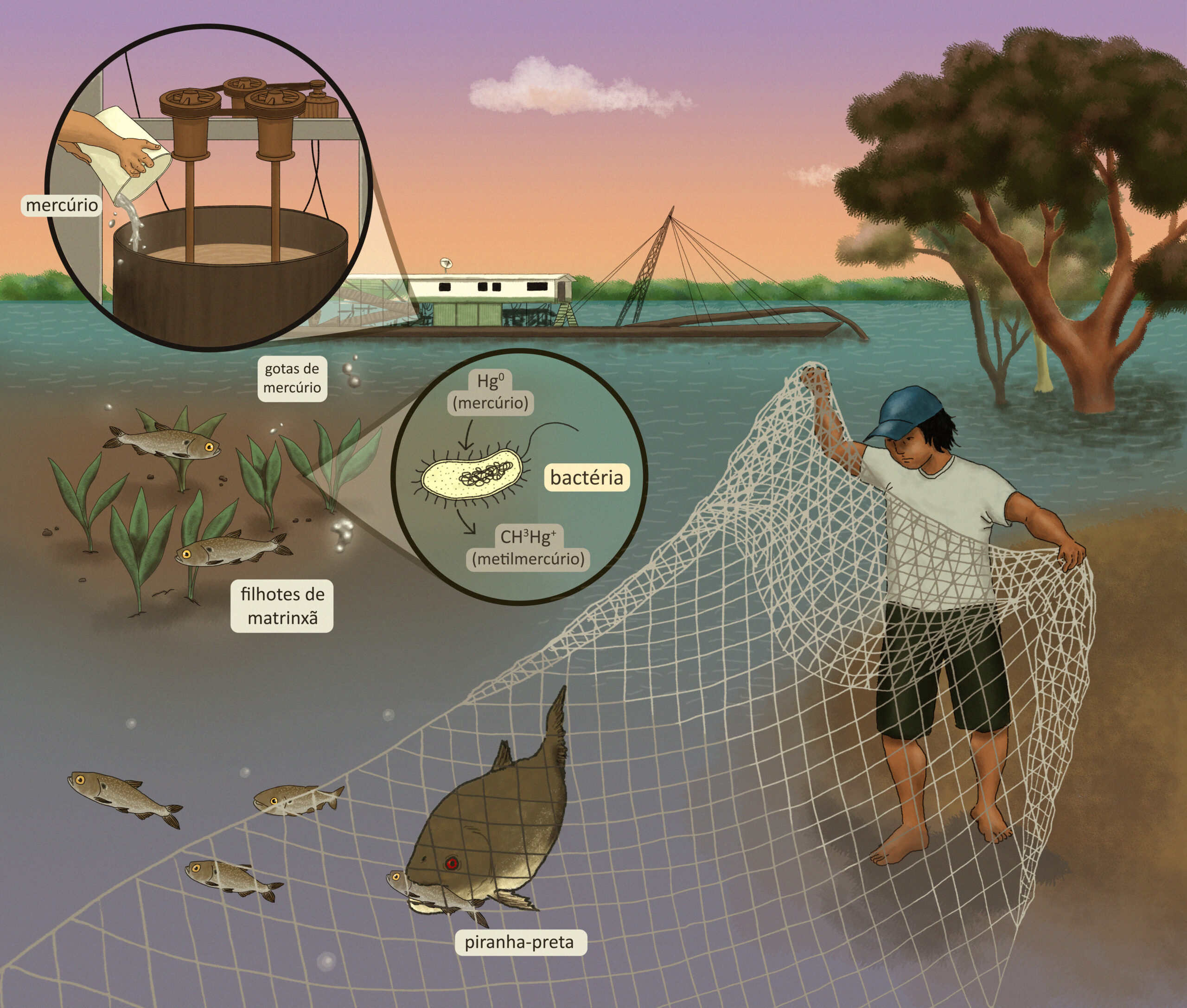
“The main source of contamination in the Amazon today is fish consumption. The mercury used in mining enters the river, becomes organic [methylmercury], and accumulates in the food chain,” says Pedro Basta, an analyst with the Special Secretariat for Indigenous Health and a member of the Longitudinal Study of Indigenous Pregnant Women and Newborns Exposed to Mercury in the Amazon.
Because the metal accumulates over time, it remains in the environment for decades, even in places where mining has ceased. In the Tapajós basin, it is most concentrated in carnivorous fish such as barbado, surubim, and tucunaré, species widely consumed by local communities.
Since 2019, when studies began in some villages, nearly half of the children examined have shown heavy metal levels above the safe limit. Among pregnant women, concentrations reach up to five times the recommended threshold, passing the substance to the fetus. “Mercury causes irreversible brain damage. It can cause tremors, numbness, muscle weakness, and long-term neurological problems,” says Basta.
The most significant harm may not be visible deformities but progressive neurological impairment, including delayed development, cognitive difficulties, and reduced learning capacity. For those with levels above 6.9 µg/g, considered high risk, the recommendation is to reduce fish consumption. In practice, that means altering the dietary foundation of entire communities.
Luis Ushirobira / InfoAmazonia
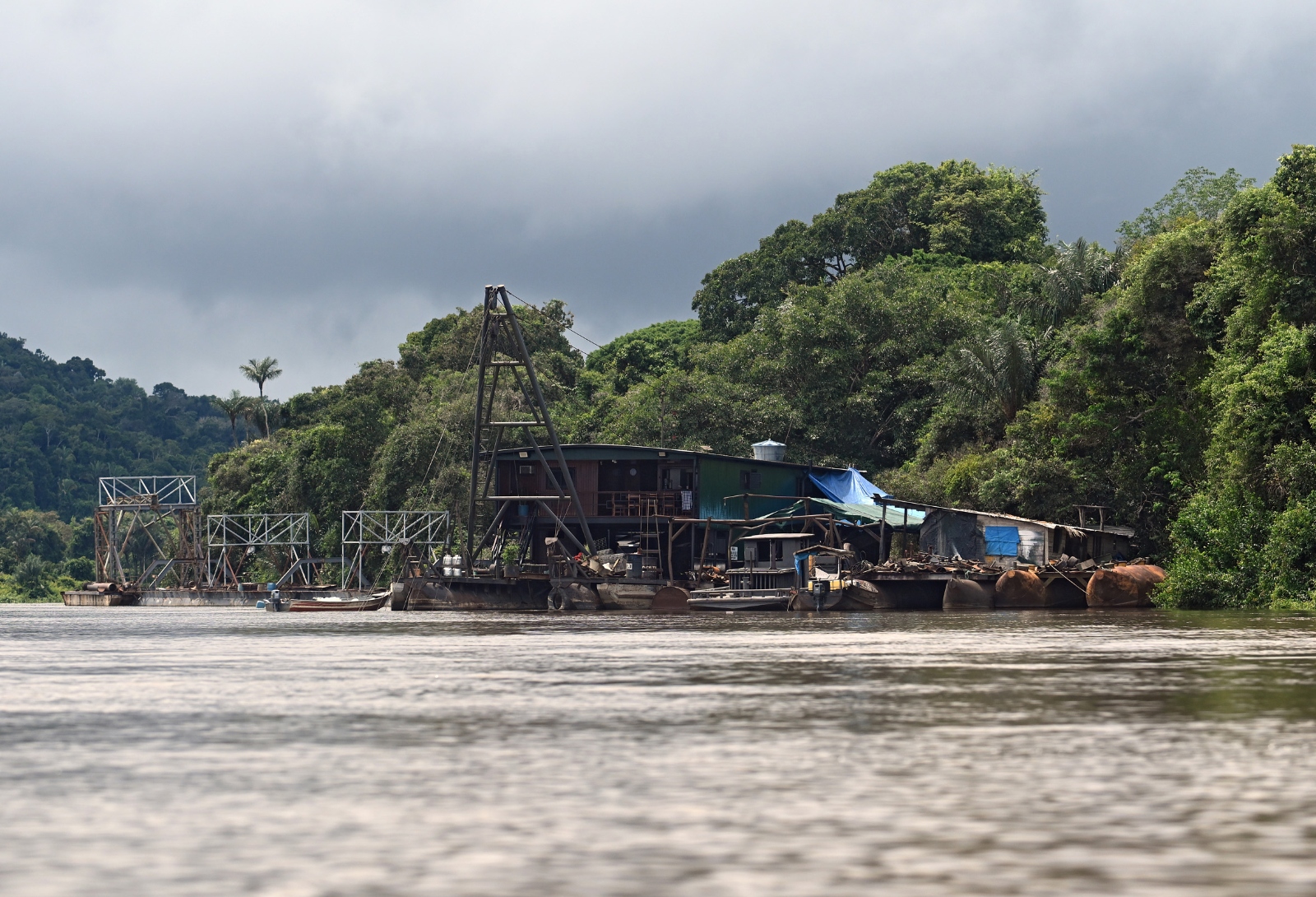
In the Tapajós between the Sawré Muybu and Sawré Bap’in Indigenous lands, the water no longer retains its natural color. When we visited in February, a dozen mining rafts churned the river’s emerald green into a murky brown, five operating within a 6,700-hectare PLG authorized by the National Mining Agency (ANM) for the Cooperativa dos Garimpeiros da Amazônia, or Coogam. One raft worked less than a kilometer from the Daje Kapap village.
The area Coogam exploits along this stretch of the Tapajós forms a kind of barrier between the two territories, where the noise and movement of the mining barges are nearly constant. According to ANM records, the cooperative’s PLG authorization (850.796/2009) expired in January 2025; its environmental license expired in June 2024 and was resubmitted only early this year. Even so, the barges continued operating. ANM scheduled a task force to inspect this and other PLGs on the Tapajós, but says the inspection never occurred because of a lack of funds.
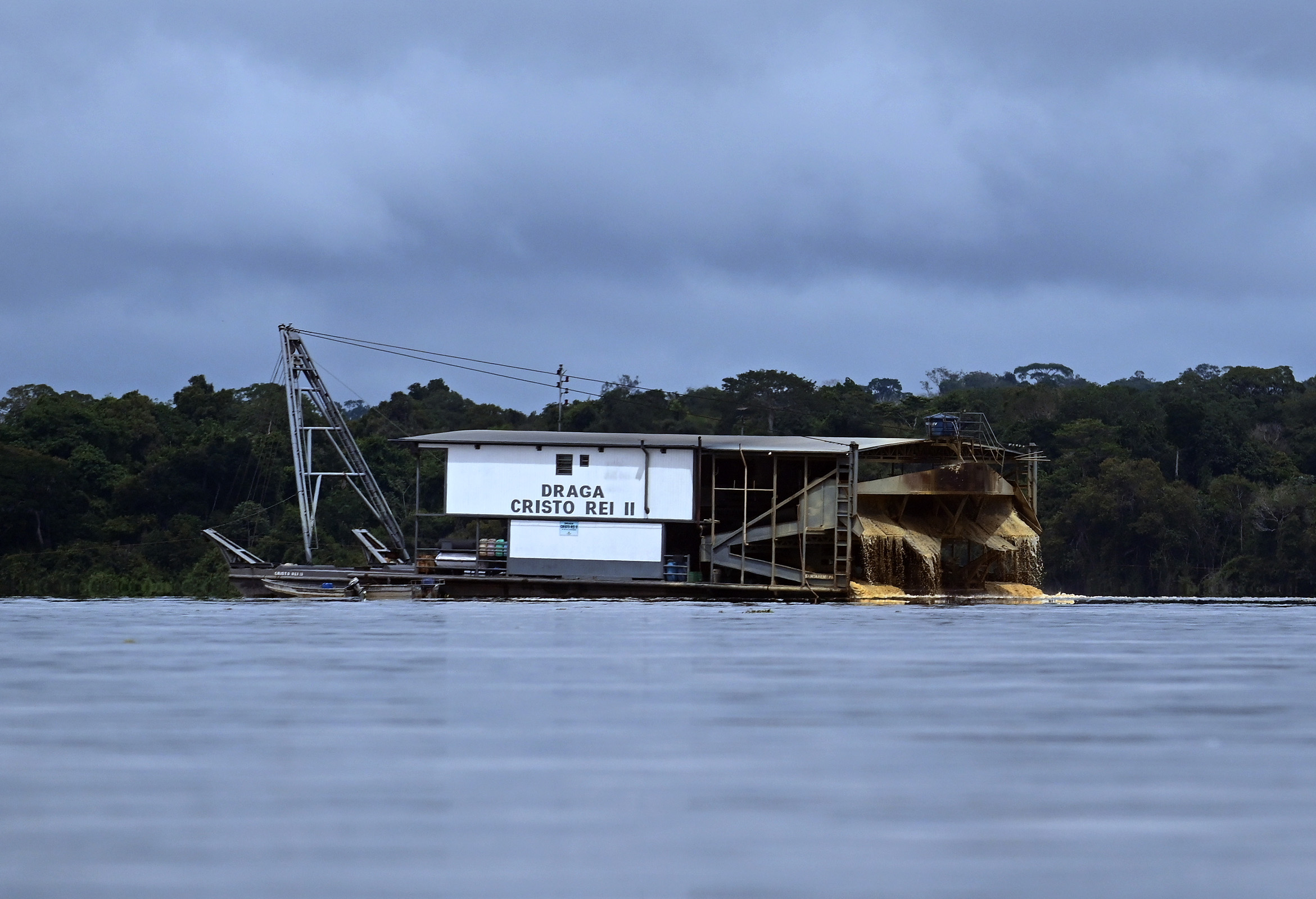
Between 2022 and 2026, this PLG reported $5.49 million (R$27 million) in gold sales. Coogam holds 32 PLGs in the Tapajós region and has declared $22.97 million (R$113 million) from seven of them over the past five years.
‘Regulatory permissiveness’
In December 2024, the Federal Prosecutor’s Office (MPF) filed a public civil action seeking to suspend all mining permits within the Tapajós Environmental Protection Area (APA). According to Federal Prosecutor Gilberto Batista Naves Filho, who filed the lawsuit, the permits were issued without prior ICMBio analysis, a requirement explicitly stated in Article 17 of Law 7.805/1989 for activities in conservation units.
“We are facing an evident lack of mercury control, an unacceptable risk for rivers and public health, especially for Indigenous and vulnerable populations who depend on the region’s rivers for their survival,” Naves Filho states in the civil action.
ICMBio told InfoAmazonia that mining activities within the Tapajós APA require prior authorization from the environmental agency, which has not been granted in most cases.
The result, according to the MPF, is an ongoing environmental collapse. With 83,000 hectares already affected, an area larger than New York City or Chicago, the Tapajós APA has become Brazil’s federally protected area most heavily degraded by mining, according to MapBiomas data compiled by Greenpeace at InfoAmazonia’s request.
ICMBio reports that at least 829 PLGs have been authorized by ANM within the Tapajós APA without any review by the management body. ANM interprets the law differently and argues in the MPF lawsuit that environmental authorization is required only when exploration begins, not when permits are issued.
For the MPF, this interpretation nullifies environmental oversight and turns mining permits into tools that give a veneer of legality to illegally extracted gold. The agency describes ANM’s actions as “merely notarial,” issuing permits without assessing environmental feasibility or the cumulative impacts of hundreds of mining fronts.
The lawsuit seeks $20.33 million (R$100 million) in collective moral damages from the ANM. After an unsuccessful conciliation hearing in March, the case awaits a ruling from the Federal Court.
The Federal Court of Accounts reached similar conclusions. In an audit completed in July 2025, the court identified “regulatory permissiveness” and systemic failures in oversight of the gold supply chain. The report notes that ANM’s omissions enable PLGs to launder illegal gold and artificially fragment areas, making large-scale operations viable under rules intended for small-scale mining.

The court ordered ANM to cancel irregular authorizations within 90 days. That deadline has passed.
On the ground, the pattern repeats. Between December 2024 and January 2025, Ibama ordered the suspension of 342 PLGs in the Tapajós APA after an operation against illegal mining. Inspectors found multiple violations, including lack of ICMBio authorization, destruction of vegetation, mining in permanent preservation areas, and extensive mercury use.
For Ibama’s director of environmental protection, Jair Schmitt, the issue goes far beyond isolated violations. Even permits considered “regular,” he says, contain structural illegalities, from municipal-level licensing, contested by the federal agency and MPF, to lack of meaningful environmental oversight.
“There is no mercury legally available for mining in Brazil today,” Schmitt says. “For this reason, even PLGs considered regular are not, because there is likely no lawful mercury available for their operations.”
Ibama estimates that producing one gram of gold requires roughly one gram of mercury. But after the Minamata Convention took effect in 2017, Brazil stopped importing the substance and sharply restricted its use. According to Schmitt, this means the current scale of mining cannot be reconciled with any legal scenario.
Although the agency claims it has no authority over the need for prior authorization for exploration in the Tapajós APA, it has begun notifying PLG permit holders within the conservation unit that they must secure ICMBio approval before starting exploration. Still, there is no news of any permits operating within the conservation unit being revoked.
The management plan for the Tapajós APA, in development since 2020, is expected to be completed this year. The proposal includes creating zoning areas within the territory, including an urban-industrial zone, the largest in the unit, to organize landscapes already heavily degraded by mining and deforestation, where ICMBio says there may still be potential for mining. The plan’s drafting has been marked by pressure from groups linked to the mining sector, pushing to formalize the activity within the conservation unit, a move environmentalists criticize because of its environmental and social impacts.
‘Water becomes like milk’
In September 2025, the Public Prosecutor’s Office in Santarém recommended annulling 15 PLGs granted in areas adjoining the Sawré Muybu, Sawré Bap’in, Munduruku, and Sai-Cinza territories, including the Coogam PLG documented during our February reporting trip.
According to the MPF, these permits were issued without prior consultation with Indigenous communities, as required by International Labor Organization Convention 169. The agency also notes that barge and mining operations near the villages violate measures ordered by the Inter-American Court of Human Rights to contain mercury contamination. “It is unacceptable for state-licensed projects to inflict the same harm on Indigenous people as illegal mining,” prosecutor Thais Medeiros da Costa wrote in a recommendation sent to ANM in September 2025.
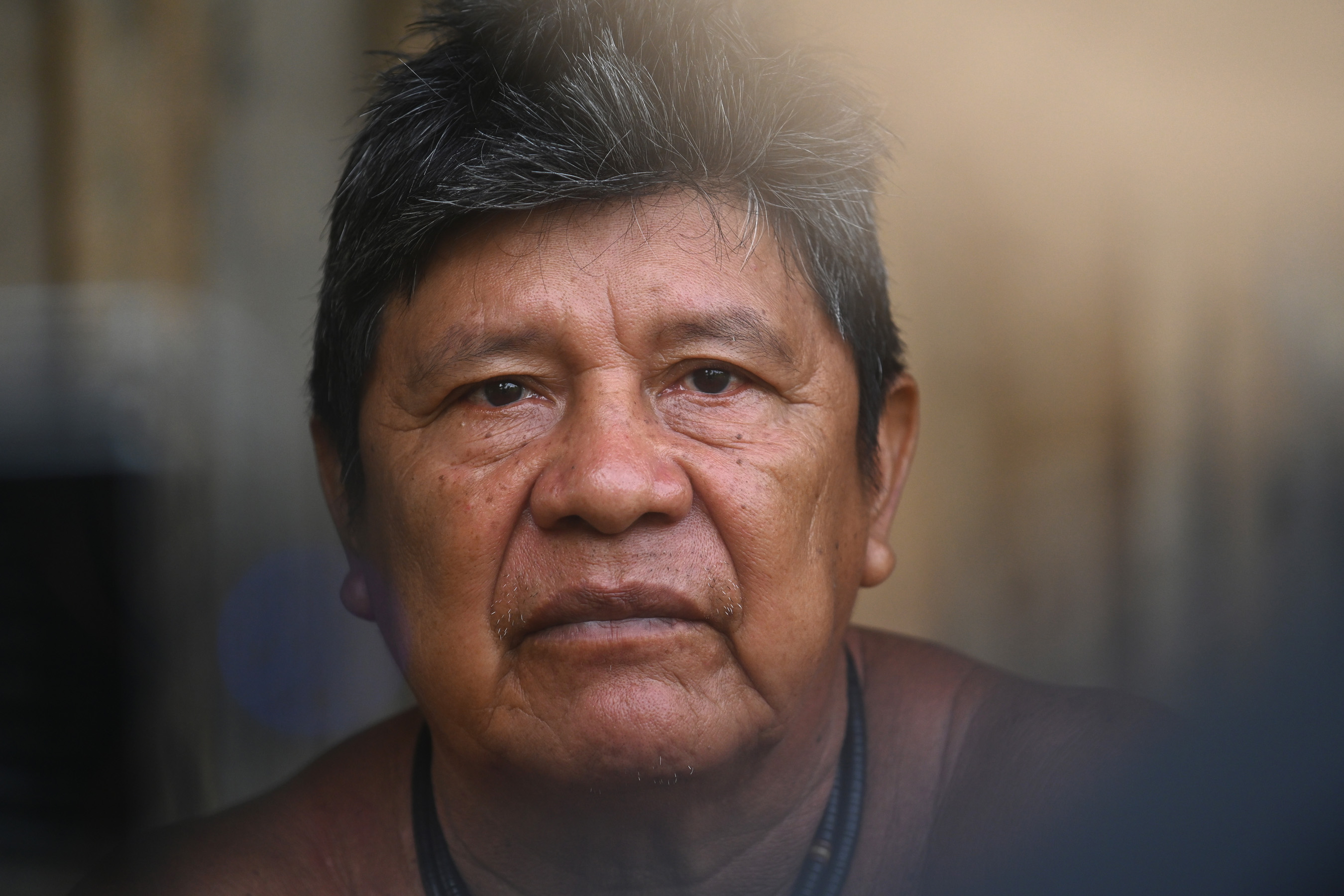
“When the prospectors arrive and start working, the water becomes like milk,” said Chief Juarez Saw Munduruku of the Sawré Muybu Indigenous Land. “We can’t bathe anymore; it causes itching. It used to be joyful; children played along the riverbank. Today that’s over,” he says.
According to the chief, mercury exposure has become part of daily life for families, with symptoms resembling those researchers are investigating as possible effects of poisoning.
“My son’s contamination level has reached the limit. He already feels numbness in his legs and arms. We keep wondering … could this be what’s causing these symptoms?” the chief asks.
Deivison Saw Munduruku, the chief’s son, is among the cases with the highest contamination levels recorded by researchers, nearly 10 times above the safe threshold.
Aldira Akai Munduruku, deputy coordinator of the Pariri Indigenous Association and a teacher in Sawré-Muybu village, believes contamination may be linked to some children’s learning difficulties. “We notice that some children struggle to learn, and this is not normal,” she says.
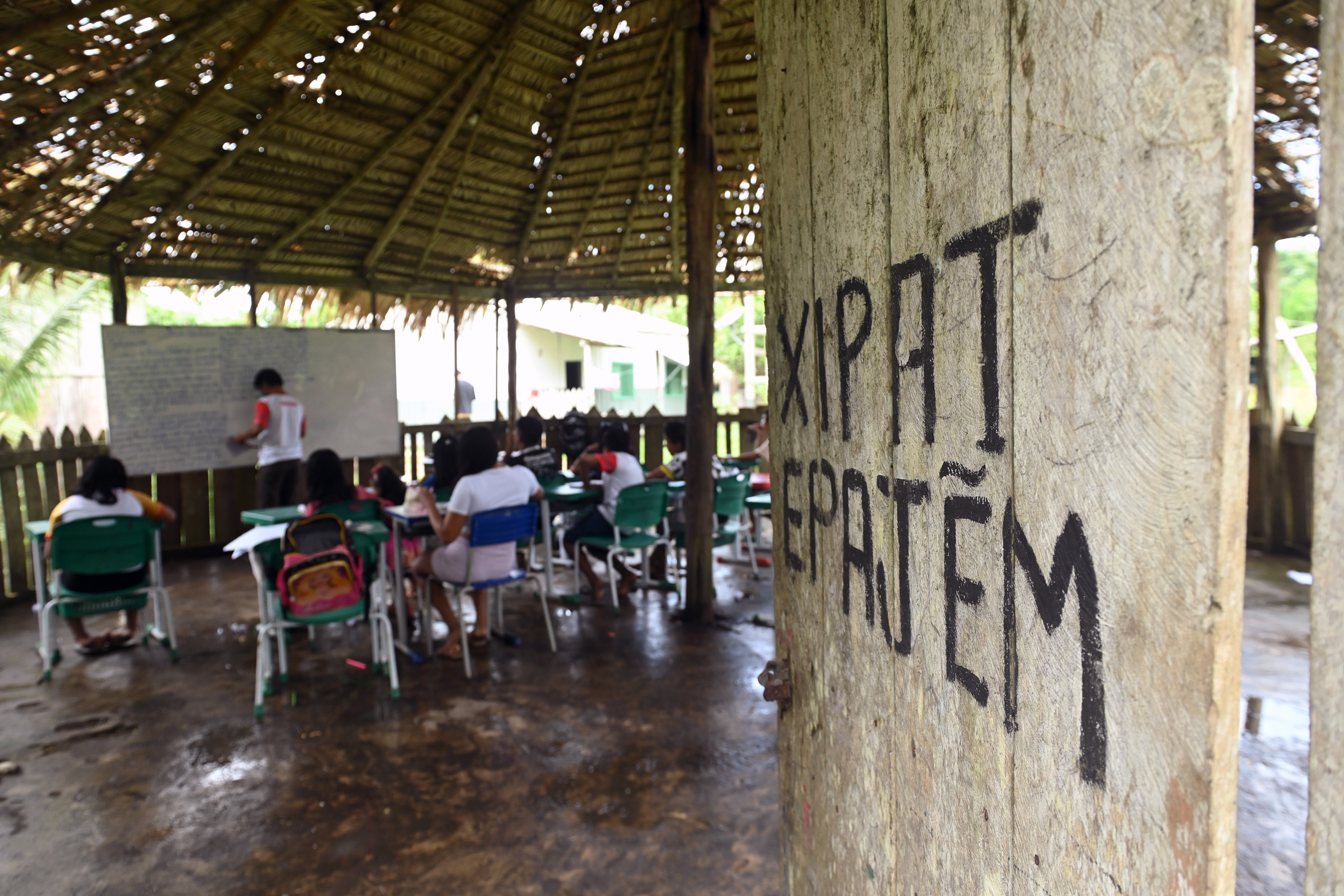
In 2019, the Pariri Association approached researcher Paulo Basta — the father of analyst Pedro Basta and coordinator of Fiocruz’s “environment, diversity, and health” research group — after the death of environmentalist Cássio Beda, who had lived among the Munduruku and developed a severe neurological condition. While mercury poisoning has not been confirmed as the cause, the physician who treated him noted the possibility of “secondary motor neuron disease and mercury intoxication” in a July 2017 report, as reported by Repórter Brasil.
“We monitor the results and try to warn people. But it’s not only the Munduruku who can change this. We need more effective public policies,” Aldira says.
Among the Indigenous residents interviewed, suspected miscarriages, numbness in the limbs, memory lapses, and tremors appeared frequently, symptoms the medical literature associates with high mercury levels.
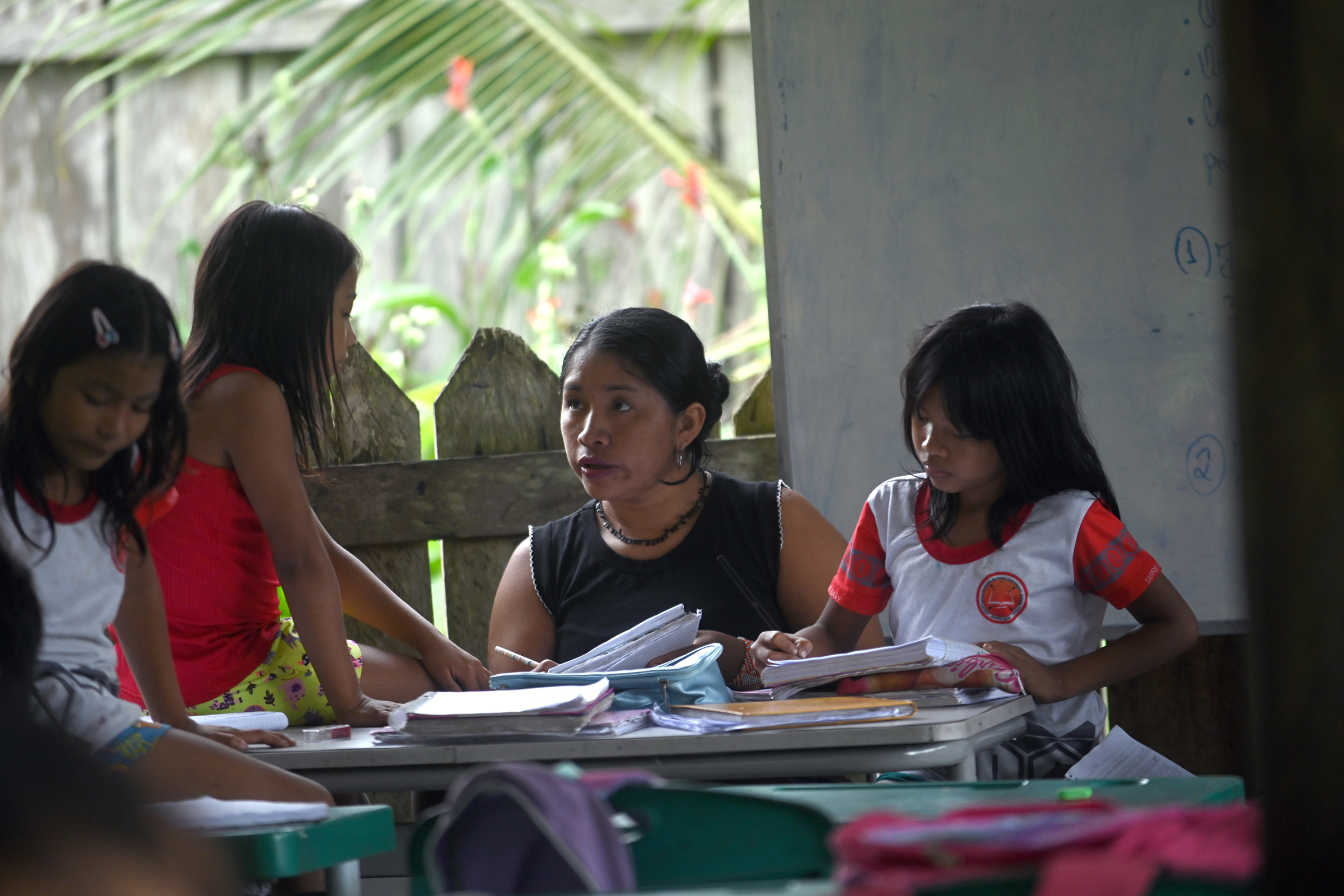
For Paulo Basta, who coordinates research in the region and is working to determine which symptoms are linked to mercury exposure, one conclusion is clear: continual exposure, combined with precarious living conditions in the villages, creates extreme vulnerability. In this setting, he says, mercury exacerbates existing inequalities, hindering child development and shaping the entire life trajectory of affected populations.
“A child with mental deficits today becomes an adult with mental deficits tomorrow. They will struggle in school and later in the job market,” Basta explains.
Paradoxically, when the Tapajós River swells during the Amazon’s winter rains, access to water becomes even more limited. As the river floods, contamination spreads into the streams supplying the villages, bringing mud and mercury.
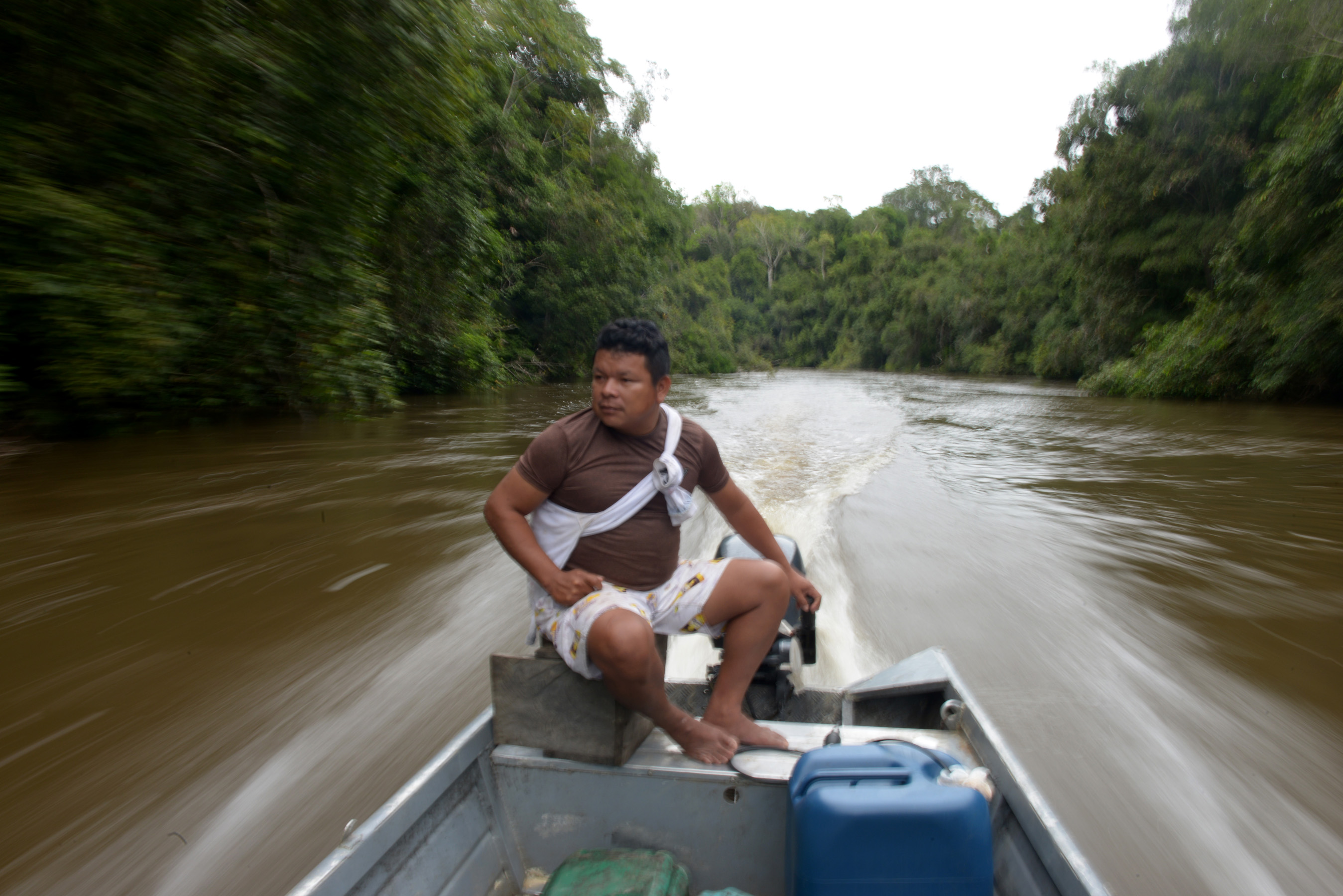
On February 13, a federal court ruling underscored the severity of the health crisis in the Tapajós, ordering the federal government to provide drinking water to Indigenous communities and recognizing the structural abandonment aggravated by mining-related contamination.
The National Mining Agency (ANM) stated that PLGs with environmental licenses are considered valid and that it is not the agency’s role to “question the validity of the documentation submitted,” saying it relies on licenses issued by other authorities. Regarding the Tapajós APA, the agency acknowledged the requirement for ICMBio approval and said it is working to identify and regularize permits lacking it. The agency maintains it is not responsible for identifying illegalities because it received the licenses “in good faith.”
On the issue of irregularities, ANM said it does not authorize mercury use in PLGs. It acknowledged knowing of evidence of the laundering of gold, a practice linked to weaknesses in the self-declaration system, and said it uses inspections, data cross-checking, and satellite monitoring to detect inconsistencies between explored areas and reported production.
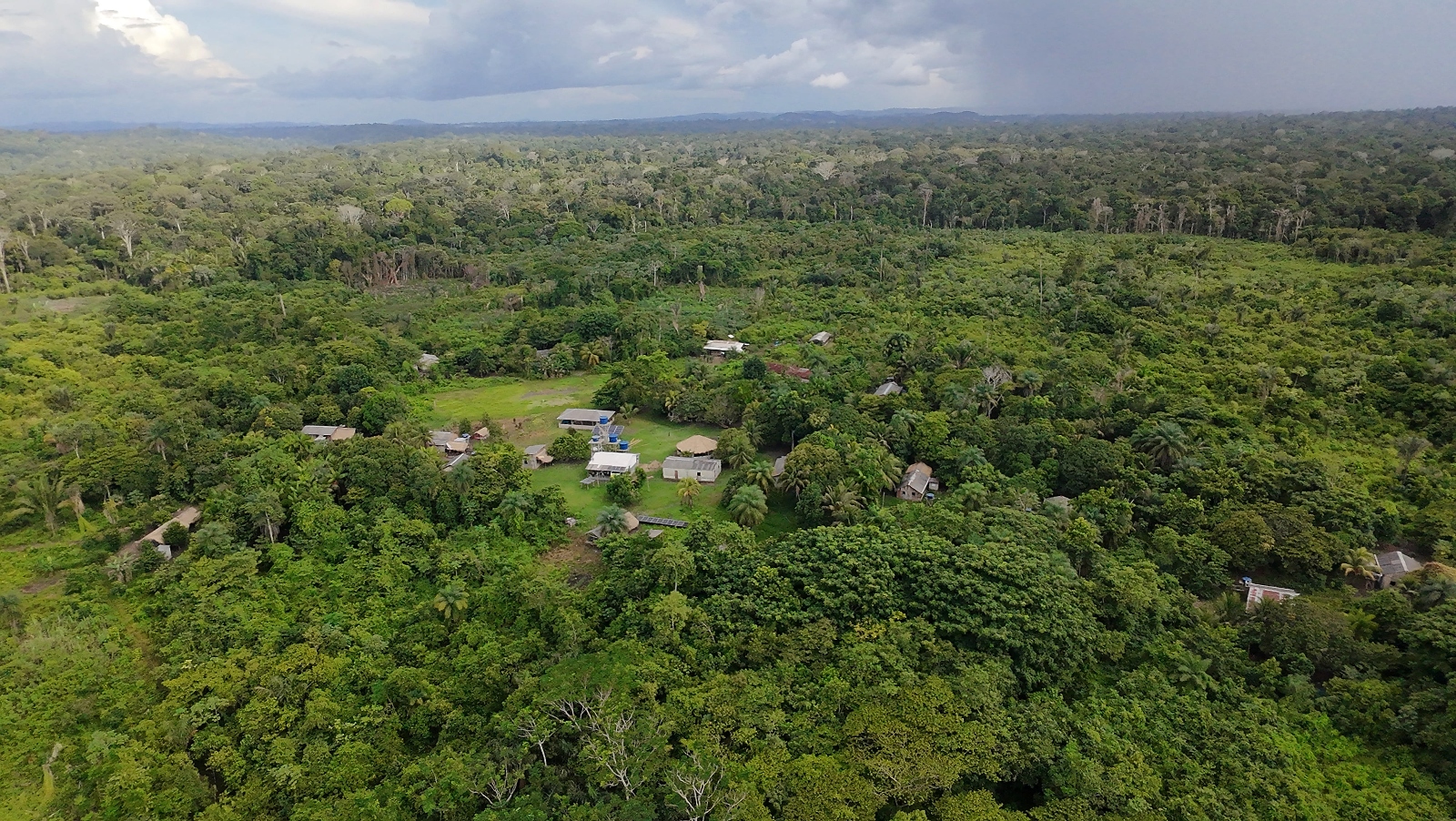
“There are ongoing administrative investigations, some confidential, others public, into indications of irregularities in the gold production chain, including possible cases of laundering,” the ANM stated.
The agency also said it has discussed prior consultation with Indigenous peoples but noted there is no automatic ban on mining within 10 kilometers of Indigenous lands, considered a direct-impact zone. In a statement to InfoAmazonia, it said it had no knowledge of the so-called “Legal Mining Expedition,” supported by the Pará state government, and did not comment on the meeting between representatives of the initiative and one of its directors.
The report also contacted Coogam president Tânia Oliveira Sena, who declined to be interviewed. We also reached out to the defense of Nelson Selzler, who declined to comment on his mention in the Federal Police investigation and the activities of the Minuano Cooperative in the Tapajós APA. The report was unable to reach Gerson Harlei Selzler, Diego de Mello, or his wife, Lillian Rodrigues Pena Fernandes.
Lawyer José Antunes has contested oversight authorities’ findings that no signs of mining were present in the PLGs where he declared production. He argues that the satellite images used to reach this conclusion “are not reliable for the Tapajós biome.” He also disputes the irregularity arising from lack of ICMBio authorization, saying his operations were licensed by Pará’s state environmental agency. Regarding the concentration of PLGs, Antunes claims it “represents almost nothing compared to the area of the Tapajós APA” and insists they “are all fully up to date.”
Responding to Ibama’s citations for illegal mercury use in the area of his PLGs, Antunes said in a statement that the violations “were committed by miners who have no link to me, as they themselves stated.” He also criticized what he called sweeping generalizations in the investigations and argued for greater legal certainty for the sector, insisting he acts in good faith and within the law.
For Danicley Aguiar of Greenpeace, the state’s failure to address the region’s economic dependence on mining ensures the activity will continue to thrive, even under a veneer of legality, while inflicting ongoing environmental and social harm.
“Mining violates human rights in a widespread and systematic way. How can the state tolerate such an activity? How can it claim this is essential for regional development?” he asked. For the Munduruku, the distinction between “legal” and “illegal” areas does little to change daily life. Mining continues to contaminate the river, and the river remains the center of their existence.
Methodology
1 of 1Translated from the Portuguese original by Matt Sandy.
This investigation was carried out with support from the Global Initiative Against Transnational Organized Crime (GI-TOC).
This story was originally published by Grist with the headline The Brazilian government keeps giving out mining licenses in the Amazon – in spite of evidence of gold ‘laundering’ on May 14, 2026.