The $24 billion of frozen Iranian assets standing between Trump and a peace deal
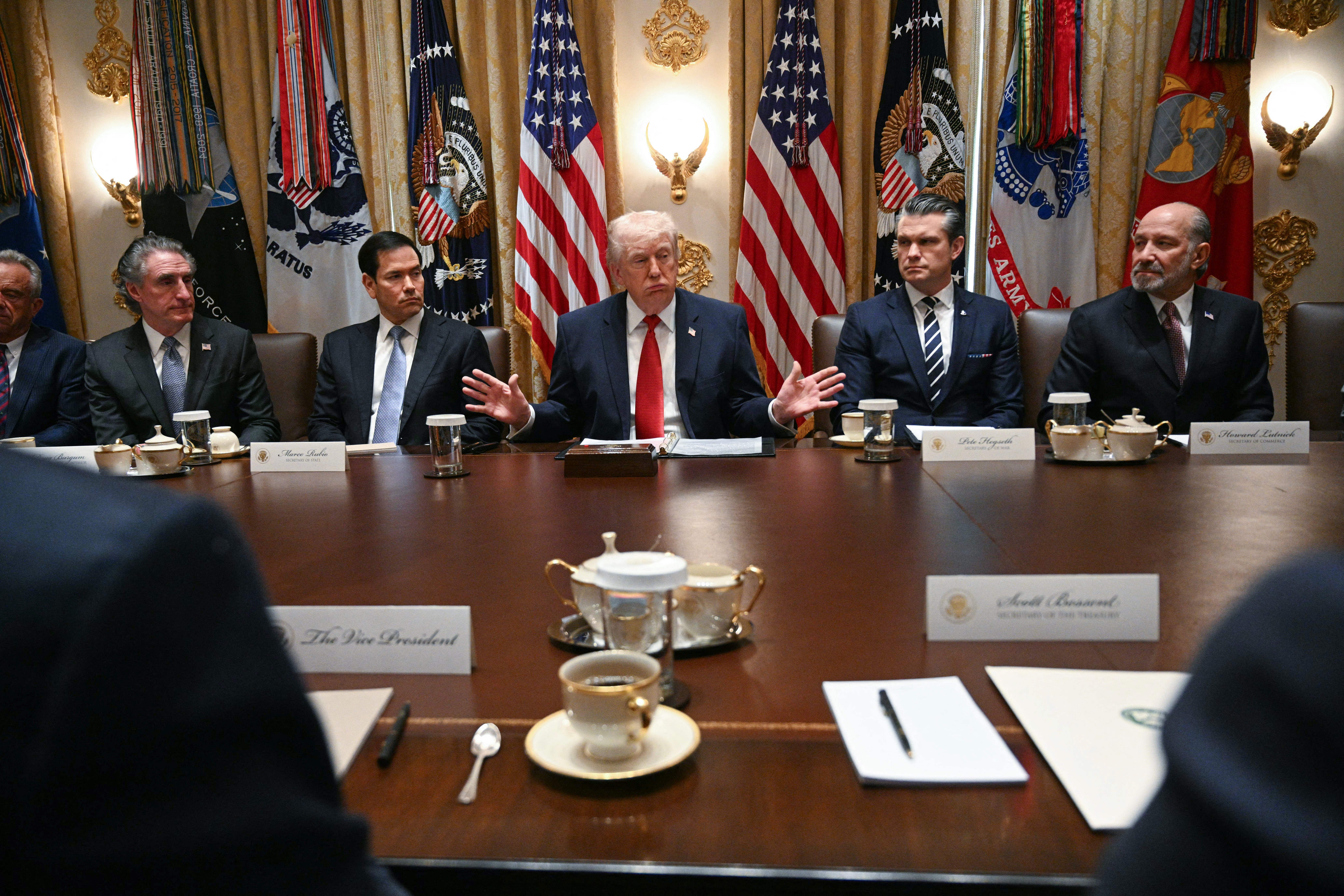
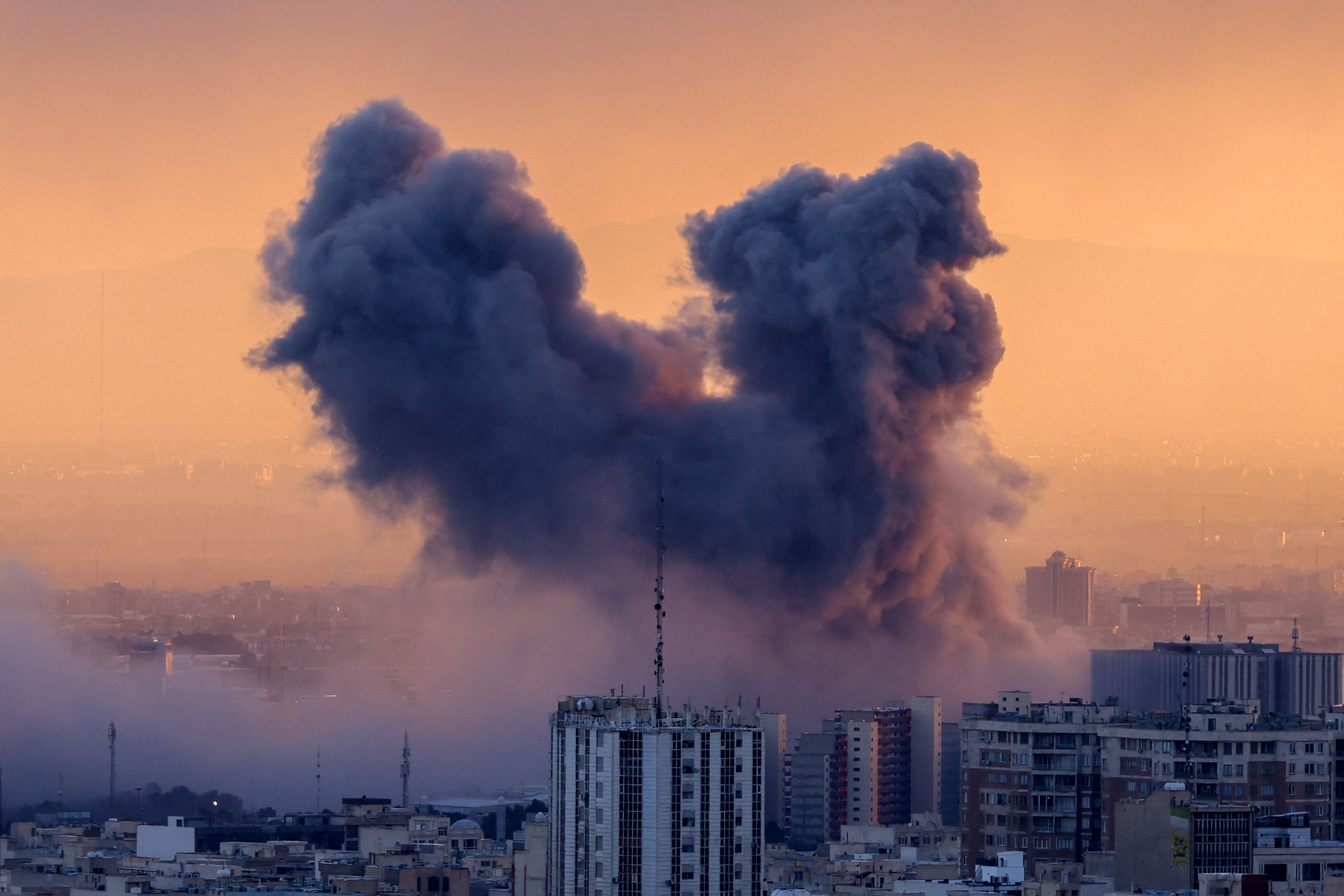
The fragile ceasefire in the Middle East was under renewed pressure this week as Iran accused the United States of violating the agreement by striking targets near the contested Strait of Hormuz.
But the Trump administration has played down clashes on the ground, or water, as both sides continue to exchange tweaks and amendments on broad proposals to end the war, centering on a memorandum of understanding to pave the way for more comprehensive negotiations.
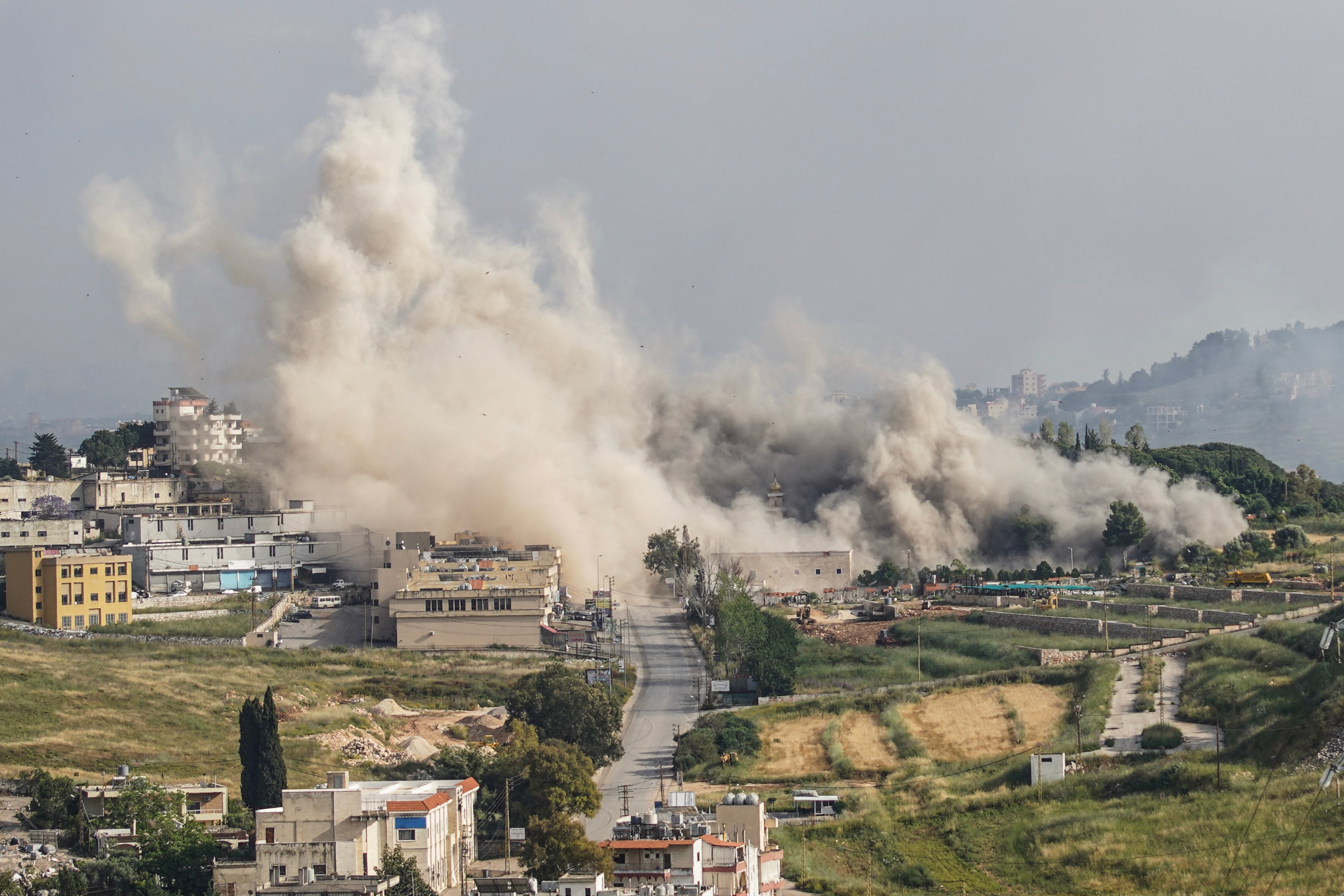
Donald Trump insists that Iran must relinquish any hope of ever attaining a nuclear weapon, while Iran seeks guarantees on its sovereignty, an end to the war in Lebanon and the lifting of the painful US naval blockade obstructing its ports.
But behind the headline issues, a source close to negotiations told Iran’s Fars news agency that the last sticking point to be agreed concerns some $24bn (£17.85bn) in Iranian funds frozen in banks around the world.
As the United States pushes for an end to the three-month war, Iran is expected to try to recoup around a quarter of the withheld payments stored overseas.
But Trump allies warn such a concession would come at a political cost for the US, looking too much like a win for Iran and weakening American leverage.
 open image in gallery
What are the frozen assets?
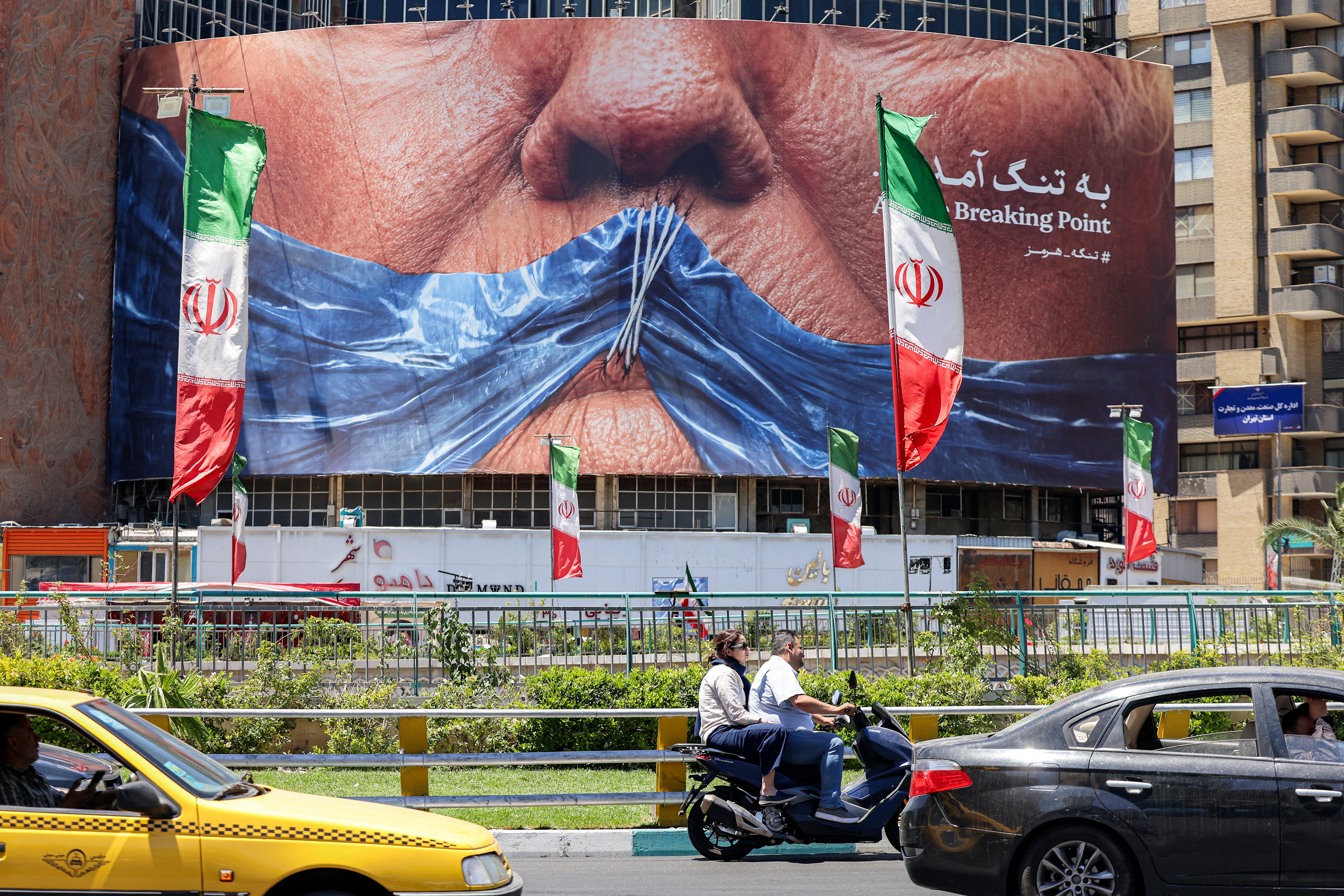
Iran has long been burdened by Western sanctions, limiting its ability to earn revenues from its lucrative trade in oil and gas.
There are primary sanctions, by which a sanctioning country or bloc, like the EU, bans its companies and citizens from doing work with Iran. And then there are secondary sanctions, or extraterritorial sanctions, which bar entities in third countries from doing business with Tehran.
Washington’s secondary sanctions have resulted in companies suspending payments to Tehran, as international banking restrictions have made transfers illegal under rules set out by the US treasury department.
By way of example, Iran has sought the release of $6bn now held in Qatar. Those funds stem from Iranian oil sales to South Korea that were blocked in South Korean banks after Trump reimposed sanctions on Iran in 2018 and scrapped a deal with Iran over its nuclear programme.
The figure had been due for release in 2023, under Joe Biden, as part of a US-Iranian prisoner swap before being effectively frozen again in the wake of the October 7 attacks on Israel by Iran’s ally, Hamas.
 open image in gallery
While no comprehensive public ledger is available, trackers estimate there are around $100bn (£74.4bn) worth of frozen assets around the world, representing between a third and a quarter of Iran’s GDP.
These are mostly held between China, India, Japan, Qatar and Iraq, with smaller amounts tied up in Europe and the United States.
What does Iran want?
A source said to have direct knowledge of the ongoing negotiations told Iran International last week that Iran seeks the immediate release of $12bn in frozen assets held in Qatar as a precondition for continuing talks with the United States.
An insider then told Iran’s Tasnim news agency on Tuesday that Iran wanted $24bn in funds released under a memorandum of understanding, which would pave the way for more comprehensive talks.
The agency said that Iran’s top negotiator, Mohammad Baqr Qalibaf, had travelled to Qatar to reach an agreement on a mechanism to implement this demand.
Iran's Fars news agency cited a source, meanwhile, saying the funds were the last sticking point in the deal. Iran's ISNA news agency said the negotiations in Qatar were “overall positive”.
 open image in gallery
“Our demand is the release of the frozen assets – not in the future, but right now,” another Iranian official close to the negotiations told The Telegraph. “No negotiations are possible without depositing Iran’s blocked funds.”
The details of such an arrangement are still scarce and coming from sources close to the talks but not necessarily involved in the negotiations themselves.
Frederic Schneider, a nonresident senior fellow at the Middle East Council on Global Affairs, told Al Jazeera that the release of the assets would be “a very substantial sum” for a society that has been “suffering under decades of US-led sanctions”.
“Iran definitely has a dire need for the assets but given the very chaotic history of sanctions and the lack of specialists on the US side to negotiate the details, Iran is sceptical,” he assessed.
What does the US say?
So far, not much.
The Trump administration has been coy in recent weeks in discussing the ins and outs of terms to end the war.
Trump continues to insist that Iran cannot have a nuclear weapon, and demands the Strait of Hormuz reopen. His administration has also sought to get functions of Iran’s Islamic Revolutionary Guards Corps (IRGC) - ballistic missiles, support for regional proxy groups - on the agenda since talks before the war. But less has been made of the prospect of giving up frozen funds.
In April, a senior Iranian source told Reuters that the US had agreed to release frozen assets held in Qatar, but a US official swiftly pushed back on that assertion.
 open image in gallery
Another source said Washington had agreed to release $6bn in funds held in Qatar.
Trump allies told The Telegraph that transferring billions in frozen assets before Iran agrees to curtail its nuclear programme would look like a reward to the regime and not sit well with his base.
“It’s a deal he cannot take,” a source close to the president told the newspaper.
Join our commenting forum
Join thought-provoking conversations, follow other Independent readers and see their replies
Comments