The 11 changes I'm most excited to see in Warhammer 40,000 11th Edition
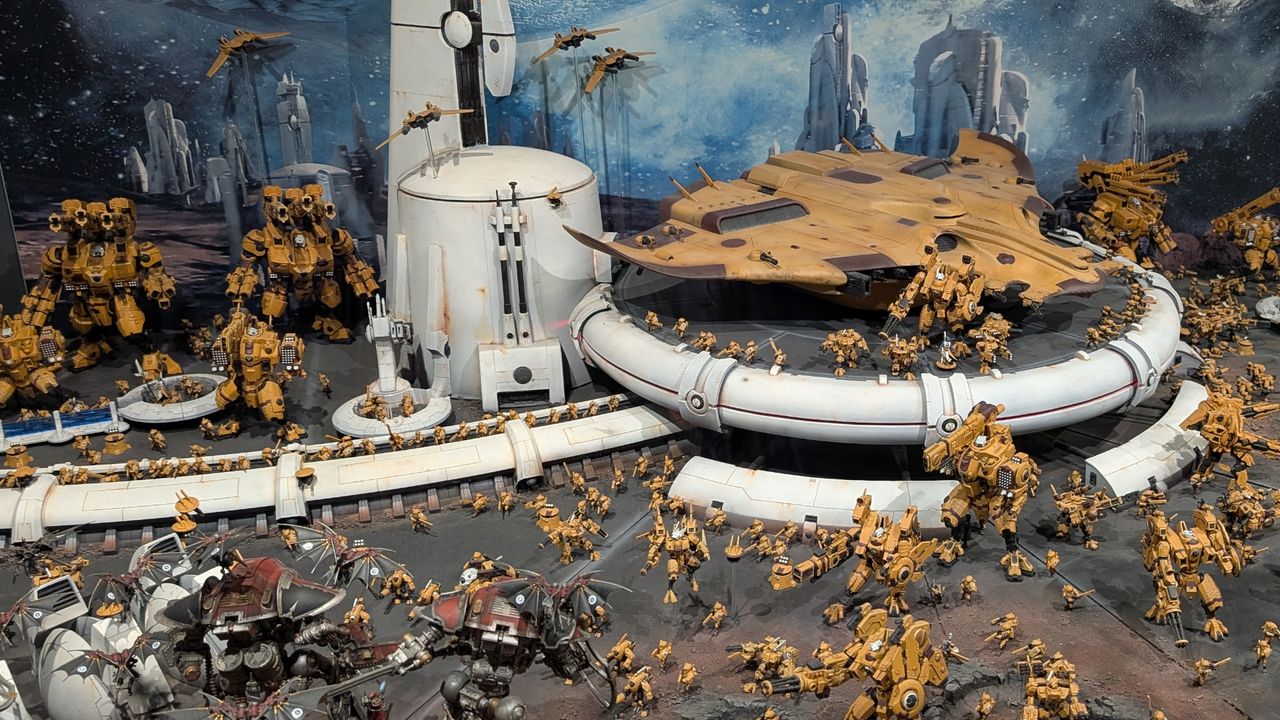
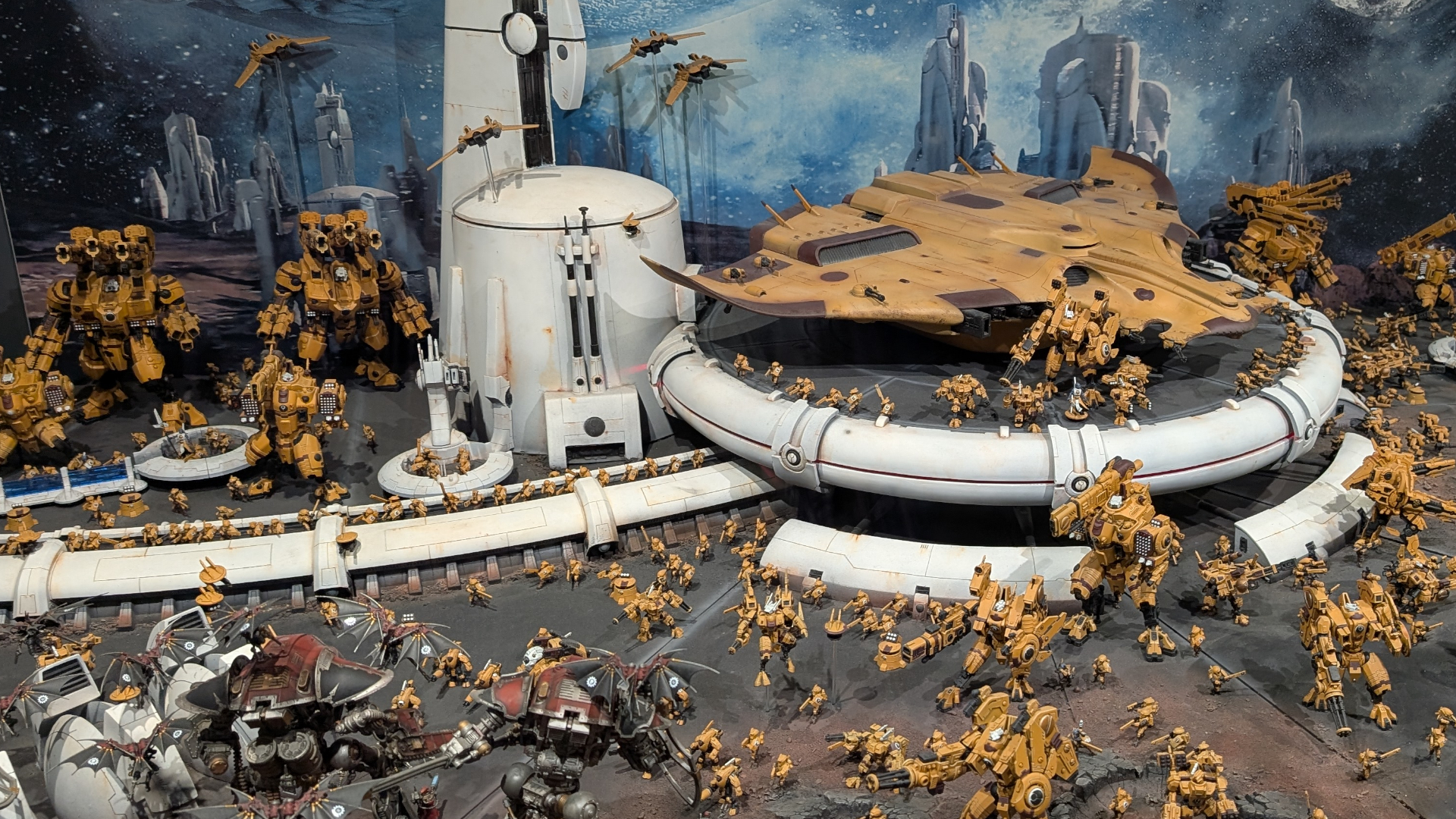
We might be living in the grim darkness of 2026, but at least we're getting Warhammer 40,000: 11th Edition this year.
Warhammer 40,000 is the most popular tabletop miniatures game in the world, and while the last three years of 10th edition have been fun, I'm ready for a change-up. Fortunately, it looks like Games Workshop is delivering just that, as they've been previewing a bunch of changes coming to the game for Warhammer 40K 11th Edition over the last month or so.
To battle!
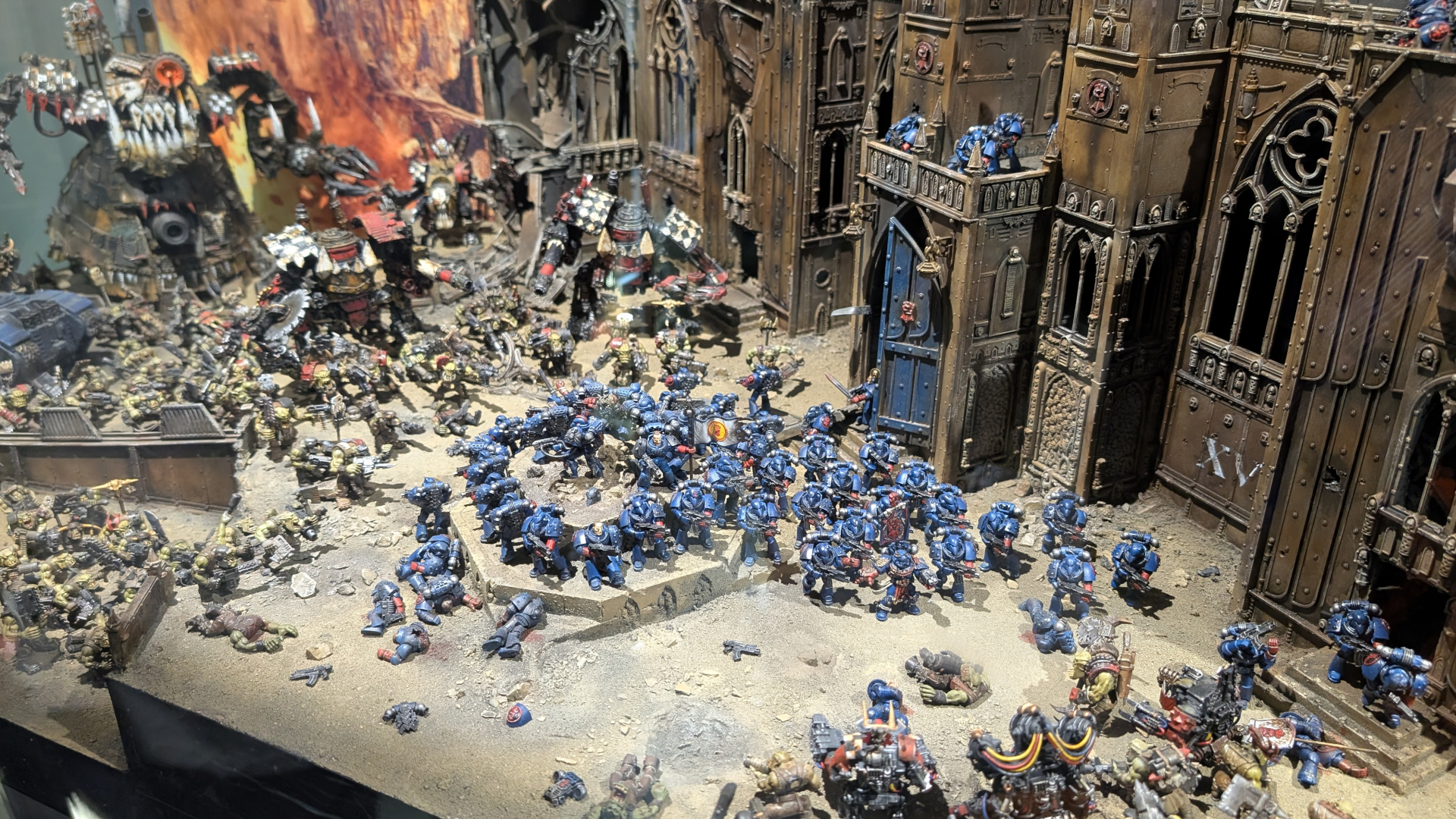
It's not clear yet when the upcoming Armageddon box set will go up for pre-order just yet, but I'd keep a close eye on Miniature Market and Rogue Traders in the US or Wayland Games in the UK when the time comes. All are great, reliable sources of discounted Warhammer.
I'm not going to lie; I was concerned about 11th Edition when it was first announced, because it was quickly confirmed that it's not going to be a full reset of the rules. That's good, because it means our Warhammer 40K 10th edition Codexes still work, but I was worried that it also meant the new game would feel much like the old game.
Latest Videos From
Thankfully, it looks like my fears were unwarranted, as there are a bunch of changes to list building, missions, and the core game mechanics that should help 11th edition Warhammer 40K feel fresh, while also fixing many of the complaints that we had about 10th. Here are the 11 upcoming changes I'm the most excited for in Warhammer 40,000: 11th Edition.
1. Objectives are terrain now
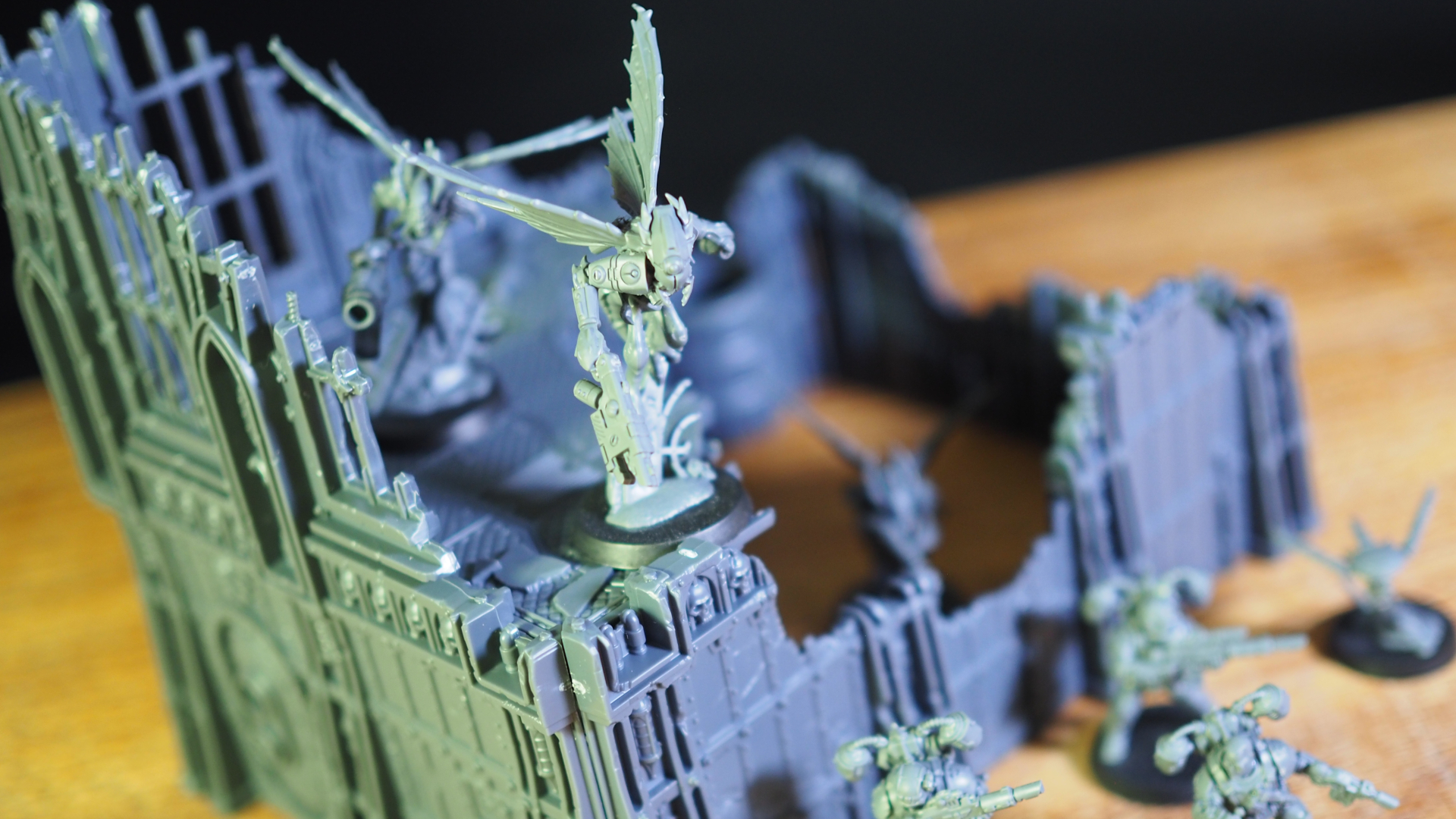
Right off the bat, a huge shakeup to the foundations of 40K, both from the standpoint of game mechanics and immersion. Gone are the days of fighting over random circles on the battlefield. Now, we fight for rectangles! OK, OK, rectangles with buildings in them.
The downside of this? Your fancy neoprene objective mats are relegated to being mousepads. The upside? Your soldiers are now fighting for control of buildings, ammo dumps, and other strategic positions, instead of random circles in the middle of nowhere.
This also means if you want to hold an objective, you'll need to be in the terrain, not hiding behind it. Now, I know what you're thinking: "I'm going to get blasted off the face of the Earth as soon as I step onto a terrain piece… how will I ever hold any objectives?" Well, there are a few more changes that should help there…
Sign up to the GamesRadar+ Newsletter2. Cover & Terrain changes
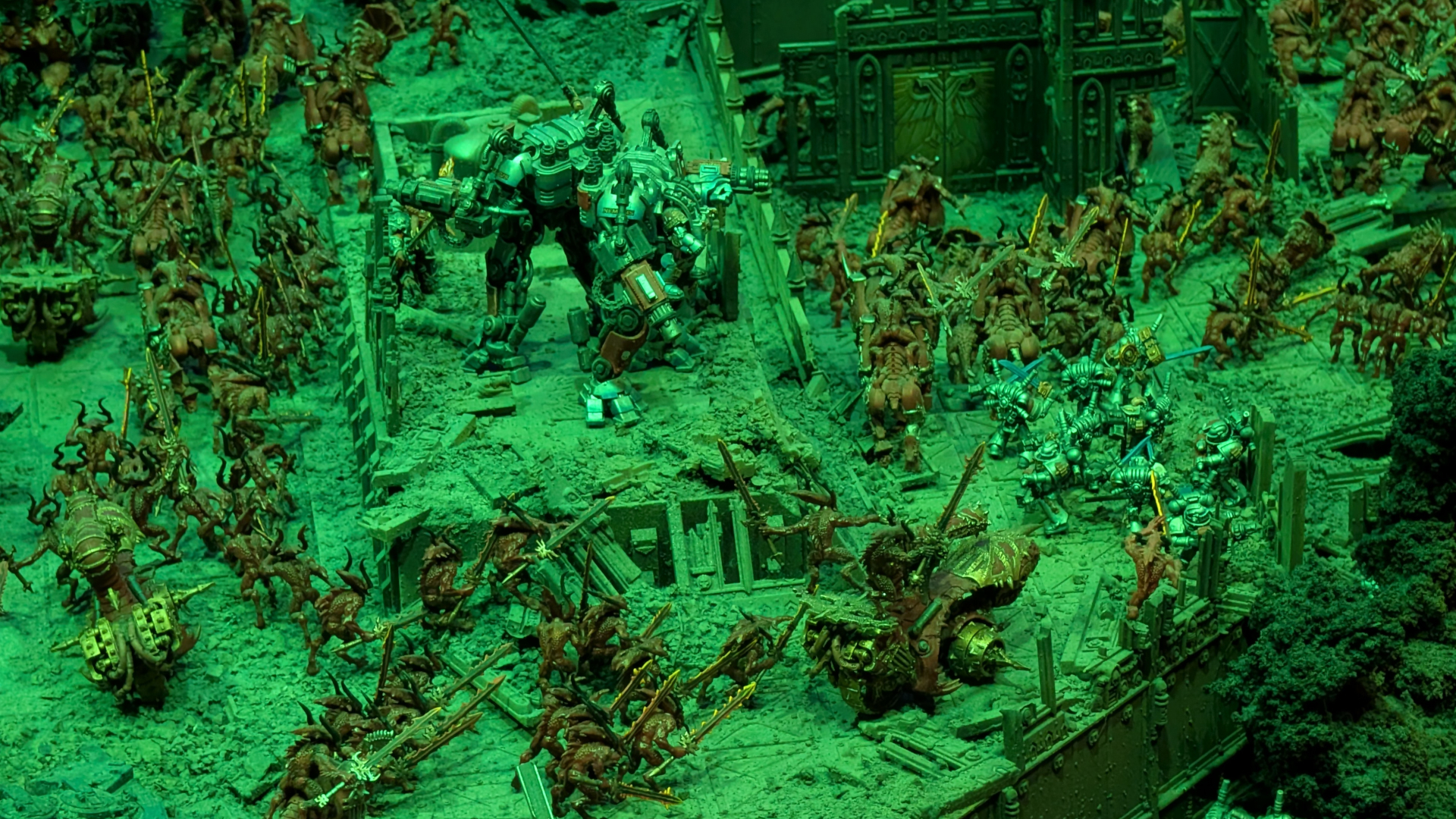
In 10th edition 40K, units in cover receive +1 to their save characteristic, but in 11th edition, that's being changed. Now, attacking units get -1 to their ballistic skill (BS) instead. OK, cool, but what does that mean?
In short, you're less likely to hit units in cover, but the armour penetration (AP) of your weapons no longer suffers. This is potentially a big nerf for armies with low BS (most orks will be hitting on 6s), but a huge buff for AP1 and AP2 guns, which have often felt anemic in 10th edition thanks to the prevalence of cover saves.
3. Hidden
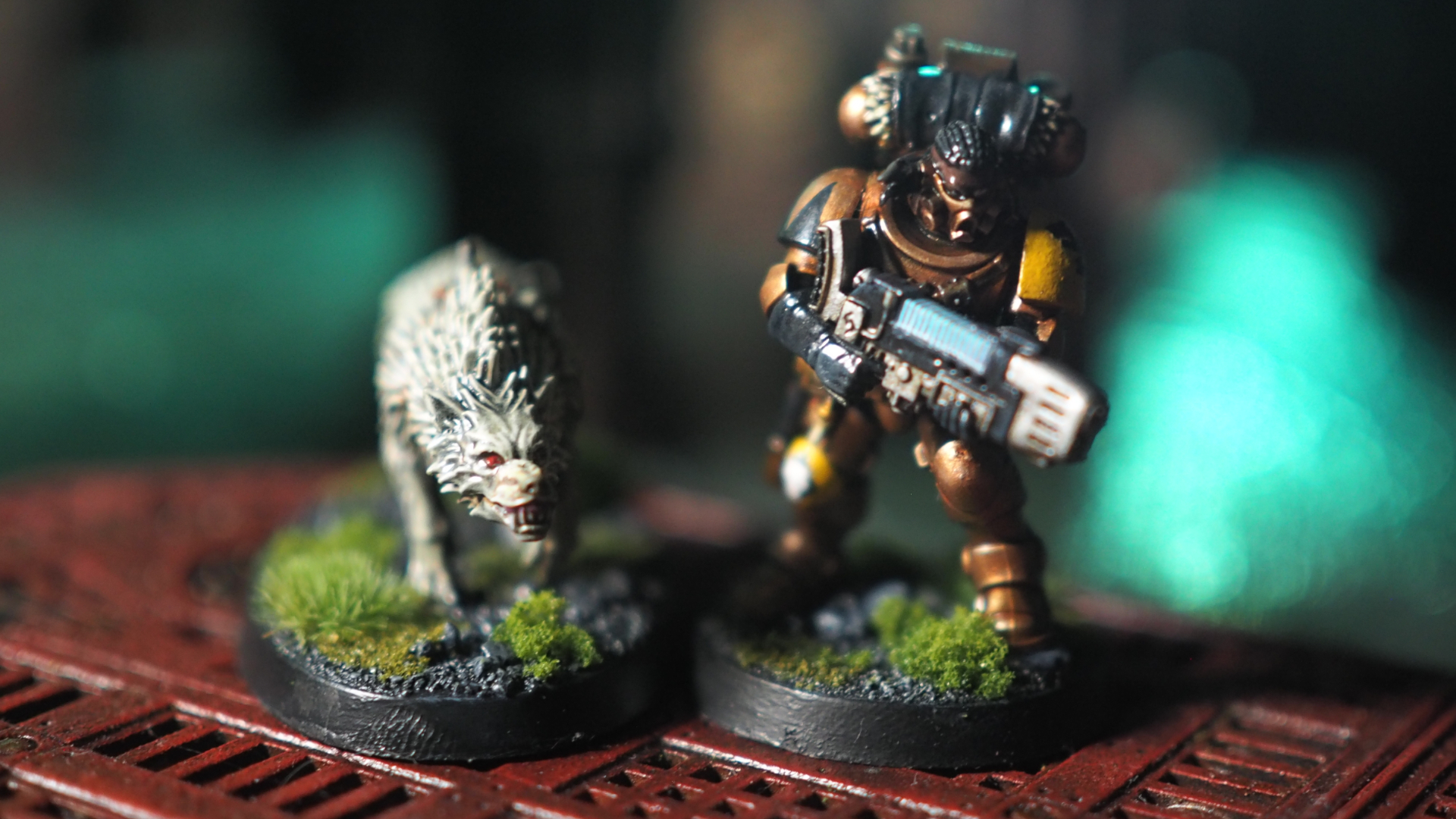
What's better than being minus 1 to hit? Not getting shot at all.
Enter the new "Hidden" rule, which states that infantry, beasts, and swarms inside terrain features can't be seen outside of their detection range (15" by default), provided they themselves did not shoot in their turn. This means a unit of soldiers standing in terrain can't be shot from the other end of the battlefield by the devastating firepower of a doomsday ark, or any other long-ranged fire support piece.
If your opponent wants to shoot them, they'll need to advance up the table and expose themselves to your own counter assaults. There are ways to mess with a unit's detection, so you're not 100% safe, but it sounds like a great way to keep your dudes alive when they're on objectives.
4. Changes to flying units
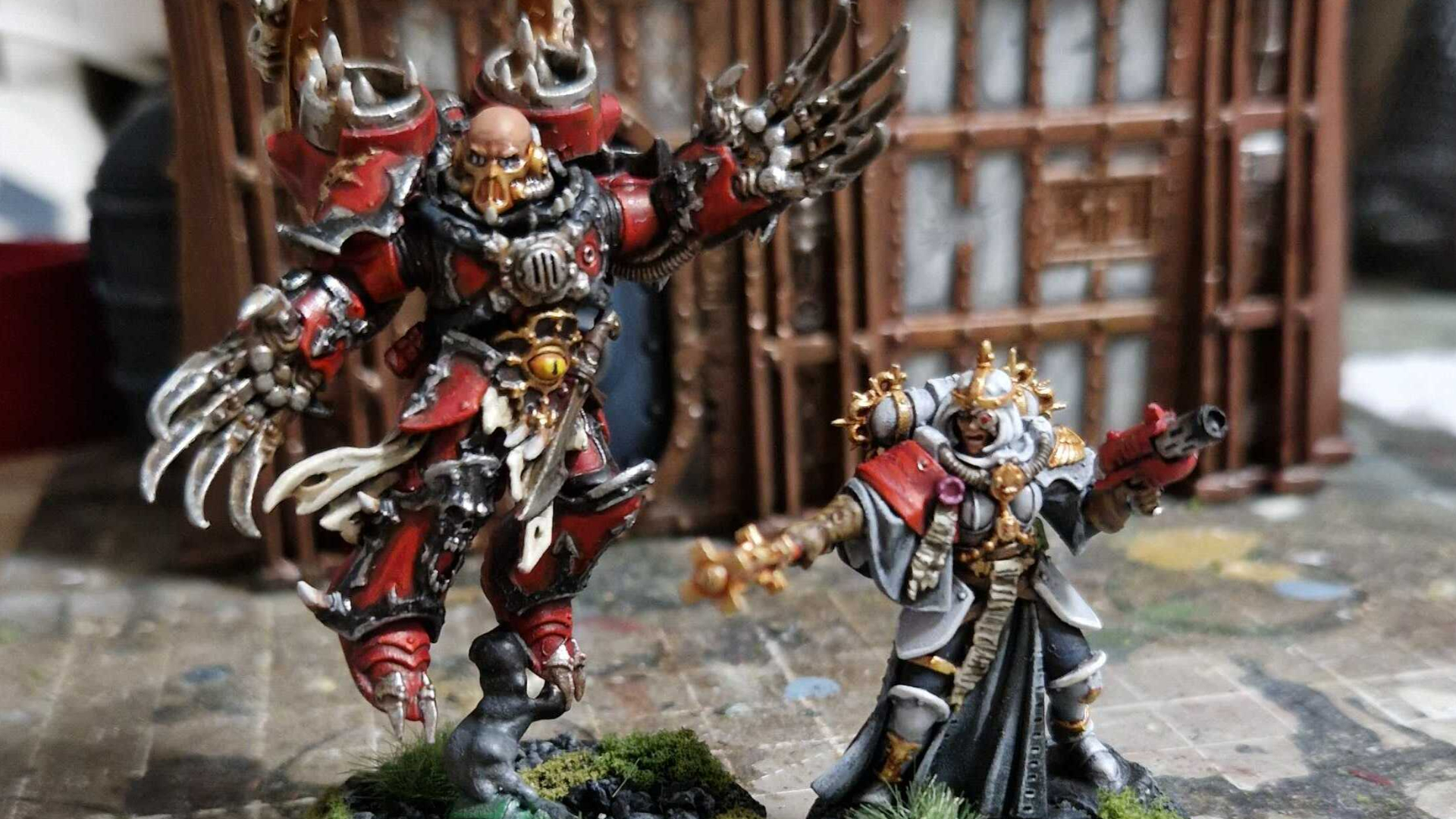
Large flying units are getting a big buff in 11th edition, with a few small caveats. Under the current rules, players need to whip out Pythagoras's theorem whenever they want to move a flying monster or vehicle over a building, measuring the full distance of the hypotenuse up and down both sides of the building. The result? They can rarely ever clear a building in a single move, so they have to fly around.
That all changes in 11th edition 40K, as flying units can now choose to "Take to the skies". They lose 2" of movement, but in exchange, they can move over models and terrain. This is mostly a huge buff to large flying units, but it does have some downsides, especially for flying infantry, who now lose some distance when jumping over models.
5. Cleave is Blast in melee
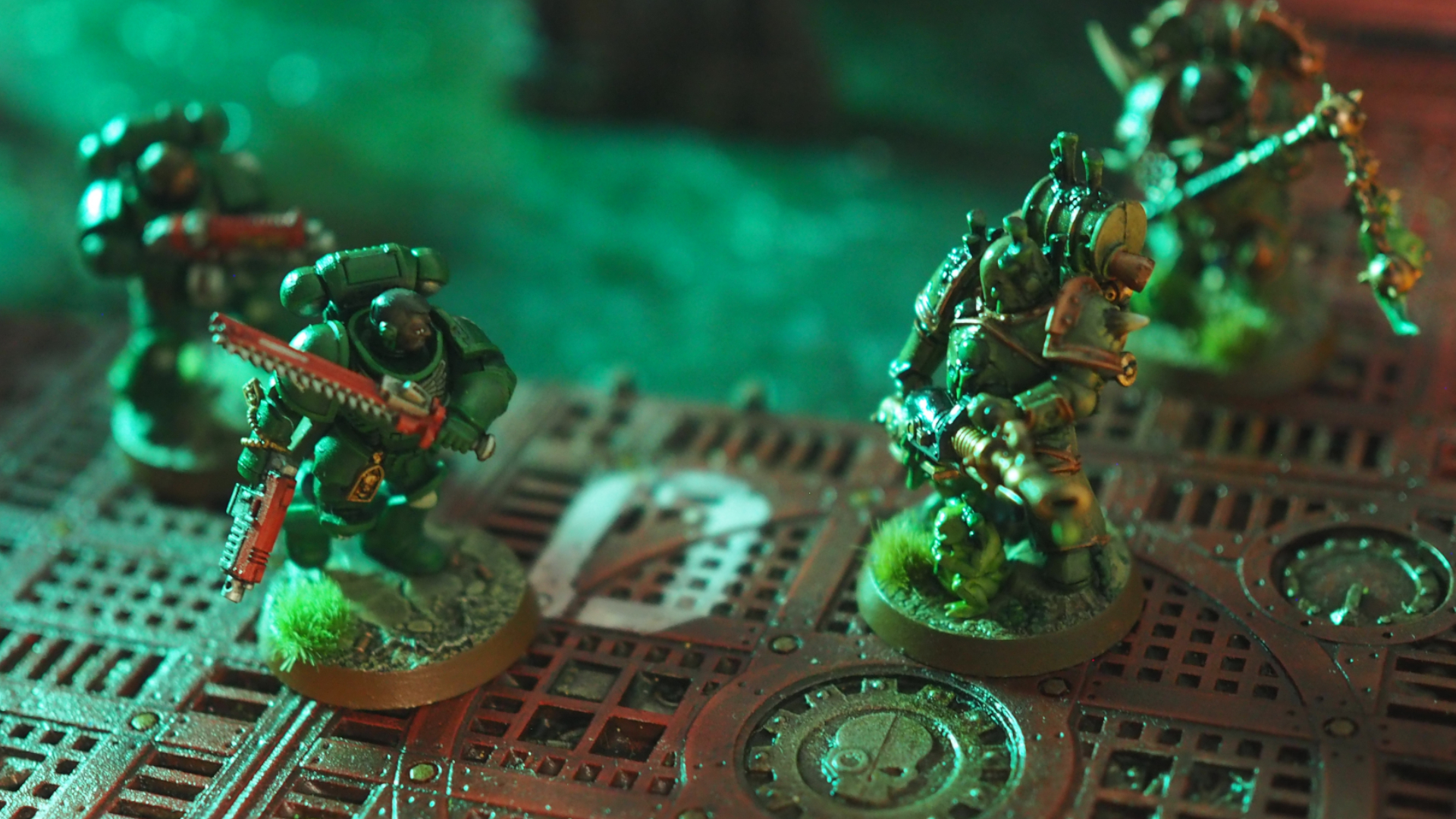
Sick of hordes bogging down your powerful melee units? Then the new Cleave keyword should be right up your murderous alley. It's basically Blast, but for melee instead of shooting. Units with Cleave will gain X number of attacks for every five models in their target unit.
The example given was Maulerfiends, who can access Cleave 2 via a stratagem. A Maulerfiend normally has 8 attacks, which means you could bog one down with a 10-man squad of Guardsmen and be certain it couldn't kill you in one go. Well, not anymore, as the Maulerfiend would now get 12 attacks in that scenario (and 16 attacks if fighting any 20-man units like Ork Boyz). Spicy.
6. Multiple detachments
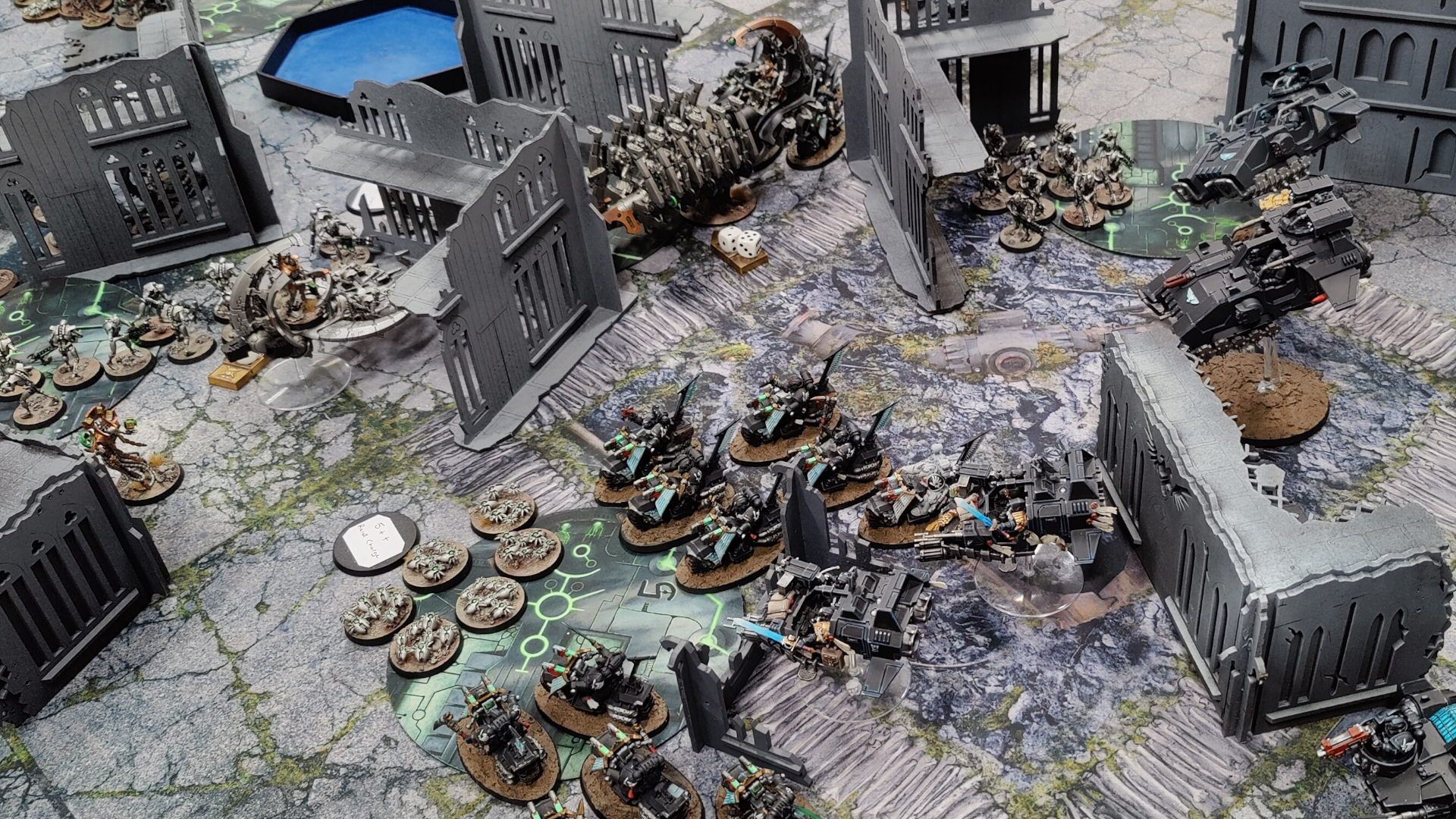
One of the biggest shakeups to the Warhammer 40K formula in 11th edition is the concept of Detachment Points (DP). Instead of just picking one detachment, you can now spend points on multiple.
Your existing Codex detachments will typically* cost 2DP and affect a large swathe of your army, while the new 1DP detachments will be targeted as specific units or types of units. So, for example, you could bring a 2DP detachment that buffs all your melee combat units, and then a 1DP detachment that adds rules for a specific shooting unit to give your army some much-needed fire support.
You can even just bring three 1DP detachments and focus down on those specific units. It's a super exciting change that should open up a ton of flexibility in list building and army design.
*There will be a few 3DP detachments. These will be the incredibly strong ones that don't need any further buffing… looking at you, Gladius Strike Force… looking at you.
7. Upgrades
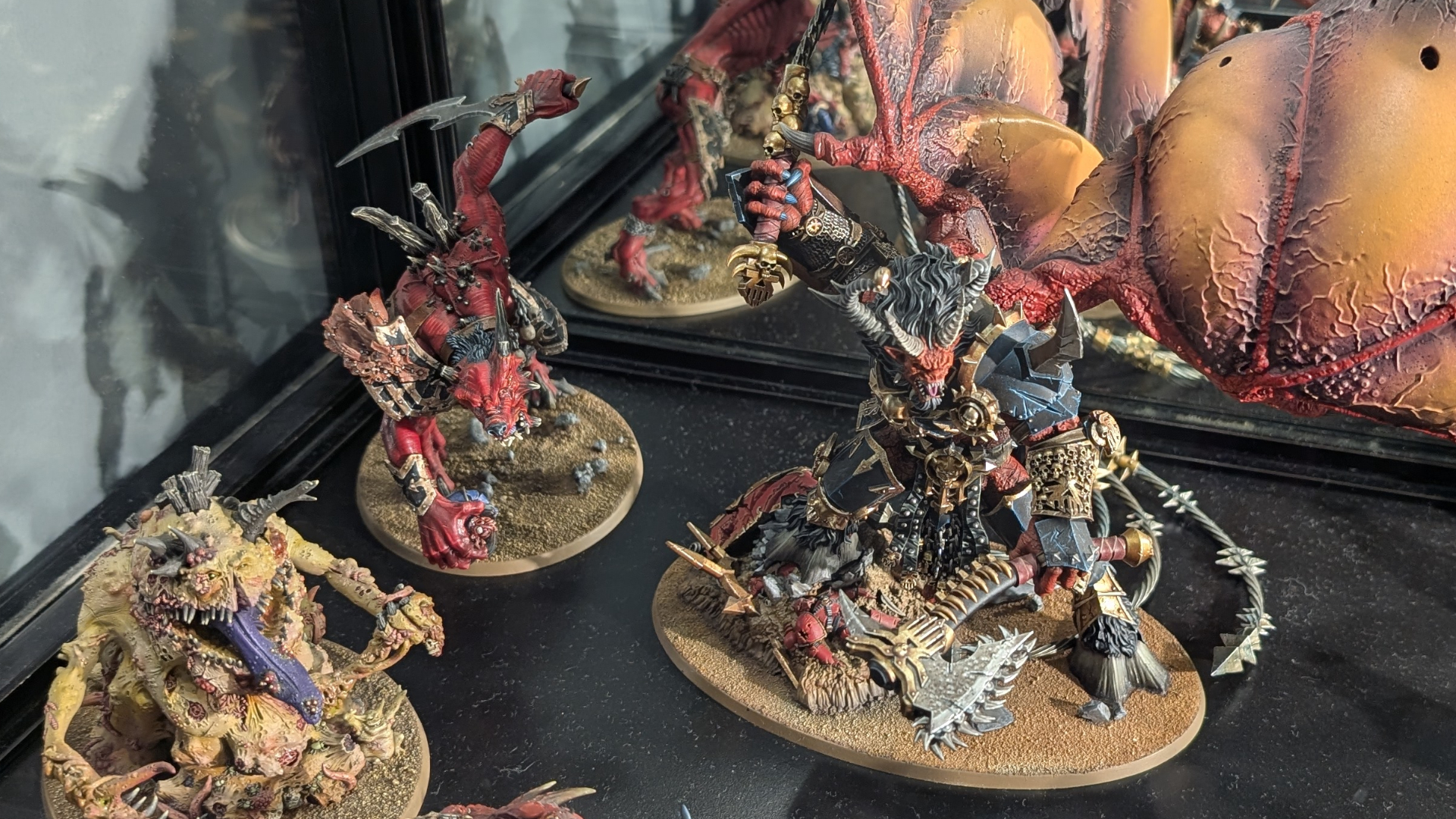
Current 40K detachments have a series of Enhancements in them. These are one-off upgrades that can be applied to character units in your army, to give them a bit of personality with a unique rule or two.
11th edition 40K is expanding this concept with Upgrades, which are Enhancements, but for regular units. These let you give a new rule or buff the stats of your units without paying for an expensive character to attach to them.
In even better news, you can apply each Upgrade to up to three units and still only use up one of your limited enhancement slots.
8. Battleshock is more shocking
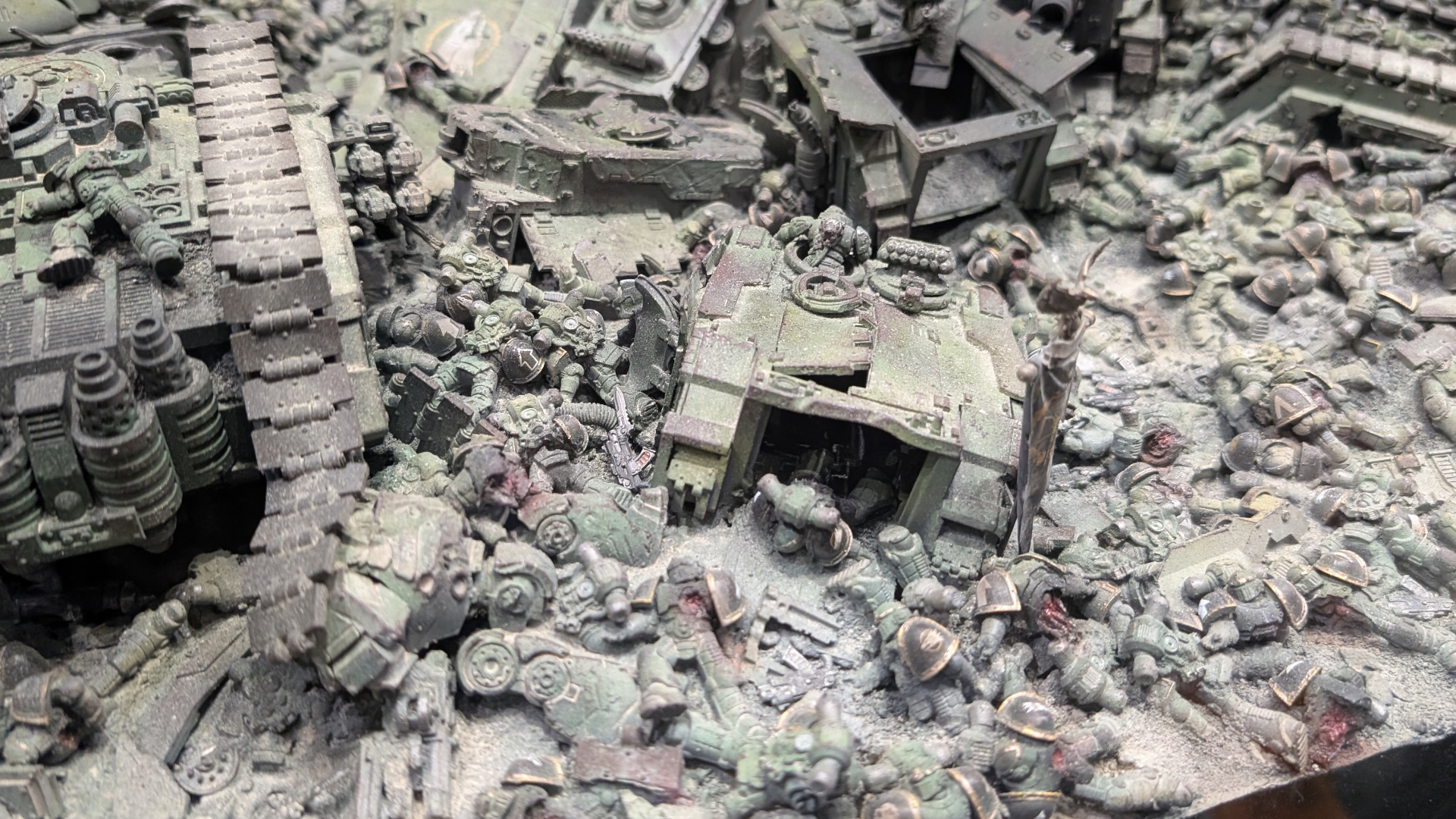
Battleshock is Warhammer 40K's fancy name for the morale and mental well-being of your units. If they take too many casualties or see one too many cosmic horrors from beyond the fold, they panic and become less effective (Battleshocked units can't be affected by stratagems or hold objectives).
In 10th edition 40K, units instantly recover from battleshock at the start of their turn, which has undermined the power of armies whose mechanics revolve around battleshock, like Tyranids and Chaos Knights. But in 11th edition, Battleshock stays, and you have to pass a test before you can return to normal.
This doesn't functionally change much for injured units, who would have to retest anyway, but it massively buffs the power of unit and army abilities that cause battleshock on healthy units, such as the Necron Psychomancer or the Tyranid's Shadow in the Warp. It will also add a lot of value to units that buff leadership, or can turn off battleshock for friendly units.
9. Charging
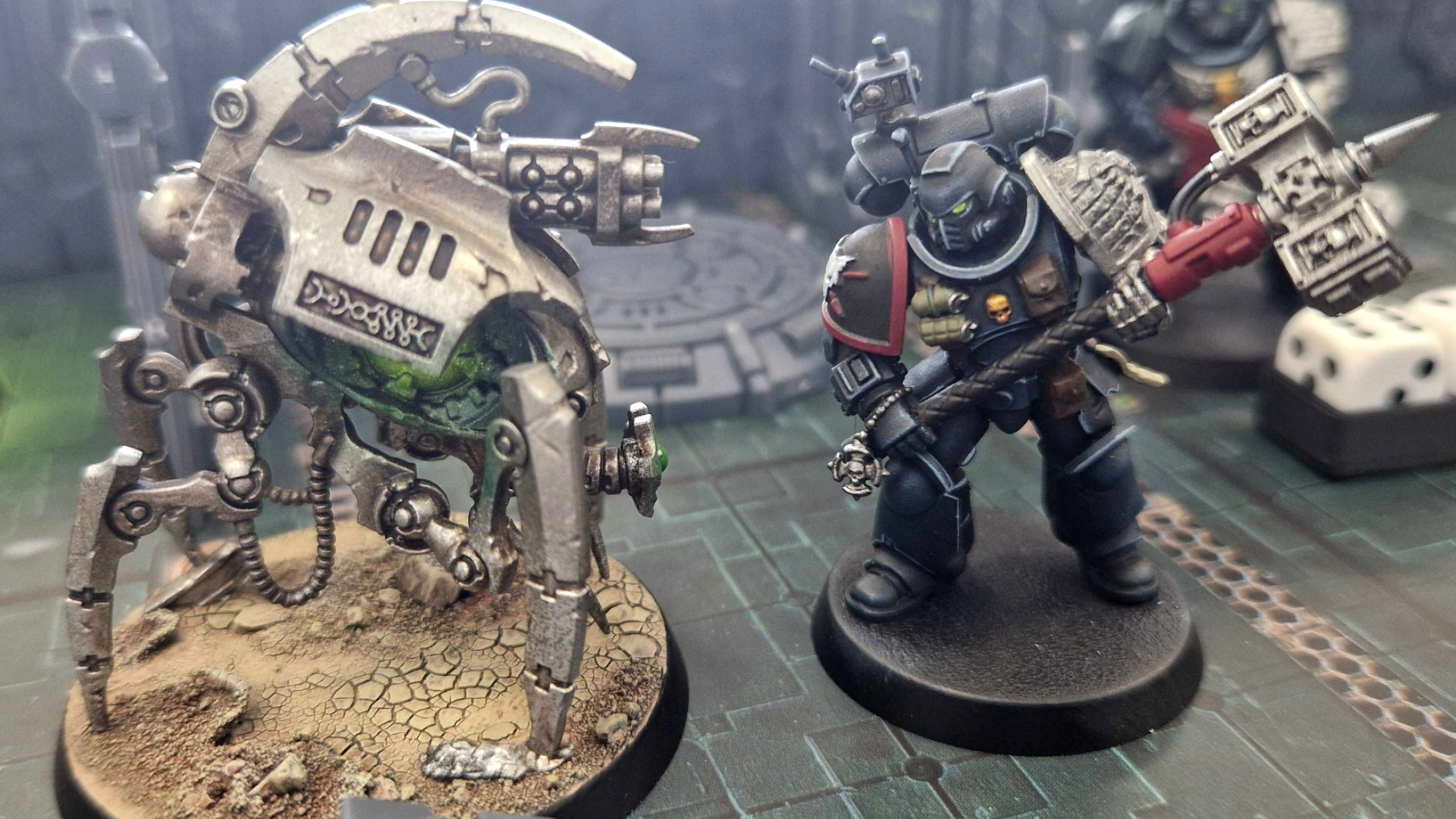
The theme of these changes seems to be that Games Workshop giveth, and Games Workshop taketh away, and that continues with the charge phase changes, which offer some buffs and nerfs for melee units attempting to make it into the fray.
Let's talk about the buffs first. You now roll your charge before choosing your charge target. This is huge. As it currently stands, you declare a target first and then roll to see if you make it, which means when you fail, your unit is just stuck standing in no man's land, waiting to be shot.
Now, you can line up multiple charges – a long-bomb hero charge into your opponents' backline, and a shorter charge into one of their skirmishing units – and then choose which option you take based on the charge distance you roll. In short, you're no longer punished for trying to make those long charges.
The downside? You need to actually be able to make it into base-to-base contact for a charge to be successful. In the current rules, you just need to get within engagement range, which is one inch. So, all your charges effectively got one inch longer.
10. Asymmetric missions
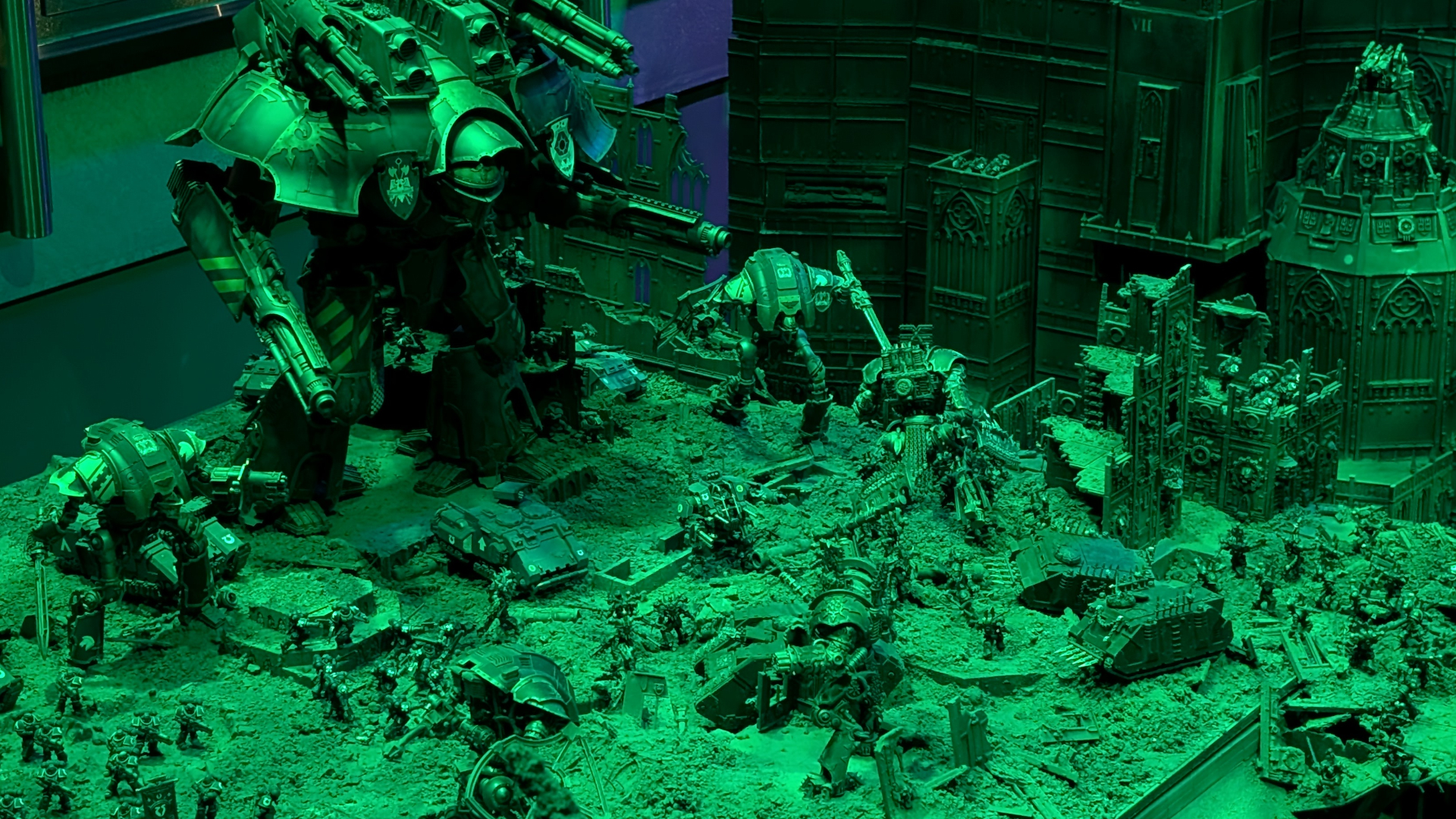
Possibly the most impactful of all the 11th edition changes is how missions work. We're currently playing a symmetrical game, with both players battling over the same primary objectives (and drawing from an identical deck of secondary objectives).
Secondary missions are sticking around, and they'll function in much the same way as before, but players will now have an asymmetric primary mission based on their Force Disposition. Depending on which detachments you bring, your army will have one of five Force Dispositions: Take & Hold, Disruption, Purge The Foe, Priority Targets, and Reconnaissance.
When you arrive at the table, you and your opponent will compare Force Dispositions and consult a table to determine your mission objectives accordingly. Each pairing will lean into the two armies' strengths and should theoretically be balanced against each other. We'll have to see how well the balance-aspect lands, but it's an exciting development, to be sure.
11. Core stratagems
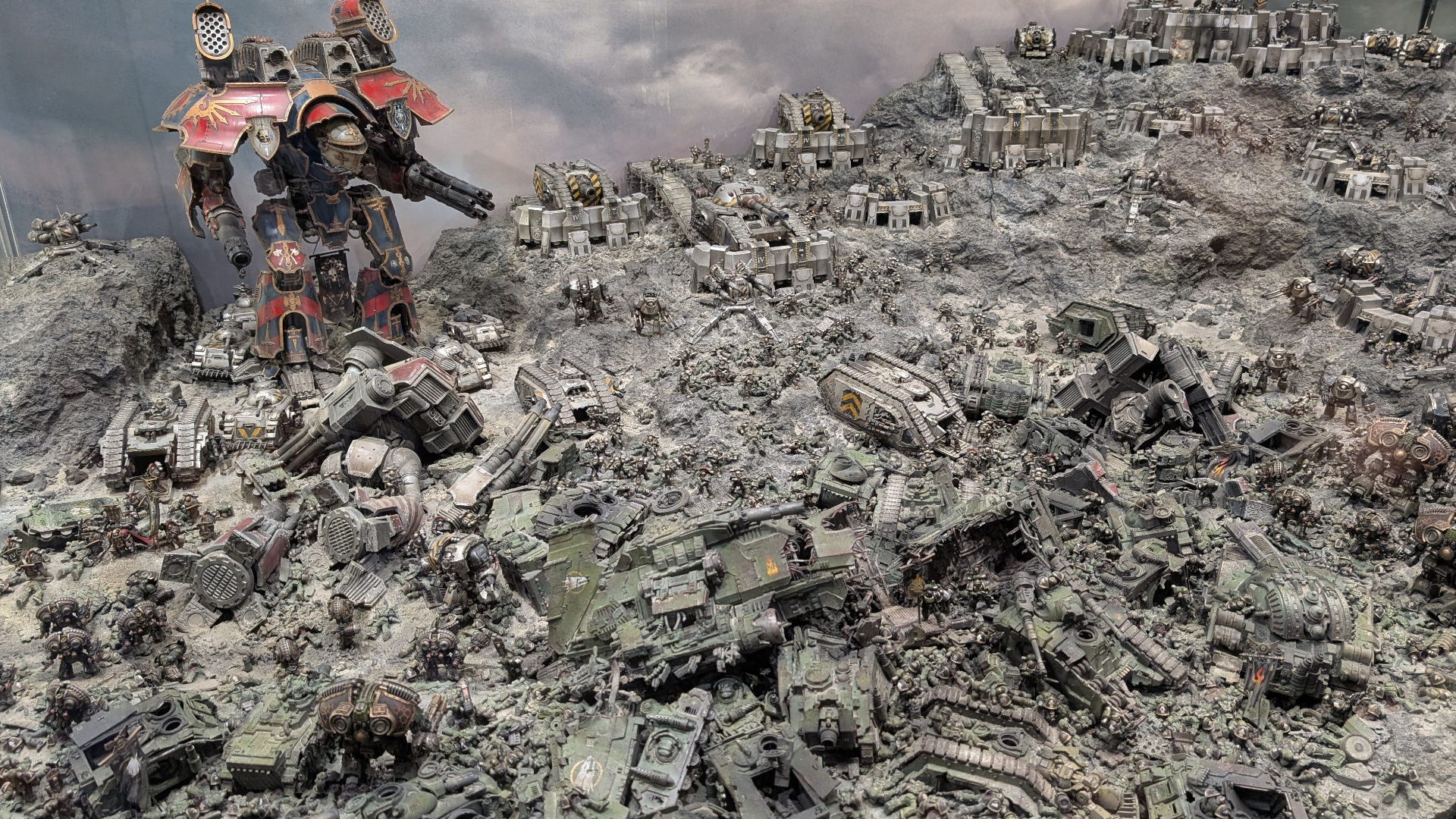
Much like in 10th edition, stratagems are special abilities that you can activate at the cost of command points. Each army has its own unique stratagems, but there is also a roster of core strats that everyone can use. As part of the 11th edition preview train, we've seen quite a few of the updated core stratagems, and there have been some notable changes that fix some big gripes players had in 10th.
The timing on Overwatch has been changed to the end of the movement phase, meaning it can't be baited out by movement sequencing. Tank shock has been replaced with crushing impact, meaning monsters can finally do it too. Likewise, grenades have been swapped out for explosives. Both stratagems do the same thing — hand your opponent some mortal wounds — but these wording shifts will open them up to more armies. Tyranid players, especially, can rejoice.
Heroic Intervention is probably the most changed stratagem, though. For the price of 1 command point, you can countercharge a charging enemy unit. That's similar to how it functions now, only with the 6" range limit removed. For 2 command points, though, one of your units can charge any enemy unit within 6", even if they didn't charge. This will massively shake up the "I'm going to walk a bunch of guardsmen onto this objective to steal it from you" meta, and we're here for it.
For more tabletop recommendations, why not check out the best board games, the best card games, or the best tabletop RPGs?
PRODUCTS
Ian Stokes is an experienced writer and journalist. You'll see his words on GamesRadar+ from time to time, and he works as Entertainment Editor at our sister site Space.com.
View MoreYou must confirm your public display name before commenting
Please logout and then login again, you will then be prompted to enter your display name.
Logout LATEST ARTICLES 1How to get the Subnautica 2 metal farm
- 2With no combat system, Zero Parades is an RPG all about skill checks and spycraft, and it's more exciting for it
- 3How long to beat Lego Batman Legacy of the Dark Knight?
- 4The 12 Best Buy Memorial Day sales gamers should know about, based on in-game testing with each one
- 5These official Hatsune Miku earbuds come with a leek case, but we can't have them
Схожі новини
Xbox наняла известного аналитика игровой индустрии Мэтью Болла директором по стратегии

"Відьмак" 4 сезон: що відомо про серіал та чому його розкритикували

Курчата вперше вилупилися зі штучного яйця: тепер науковці говорять про мамонтів і моа
