The 10 British towns and cities most affected by rising energy costs
New analysis has identified the towns and cities in Great Britain where households are most vulnerable to rising energy costs.
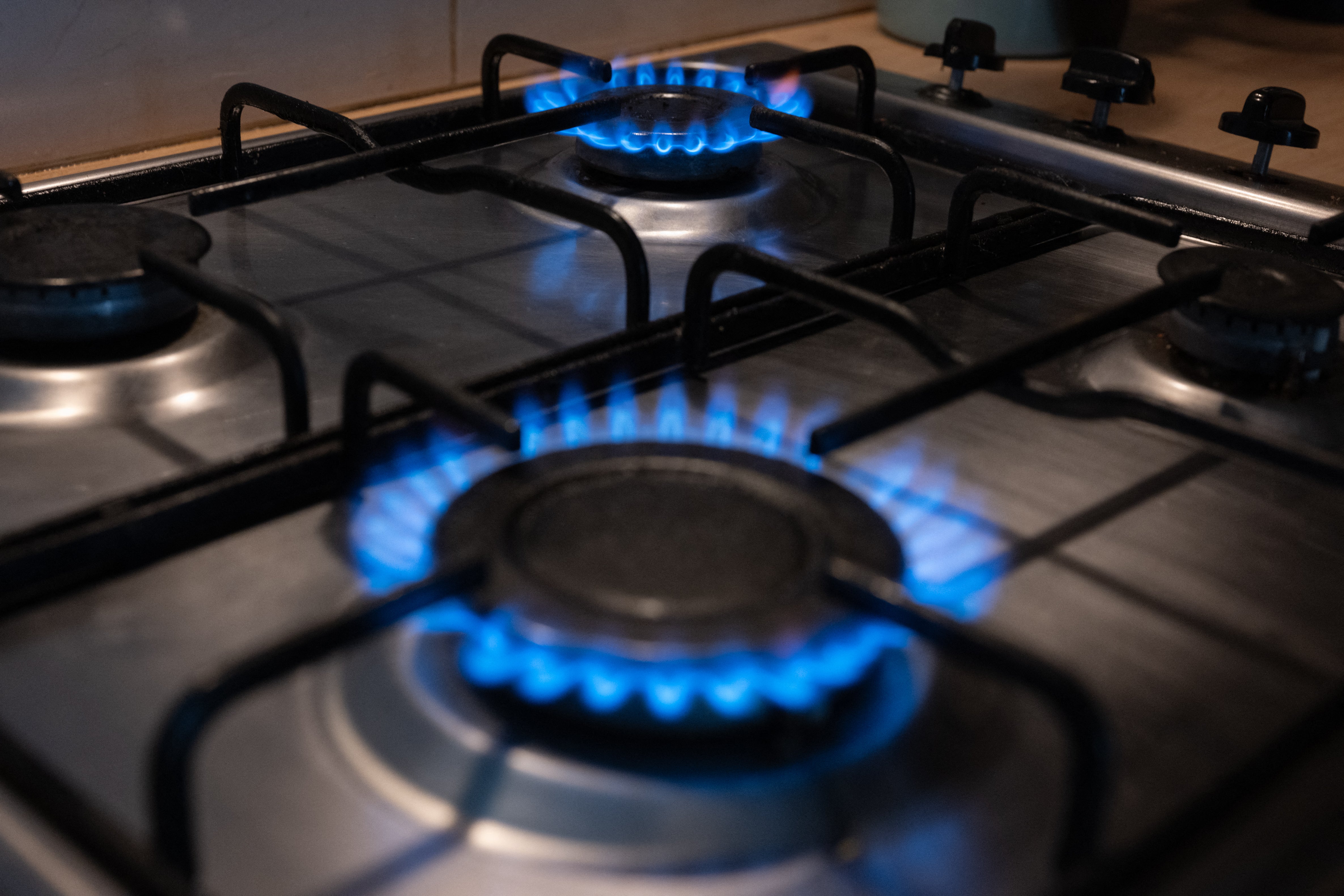
War in Iran and the closure of the vital trade route the Strait of Hormuz have driven a sharp rise in fuel prices in recent months, with the increased price of oil affecting the cost of petrol and diesel.
The big factor in most people’s domestic energy bills is gas prices rather than oil – the exception being off-grid customers who rely on heating oil, for whom the government has already offered some support.
Gas prices have risen since conflict began but customers have so far been protected by the energy price cap.
As such, it is still not certain exactly how hard households will be hit by higher energy prices in the coming months, with Ofgem set to announce on 27 May what the price cap will be for the three months covering 1 July to 30 September 2026, but a significant increase in bills is expected.
A spokesperson for Energy UK told The Independent last week: “We have had elevated gas prices as well since the conflict started.
“Because of the way the price cap works, that hasn’t hit the majority of customers yet but there’s going to be a significant rise in July when the next one starts.”
Analysis from think tank Centre for Cities has now found the towns and cities that are likely to be hardest hit by rises in spending on domestic fuel and petrol or diesel.
 open image in gallery
Get a free fractional share worth up to £100.
Capital at risk.
Terms and conditions apply.
Go to websiteADVERTISEMENT
Get a free fractional share worth up to £100.
Capital at risk.
Terms and conditions apply.
Go to websiteADVERTISEMENT
It has identified the average share of local households’ income spent on energy bills and petrol or diesel in 2025 to find the places most vulnerable to rises.
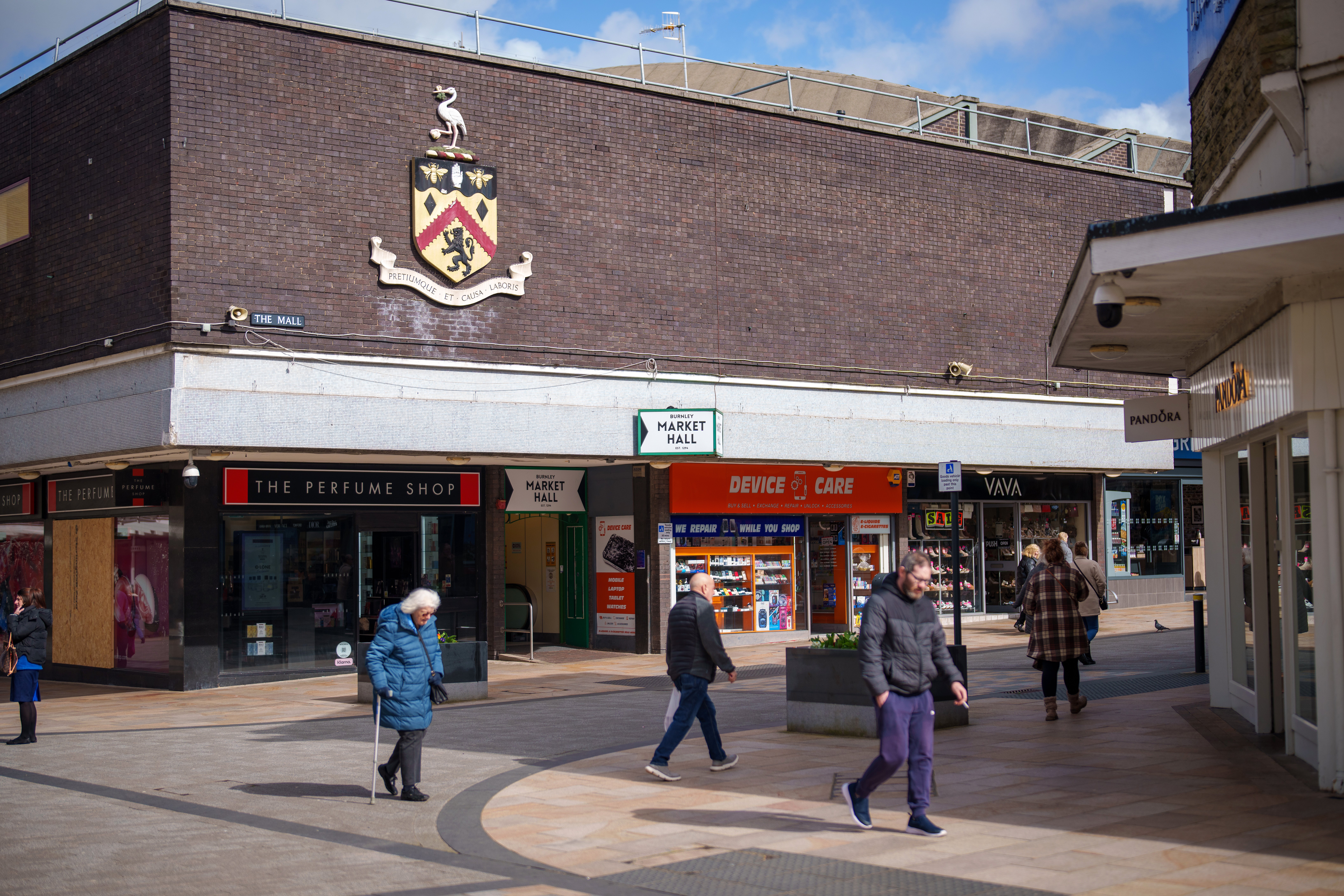
At the top were Burnley, Doncaster and Derby, where the average household spends around 9 per cent of its income (after tax) on energy.
This makes them the places most vulnerable to rises in costs.
Household vulnerability depends on both energy-related spending (home energy and motor fuel) and income. Higher-income households are generally better able to absorb increases in costs than lower-income households.
In the least affected city, Cambridge, the share is 3.7 per cent, less than half that of the most affected places.
The national average of post-tax income spent on energy currently stands at 6.7 per cent.
 open image in gallery
Top 10 cities or towns
Most vulnerable to price rises
- Burnley (9.0 per cent of post-tax income spent on energy)
- Doncaster (8.9 per cent)
- Derby (8.9 per cent)
- Leicester (8.6 per cent)
- Northampton (8.4 per cent)
- Stoke (8.4 per cent)
- Preston (8.2 per cent)
- Peterborough (8.2 per cent)
- Bradford (8.1 per cent)
- Barnsley (8.0 per cent)
Bottom 10 cities or towns
Least vulnerable to price rises, descending order
- Glasgow (6.0 per cent)
- Southend (6.0 per cent)
- Worthing (5.9 per cent)
- Brighton (5.8 per cent)
- Aberdeen (5.7 per cent)
- Edinburgh (5.3 per cent)
- Reading (5.0 per cent)
- Oxford (4.8 per cent)
- London (4.2 per cent)
- Cambridge (3.7 per cent)
Yunze Wang, analyst at Centre for Cities, said: “Government is right to target its support at poorer households.
“A large part of the variation in household spending on energy comes down to income. Households in cities in the Greater South East tend to have more disposable income, so they can better absorb the higher prices.
“Home energy and motor fuel are necessities that households cannot entirely do without. In the case of home energy, poorer households tend to live in lower-quality housing with worse energy efficiency, so they also have higher home energy bills.”
Join our commenting forum
Join thought-provoking conversations, follow other Independent readers and see their replies
CommentsСхожі новини
Chiefs general manger says Patrick Mahomes 'way ahead of schedule' in recovery
'Operation Epic Fury concluded': Trump aide declares 'objectives achieved' in Iran action
U.S. officials seek to maintain ceasefire with Iran, UAE says it was attacked