Tesla Plans Urban 'Microfactories' to Retrofit Millions of Vehicles Promised Self-Driving Capability
Tesla Plans Urban 'Microfactories' to Retrofit Millions of Vehicles Promised Self-Driving Capability
Millions of Tesla vehicles currently in operation were marketed with the assurance of achieving full autonomous driving capabilities, despite lacking the necessary hardware infrastructure to support such functionality.
Tesla's Chief Executive Officer Elon Musk has recently unveiled a proposal to establish so-called "microfactories" in metropolitan regions with the primary objective of upgrading the computing systems and camera equipment in these vehicles. This initiative would impose substantial financial burdens on a corporation already facing constraints in its profit margins—although whether this plan will materialize remains uncertain.
Years of Hardware Promises
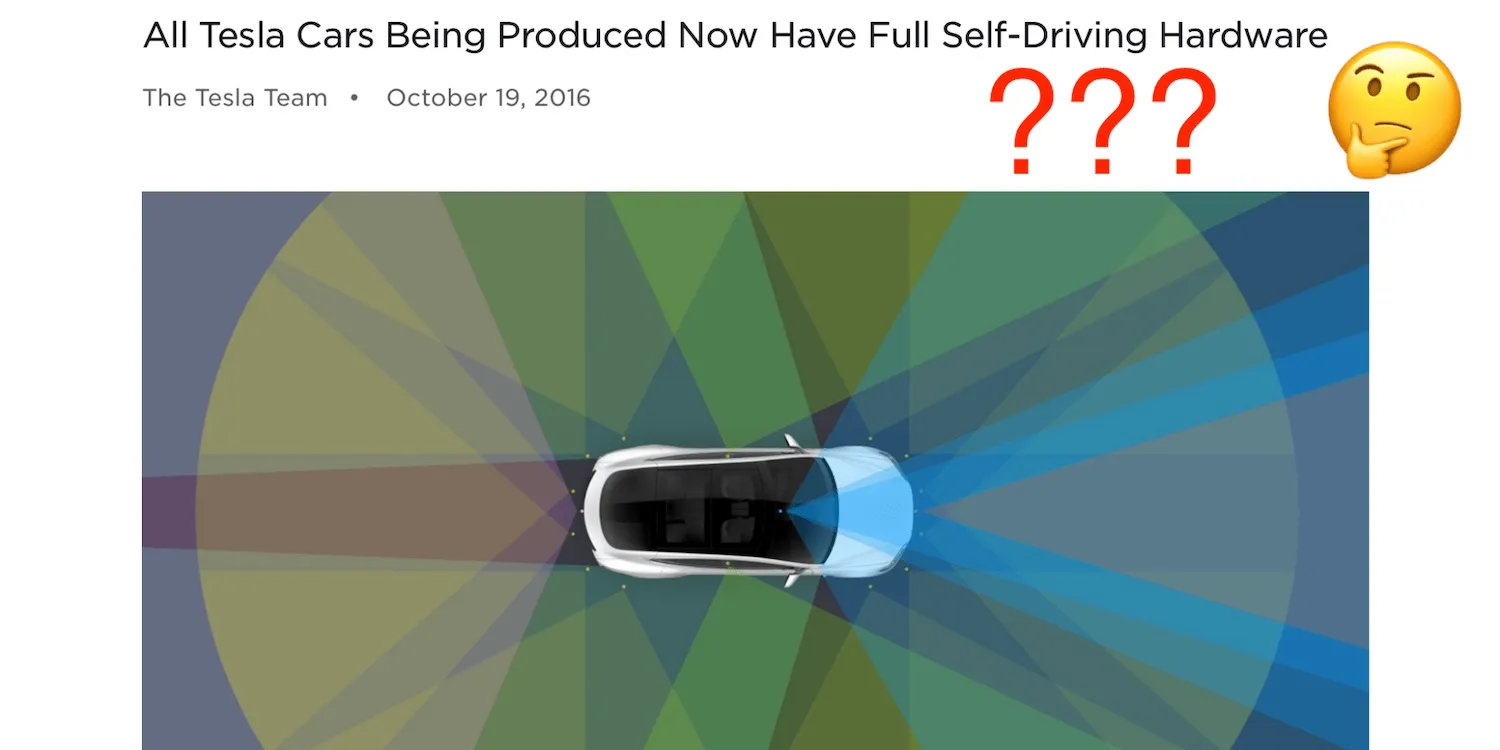
For an extended period, Tesla maintained that all vehicles it released to market were equipped with the requisite hardware to enable full self-driving functionality. During the time this claim was featured on the company's official website, Tesla distributed millions of vehicles featuring computer architectures designated as "hardware 2" and "hardware 3" (abbreviated as HW2 and HW3).
In parallel with vehicle sales, the company marketed a software package branded as "Full Self-Driving," commonly referred to as FSD, priced at up to $15,000. This premium offering was promoted under the premise that the accompanying software would eventually grant vehicles the capability to operate autonomously without any occupants inside the vehicle.
Схожі новини
Dana White confirms UFC will break one of its strictest rules for Trump-linked White House fight night
Musk Acknowledges Hardware Upgrades Required for Tesla's Autonomous Driving Future
Elon Musk Postpones Tesla Roadster Reveal Yet Again, Citing 'Month or So' Timeline