Stellaris is 10 years old and still getting DLC, which is impressive
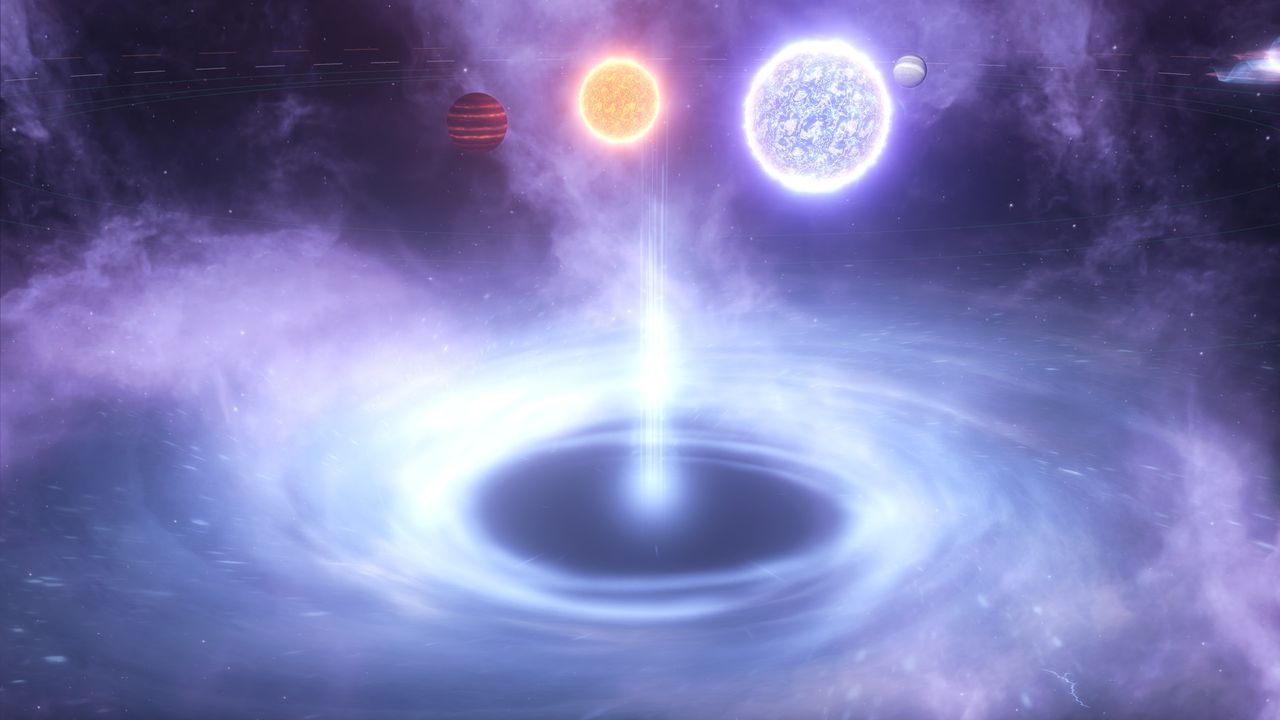
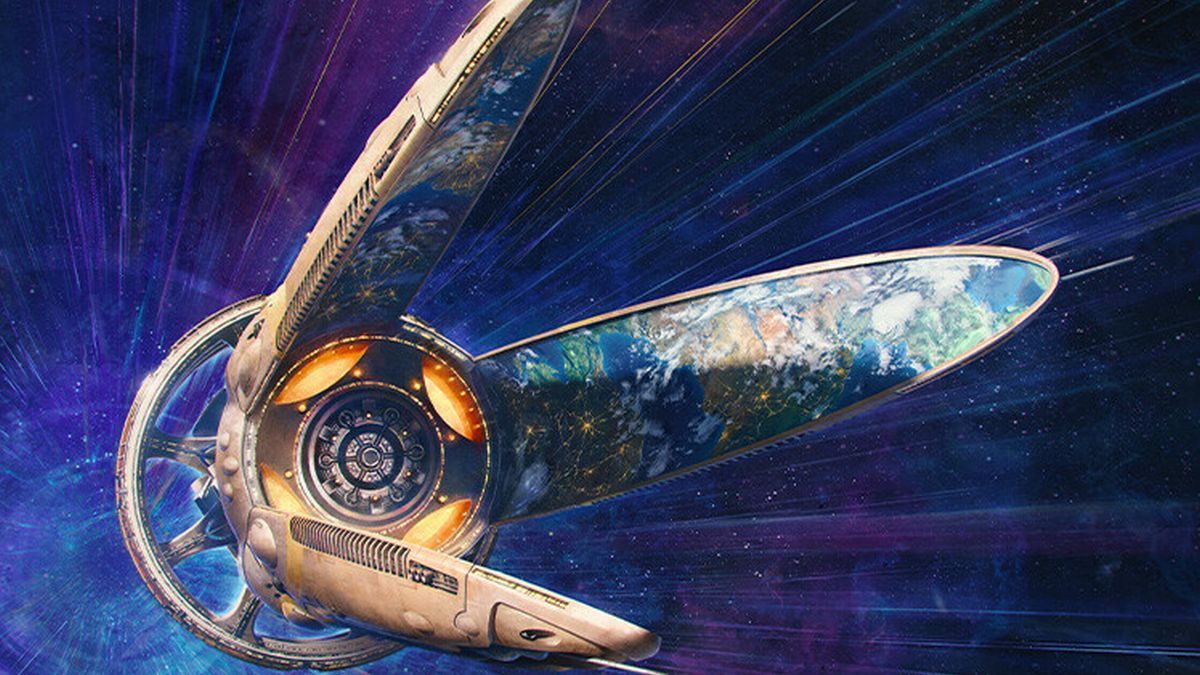
There's still a part of me that thinks of 2016's Stellaris as one of the "new school" Paradox grand strategy games, even though it turned 10 years old just this week. If you were to add all of its 30+ DLCs to your Steam cart right now, it would run you upwards of $200—and that's with quite a bit of it on sale. Paradox has even announced the next batch with Season 10, bringing scenarios and nomads among other things.
When Stellaris launched, it was already clear that this DLC model, funding long lifespans and lots of transformative free patches, was working for Paradox—as 2012's Crusader Kings 2 and 2013's Europa Universalis 4 had proven. But when it began its development life, the idea that a grand strategy game could still be getting DLC for a decade hadn't become so obvious.
"It wasn't exactly clear that it was incredibly successful when I started scribbling down notes for what was to become Stellaris," said original game director and Paradox's current chief creative officer Henrik Fåhraeus. "But I guess sometime during development we realized that this is the model we should go with."
And it's not just how much you can shell out for new features and new spaceships that makes Stellaris notable. Across its lifespan, it's received 41 major free patches and dozens of smaller ones. The current game version right now is 4.3, and each of those bigger jumps to 2.0, 3.0, and 4.0 have transformed it in ways more significant than some sequels do. 1.0 and 4.3 are almost hard to recognize as the same game.
"I joke on the forums that Stellaris the Spaceship of Theseus," quipped current game director Stephen Murray.
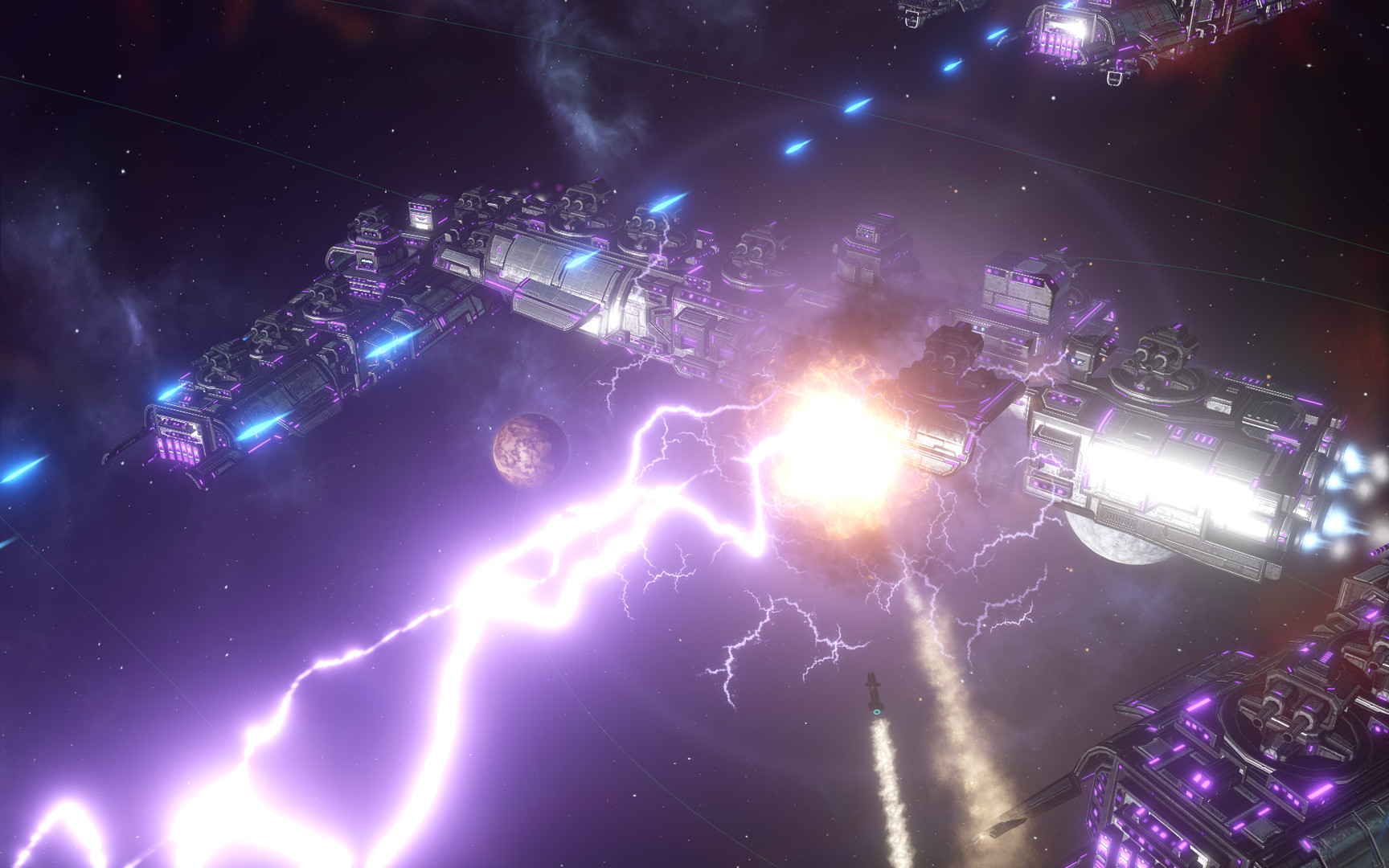
Much like there have been four major patches, he is the fourth person to sit in the captain's chair as game director. With Stellaris being its own stellar dynasty, I was curious what two of those captains felt were the things that kept Stellaris grounded. If it is a Spaceship of Theseus, what is the shape of the hull?
"I still think it's at its core about the joy of exploring the unknown, seeing new things play out every session or every playthrough essentially," Fåhraeus responded. "So it's a little bit different from other 4X games in that regard, in that it puts so much emphasis on exploration and the events that you experience while venturing forth into the galaxy."
"I'd say that the number of player fantasies is what Stellaris is all about," Murray added, referencing the fact that you can make anything from Star Trek's borg to Starcraft's zerg in its empire builder. "I remember back in the beginning as a player trying all these different things, and then we just keep adding more and more. People say that if you come back six months later, the game is different. We're always trying to give you new things to do."

As for what Murray sees as the triumph of his turn as game director? "My reign is mostly a shift towards more of the narrative and RPG-based content. We started with [expansions such as] Overlord and First Contact and things like that. I took the team in a little bit more of the RPG direction. Stellaris and Crusader Kings 2 were the games that I played before I joined Paradox. That's sort of the style that I have as the RPG gamer. I came here from Dungeons & Dragons Online and things like that. So the stories are sort of my thing."
While Stellaris may be approaching old age in strategy game terms, it's not exactly ancient yet. As evidence of this, I have icons on my desktop right this moment for Warcraft 3 and Age of Empires 2, which are much older games. And the latter is still getting new DLC! I asked both directors if they felt like Stellaris could have that kind of a lifespan, or if we're closer to the end than the beginning.
"I think it still has some mileage left, that's for sure," Fåhraeus said simply.
"I think that there's still a lot of stories that we can still tell and things to explore," Murray elaborated. There are some fantasies we haven't hit yet. But we'll have to be careful not to retread things that we already have."
But it's not easy to maintain such an unwieldy vessel with so many new systems introduced and shiny additions bolted onto the outside of it. Even as a grand strategy aficionado, I don't find myself going back to Stellaris as much these days simply because there's too much to keep track of now. And Paradox is well aware of this.
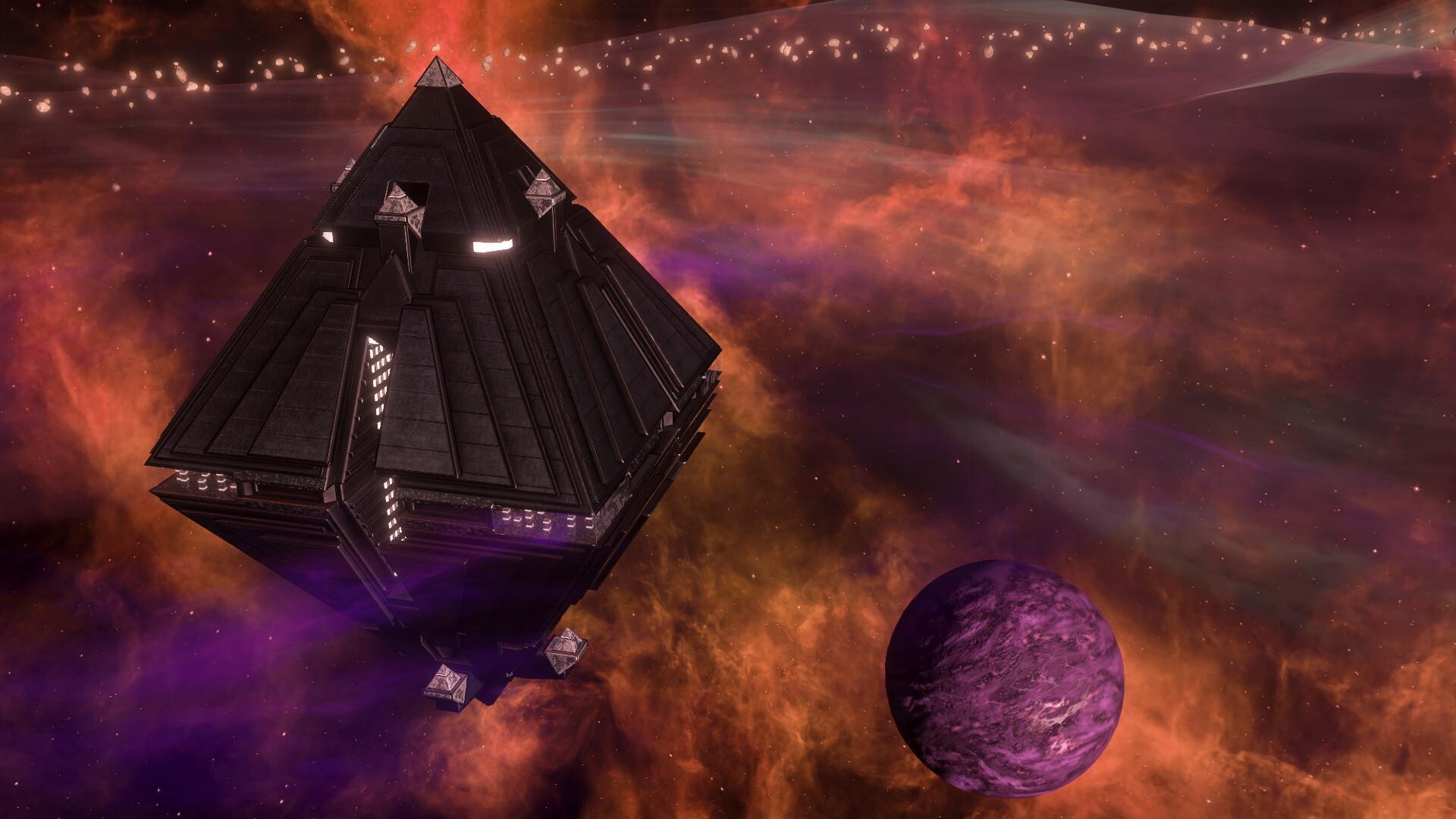
"It's a classic development [problem] with all of our live games," Fåhraeus admitted. "What started out as our most approachable grand strategy game with a very clean interface is no longer that, let's put it like that. I don't think there are many proper ways around that. At some point you're going to have to start thinking 'sequel' I suppose. You could also do some sort of repackaging UI cleanup pass. But this is what happens after 10 years with so many expansions."
Whether or not we might see a sequel drop out of hyperspace sometime in the not-so-distant future isn't something either game director could answer. But if you want to know what is immediately on deck for Stellaris, check out the other part of this interview where we talk about the upcoming DLC for Season 10.
Схожі новини
Which Class Should You Pick In Farever?
Stellaris is getting space nomads and scenarios for its 10th birthday
The Best Characters To Use In Vampire Crawlers