Speaker Stefanchuk denies restrictions on LGBT rights in draft Civil Code
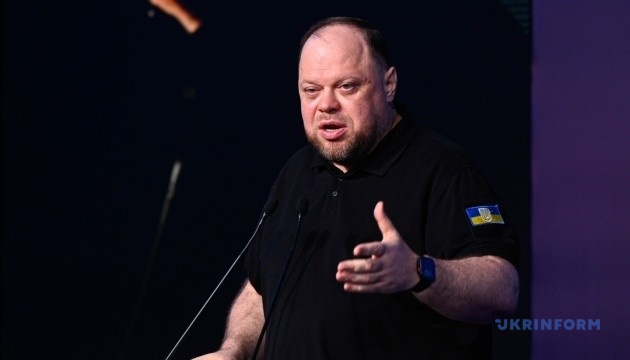
According to Ukrinform, Verkhovna Rada Chairman Ruslan Stefanchuk said this on Facebook while refuting claims about possible discrimination in the document.
“This is not true. During the drafting process, we applied a clear principle of compromise: if a particular issue provokes sharp public debate, we leave its regulation exactly as it exists in current legislation,” he said.
The Speaker assured that the draft Civil Code does not narrow any rights and preserves the status quo currently in place.
“At the same time, this in no way prevents members of parliament from submitting separate amendments to the draft law or introducing initiatives on these issues – and Parliament will decide on them separately,” Stefanchuk added.
As reported by Ukrinform, Stefanchuk had earlier explained that the term “dobrozvychainist” in the draft Civil Code is the Ukrainian equivalent of the European legal concept boni mores.
The Verkhovna Rada of Ukraine on April 28 adopted the draft of the new Civil Code in its first reading. The bill was supported by 254 lawmakers.
Read also: Speaker Stefanchuk discusses defense cooperation, Ukraine’s EU integration with Portuguese PMAt the same time, a number of civil society organizations, human rights defenders, and legal experts criticized the draft over several controversial provisions. In particular, debate arose around the use of the term “dobrozvychainist,” which critics argue has vague legal interpretation and could potentially be used to limit the rights of certain groups.
In addition, human rights organizations stated that the current version of the document creates legal barriers for the LGBT+ community and lacks progressive provisions regarding civil partnerships. Critics also objected to a clause requiring mandatory reconciliation measures for spouses in cases where a woman is pregnant or the child is under one year old.
Схожі новини
War and peace: key themes of Pope Leo's first year in office
War and peace: key themes of Pope Leo's first year in office
Kharkiv allocates over UAH 1.8B to support AFU – Mayor Terekhov
