Spaceflight is hard on the heart, yet artificial ones grow better in space than on Earth
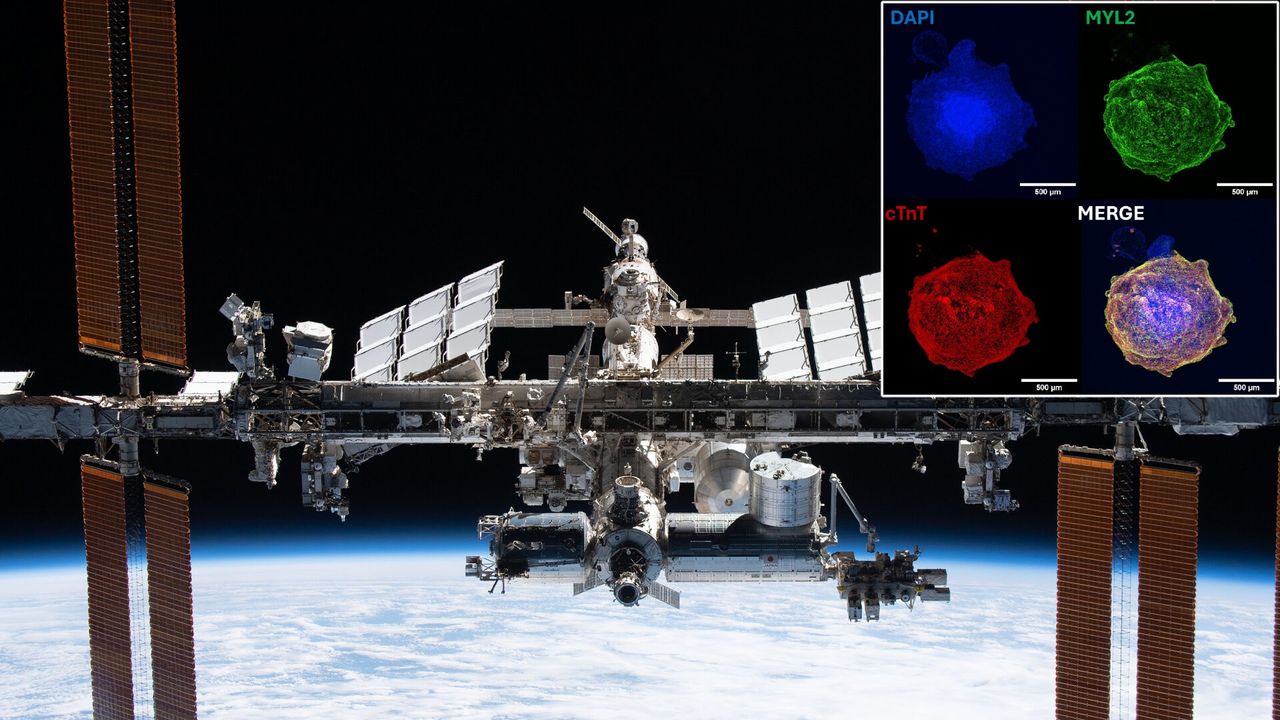
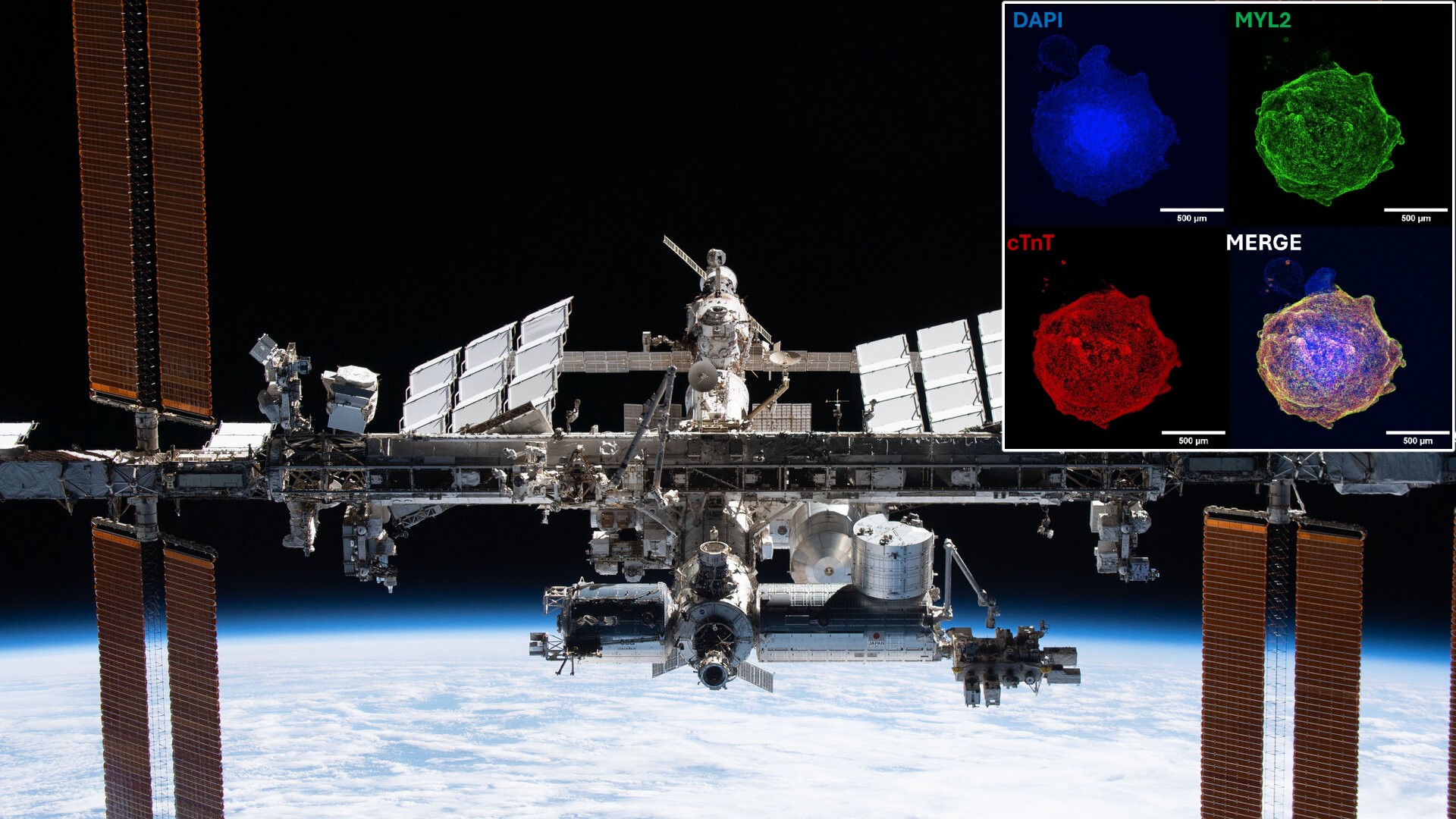
The human heart shrivels away in space, but researchers have found that mini-hearts grown from human stem cells sprout in space significantly faster than in labs on Earth.
Weird things happen to astronauts' hearts in microgravity. Without the sense of up and down, the flow of blood in the body changes. More of the fluid gathers in the head, and there is suddenly less of it not just in the legs but also in the heart itself. Not having to push the body against the resistance of gravity, the heart shrinks, weakens and even changes its shape, becoming more circular.
"On one side, you have things that have already been made before that are being exposed to low gravity and potentially deteriorating and getting weaker over the course of being exposed to microgravity," Sharma said. "On the other side, you are actually making those things from scratch in space. It's possible that the production process is facilitated by low gravity."
Sharma, who has been sending heart cell experiments to the ISS since 2016, presented the results of his team's latest work at the 46th Annual Meeting and Scientific Sessions of the International Society for Heart and Lung Transplantation in Toronto on April 25.
In the past five decades, researchers have learned how to make human stem cells grow into human heart organoids — essentially proto-hearts made of self-organized clustering heart cells that begin to behave like an actual heart. Stem cells are the universal cells found in human fetuses that can turn into any kind of human cells as the baby body develops. Stem cells can also be reverse-engineered in labs from adult skin or blood cells. With the addition of the right proteins at the right time, these stem cells can be prompted to grow in labs into beating, three-dimensional heart organoids in just a couple of weeks.
To make those mini-hearts at scale, Sharma said, researchers use bioreactors that effectively mimic microgravity.
"We use these things called suspension bioreactors, which force [the heart cells] to float around," said Sharma. "The cells love being grown in this way. But to force them into suspension, you typically have to spin them around and introduce some sort of a force, which the cells can sense. And they don't like being always agitated this way."
In space, however, floating happens naturally without any uncomfortable stirring. And the cells seem to love that.
"We have seen a very significant increase in terms of organoid production," Sharma said. However, he declined to specify how many more heart organoids the space experiments produced compared to Earth-based reactors, as the results have not yet been published.
"I can say that the scale of production is something that's been very impressive," he said. "Just the number of organoids that we can make in this way."
Launching stuff to space is obviously expensive, but Sharma thinks that in the future, organoids or heart tissue 3D-printed in space could be used to help patients with heart damage who are awaiting heart transplants.
No space-grown proto-hearts have been used in human patients yet, and no tests are being planned so far, said Sharma. Researchers are currently testing heart muscle patches made of induced human stem cells bioengineered on Earth to ease the lives of patients with heart damage. The human heart cannot repair its broken muscles on its own, so outside help is needed. Based on the latest research results, Sharma thinks that patches and organoids made in space may be of superior quality.
"The microgravity environment offers the potential to produce thicker, more robust patches less prone to collapse under gravity when brought back to Earth," he said.
Due to regulations, it may take years for space-grown mini-hearts to make it to human trials. Sharma thinks that the organoids will first be used to test new heart disease drugs.
Heart disease is a leading cause of premature death worldwide. Millions of people around the world die every year because of heart disease. Stem cell therapies that regenerate the damaged heart muscle are among the most promising innovative treatments on the horizon.
Sharma's team plans to send more heart cell experiments to the space station on board NASA's SpaceX CRS-35 resupply mission, which is scheduled to launch no earlier than August.
View MoreYou must confirm your public display name before commenting
Please logout and then login again, you will then be prompted to enter your display name.
Logout
Tereza is a London-based science and technology journalist, aspiring fiction writer and amateur gymnast. She worked as a reporter at the Engineering and Technology magazine, freelanced for a range of publications including Live Science, Space.com, Professional Engineering, Via Satellite and Space News and served as a maternity cover science editor at the European Space Agency.
Схожі новини

Що відбувається з тілом після смерті: відомий учений дав несподіване пояснення
Психологи назвали позу, яка може видати психопата: несподіване відкриття
Усередині нашої галактики може ховатися інша: сенсаційне відкриття астрономів