Southeast Asia’s Mekong River being poisoned by rare earth mining
Many millions depend on the river but toxic run-off from mining for modern technology - including for war - could be an existential threat
4-MIN READ4-MIN Listen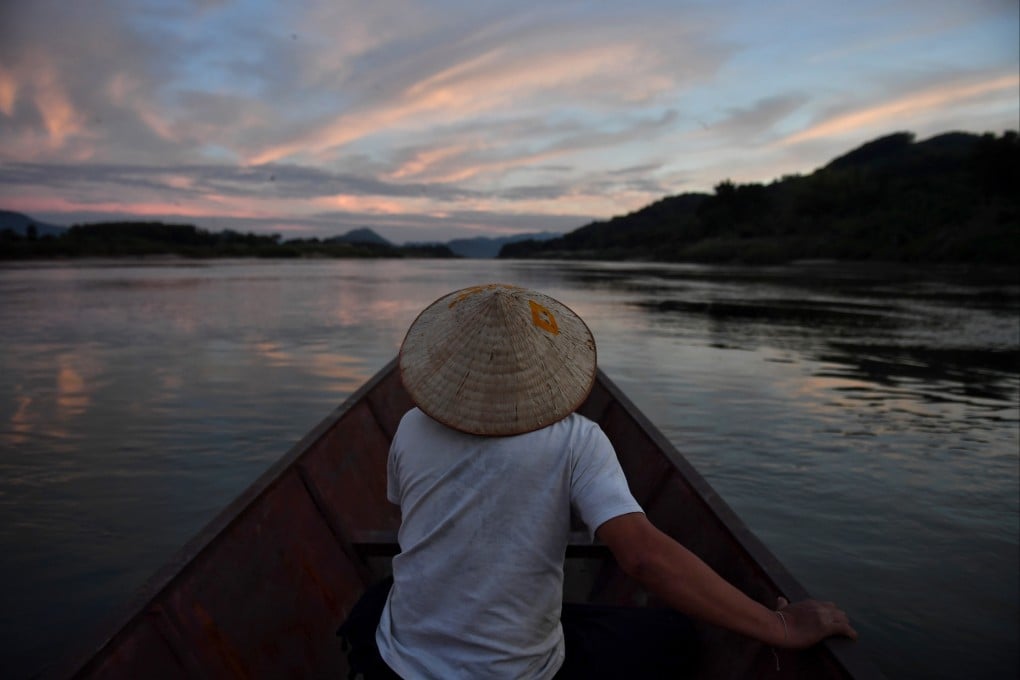
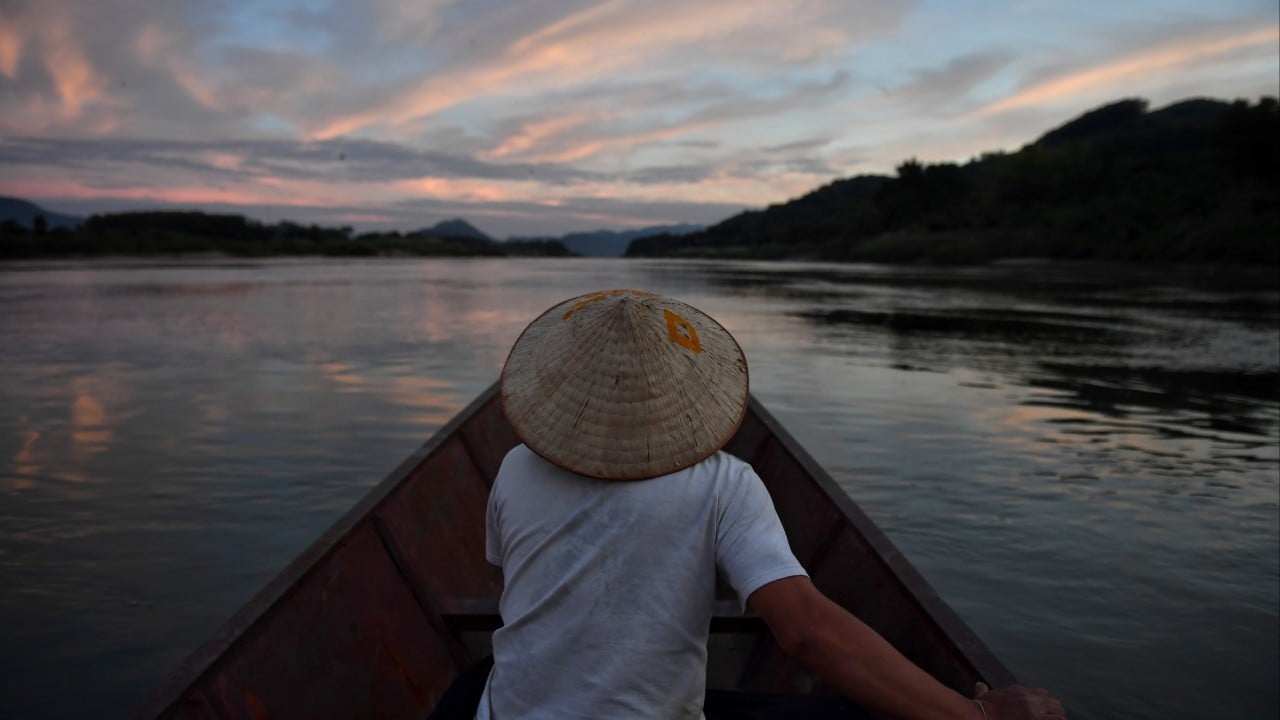
Perched on the bow of his long-tail fishing boat, 75-year-old Sukjai Yana untangled a handful of small fish from his net, disappointed by his catch and fretting over whether he can sell them.
Some days Sukjai earns nothing: demand for fish is falling due to worries over contamination of the Mekong River and its tributaries by toxic run-off from rare earth mines upstream that is threatening millions who rely on those waters for farms and fisheries.
Chiang Saen, a fishing hub in northern Thailand, has been Sukjai’s family home for decades. “I don’t know where else I’d go,” he said.
AdvertisementYana is one of 70 million people in mainland Southeast Asia who depend on the nearly 5,000km Mekong River.
Rising demand for rare earth materials is driving an unregulated mining boom centred in war-torn Myanmar, to the west, that is spreading to Laos, in the east.
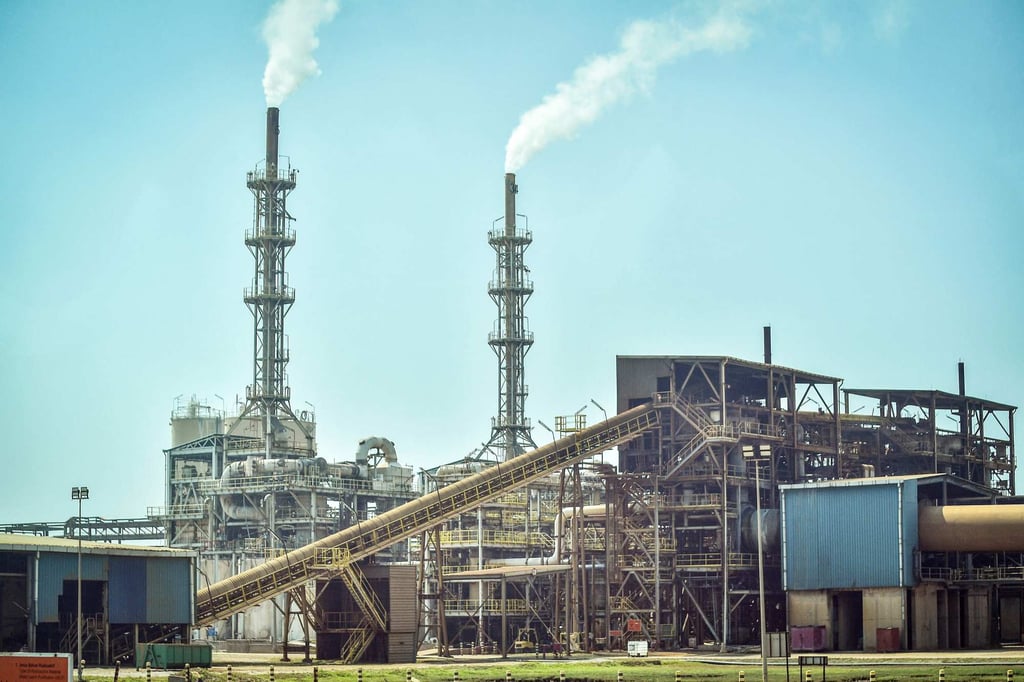
The Mekong has long faced mounting pressures, from plastic pollution to hydropower dams hemming it upstream and sand mining devouring its banks. But experts warn that the toxic run-off from the mines could pose an existential threat.
AdvertisementAdvertisementSelect VoiceSelect Speed0.8x0.9x1.0x1.1x1.2x1.5x1.75x00:0000:001.00xСхожі новини
Second US ambassador to Ukraine steps down in less than one year
Iran war: UN rights chief 'appalled' by arrests, executions
'The quintessential Pop portrait': Roy Lichtenstein’s Anxious Girl goes up for auction